Andrew Davis

54.3K posts

Andrew Davis banner
Andrew Davis

Andrew Davis

@davi326

A personal view of life, music. Wales rugby and Southampton football supporter! Planning to leave Twitter for Threads
Hardington Mandeville, England انضم Aralık 2009
4.4K يتبع2.5K المتابعون
Andrew Davis أُعيد تغريده
George Noble
George Noble@gnoble79·
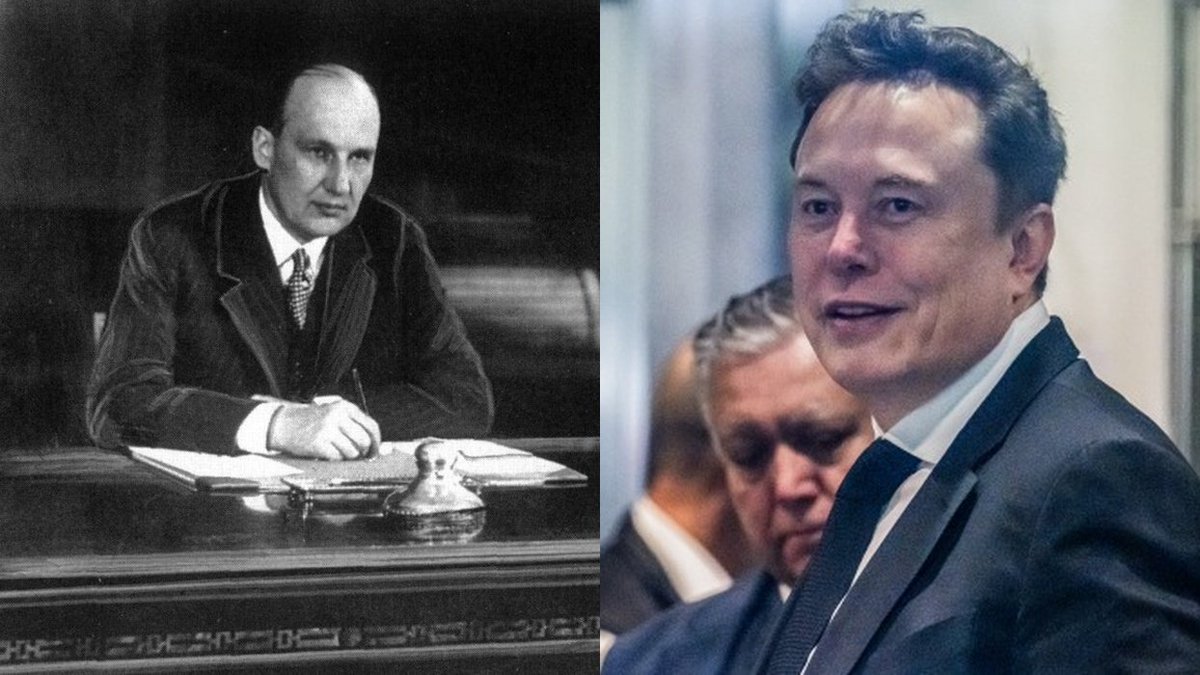
Elon Musk is the Ivar Kreuger of our time, and the OpenAI trial is PROVING it in real time. If you don't know who Kreuger was, you should: In the 1920s he was the most admired businessman in the world. The "Match King." He controlled 90% of global match production, lent money to sovereign governments, and his securities were the most widely held in America. But after his death in 1932, auditors spent 5 years untangling over 400 subsidiary companies and discovered the whole thing was held together with fictitious assets, forged bonds, and the unquestioning loyalty of people too dazzled to ask questions. Investors lost $750 million (~$17 billion in today's money). His deficits exceeded Sweden's national debt. Doesn't this sound familiar? The Musk playbook is the most DANGEROUS house of cards I've witnessed in my career. This week in federal court, Musk took the stand to argue that Sam Altman stole a charity. 3 days later he'd contradicted himself under oath so many times that the judge told his lawyers she suspected plenty of people don't want to put the future of humanity in Mr. Musk's hands. OpenAI's attorney asked if Tesla is pursuing AGI. Musk said no. The attorney then pulled up Musk's OWN post from March 4 where he wrote Tesla will be one of the companies to make AGI. His own words entered into evidence against him. BY HIM. Then the attorney asked if xAI used OpenAI's models to train Grok (which violates OpenAI's terms of service). Musk called it a general practice among AI companies. Pressed for a direct answer, he said "partly." Think about that: Musk is in court accusing OpenAI of betrayal while admitting under oath that xAI violated the very same company's terms of service to build Grok. Then came the credibility test: Musk was asked to name his companies that benefit society. He listed Tesla, SpaceX, Neuralink, and X without hesitation. Every one of them is an uncapped for-profit enterprise. Then why did xAI start as a benefit corporation and quietly flip to a for-profit C-corp? No clean answer. This is someone who repeatedly launches entities with noble-sounding charters and converts them into for-profit corporations once the money gets serious. Then his money manager Jared Birchall took the stand: OpenAI's lawyer asked about the donor-advised funds at Vanguard and Fidelity that Musk used to send his $38 million. Did Musk have any legal right to direct where the money went once it entered the DAF? Birchall couldn't answer. Said the legal question was beyond his expertise. The entire lawsuit hinges on that donation creating enforceable obligations. But the man who managed Musk's money just told a federal jury he can't confirm Musk had any enforceable claim over those funds. Now step back... This is a man who promised full autonomy by 2018, a million robotaxis by 2020, and unsupervised FSD by June 2025. EVERY deadline was missed. He claimed he invested $100 million in OpenAI. The real number was $38 million. His defense? His "reputation" made up the difference. Kreuger had 400 subsidiaries and used one entity to prop up another through structures nobody could follow. Musk has Tesla, SpaceX, xAI, Neuralink, the Boring Company, and X. He shifts AI talent from Tesla to xAI, has xAI building the brains for Tesla's Optimus robot, and uses X as a megaphone while the algorithm amplifies his narrative to 200 million followers. Kreuger's investors trusted the man, NOT the math. They loved the confidence. They stopped asking questions because the aura of genius made questioning feel foolish. The same psychology applies to Musk's empire today. Kreuger's reckoning took 5 years of forensic auditing after his death. But Musk is providing his in REAL TIME: contradicting his own posts under oath, admitting to the practices he's suing others for, watching his logic collapse under cross-examination. Different decade. Different industry. Same ending. The truth always catches up.
George Noble tweet media
English
217
1.4K
3.4K
170K
Andrew Davis أُعيد تغريده
Sama Hoole
Sama Hoole@SamaHoole·
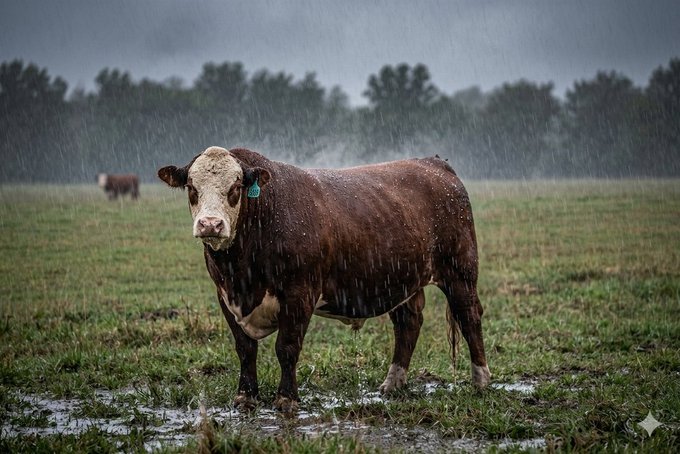
Myth: "Eating beef is destroying the Amazon" Let's check in on Gerald's geography. Gerald is in Herefordshire. Herefordshire is approximately 9,200 kilometres from the Amazon rainforest. Gerald's diet: - Grass (grown on his own field) - Silage (grown on the same farm) - A small amount of brewers' grains in winter (a brewing byproduct, sourced from a Worcestershire brewery) Gerald's contribution to Amazon deforestation: zero kilometres of rainforest, zero hectares cleared, zero soya imported, zero ranching land in any of the Brazilian biomes. Now consider the headline. The "beef destroys the Amazon" argument is, when traced to source, a description of Brazilian beef cattle ranching expanding into cleared tropical forest. This is real. It is a serious environmental problem. It deserves attention. The argument applies to: - Brazilian beef - Argentinian beef from cleared land - A specific subset of Latin American grazing operations The argument does not apply to: - British beef - Welsh beef - Scottish beef - Irish beef - Most European beef The Welsh hills were deforested approximately 3,000 years ago, by Neolithic humans. There is no rainforest in Wales. There has not been one for several millennia. Welsh beef cannot, by any geographic measure, drive Amazon deforestation. The animal grazing on a Welsh hillside is grazing on a hillside that was open before the pyramids. When somebody applies the "Amazon" argument to a steak from Aldi, they are applying a problem from one country to a different country 9,000km away. This is not climate analysis. This is geographic confusion sold as concern. The honest version of the argument is: don't buy Brazilian beef. Buy local. Buy British. Buy from the farmer down the road. The dishonest version is: don't eat Gerald. Gerald is in the south corner. The south corner is in Herefordshire. Herefordshire is not Brazil. The map is the answer. Read the map.
Sama Hoole tweet media
English
25
228
794
8.5K
Andrew Davis أُعيد تغريده
Sama Hoole
Sama Hoole@SamaHoole·
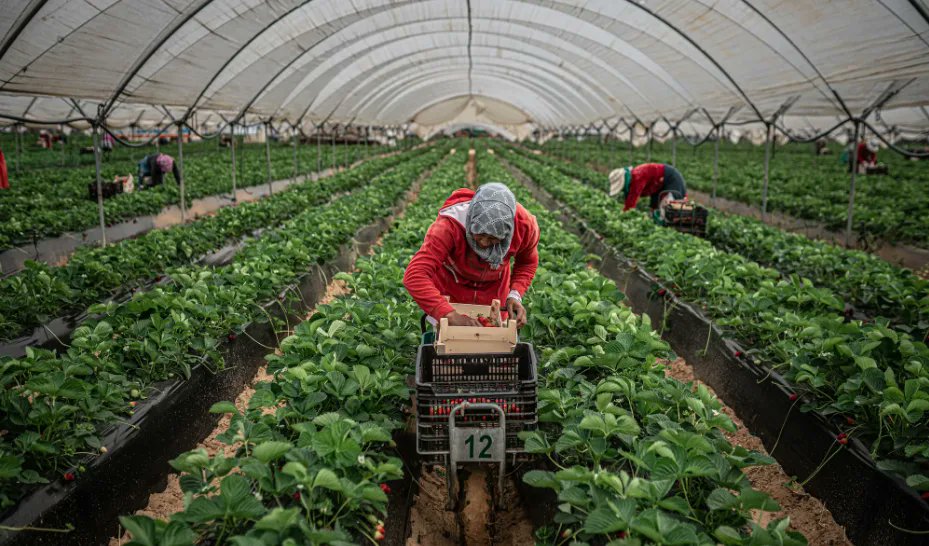
Half of the strawberries, raspberries, and blackberries imported into the United Kingdom come from a single province in southern Spain. Huelva. Andalusia. The fields are covered in plastic greenhouses. The workers are predominantly Moroccan women, recruited under bilateral state programmes from poor rural districts. Around 14,000 to 19,000 of them arrive each year. Many are illiterate, on temporary visas, isolated on fenced farms several kilometres from the nearest town. The fences have cameras and electric gates. The conditions have been the subject of multiple investigations and lawsuits. In 2018, ten Moroccan women filed a lawsuit against Spanish strawberry producer Doñaana 1998, alleging assault, sexual harassment, rape, and trafficking. That same year, four other women sued an unnamed strawberry exporter for sexual harassment and gross labour exploitation. The UN special rapporteur on extreme poverty visited the migrant settlements and described conditions that “rival the worst I have seen anywhere in the world.” Of the nearly 15,000 workers recruited from Morocco to the strawberry fields in 2019, 243 received contracts that met their full legal rights. That is roughly one and a half percent. Sub-Saharan migrants without papers live year-round in shantytowns built of scavenged plastic and pallet wood. Periodically the shantytowns burn down. Sometimes the residents do too. Meanwhile, the greenhouses are draining the aquifers that feed the Doñana wetland, a UNESCO World Heritage site, and one of Europe's most important migratory bird habitats. WWF estimates more than 1,000 farms are tapping the aquifer illegally. The Andalusian regional government's response has been to attempt to legalise 1,900 hectares of the illegal operations after the fact. The punnet of strawberries in your supermarket fruit aisle has a green leaf logo on it. It does not have a UNESCO World Heritage site collapsing in real time, a Moroccan woman named Saeeda burning to death in a shanty fire, or 13,757 contracts that should not have been signed. But all of those are in the box. There is a man in Kent who grows strawberries in June. He grows nothing else for most of the year, because that is what the British climate offers. Buy his.
Sama Hoole tweet media
English
43
452
1.3K
18.2K
Andrew Davis أُعيد تغريده
John O'Connell
John O'Connell@jdpoc·
"Soft on Crime" says former MET Police DCI Peter Kirkham, a regular guest on both GBNEWS and TalkTV. I bet he wishes the Police were indeed, 'soft on crime'. He's now on trial for multiple paedophilia offences, indecent images of children, and grooming teens.
John O'Connell tweet media
English
32
682
1.2K
12.7K
Andrew Davis أُعيد تغريده
Leeder_Safeguarding #FBPE🇪🇺🙋🏼‍♂️
#SackChrisMason Make this go viral He really is an apology for a journalist! He doesn't even try to hide his bias We have to come to terms with the fact that our MSM has been compromised by extreme right-wing billionaires who are undermining our democracy and due process
GP1@gpchatbot

We are paying for this guttersnipe to spread Reform propaganda. Defund the BBC.

English
19
547
1.1K
9.8K
Andrew Davis أُعيد تغريده
Mr Ethical 🚩
Mr Ethical 🚩@nw_nicholas·
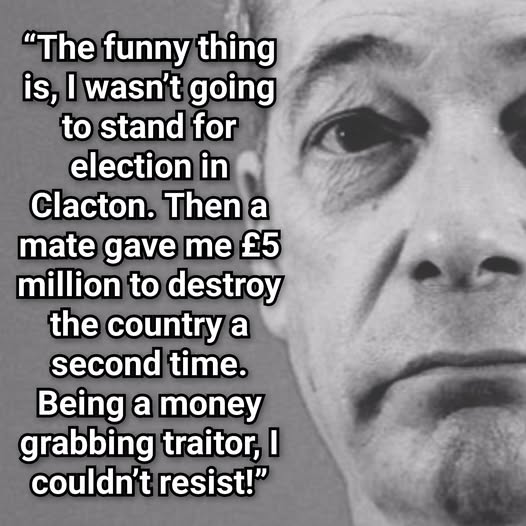
I wonder why the Clacton house is still off-limits. I haven't seen any media connect £5m donation with £885k cash purchase.
English
45
995
3.3K
28.7K
Andrew Davis أُعيد تغريده
BabelColour
BabelColour@StuartHumphryes·
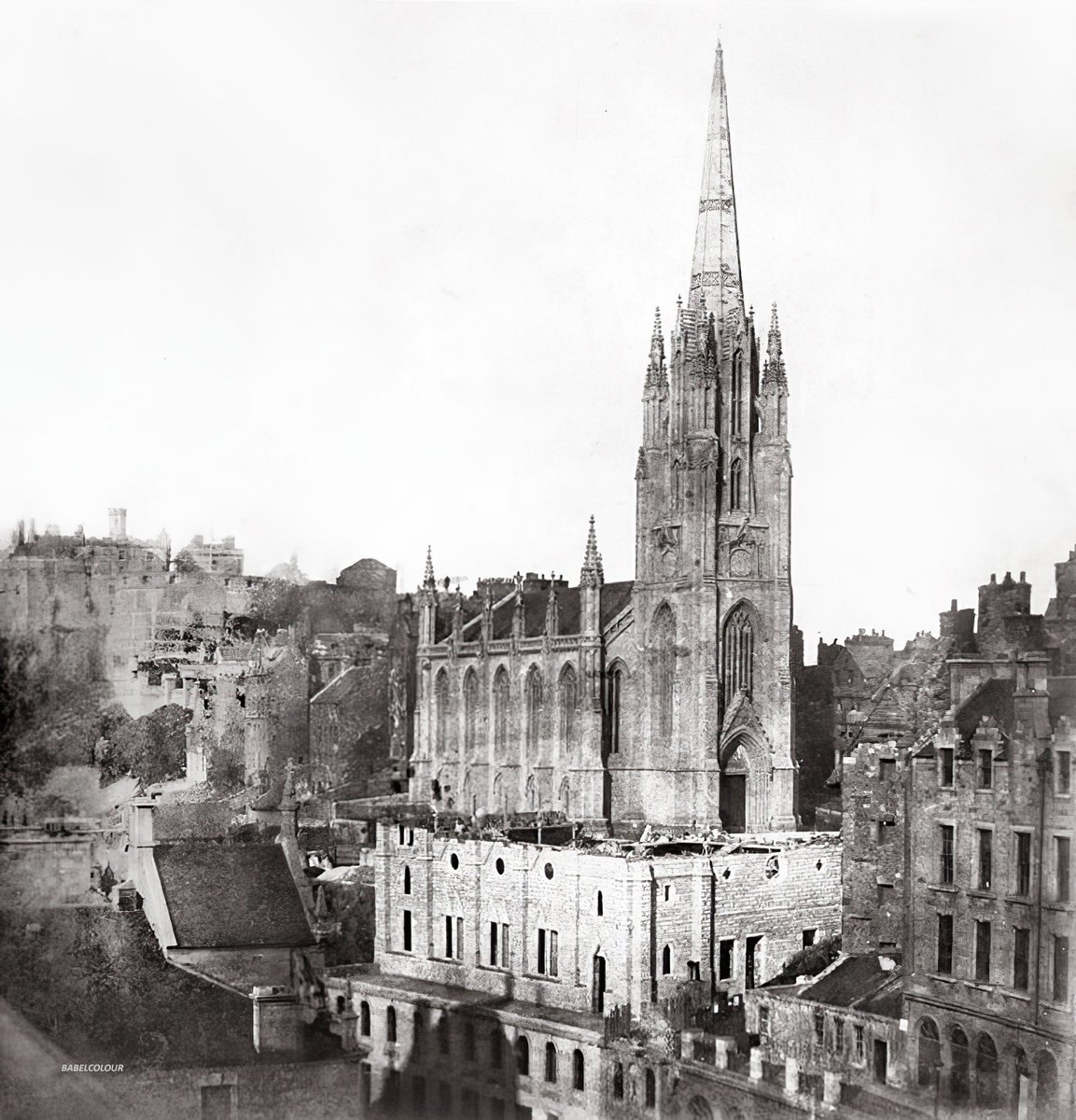
This is Edinburgh 178 years ago. I have cleaned up and composited this shot of the Assembly Hall and Talbooth Church on Castlehill, which was photographed in 1848 by Robert Adamson & David Octavius Hill. I've actually combined two separate photographs to create a wider view of the environs, as Robert & David took two shots at slightly differing angles. I find it fascinating that we are seeing the city as it was only 21 years after the camera was invented.
BabelColour tweet media
English
5
37
328
10K
Andrew Davis أُعيد تغريده
Fraser Nelson
Fraser Nelson@FraserNelson·
- Two-thirds of Reform's money is wired from Thailand - Ben Delo, pardoned by Trump for breaking money-laundering rules, has given £4m. - Farage's secret £5m bung A new model of politics is meeting an old model of transparency. With dangerous results: times-comment.com/farage123
English
74
987
2K
98.4K
Andrew Davis أُعيد تغريده
Sama Hoole
Sama Hoole@SamaHoole·
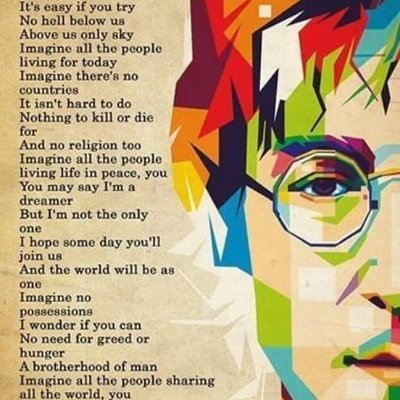
Myth: "I only wear vegan fabrics. Better for the animals, better for the planet." Let's check in on Doris's annual contribution. Once a year, in late spring, Doris is sheared. The procedure takes approximately three minutes. Doris does not enjoy it. Doris does not, by any visible measure, suffer from it. Doris is, immediately afterwards, a noticeably more comfortable animal in the British summer. The fleece weighs approximately 3 kilograms. It is sold to the British Wool Marketing Board for, depending on the year, between £0.40 and £2.50 per kilogram. The shearing costs more than the wool fetches. Brian is shearing Doris at a loss. The wool is then: - Naturally flame-retardant - Naturally antibacterial - Moisture-wicking - Biodegradable - Renewable, annually - Carbon-storing while in use The replacement, in performance fabrics: - Polyester - Polyamide - Acrylic - Polypropylene - All petroleum-derived - All shedding microplastics on every wash - All requiring fossil fuel inputs to produce - All non-biodegradable, with a typical landfill lifespan of 200-500 years A single wash of a polyester fleece can release up to 700,000 microplastic fibres into the water system. These fibres are now in: every tested water source on earth, every tested human placenta, every tested rainfall sample, the deep ocean, the Arctic ice, and the lungs of marine mammals. A single wash of a wool jumper releases: nothing. The wool, when eventually disposed of, returns to soil within a few years. The fabric being marketed as the "ethical" alternative to wool is plastic. The plastic is "ethical" because nobody has been asked to slaughter the polymer. The polymer also has not been asked. Doris, by being a sheep on a fell, is producing the most thoroughly sustainable performance fabric humans have ever made. Brian is selling it at a loss. The fashion industry, meanwhile, is selling petroleum at a profit and calling it ethical. Reject plastic. Wear wool. Doris is, this morning, growing next year's batch.
Sama Hoole tweet media
English
218
2.7K
9.7K
133.9K
Andrew Davis أُعيد تغريده
RS Archer
RS Archer@archer_rs·
Why do the UK media not hold Farage to the same standards they use for other politicians? Why does Farage always get a free ride, why aren't his finances and donations scrutinised in the same way?
Thomas Standfield@TStandfield1789

Starmer declares a two grand gift for half a dozen pairs of glasses: National outrage, Starmer's a liar, he's on the take, demands for a GE. Farage is secretly bunged with £5,000,000 by a crypto billionaire: Barely gets a mention. @BBCNews @GMB @itvnews @SkyNews @Ofcom @lisanandy

English
53
542
1.6K
20.8K
Andrew Davis أُعيد تغريده
Great Eastern Railway Society
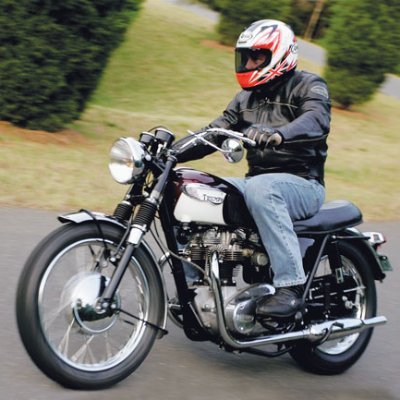
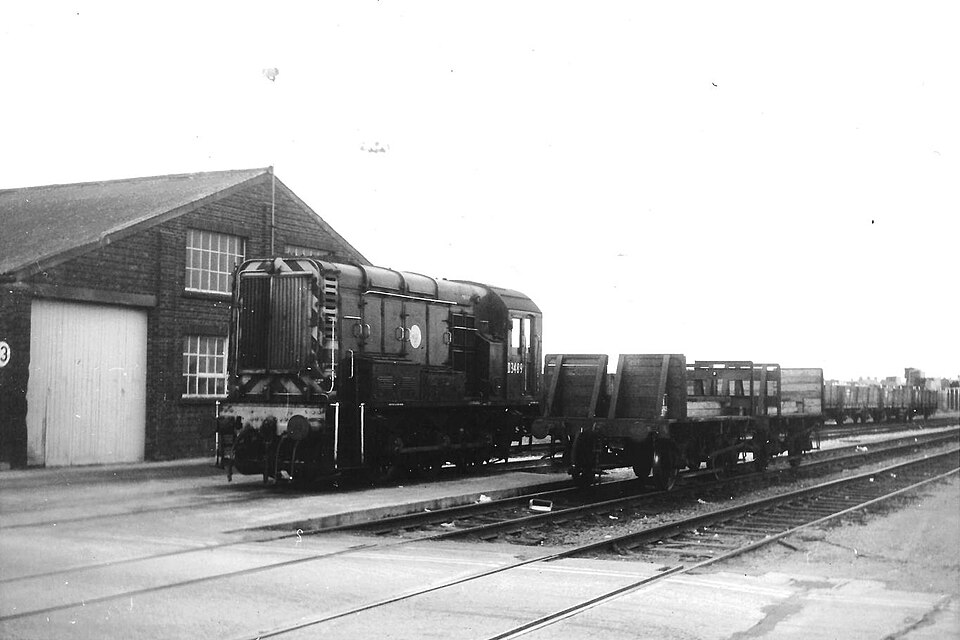
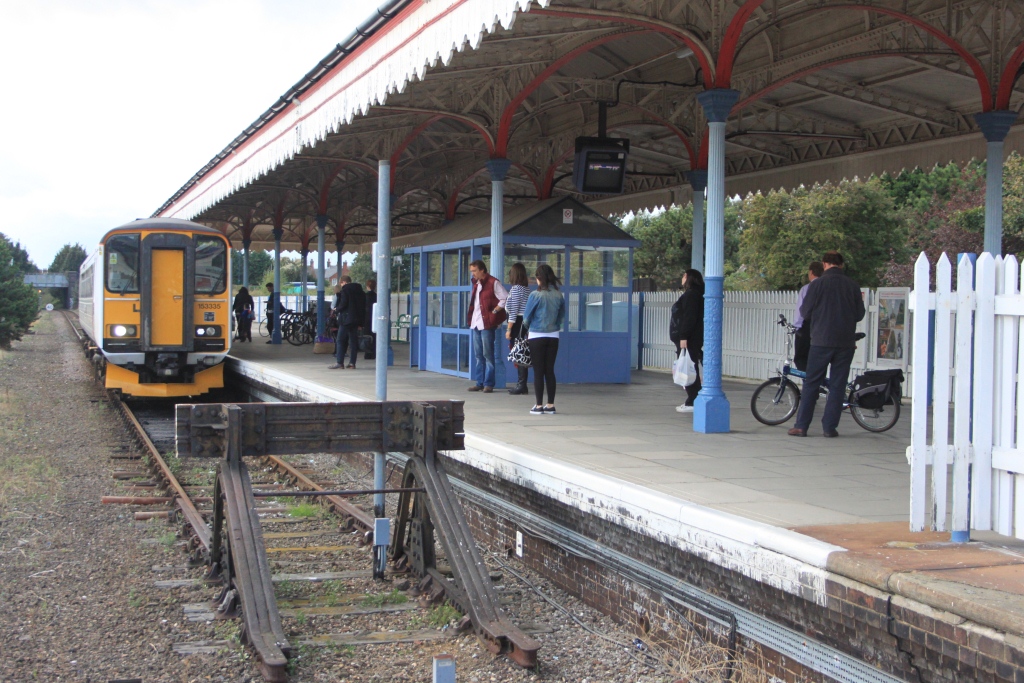
Happy 149th Birthday to The Felixstowe Line: From Colonel’s Pier to Britain’s Container Lifeline. Tucked away in the gentle Suffolk countryside, the Felixstowe Branch Line doesn’t look like one of Britain’s most important railways. At just 12 miles and 5 chains long, it ambles from the main line at Westerfield, through sleepy stations and level crossings, to the seaside town of Felixstowe. Yet this unassuming single-track branch has a story that’s pure East Anglian railway gold: a Victorian landowner’s pet project that became the gateway for nearly half of the UK’s containerised trade. It’s survived the ‘53 floods, Beeching and closures only to emerge stronger than ever. The Colonel’s Vision: A Private Railway for a Pier (1870s) The line owes its existence to one colourful character: Colonel George Tomline, a wealthy local landowner with a flair for development and a touch of eccentricity. In 1875 he formed the Felixstowe Railway and Pier Company under an Act of Parliament, aiming to link Ipswich with a new pier at Landguard Common on the River Orwell and kick-start Felixstowe as a resort and port. The line opened on 1 May 1877. It wasn’t grand, just a basic single-track route from Westerfield Junction with stations at: Derby Road (Ipswich) Orwell (built mainly to serve Tomline’s own mansion at Nacton) Felixstowe Pier (the original terminus, right by the new pier) Felixstowe Beach (added soon after) Critics in the local press grumbled that Tomline sited stations where he thought people should go, rather than where they actually lived. The Colonel even supplied his own three smart 2-4-0 tank engines named Tomline, Orwell and Felixstowe. For the first couple of years, it felt like his personal railway. Great Eastern Takeover and the Move to Town (1880s–1890s) The Great Eastern Railway (GER) took operational control in 1879 and bought the line outright in 1887. They quickly saw the potential. In 1898, the GER opened a new Felixstowe Town station designed in their distinctive style, closer to the growing resort centre. The original pier and beach routes were realigned, and passengers no longer had to endure a reversal at the old terminus. By the Edwardian era, the branch was busy with summer holiday traffic, day-trippers to the beach, and steady goods to the docks. A passing loop at Trimley and other small improvements improved traffic flow. Grouping, War, and the Diesel Dawn (1923–1950s) After the 1923 Grouping, the line passed to the London & North Eastern Railway (LNER). Passenger numbers held up well into the 1930s, with through coaches from London and busy summer timetables. Nationalisation in 1948 brought it under British Railways’ Eastern Region. The 1953 East Coast floods badly damaged the docks, but recovery was swift. In 1959, diesel multiple units replaced steam, slashing journey times to 24 minutes from Ipswich and boosting passenger numbers by 70%. Sadly, Orwell station closed the same day. The Beeching Era and Rationalisation (1960s–1970s) Like so many rural branches, the line faced the axe. Felixstowe Pier passenger services had already gone in 1951; Felixstowe Beach lingered until 1967 (summer-only in its final years). The line was singled in places, and public goods facilities closed. But freight saved it. In 1967, Felixstowe opened Britain’s first container terminal in partnership with Sea-Land Service. Suddenly, the sleepy branch was handling deep-sea containers. A 1970 rationalisation reopened the original 1877 alignment directly into the docks, closed the reversing spur at Felixstowe Town (reducing it to a single platform), and modernised the infrastructure. The Container Revolution: A Lifeline Reborn (1980s–Today) The real transformation came in the 1980s. Felixstowe became the UK’s largest container port by 1981. New terminals (North in 1987, South later) poured traffic onto the branch. Rail freight increased from a handful of trains a day to dozens. Network Rail and operators invested heavily: 1997 signalling upgrade and loop extensions 2014 Bacon Factory Curve at Ipswich (removing the need for goods reversals) 2018–19 doubling of the Trimley–Grimston Lane section Gauge clearance for bigger containers Today, the line carries hourly passenger trains by Greater Anglia (Class 755 “Flirt” units, 26 minutes Ipswich–Felixstowe) plus a relentless stream of container trains worked by Freightliner, GB Railfreight and DB Schenker. Felixstowe is Britain’s busiest rail freight terminal as well as its top container port. Snippets of Interest Tomline’s engines ended up shunting in London after the GER takeover, a far cry from their seaside debut. The 1953 floods turned the dock into a silted mess; the port’s recovery helped pave the way for containers. At peak, the branch has seen over 11,000 container movements in a single week. The line still has level crossings and a wonderfully old-fashioned feel in places, yet it’s one of the most intensively used freight routes in East Anglia. @EastSuffolkLine hotos Felixstowe Dock & Railway Company's first shunter Colonel Tomline seen at the docks in 1976. It was a former British Railways class 10 number D3489 purchased in 1969. It was retired in 2001: Geof Sheppard 1976 Felixstowe Dock Sidings: Network Rail Derby Rd Station, Ipswich: Ben Brooksbank. Felixstowe Station: Geof Sheppard, 2012
Great Eastern Railway Society tweet mediaGreat Eastern Railway Society tweet mediaGreat Eastern Railway Society tweet mediaGreat Eastern Railway Society tweet media
English
1
8
32
686
Andrew Davis أُعيد تغريده
Ed Davey
Ed Davey@EdwardJDavey·
This you “mate”?
Ed Davey tweet media
Rupert Lowe MP@RupertLowe10

@EdwardJDavey Whatever you say mate, nobody's listening anymore. British politics is changing so much faster than any of you people realise. We are going to take our country back.

English
1.4K
402
5.4K
649K
Andrew Davis أُعيد تغريده
Thomas Standfield
Thomas Standfield@TStandfield1789·
Starmer declares a two grand gift for half a dozen pairs of glasses: National outrage, Starmer's a liar, he's on the take, demands for a GE. Farage is secretly bunged with £5,000,000 by a crypto billionaire: Barely gets a mention. @BBCNews @GMB @itvnews @SkyNews @Ofcom @lisanandy
Thomas Standfield tweet media
English
216
3.1K
7.4K
126.4K
Andrew Davis أُعيد تغريده
John O'Connell
John O'Connell@jdpoc·
Your #5OClockInspiration ... Tories are still lying to you and they don't even care if you know it.
John O'Connell tweet media
English
8
271
424
3.6K
Andrew Davis أُعيد تغريده
JointheDots
JointheDots@A_Soft_Soul·
So it turns out we weren’t gaslighting ourselves after all. Turns out John McAndrew is a senior BBC executive who was appointed Director of News Programmes in 2022. He previously worked at the marketing arm of Reform UK, GB News as an editorial director.
JointheDots tweet media
English
119
2.9K
5K
119.6K