@RutgersAltRoute A4 I try to foster a #growthmindset by modeling my own mistakes first when teaching writing to 2nd graders. I give feedback on a sticky note rather than on the students work. A marked up paper can be really negative to a less confident writer #teachered
Feedback is a compass for improvement and not all feedback is created equally. For Q4 share your content area and consider your best practices and those you would like to try #TeacherEd#GrowthMindset
@RutgersAltRoute A2: I always try to be as encouraging as possible. Students need the positive reinforcement when they are doing well as well as understanding that mistakes are not a bad thing, just opportunities for learning and growing. #TeacherEd#Growthmindset
For Q2, consider the expectations you communicate to students (verbal and nonverbal) through your classroom climate, course material & response opportunities #TeacherEd#GrowthMindset
Tip: Be specific to your content & connect with others using a # like #ArtsEd#litchat#scichat
@RutgersAltRoute A1: Mindset can create challenges especially if a student is closed to learning about a topic or feels that that subject "isn't for them." This, combined with a feeling of judgment from the outside can cause a student to shut down. #TeacherED#GrowthMindset
Teachers have the power to influence the mindset of students.
As you answer #TeacherEd#GrowthMindset Question 1, consider your own experience, readings, and what Carol Dweck refers to as the power of “yet” (youtu.be/hiiEeMN7vbQ?si…)
@RutgersAltRoute Q5: Provide information sessions & tips to the student body as a whole for ways to help advocate for their peers. #TeacherED#SpecialED
@RutgersAltRoute Q4: I teach students how to ask questions in a variety of ways. For examples, "is there another way to approach this problem?" instead of saying, "I don't understand" #TeacherED#SpecialED
Teachers play a role in helping students learn and practice self-awareness skills and communicate their understanding.
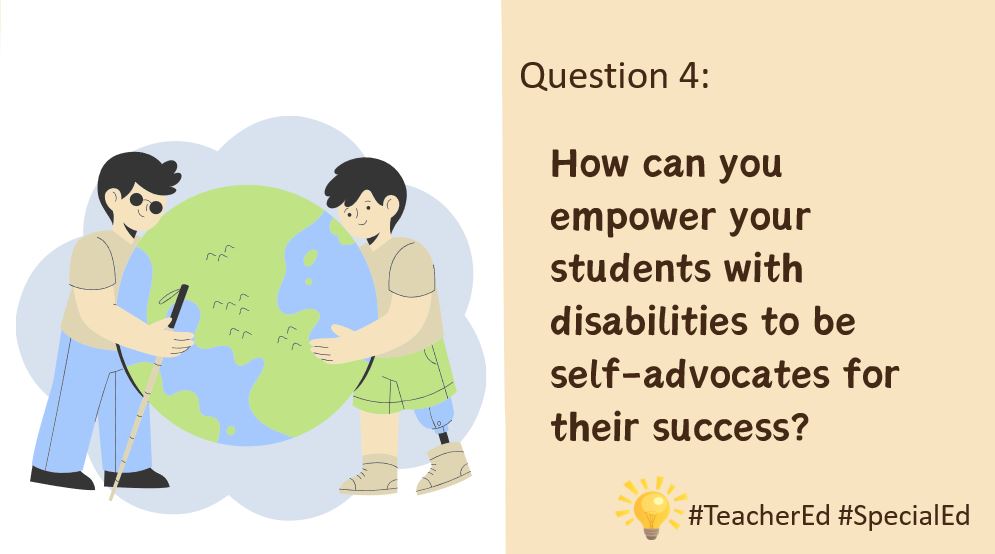
For Q4 think about what you’ve done or ideas you’d like to implement to help students be self-advocates, agents of their own success #TeacherEd#SpecialEd
@RutgersAltRoute Q3: In most lessons, the initial content is foundational. I try to focus on including struggling students at step 1. That way they get a confidence boost for the remainder of the lesson. #TeacherED#SpecialED
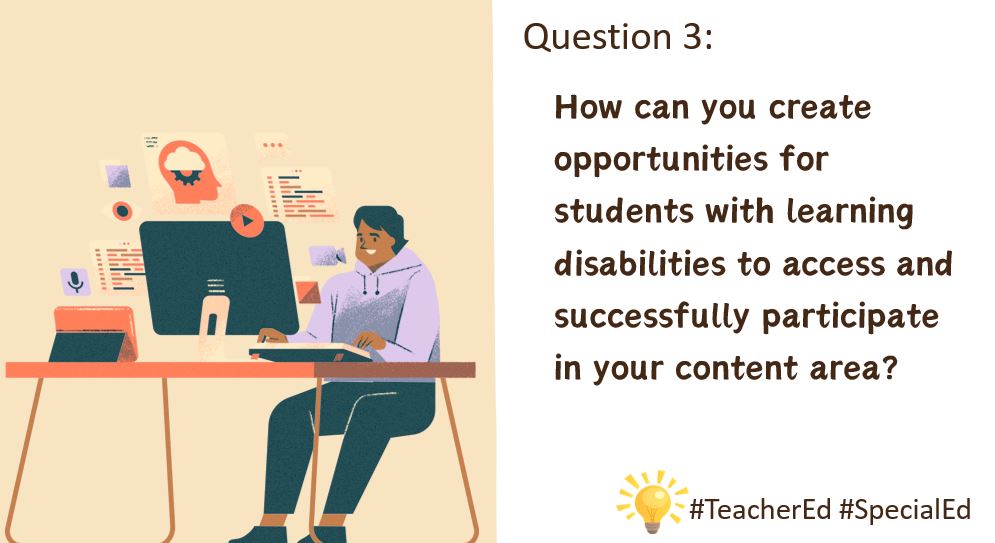
For Q3 be specific content area & how you support student success, for example, your classroom environment, assignments, and assessments #TeacherEd#SpecialEd
Tip: To connect with our teachers in your subject area, use the # for your content area, i.e #arted#mathchat#scichat
@RutgersAltRoute Q2: Some ideas would work for some, and not for others. It's good to have a variety of options to choose from in any situation. #TeacherED#SpecialED
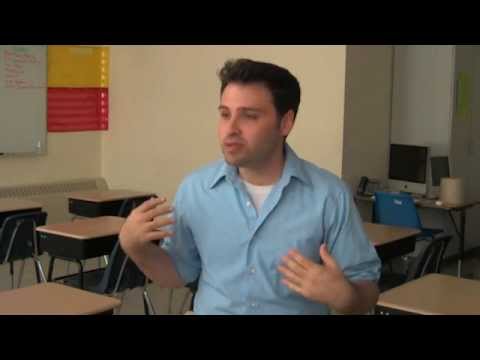
Dr. Jonas Bromberg & teacher Jon Weinberger discuss classroom strategies to support students with ADHD (youtube.com/watch?v=Dd62-e…) like providing fidget tools and offering checklists.
For Question 2 (Q2) consider what's worked or ideas you want to try #TeacherEd#SpecialEd
@RutgersAltRoute Q1: Large class sizes within small classrooms make it more difficult to move around and provide 1:1 support more frequently. #TeacherED#SpecialED
For Question 1 (Q1), reflect on your experience and current practices for creating an inclusive learning environment for students with learning disabilities. #TeacherEd#SpecialEd
@RutgersAltRoute Provide reminders about where to seek advice/help in way to access locations. Don’t just wait for problems to arise to provide guidance. #TeacherEd#SafeSchools
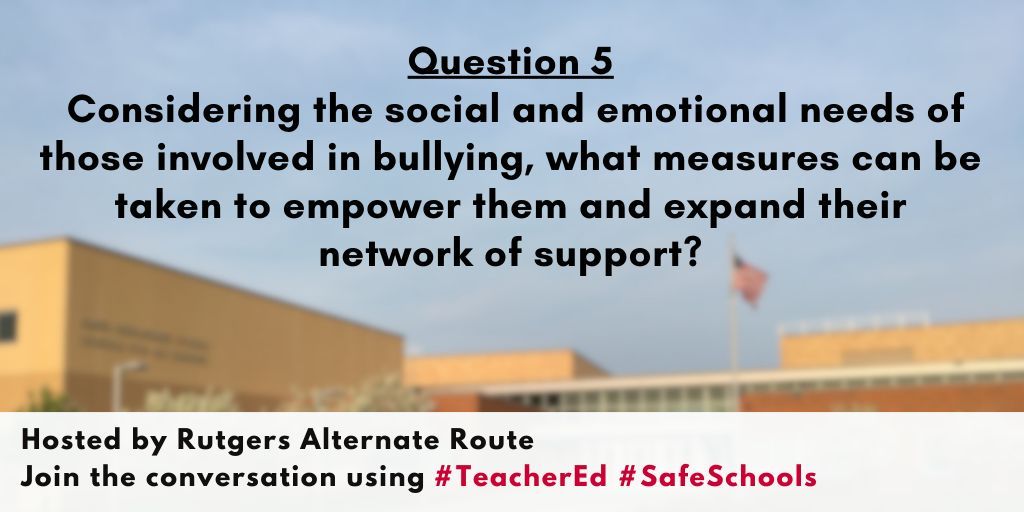
It's time for our 5th and final question for this #TeacherEd#SafeSchools chat. Think about the social and emotional needs of those involved in bullying to answer Q5. Students can bully others, they can be bullied, or they may witness bullying.
@RutgersAltRoute Harassment /bullying is a two way street. Even the bully should be treated with respect and care when handling situations. #TeacherEd#SafeSchools
For Q4, reflect on your understanding of harassment, intimidation, and bullying (HIB) gained through professional development training, readings, and personal experiences. #TeacherEd#SafeSchools
During last month's #EdTech chat, we discussed technology for collaboration. For Q3, share your high-tech and low-tech practices for collaborating with colleagues and students' families in support of a safe learning environment for all students #TeacherEd#SafeSchools
For Question 2 (Q2) reflect on your professional experience and the materials you've read. Consider the in-person and virtual learning environments #TeacherEd#SafeSchools
Let's get started with Question 1 (Q1) #TeacherEd#SafeSchools
When considering your "practices", you can think about:
- class rules,
- physical space of the classroom,
- learning strategies and tools you use, and
- the social and emotional skills you teach
For our 5th and final question, we want to think about your next steps. Consider how this professional learning community, including our panel of experts, can help you advance your teaching practices in support of student success. #TeacherEd#EdTech
@RutgersAltRoute Posting class information and assignments online empowers parents to be more hands on without needing special attention from teachers. #TeacherEd#EdTech
For Question 4, we want to hear your ideas for engaging families. Note if anything is specific to the grade level(s) & the subject(s) you teach that help you connect students’ out-of-school learning & lives to form partnerships with their families. #TeacherEd#EdTech
Collaboration with colleagues presents a valuable opportunity for both novice and veteran teachers to seek advice, wisdom, and assistance from their fellow educators. For Question 3, consider the role of technology in your professional practices #TeacherEd#EdTech
@RutgersAltRoute Students have a vast supply of information and practice problems to learn from online, however, solving math problems without pencil and paper is more difficult. Teaching students how to work between a computer screen and physical paper is a key step to take. #TeacherEd#EdTech
Although laptops & e-resources have become more widely available for use in the past few years, research indicates that adequate preparation & training are key factors in the adoption & effectiveness of ed tech. For Question 2, we want to hear your experiences. #TeacherEd#EdTech
@RutgersAltRoute I try to avoid using tech in the classroom whenever possible. That being said, a solid youtube tutorial is good for when students are not in the classroom #TeacherEd#EdTech
For question 1, consider your current use of technology in your classroom
instruction. Be specific to your content area and grade level.
Remember to use #TeacherEd#EdTech in your responses so others will see your post as part of the chat.