Nick Manteris

198 posts

Nick Manteris banner
Nick Manteris

Nick Manteris

@thecostofwork

Why a regular paycheck used to cover a regular life and doesn't anymore. Restaurant server. Reader. Writing about what the economic debate keeps leaving out.

Texas انضم Nisan 2026
52 يتبع23 المتابعون
تغريدة مثبتة
Nick Manteris
Nick Manteris@thecostofwork·
How many hours of your life does a house cost? The answer used to be very different. It changed, and it didn't change because you stopped working hard enough.
English
1
1
2
73
Nick Manteris
Nick Manteris@thecostofwork·
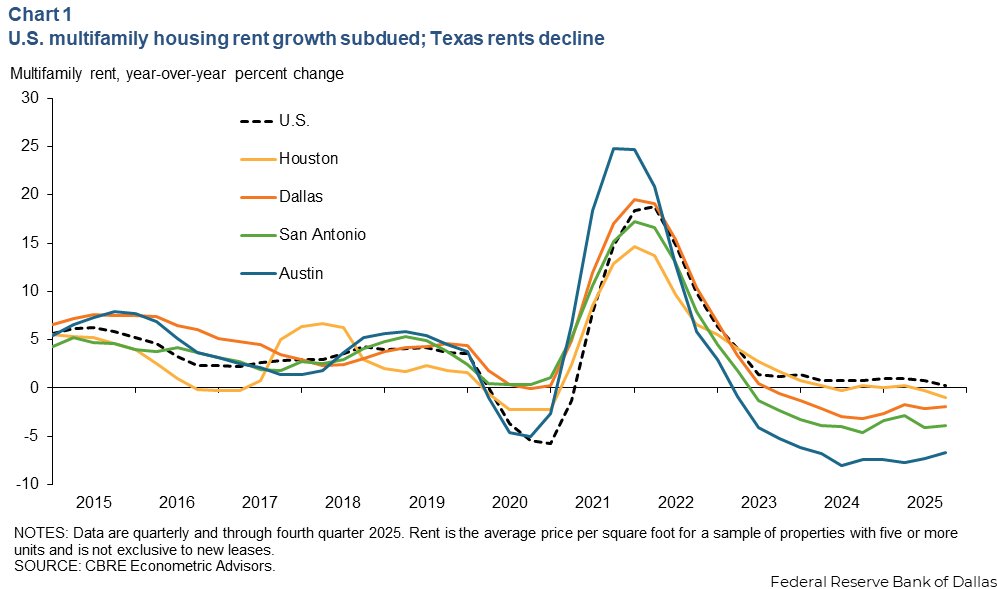
@scottlincicome Austin rents spiked 25% in 2021-2022 during the cheap-money building boom. Now they're negative. The same cities that had the most credit-fueled construction are the ones where rents are falling. Supply matters. What funded the supply matters more.
English
0
0
0
36
Scott Lincicome
Scott Lincicome@scottlincicome·
"Rents have declined across Texas due to excess rental property supply (Chart 1). The sharpest rent drops in the state have been in Austin, San Antonio and Dallas." dallasfed.org/research/swe/2…
Scott Lincicome tweet media
English
1
10
18
4.5K
Nick Manteris أُعيد تغريده
Nick Manteris
Nick Manteris@thecostofwork·
How many hours of your life does a house cost? The answer used to be very different. It changed, and it didn't change because you stopped working hard enough.
English
1
1
2
73
Nick Manteris
Nick Manteris@thecostofwork·
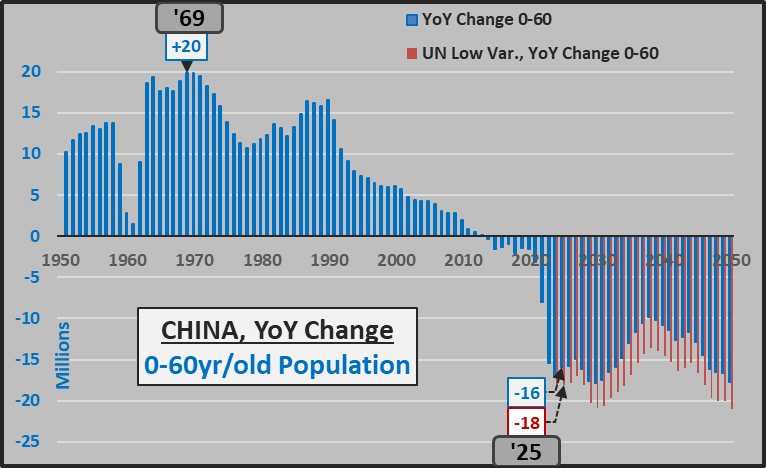
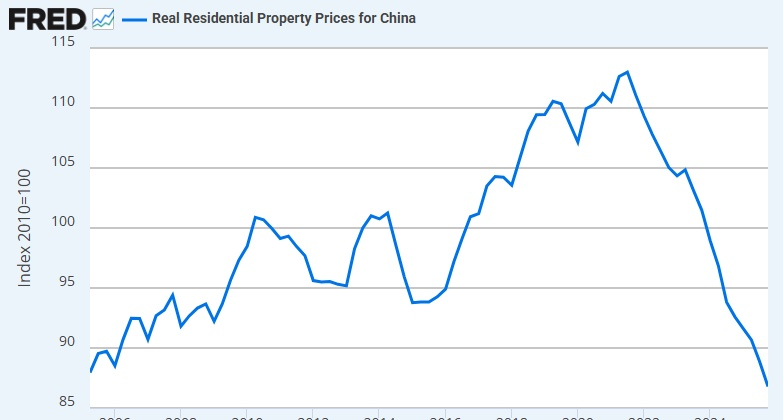
Credit expansion inflated the asset. Demographic collapse removes the buyers. Both forces run in the same direction now. The families who concentrated 70% of their wealth in real estate during the boom are holding an asset with a shrinking pool of future buyers. The pattern isn't Chinese. It's monetary.
English
0
0
0
15
CH
CH@Econimica·
@jacksonhinklle tell me when this price decline stops based on massive oversupply and collapsing potential inhabitants?
CH tweet media
English
4
0
6
1.7K
Jackson Hinkle 🇺🇸
Jackson Hinkle 🇺🇸@jacksonhinklle·
🇨🇳 Housing prices in China are FALLING! “Houses are for living in, not for speculation.” - Xi Jinping
Jackson Hinkle 🇺🇸 tweet mediaJackson Hinkle 🇺🇸 tweet media
English
155
1.1K
7.1K
148.4K
Nick Manteris
Nick Manteris@thecostofwork·
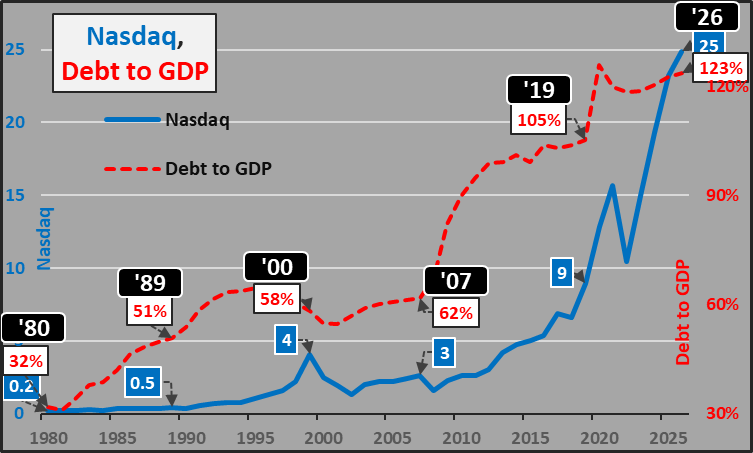
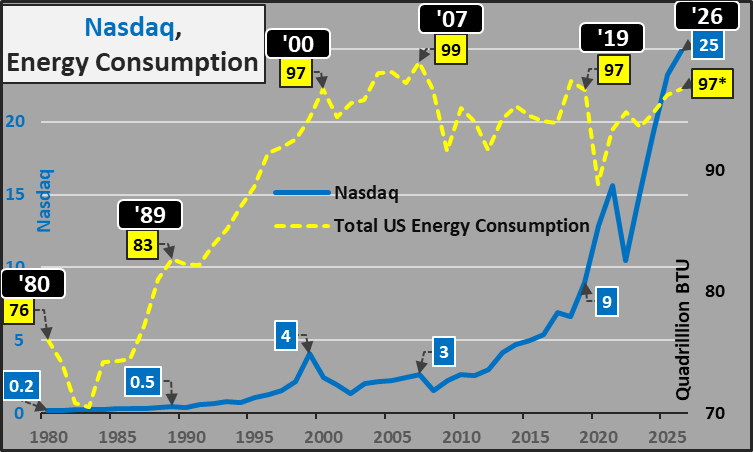
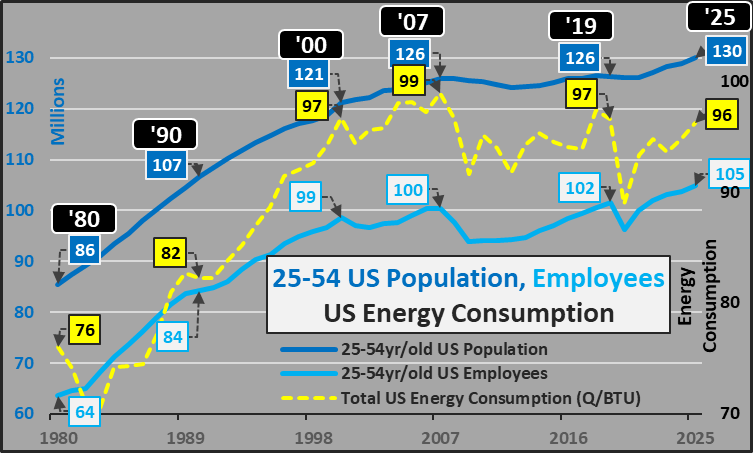
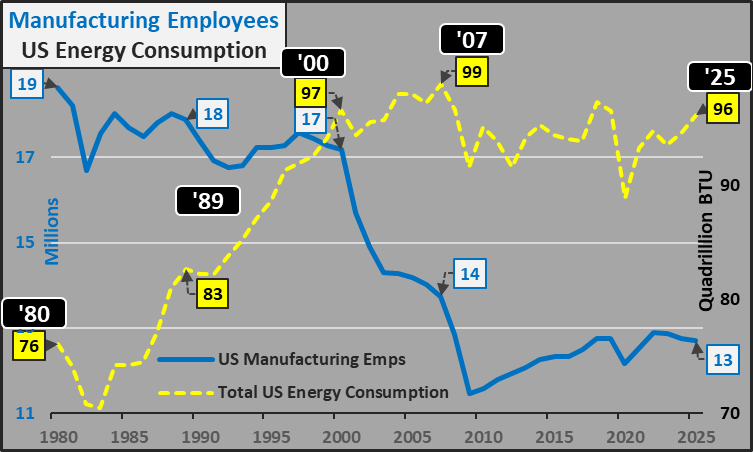
The top left chart is the one. Nasdaq tracks debt-to-GDP, not energy, not population, not manufacturing employment. Asset prices are measuring money creation, not economic activity. Meanwhile, wages track the real indicators while the cost of living tracks the financial ones. That's the gap nobody can close from the inside.
English
0
0
0
7
CH
CH@Econimica·
if demographics and energy consumption are the best, truest indicators of real economic activity...inversely heading US debt to GDP and asset valuations may be in trouble...unless debt to GDP growth (absent energy consumption growth or working age population growth) can go on indefinitely?
CH tweet mediaCH tweet mediaCH tweet mediaCH tweet media
English
2
1
9
854
Nick Manteris
Nick Manteris@thecostofwork·
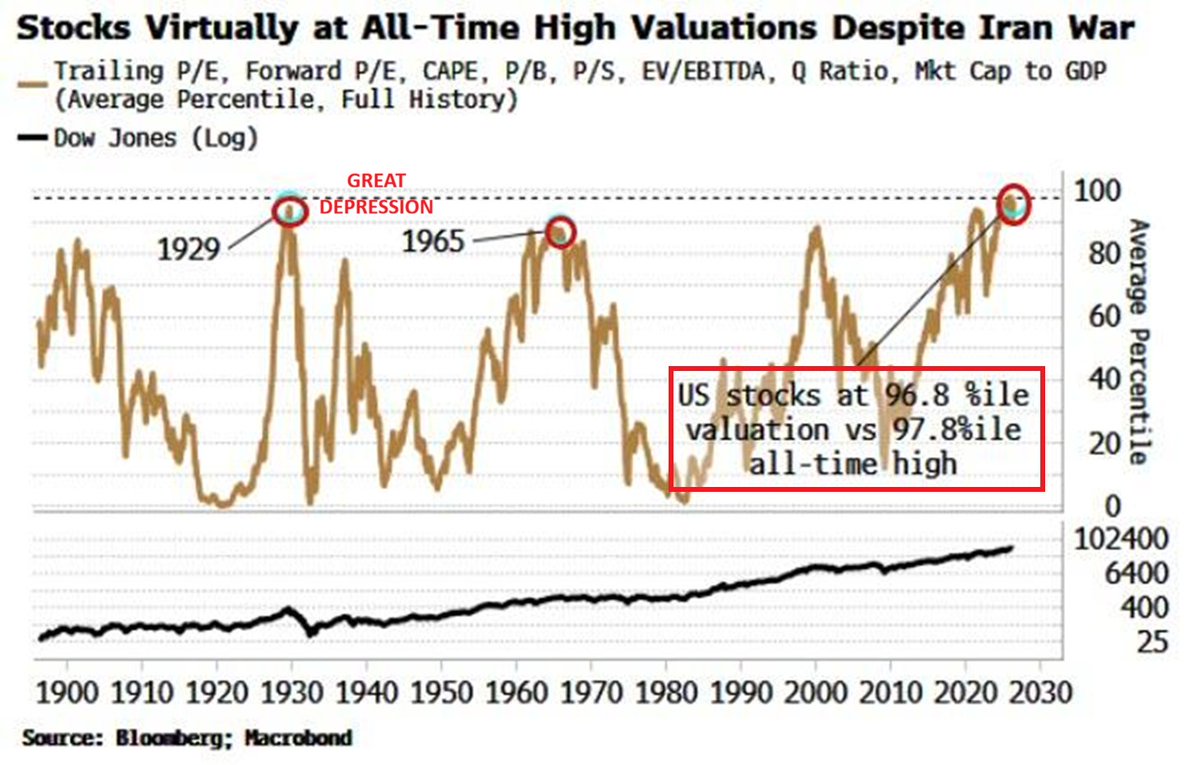
The chart asks 'how does it all resolve?' but notice what drives each peak. 1929 followed a decade of credit expansion. 1965 preceded the inflation that ended Bretton Woods. Today follows the largest monetary expansion in history. Valuations aren't stretched because companies are overpriced. They're stretched because the unit they're priced in was expanded faster than the economy underneath it.
English
0
0
0
9
Global Markets Investor
Global Markets Investor@GlobalMktObserv·
🚨US stocks are nearly as expensive as they have ever been: US stock valuations are now more stretched than 96.8% of all readings in market history. This composite valuation score averages 7 key metrics, including the trailing P/E, forward P/E, CAPE, price-to-book, price-to-sales, EV/EBITDA, and market cap to GDP. The only two times valuations were comparably STRETCHED were in 1929, before the Great Depression, and 1965, before the Great Inflation period started. Both periods preceded prolonged and PAINFUL market drawdowns. At these levels, there is very little margin for error if earnings disappoint or interest rates go higher for longer. How does it all resolve?
Global Markets Investor tweet media
English
14
55
138
7.7K
Nick Manteris
Nick Manteris@thecostofwork·
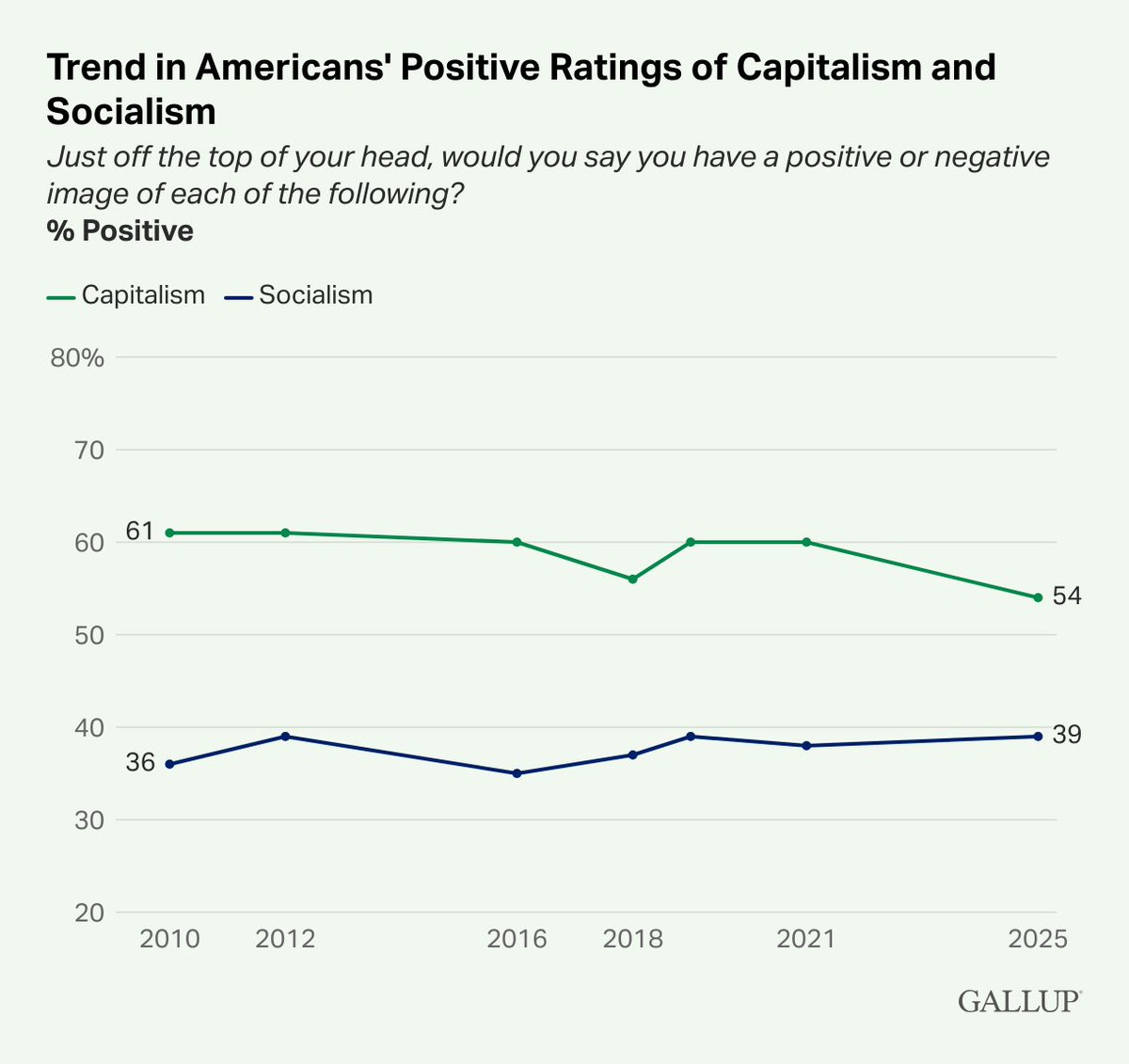
People don't dislike free exchange. They dislike what they're experiencing. When 'capitalism' means your rent doubles while your landlord's costs didn't change, the word stops meaning free markets and starts meaning whatever this is. The gap between 95% liking small business and 54% liking capitalism is the gap between the system they believe in and the system they live under.
English
1
0
0
20
Nick Manteris
Nick Manteris@thecostofwork·
@AndrewYang “Generally speaking, if you tax something you get less of it; if you subsidize something you get more of it.” ~Jack Kemp (1977)
English
0
0
0
30
Nick Manteris
Nick Manteris@thecostofwork·
'AI will reduce prices and make wages worth more.' Every productivity gain in the last 50 years should have done that. Manufacturing output per worker tripled. Electronics got thousands of times cheaper to produce. Prices in those sectors fell. Housing, healthcare and education got cheaper to deliver too. Those prices rose. The question isn't whether AI will increase output. It will. The question is whether the gains reach the household or get absorbed before they arrive. The track record is not encouraging.
English
0
0
0
16
David Scott Patterson
David Scott Patterson@davidpattersonx·
Yang is wrong. You don't get more jobs by incentivizing work. You get more jobs by incentivizing job creation. When AI starts replacing jobs, there will be two natural incentives to work: unemployment and the fact that AI will increase economic output, reduce prices, and make wages worth more. There will be no need to reduce personal income taxes to incentivize work. Instead, we should reduce business and capital gains taxes to incentivize job creation.
Andrew Yang🧢⬆️🇺🇸@AndrewYang

If we want more jobs, why are we taxing human labor? blog.andrewyang.com/p/tax-the-bots
English
6
0
14
1.4K
Nick Manteris
Nick Manteris@thecostofwork·
In 2013, 45% expected to buy within five years. Now it's 25%. The 'not in the foreseeable future' line just crossed above both. Homes didn't get scarcer. They got more expensive relative to wages. The same house requires twice the work hours it did in 1970. People aren't giving up on homeownership. The math is giving up on them.
English
0
0
1
32
Gallup
Gallup@Gallup·
The share of U.S. non-homeowners who expect to buy a home within five years has dropped to 25%, the lowest Gallup has measured in seven readings since it began asking the question in 2013.
Gallup tweet media
English
2
41
54
6.4K
Nick Manteris
Nick Manteris@thecostofwork·
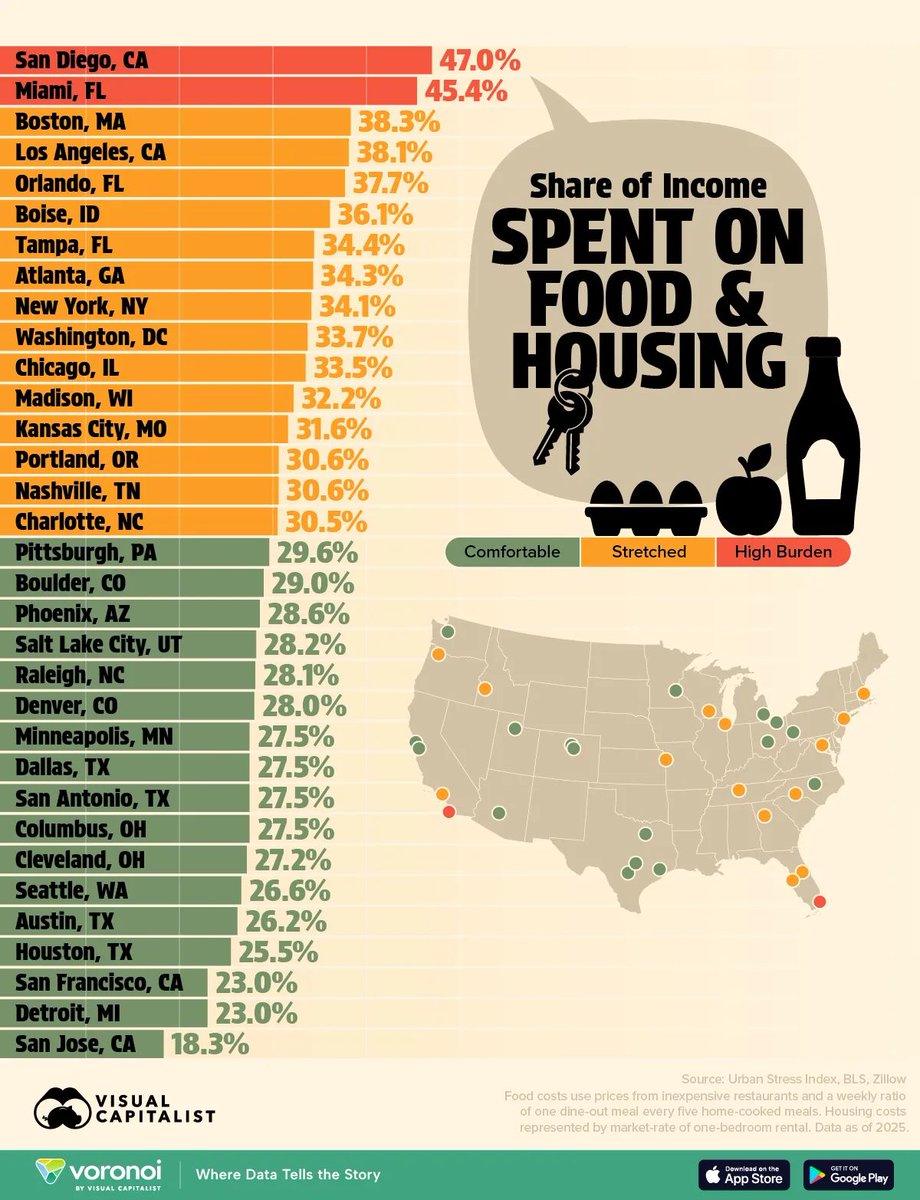
Food got cheaper to produce. Housing got cheaper to build. Both take a larger share of income than they did 30 years ago. The cost of delivering these things fell. The price of buying them didn't. That gap isn't explained by the cities. It's the same gap in every city on the list.
English
0
0
0
79
Nick Manteris
Nick Manteris@thecostofwork·
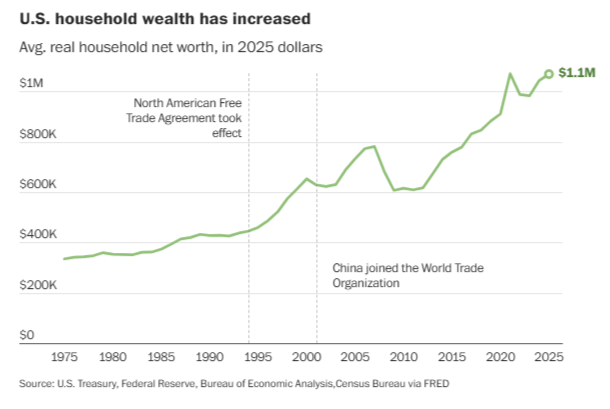
Average net worth is driven by asset prices. The top 10% holds 67% of all household wealth. When home prices and stocks rise, the average rises even if the median household gained nothing. Median net worth for households under 35 tells a different story. The average is real. It's also misleading.
English
0
0
0
17
Scott Lincicome
Scott Lincicome@scottlincicome·
"If trade deficits drain wealth from a country, Americans’ average real net worth would have fallen over the past half-century. Instead, even after accounting for growing government debt, it has risen significantly." 😮washingtonpost.com/opinions/2026/…
Scott Lincicome tweet media
English
5
27
90
6.1K
Nick Manteris
Nick Manteris@thecostofwork·
@CatoInstitute @HumanProgress Resources got more abundant. So why does the median family feel more squeezed? Because abundance measures what the economy produces. It doesn't measure who gets it. Production rose. Prices didn't fall. The gap between those two facts is the whole story.
English
0
0
0
26
Cato Institute
Cato Institute@CatoInstitute·
For every 1% increase in global population, population-level resource abundance grew by about 6.3% — according to @HumanProgress's new Simon Abundance Index. More people doesn’t mean more scarcity; it means more ideas, innovation, and problem-solving capacity. Learn more from @Marian_L_Tupy. ow.ly/wbmN50YPtgJ
English
2
25
134
36.5K
Nick Manteris
Nick Manteris@thecostofwork·
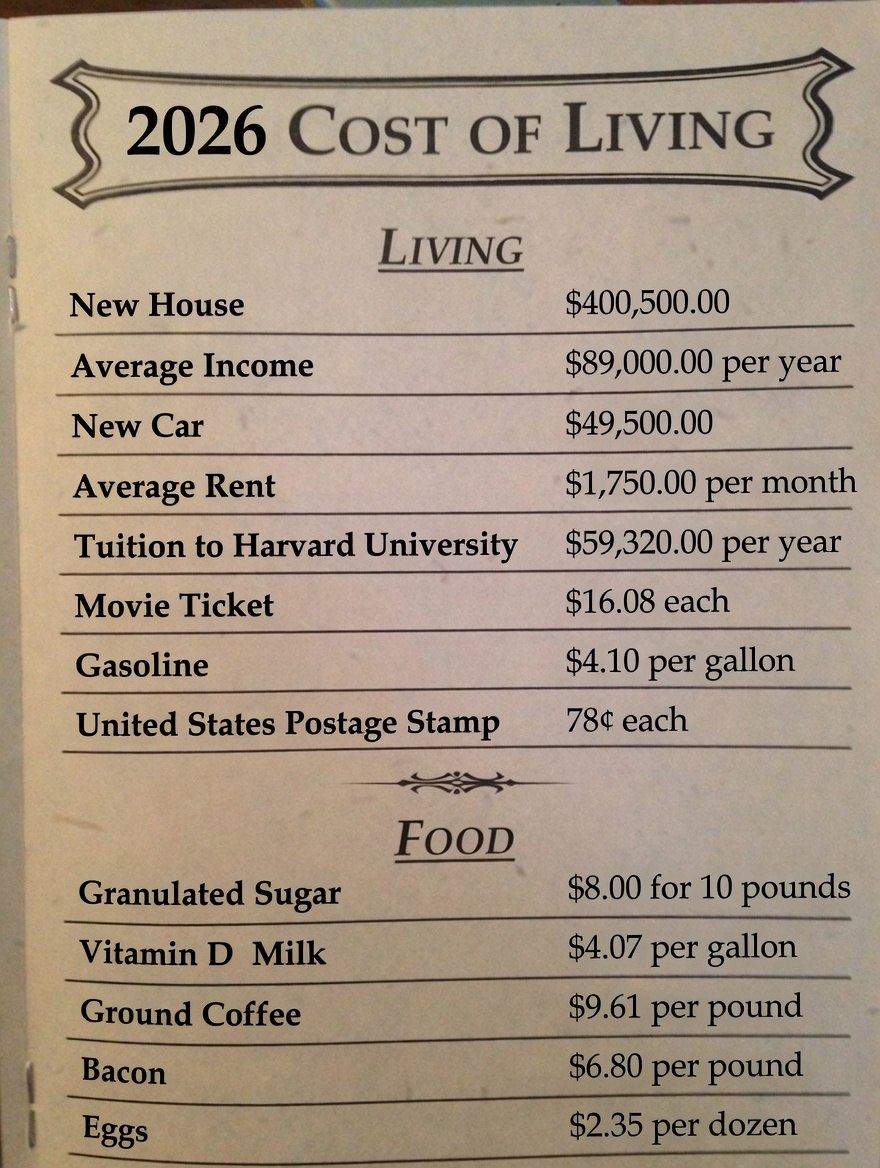
@eyezenhour The items that rose the most (housing, tuition, cars) are all financed with credit. The items that rose the least (food, stamps) are paid in cash. The gap between the two groups isn't random. It tracks which sectors the financial system touches most.
English
0
0
1
18
eye zen hour 🥶
eye zen hour 🥶@eyezenhour·
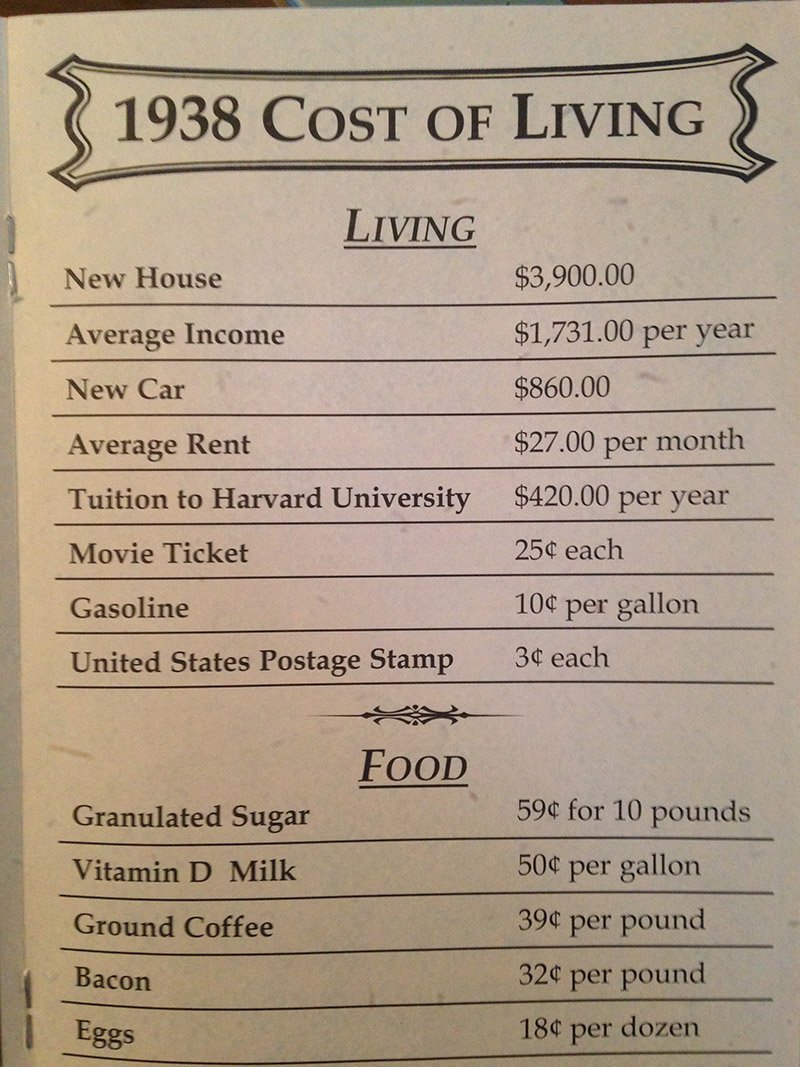
The American Dream isn't dead It's just not realistic for 99% now Cost of Living Difference over 88 years: 📈 New House: 10,169% 📈 New Car: 5,655% 📈 Average Rent: 6,381% 📈 Harvard Tuition: 14,023% 📈 Movie Ticket: up 6,332% 📈 Gasoline: 4,000% 📈 Stamp: up 2,500% 📈 Sugar: up 1,255% 📈 Milk: 714% 📈 Ground Coffee: 2,364% 📈 Bacon: 2,025% 📈 Eggs: 1,205% Meanwhile, income only increased 5,041% Income kept pace on paper Life didn’t Housing, rent, cars, and college exploded far beyond wages. So people earn more, but the milestones got harder to reach No wonder ever gen Z kid is trying to gamble their way out on Polymarket or sports betting or memecoins
eye zen hour 🥶 tweet mediaeye zen hour 🥶 tweet media
English
23
89
275
24.8K
Nick Manteris
Nick Manteris@thecostofwork·
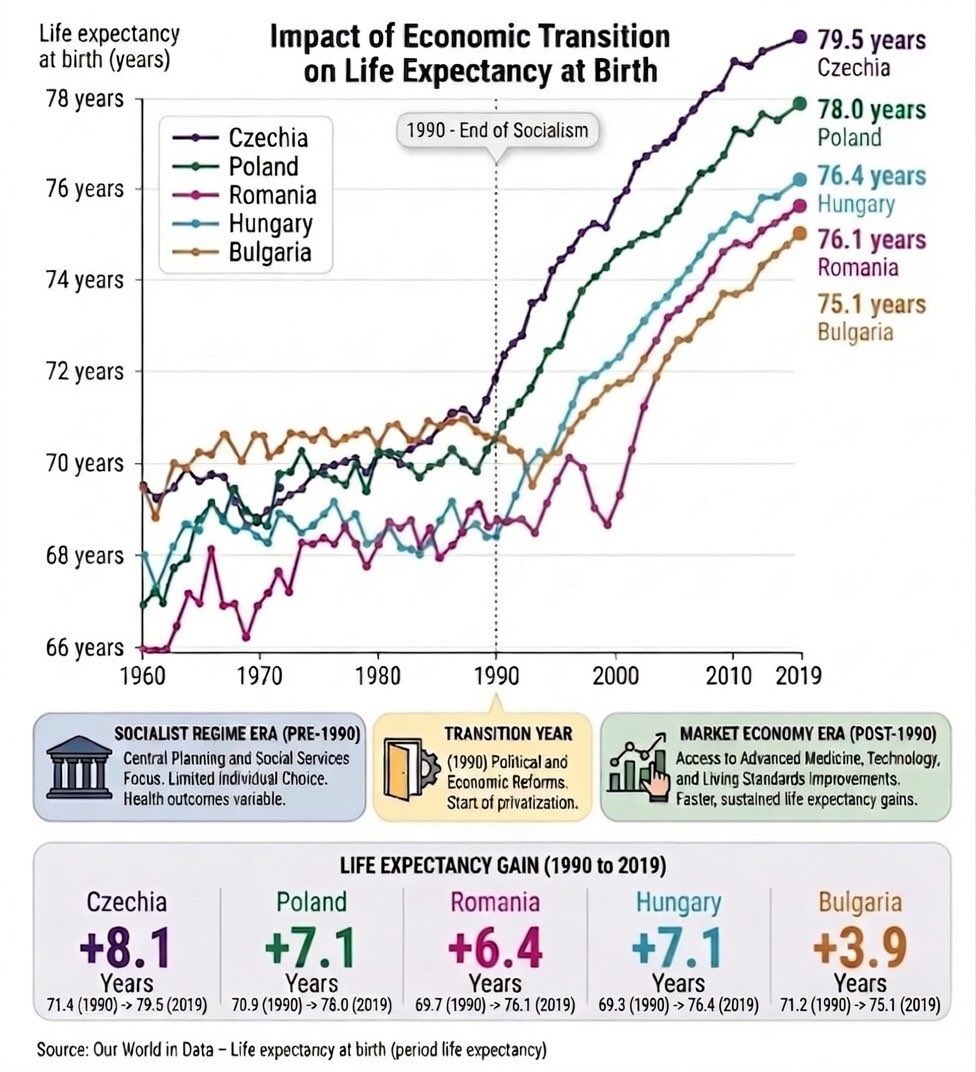
@MichaelAArouet The part of this chart nobody mentions: US life expectancy peaked in 2014 and has been declining since. The country that won the Cold War is now moving in the wrong direction while the countries that lost it keep climbing. Whatever is causing that isn't socialism.
English
0
0
2
41
Michael A. Arouet
Michael A. Arouet@MichaelAArouet·
This is by far the most powerful chart showing the difference between socialism and capitalism. It’s not only about differences in wealth and prosperity, life expectancy improvement under capitalism is literally off the charts. Can you take naive Western socialists seriously?
Michael A. Arouet tweet media
English
52
215
529
28.5K
Nick Manteris
Nick Manteris@thecostofwork·
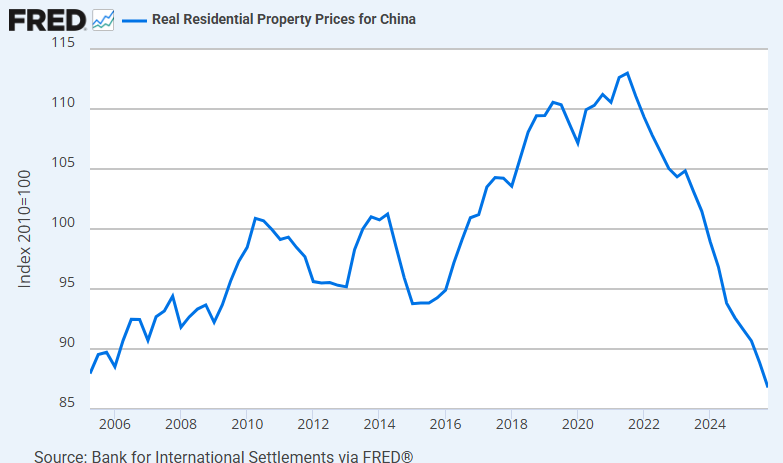
@Hedgeye Different political system. Different culture. Different regulatory structure. Same pattern: credit expansion inflates an asset class, families concentrate their wealth in it, the asset deflates, and the families hold the loss. The pattern is monetary, not national.
English
0
0
4
4.5K
Hedgeye
Hedgeye@Hedgeye·
🚨 China's Real Estate Market has erased all gains from the last 20 years
Hedgeye tweet media
English
892
1.9K
11.3K
8.3M
Nick Manteris
Nick Manteris@thecostofwork·
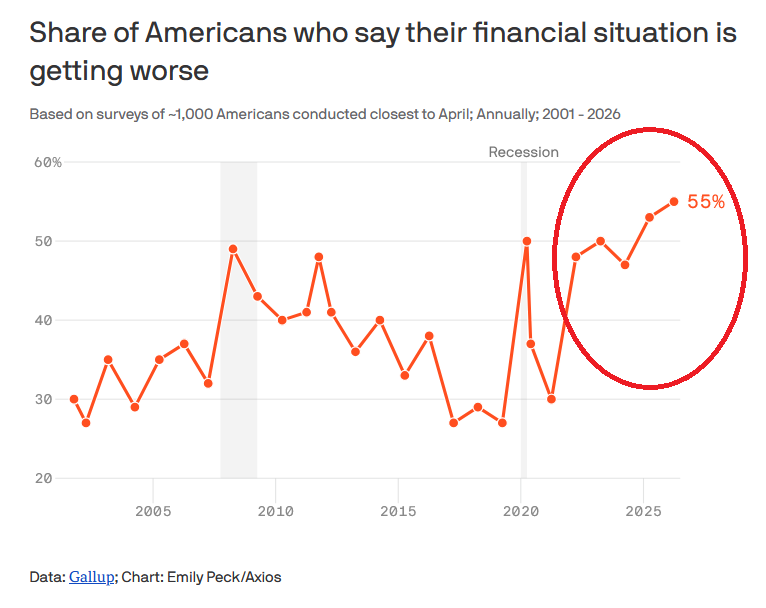
@GlobalMktObserv 55% say it's getting worse. The number was 30% in 2003. Wages rose over that period. GDP rose. Productivity rose. The economy got bigger and the people inside it got worse off. That's not a recession. It's the system working as designed.
English
0
0
3
109
Global Markets Investor
Global Markets Investor@GlobalMktObserv·
🚨Americans have NEVER been this pessimistic about their finances: 55% of Americans say their financial situation is getting worse, up from 53% last year and 47% in 2024, the highest since Gallup began tracking in 2001. This is the 5th consecutive year that more Americans say their finances are worsening than improving, surpassing even the readings seen during the 2020 Crisis and the Great Financial Crisis The cost of living tops the list of financial concerns at 31%, while energy costs rose to 13% of mentions, up +10 percentage points YoY, the highest since 2008. Meanwhile, the average gas price rose to $4.18 per gallon, the highest since 2022, per AAA. American wallets are under pressure from nearly all sides.
Global Markets Investor tweet media
English
14
58
149
15.6K
Nick Manteris
Nick Manteris@thecostofwork·
Every pension and entitlement system was built assuming a growing population of workers funding a smaller population of retirees. That ratio is collapsing. The systems were already underfunded before the demographic shift. Fewer workers paying into programs that were never solvent to begin with.
English
0
0
0
4
Jesús Fernández-Villaverde
Jesús Fernández-Villaverde@JesusFerna7026·
I’m sharing my slide deck on the demographic future of humanity, 🔗 Slides: sas.upenn.edu/~jesusfv/Slide… prepared for the keynote address I will give tomorrow to the 7th EBRD and CEPR Research Symposium on “The Economics of Demographic Change”: 🔗 Symposium: ebrd.com/home/news-and-… Here are a few key ideas I’ll be discussing tomorrow, some of which even economists tracking population trends may not fully appreciate: 1️⃣ Fertility is falling everywhere: rich and poor countries alike, booming and stagnating economies, secular and religious societies. The decline is happening far faster than anyone anticipated, even me, ten years ago! 2️⃣ For example, Colombia’s fertility rate is 1.06, Iran’s is 1.44, and Turkey’s is 1.48, all of which are below the U.S. 3️⃣ The decline accelerated around 2014, well before the COVID pandemic. 4️⃣ As a result, humanity’s fertility is likely already below the replacement rate. 5️⃣ Many assume the replacement rate is 2.1 children per woman. That’s true for rich, advanced economies. But not for emerging economies, where selective abortion and higher young female mortality push the replacement rate higher. Thus, for humanity, the replacement rate is closer to 2.2. 6️⃣ The 2024 UN World Population Prospects are riddled with data and forecasts that, frankly, make little sense to my coauthor Patrick Norrick (at @AEI) and me. 7️⃣ Most of the differences in economic growth among advanced economies over the past 35 years can be attributed to demographic factors. Once adjusted for this, Japan’s economic performance is roughly on par with the U.S. (See my paper with Gustavo Ventura, @King_ofSweden, and Wen Yao, The Wealth of Working Nations): 🔗sciencedirect.com/science/articl… There are many other ideas (I could talk about this for hours!), but here’s the punchline: the world’s fertility crisis is worse than you thought, even after considering you already thought it was bad.
Jesús Fernández-Villaverde tweet media
English
134
733
2.8K
1.2M
Nick Manteris
Nick Manteris@thecostofwork·
The Boomers aren't wrong that the world they built worked. It did. The part they can't see is that it stopped working for structural reasons, not cultural ones. The same house, the same job, the same discipline produces a different outcome now. That's not relativism. The math changed.
English
0
0
0
29
Chris Arnade 🐢🐱🚌
Chris Arnade 🐢🐱🚌@Chris_arnade·
I've written for the last decade about the educational divide in the US, but culturally there is now a large divide between generations — specifically those over sixty versus basically everyone else. The sixty-plus cohort (Boomers which I'm at the very tail end of) have a lot more certainty that they've discovered the Truth — or the high point, and often end point, of many things. From music (rock will always be here), to fashion (why would anyone wear anything but blue jeans), to politics (liberal democracy with emancipation from all forms of obligation as a human Telos). Younger people are much more uncertain and relativistic. They don't accept the claim that it's been solved, and the Boomers' rigidity and religious-like certainty seems to them either laughably naive or arrogantly condescending. The Boomers see everyone else as having fallen away from the path to historical perfection they paved, and are uniformly angry about that. What most of the Boomers miss is that the younger generation is living in the world they built — of hyper-individuality, of smashing of prior norms, and of moral relativism. This post-truth, post-gatekeeping, hyper-partisan world is an endpoint of their worldview, and yet they are angry about it.
English
95
91
957
113K
Nick Manteris
Nick Manteris@thecostofwork·
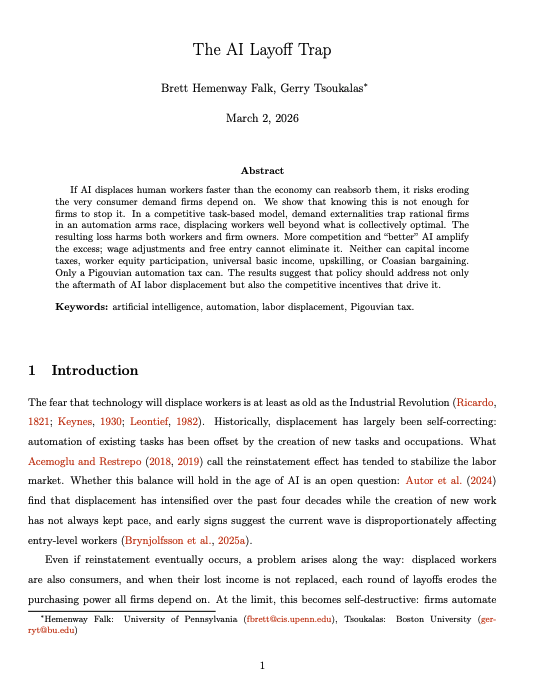
@AiwithYasir The paper identifies the problem: companies that automate destroy the demand their products need. What it doesn't ask is where the productivity gains go. Every previous wave of automation made things cheaper to produce. Prices didn't fall. The gains went somewhere.
English
0
0
0
779
Yasir Ai
Yasir Ai@AiwithYasir·
🚨BREAKING: Two researchers from UPenn and Boston University just published a paper that should be uncomfortable reading for every CEO automating their workforce right now. The argument is straightforward. Every company replacing workers with AI is also eliminating its own future customers. Laid off workers stop spending. Enough of them stop spending and nobody can afford to buy anything. The companies that fired everyone end up selling into an economy with no purchasing power left. Every executive can see this. The math is not complicated. But here is why nobody stops. If you do not automate, your competitor does. They cut costs, lower prices, take your market share, and you collapse anyway. So every company automates knowing it is collectively destructive because the alternative is dying alone while everyone else survives. The researchers proved this is a Prisoner's Dilemma playing out in real time. The numbers are already moving. Block cut nearly half its 10,000 employees this year. Jack Dorsey said AI made those roles unnecessary and that within the next year the majority of companies will reach the same conclusion. Salesforce replaced 4,000 customer support agents with AI. Goldman Sachs deployed a coding tool that lets one engineer do the work of five. Over 100,000 tech workers were laid off in 2025 and AI was cited as the primary driver in more than half those cases. 80% of US workers hold jobs with tasks susceptible to AI automation. The researchers tested every proposed solution. Universal basic income does not change a single company's incentive to automate. Capital income taxes adjust profit levels but not the per-task decision to replace a human. Collective bargaining cannot hold because automating is always the dominant strategy. They also identified what they call a Red Queen effect. Better AI does not solve the problem, it accelerates it. Every company chases faster automation to gain market share over rivals but at the end everyone has automated equally, the gains cancel out, and the only thing left is more destroyed demand. The one thing the math says could work is a Pigouvian automation tax. A per-task charge that forces companies to account for the demand they destroy each time they replace a worker. The conclusion is that this is not a transfer of wealth from workers to owners. Both sides lose. Workers lose income. Companies lose customers. It is a deadweight loss with no market mechanism to stop it on its own. (Link in the comment)
Yasir Ai tweet media
English
625
4.3K
12.2K
3.2M
Nick Manteris
Nick Manteris@thecostofwork·
@Barchart The national average is 25%. Three quarters of a median family's income gone before they save a dollar. In Hawaii it's 91%. In 1971 the number was different. Nobody tracks the comparison.
English
0
0
0
27
Barchart
Barchart@Barchart·
How Much Income Americans Keep After Expenses and Taxes by State 🚨
Barchart tweet media
English
16
56
244
32K