Angehefteter Tweet
aertime
12.2K posts


aertime
@AERTIME
glitch / post-digital artist exhibited: art basel • tokyo • paris • nyc • rome • lisbon • shanghai. collect the simulation: https://t.co/jSXTRfDIm1
wisconsin Beigetreten Eylül 2009
2K Folgt4.2K Follower

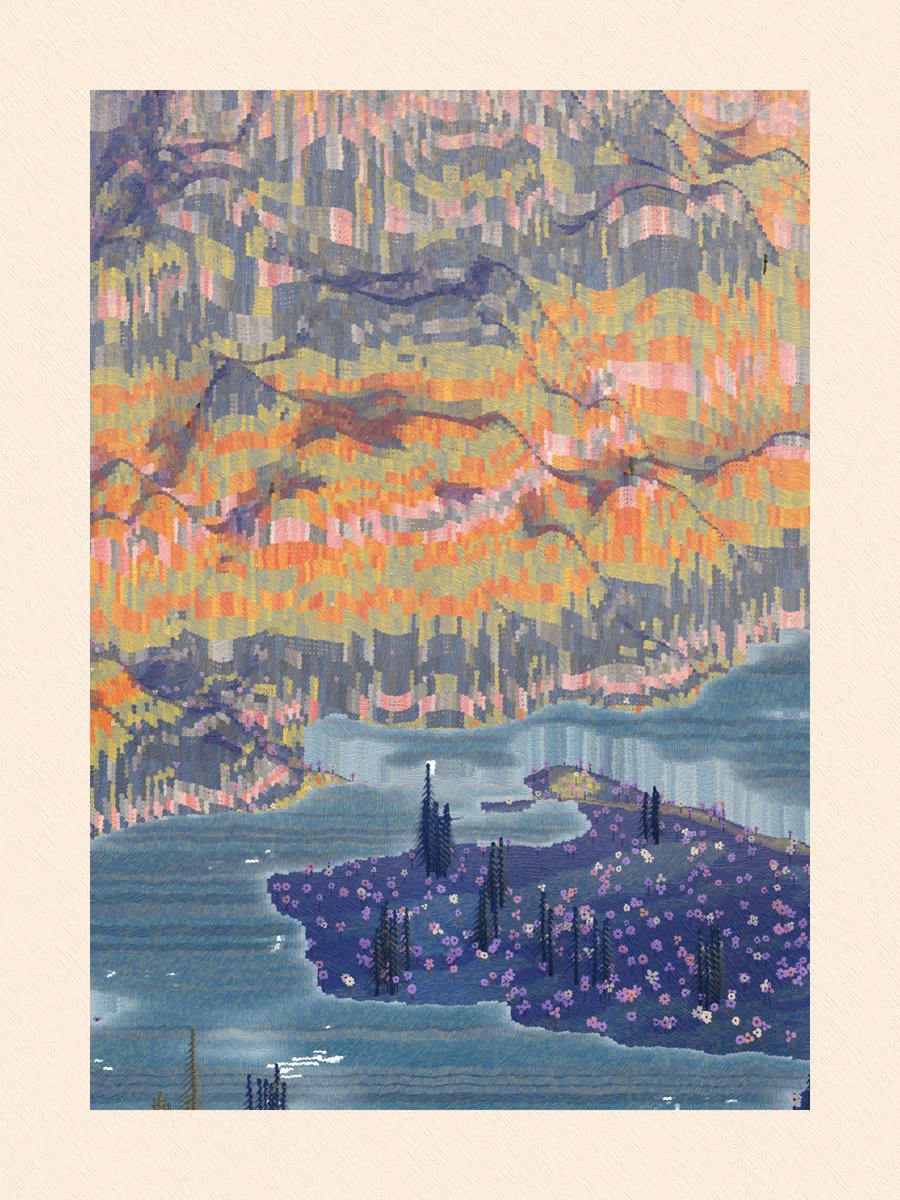
This series continues to grow and evolve, as is natural in my collections. This is a 1/1 scale piece for only 52 tz
English


This is incredible. How I perceive it is that this kid cares nothing about clavicular or looksmaxxing at all but sees his platform as a vehicle to uplift his ultimate god : Pepsi
Clavicular News@ClavicularNews
Clavicular meets his biggest supporter who donated him over 2000 subs ($10,000) on Kick 😳
English
@krystalball andrew built a multimillion dollar self-funded gonzo journalism media company and is ruthlessly filming new content while being on tour to promote it all. of course a kid whose tried to build his wealth on capitalizing on the insecurity of young people would feel intimidated.
English
Andrew’s lack of self-loathing spiked Clav’s cortisol
FearBuck@FearedBuck
Clavicular ends and walks out of his Channel 5 interview with Andrew Callaghan after Andrew reveals he’s satisfied with how he looks and doesn’t need looksmaxxing
English
@AFJorahh @AutisticClip i don't, but part of dude's brand is wearing weird suits. clearly an outfit for the cameras. i'm just saying wearing a hat isn't some weird indicator of not being peak looksmaxxed or w/e strange internet philosophy y'all are slurping up via algos targeting your own insecurities
English


ClavicuIar ended his interview with Channel 5’s Andrew Callaghan early and said he is disingenuous and a bad interviewer 😳😭
English
@AFJorahh @AutisticClip im 36 years old, have no issue with hair loss and i like wearing hats because they feel comfortable. you kids need to log off and reevaluate life. simping for streamers is weird af.
English
@AutisticClip “i’m completely satisfied with my looks”
-continues to put a hat on the second he’s done filming to cover his balding hair
English






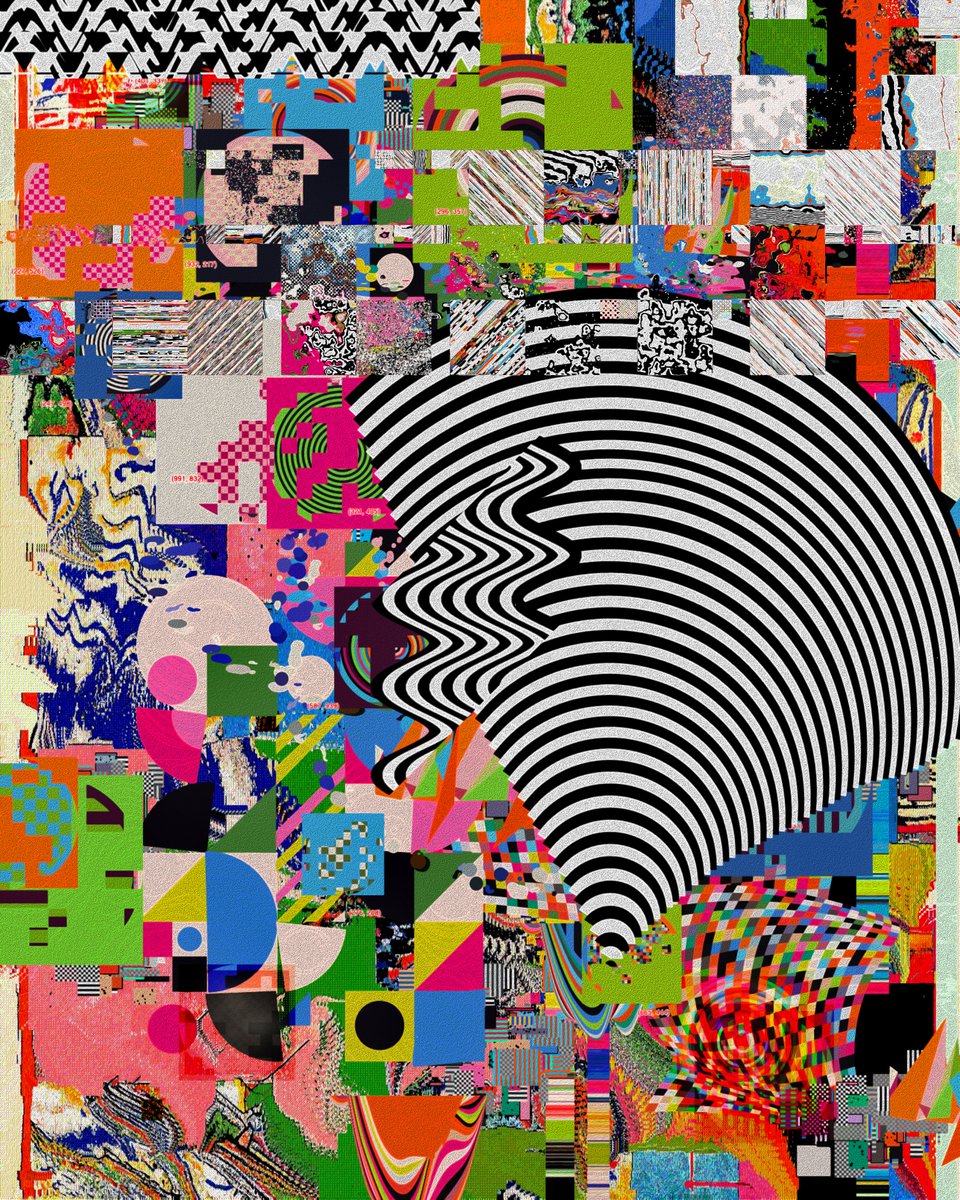
@tropicalvirtual appreciate you man! digging through some of my old sketches and sending them through my new tool. fun process.
English


@exchgART @legoodsociety @irenedantoArt @_ryab666 @metpenfaul @seray_ai @danaAfanego @lucianaguerraok congrats y’all!
English

From an open call featuring artists across 50+ countries and 6 continents, 6 artworks have been selected.
Meet the artists showcasing during @legoodsociety ‘s Rotterdam Billboard Exhibition:
@irenedantoArt
@_ryab666
@metpenfaul
@seray_ai
@danaAfanego
@lucianaguerraok
Soon, their work will take over the city.
Congratulations 🎊
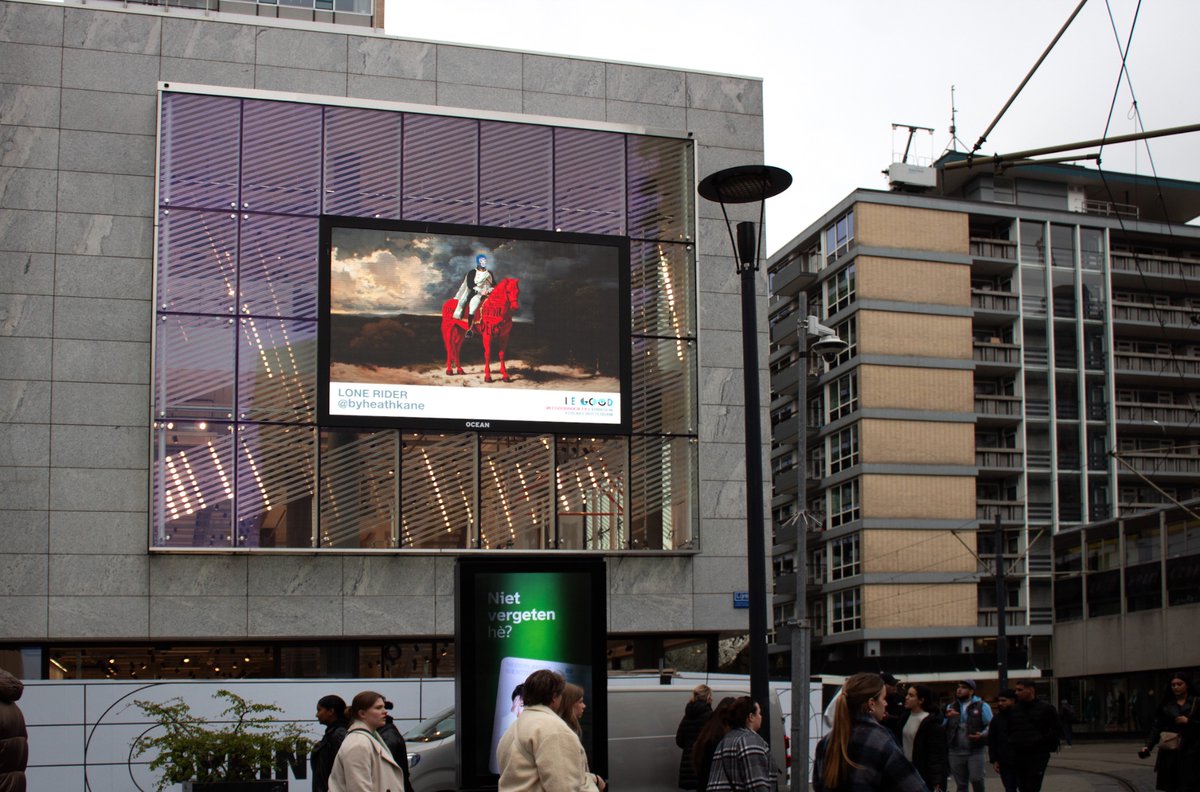
English

so stoked on this 👏👏👏
Exchange Art@exchgART
From an open call featuring artists across 50+ countries and 6 continents, 6 artworks have been selected. Meet the artists showcasing during @legoodsociety ‘s Rotterdam Billboard Exhibition: @irenedantoArt @_ryab666 @metpenfaul @seray_ai @danaAfanego @lucianaguerraok Soon, their work will take over the city. Congratulations 🎊
English
@chrismartz inject the dadwave into my veins and have the zoomers make an entire wiki on its aesthetic
English

slowed this in my head and just made a new vaporwave track
Shooter McGavin@ShooterMcGavin
Kids today will never get to hear Bob Seger belt “Like a Rock” for a 90s Chevy truck commercial. Peak America culture
English
@maxcapacity is your tumblr still online? would be cool to see if it could somehow group popular posts and eras. make you a curated selection based on years and seasons
English

my latest iteration can do GIFs too! because it processing sequential frames, it often picks adjacent video frames based on the current filter.
this is a GIF i wouldn't ever choose to make, but i personally find it extremely compelling
GIF
MAX CAPACITY@maxcapacity
I'm teaching AI to curate my art, not create it. I have 20 years of raw VHS glitch footage sitting on hard drives. Hundreds of thousands of frames. Somewhere in there are incredible stills — moments where a recognizable subject is visible through the glitch artifacts. Finding them manually would take months. So I'm building a two-phase curation pipeline with Claude Code. Phase 1 is a local Python script that scores every frame on structure and glitch intensity — Claude wrote it, I tune it by reviewing the results and giving feedback. It processes 30 images per second at zero cost and eliminates 90-97% of frames as uninteresting. Phase 2 sends only the survivors to Claude's vision model for final scoring. The key breakthrough was multiplicative scoring: a frame needs BOTH a recognizable subject AND strong glitch artifacts to pass. Took 11 iterations to get here. Each round I'd find a new failure mode — scanlines fooling the filter, dark atmospheric frames getting rejected, abstract color blobs sneaking through — and we'd add a new metric to catch it. Currently processing 300k frames across multiple sources. Targeting over a million for calibration. The frames that survive are going to become a new collection.
English

aertime retweetet