Alexander Martinez C retweetet
Alexander Martinez C
5.2K posts

Alexander Martinez C
@AlexanderTM507
Panameño, PhD en Biotecnología ANU, Amando a su familia
Panama Beigetreten Şubat 2012
1.6K Folgt853 Follower
Alexander Martinez C retweetet
My in-terminal plasmid editor is ***actually*** coming together! Next big feature is a proper synbio module editor. Check back often; actively developing this!
github.com/Binomica-Labs/…

English
Alexander Martinez C retweetet

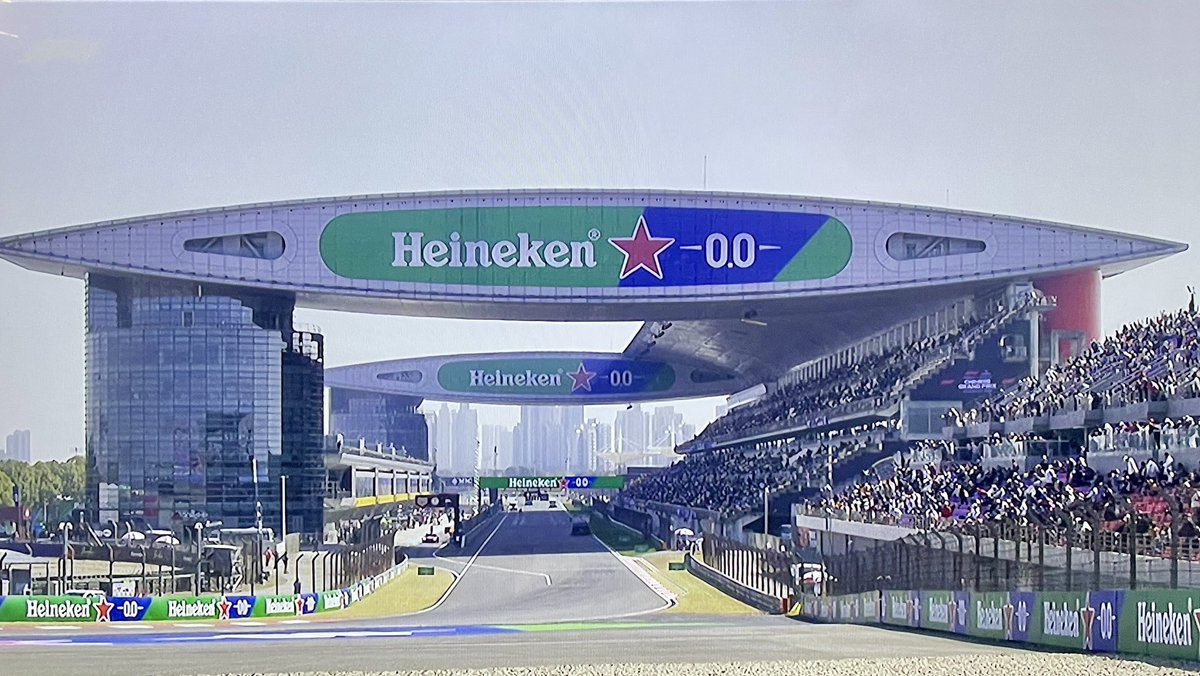
Ya estamos listos para llevar el sprint del GP de China, para Latinoamérica y Estados Unidos, con @chapulindiaz . Arrancamos en 40 minutos.


Español
Alexander Martinez C retweetet

🤝 I’m forming a focus group to synergize and supercharge evidence‑based science communication on social media. Want to join? Drop a comment below or DM me. #SciComm

English
Alexander Martinez C retweetet

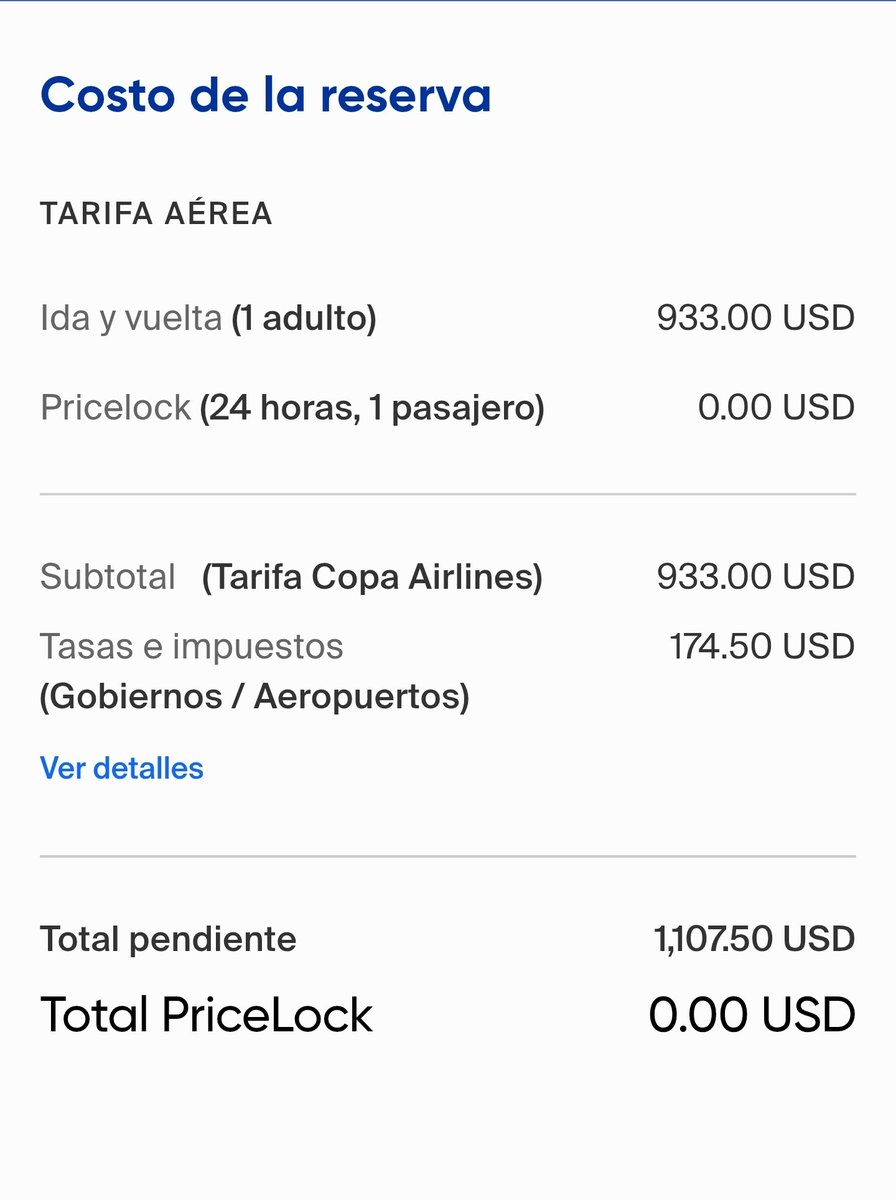
Como @CopaAirlines comienza a jugar con los precios para Toronto. @AcodecoPma cuando uno va a pagar con el número de reserva ya no te aparece. Y ponen "Lo sentimos no pudimos encontrar tu reserva"


Español
Alexander Martinez C retweetet

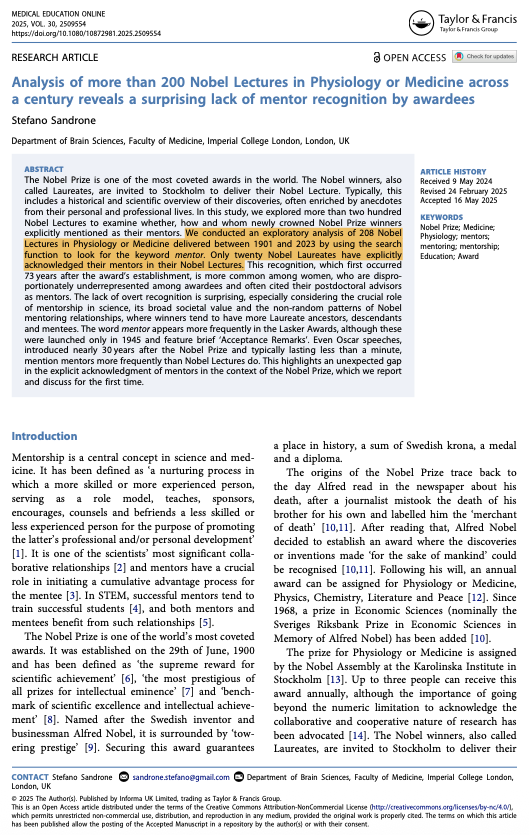
A recent study claimed that of 208 Nobel Prizes in Physiology or Medicine from 1901-2023, just 20 awardees thanked a mentor during the Lecture.
This was surprising to me. So I scraped all Nobel Lectures, converted them into clean .txt files, and repeated the analysis.
I extracted 525 lectures in all, with 145 from chemistry, 68 from economics, 158 from medicine, and 154 from physics. Next, I used the OCR tool from Datalab to extract just the text from each lecture while removing any images, captions, and references.
Finally, I repeated the analysis. The study in question did a simple Ctrl+F for mentions of the word "mentor," (which is really just too simple for this kind of analysis). When I did the same, I found that just 12 of 158 (7.6%) Medicine lectures contain the word "mentor". I found similar or lower rates in other fields, with 11 of 145 (7.6%) Chemistry lectures, 7 of 154 (4.5%) Physics lectures, and 2 of 68 (2.9%) Economics lectures containing the word.
But again, this method completely misses most acknowledgements. A winner who thanks “my students and colleagues,” like Mario Molina did in 1995, wouldn’t be counted at all.
So next, I built a Python script that broadened the search to include words like mentor(s), student(s), and advisor(s). Using these criteria, nearly 90 percent of Chemistry, Physics, and Medicine lectures contained at least one of those terms, whereas just 3 of 68 in Economics did.
Finally, I expanded my script to include spatial context. Specifically, this new script checked whether mentions of these keywords appeared near words indicative of gratitude, such as “thank,” “owe,” or “appreciate.” With this filter, I found that 38.1 percent of all Nobel lectures include a direct acknowledgment of someone else, and that this number is much higher in Medicine (more than 50 percent.)
In other words, Nobel laureates thank their mentors and colleagues and students far more than this recent study may suggest.
Thanks for coming to my TED talk.


English
Alexander Martinez C retweetet

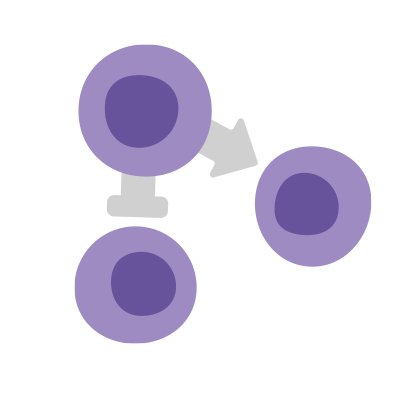
🧪 Led by Dr. Cécile Delarasse, Sorbonne University researchers used the experimental autoimmune #uveoretinitis mouse model to delineate the cellular mechanisms underlying P2X7’s role in autoimmune responses. | @BioMedCentral
📃 Check this out: bit.ly/483piag

English

@CholaDeSantiago No suena descabellado y puede ser muy cierto, la evolución es la fuerza formadora de lo que somos en el planeta tierra, y ocurre en escalas de tiempo que son difíciles de concebir.
Español
Alexander Martinez C retweetet
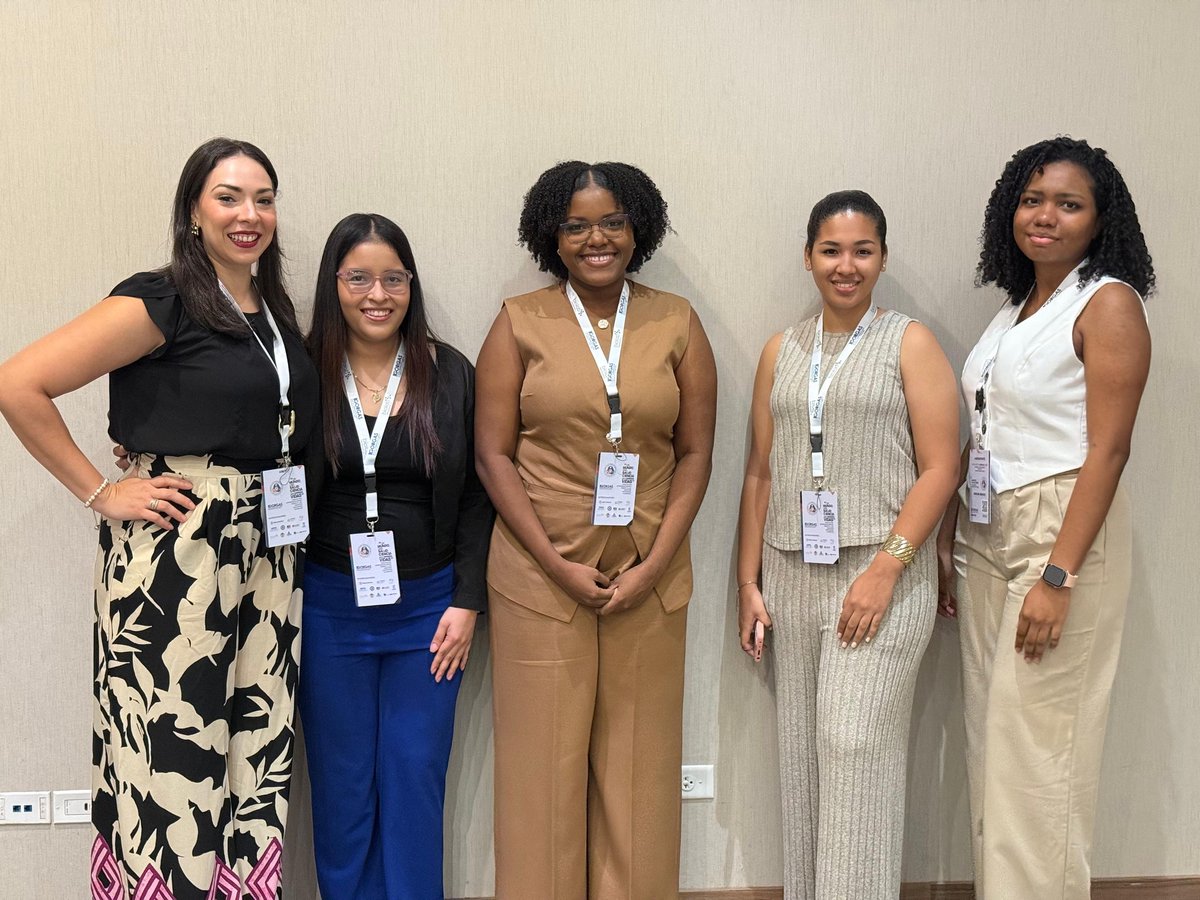
#congresoGorgas25 @guerreroresearchlab equipo de investigación de la biologia del cáncer del ICGES.

Español
Alexander Martinez C retweetet
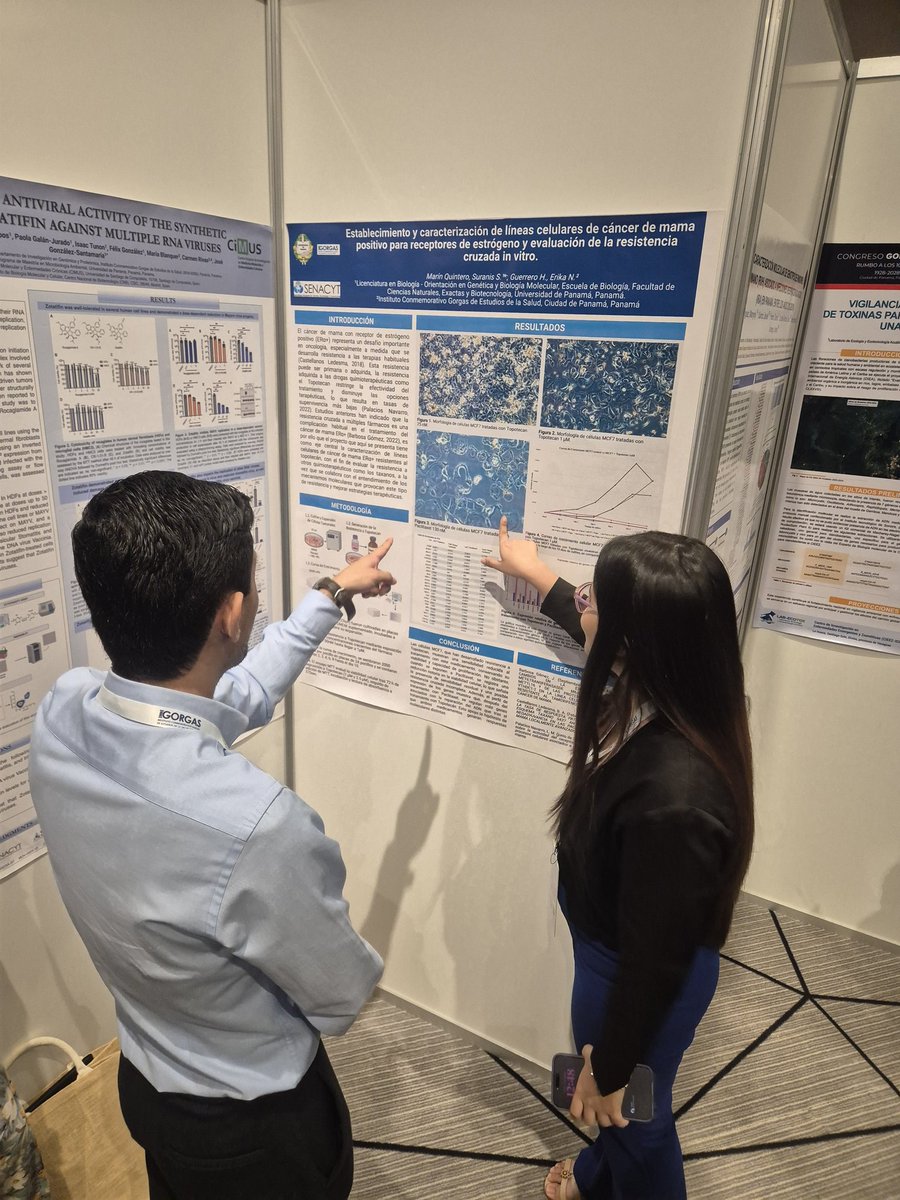
Presentación en el #congresoGorgas25 de Suranis Marin, miembro del equipo investigador del Guerrero Research Lab! Suranis realiza estudios en cáncer de mama HER2+.


Español

A review of currently licensed mucosal COVID-19 vaccines sciencedirect.com/science/articl…
English
Alexander Martinez C retweetet

Les compartimos el artículo de opinión La ciencia como inversión, no como gasto, de la autoría de Gresky Gutiérrez Sánchez publicado en @prensacom:
prensa.com/opinion/la-cie…

Español
Alexander Martinez C retweetet

Scientists use DNA sequencers smaller than a deck of cards to identify pathogens on-site at outbreak locations. These tools work on laptops or phones—even in remote areas—helping track Ebola, influenza and more in real-time. Learn more: bit.ly/447JhlY

English
Alexander Martinez C retweetet

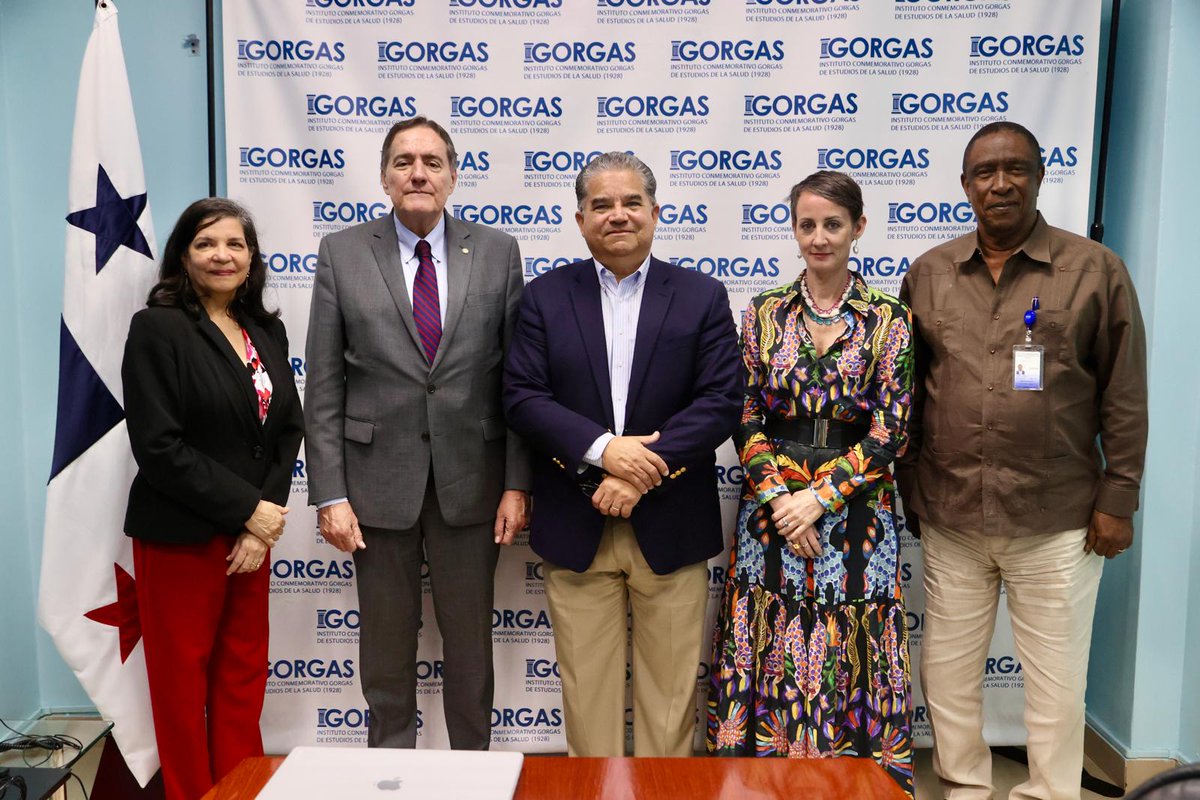
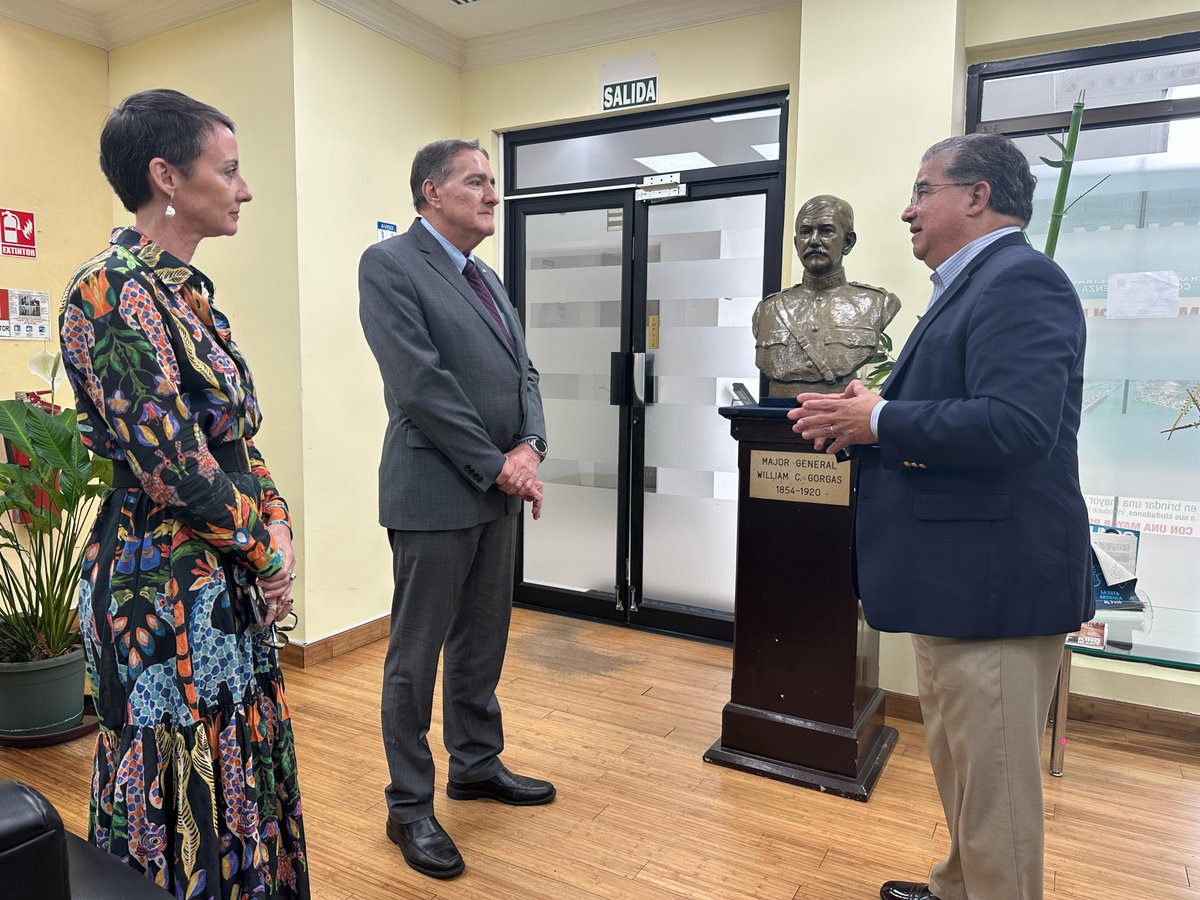
Interesante diálogo entre la dra. A. Rivière Cinnamond y @DirOPSPAHO director de la @opsoms, con Nicanor Obaldia III, director del @InstitutoGorgas, sobre su rol vital en #VigilanciaGenómica para detectar brotes en #Panamá y futuro centro colaborador de la #OPS. #SaludRegional


Panama 🇵🇦 Español