Bob Reisner
188 posts

Bob Reisner
@BobReisner
https://t.co/eoS6EGhw9p


No wonder Secretary of War Pete Hegseth told Britain to keep its ass home 🤣🤣🤣 [LBC] How many frigates do we have in the fleet? [UK Defence Secretary John Healey] We have, we have, we have, we have, ah, we have, we have 17 frigates and destroyers. It's down from 23 at the end of the last Labour government. [LBC] Mr. Healey, if we've got a fleet of 17 in total, where are they all? [UK Defence Secretary John Healey] Well, every nation with every piece of its military kit has some, some, some in operation, some on deployment, some, some in states of readiness, some being repaired. We only have HMS Dragon in operation down there now. [LBC] Where are all the others? Are all the others being repaired in some way, shape or form? [UK Defence Secretary John Healey] Look, I'm proud of what we're able to do.


NATO members are obliged to support one another if attacked, not to join wars of choice. That stipulation was made at the demand of the US, which also insisted that the commitment be territorially limited. “The treaty does not cover the entire world,” said Dean Acheson. “It applies only to the North Atlantic area.” He made clear that this had been the key American condition. “We deliberately avoided any implication that we were undertaking a global military commitment.” The Senate, worried about being dragged into European colonial wars, had threatened to refuse ratification unless the limitations were explicit. As John Foster Dulles put it: “If it were made global in scope, it would not be acceptable to the United States.” Despite all this, the only time that NATO has gone to war was indeed out of area, at the request of the US after 9/11.

This post outlines a strategy intended to address the perceived overreach of the judicial branch and restore a balance of power with the Executive branch. The issue of nationwide injunctions against the Executive branch requires a direct approach, rather than relying solely on traditional court appeals. Many commentators suggest that President Trump should address these injunctions through standard legal processes. However, this approach is insufficient, as it leaves the final decision-making power within a system that appears to favor judicial supremacy over the Executive. A more effective solution involves reaffirming constitutional principles and asserting the Executive branch's co-equal status. Proposed Recommendations: 1. Executive Notification: When a district judge issues a nationwide injunction or similar order, the Department of Justice (DOJ) should issue a formal notice to the judge, declaring the order non-binding and invalid. Simultaneously, the DOJ should notify the Supreme Court of this action. 2. Supreme Court Engagement: The notice to the Supreme Court should request their opinion on the district judge's ruling, aiming to initiate a direct review and collaborative resolution between the President/Executive branch and the Supreme Court. 3. Executive Branch Directive: The President/Executive branch should issue a directive to all executive agencies, instructing them to disregard any court orders related to the matter unless explicitly authorized in writing by the DOJ. 4. Employee Protection: The President should issue a blanket protective pardon to all executive government employees involved in the case, extending this protection to those who might be compelled by judicial orders to act under threat of arrest. Rationale: A. Co-Equal Branch: The Executive branch is a co-equal branch of government, not subordinate to the Judiciary. B. Limiting Judicial Overreach: These actions demonstrate that the Executive branch will not comply with lower court orders that exceed the judges' lawful authority, particularly those related to nationwide injunctions, which lack explicit legal basis. C. Constitutional Interpretation: While the Supreme Court interprets the Constitution, so do the Congress and the Executive. The Executive branch's interpretation holds its own weight. D. Peer-Level Negotiation: These actions compel the Supreme Court to engage in negotiations with the Executive branch as a peer, not as a superior. E. Supreme Court Oversight: By challenging these injunctions, the Executive forces the Supreme Court to actively manage lower court actions. If the Supreme Court fails to do so, they risk being overwhelmed by a proliferation of similar challenges.

🚨 NOW: Chief SCOTUS Justice John Roberts on on stage COMPLAINING about the “hostility” the public feels towards activist judges OF COURSE people are upset! We elected PRESIDENT TRUMP. NOT President Boasberg—or any random Biden judge And you’re doing NOTHING to rein them in, Roberts. You’re part of the problem.


Solar is now the dominant source of new U.S. power capacity and is on track to surpass coal in total installed capacity before the end of 2026. 70 GW of new solar capacity is scheduled to come online in 2026–2027 → a 49% increase in operating solar capacity from the end of 2025.


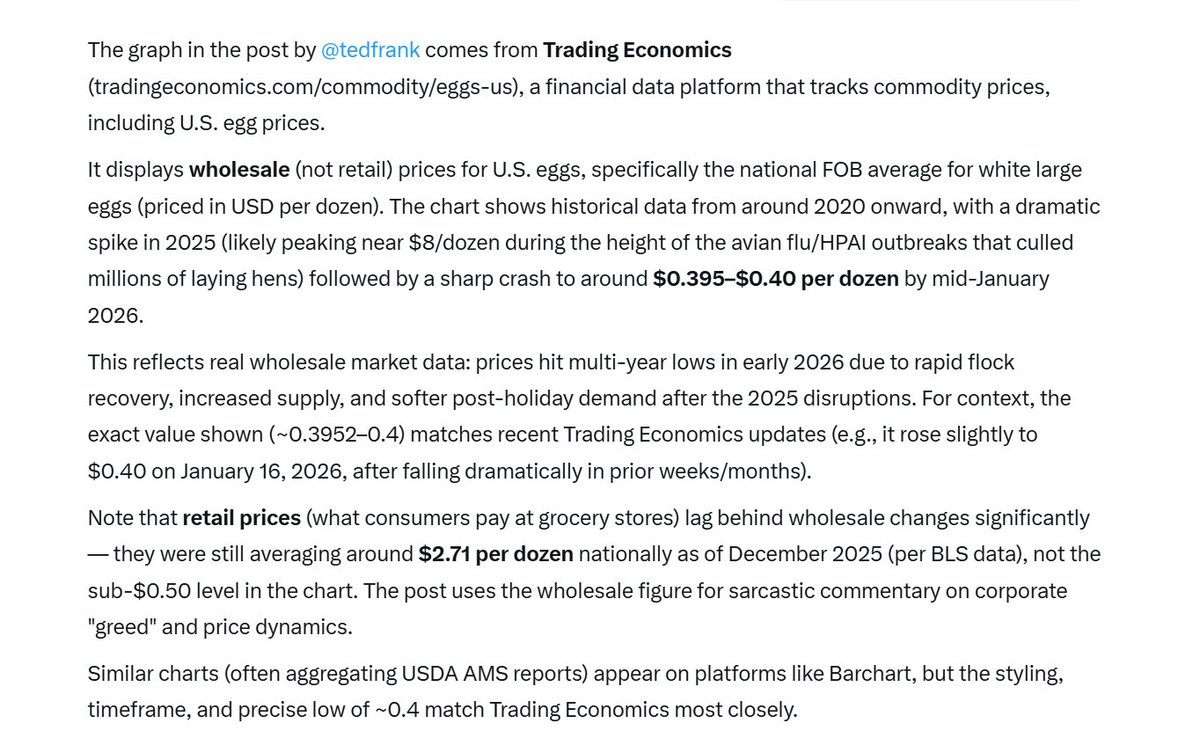
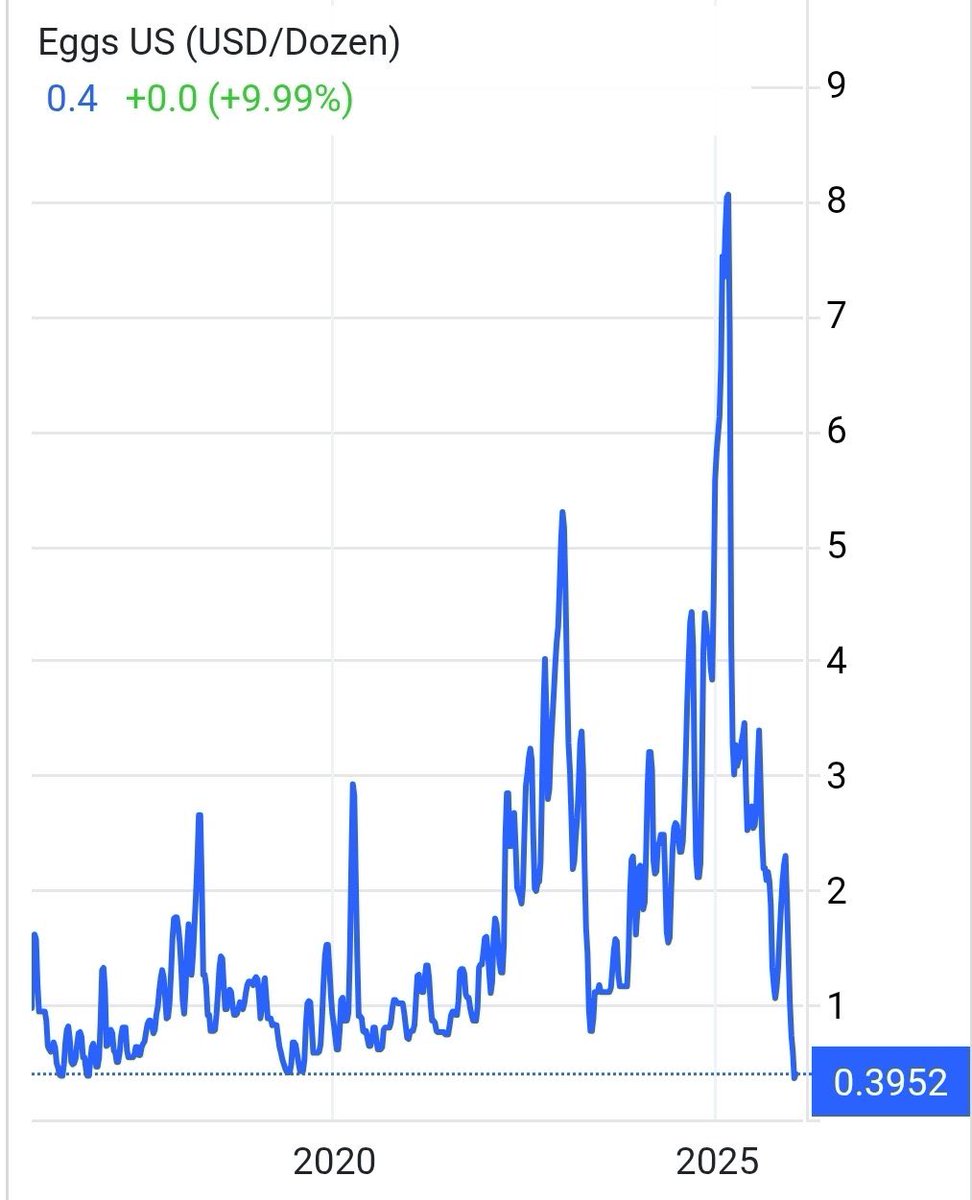
Egg prices are through the roof—and giant egg producers are raking in record profits. Working families deserve to know if those sky-high prices are because of out-of-control corporate greed. @SenatorBanks and I are pressing @TheJusticeDept to get answers.