Bukau Lab

25 posts

Bukau Lab banner
Bukau Lab

Bukau Lab

@BukauLab

Our research group @ZmbhH is interested in protein biogenesis and quality control. This account is run by the members of the @BukauLab.

Heidelberg Beigetreten Ekim 2020
89 Folgt713 Follower
Bukau Lab retweetet
Andrii Melnyk
Andrii Melnyk@MelnykAndrij·
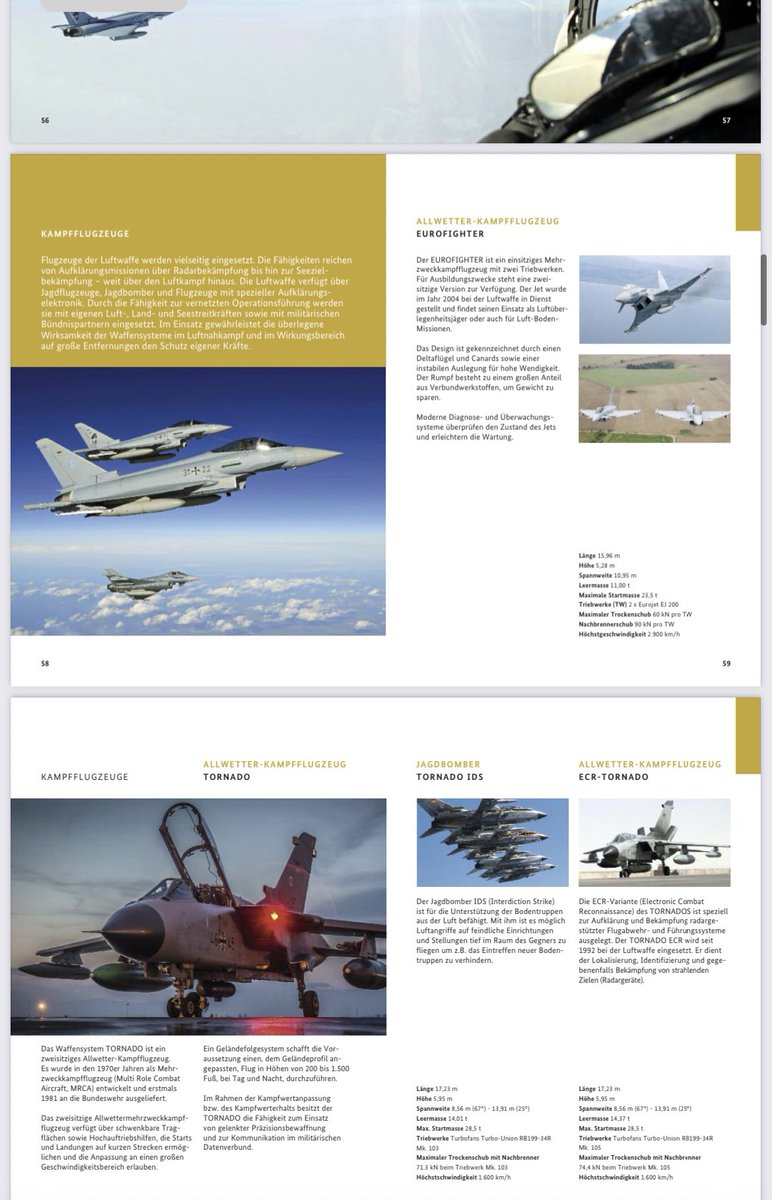
What shall Germany deliver next? A good question posed by @faznet, thanks 🙏🏻 Well, the answer is obvious: Ukraine desperately needs 🇩🇪 fighter jets Tornados & Eurofighters💪 Dear German Government, please do not hesitate Just do the right thing! m.faz.net/aktuell/politi…
Andrii Melnyk tweet mediaAndrii Melnyk tweet media
English
363
103
675
85.8K
Bukau Lab
Bukau Lab@BukauLab·
Our team will combine advanced ribosome profiling, cryo-EM and single-molecule experiments, to study how multiple ribosomes, mRNAs, nascent chains, chaperones and other factors form dynamic super-assemblies that act as coordinated protein complex assembly lines.
English
0
1
14
0
Bukau Lab
Bukau Lab@BukauLab·
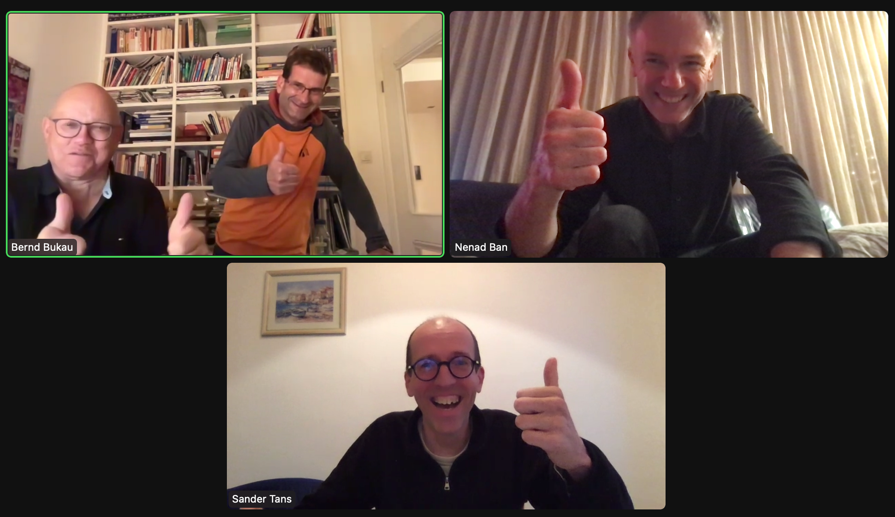
Great news! Together with @sjtans & @The_Ban_Lab, we are among this year's recipients of a Synergy Grant from @ERC_Research. This marks the beginning of an exciting journey into a mechanistic analysis of the biogenesis of protein complexes 🧬
Bukau Lab tweet media
English
10
8
147
0
Bukau Lab
Bukau Lab@BukauLab·
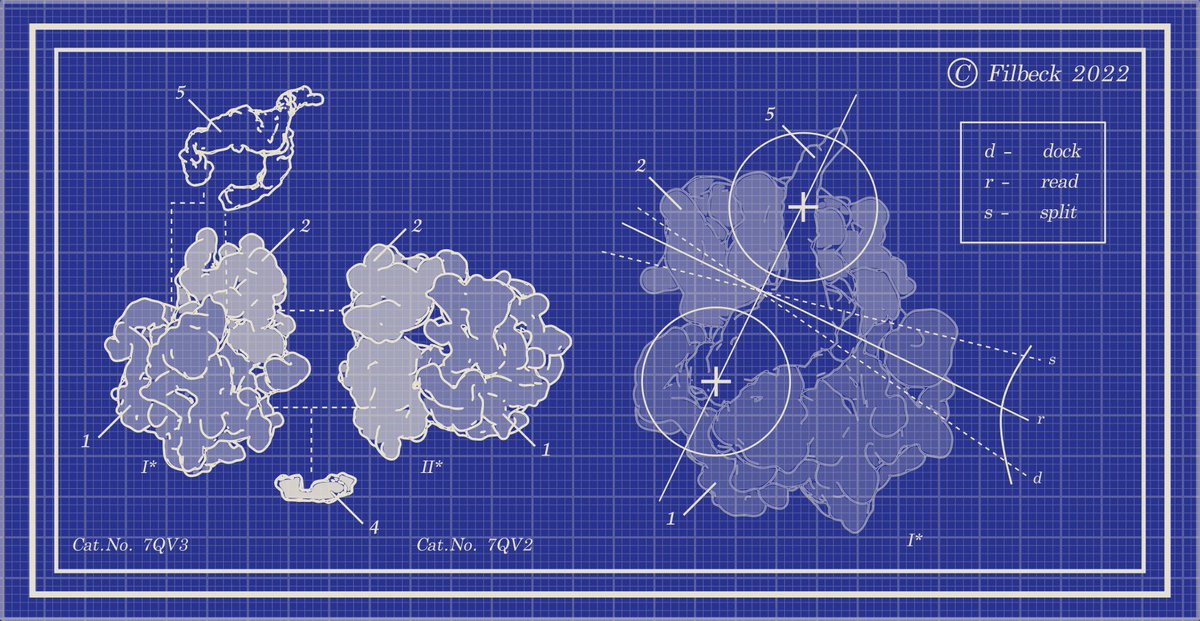
Hier eine schöne Allegorie wie das von @LabJoazeiro und @PfefferCryoLab beschriebene MutS2 Protein fehlerhafte Proteinbiosynthese anhand kollidierter Ribosome erkennt und verschiedene Qualitätskontrollmechanismen initiiert bevor das fehlerhafte Protein der Zelle schaden kann.
Uni Heidelberg@UniHeidelberg

Auffahrunfall auf der „Ribosomen-Autobahn“: Wissenschaftler identifizieren bakterielles Protein, das „stehengebliebene“ Ribosomen erkennt und rettet @ZmbhH uni-heidelberg.de/de/newsroom/au…

Deutsch
0
0
7
0
Bukau Lab retweetet
Stefan Pfeffer
Stefan Pfeffer@PfefferCryoLab·
How do cells fire up the #RQC engine? Check out our structural and mechanistic blueprint for bacterial #ribosome collision sensing by MutS2, out today in @Nature. MutS2 senses collisions and splits ribosomes to initiate RQC! nature.com/articles/s4158…
Stefan Pfeffer tweet media
English
6
16
80
0
Bukau Lab
Bukau Lab@BukauLab·
B. subtilis MutS2/RqcU deals with stalled ribosomes by binding collided disomes, recruits the RNA degradosome and initiates #RQC by #ribosome splitting. Happy we could contribute to this work led by @LabJoazeiro in collaboration with @PfefferCryoLab twitter.com/ZmbhH/status/1…
ZMBH - Center for Molecular Biology Heidelberg@ZmbhH

A team of researchers led by ZMBH's PIs C. Joazeiro @LabJoazeiro and S. Pfeffer @PfefferCryoLab discovered how the bacterial MutS2 protein prevents damage by stalled ribosomes! Further details in Nature nature.com/articles/s4158…

English
0
2
14
0
Bukau Lab
Bukau Lab@BukauLab·
@bioSavinov Hi Andrew, that's a good question! Indeed, our method may enrich for more stable interactions which survive the purification procedure. Some additional work in the lab suggests we are not missing many disomes by DiSP, but it is definitely worth further investigation :)
English
1
0
2
0
Andrew Savinov
Andrew Savinov@bioSavinov·
Latest from Bukau lab looks very cool: cotranslational complex assembly from two nascent chains is rather common! Makes me wonder what role this might play for looser, more dynamic complexes, or if the hits were enriched in tight, stable assemblies.
Bukau Lab@BukauLab

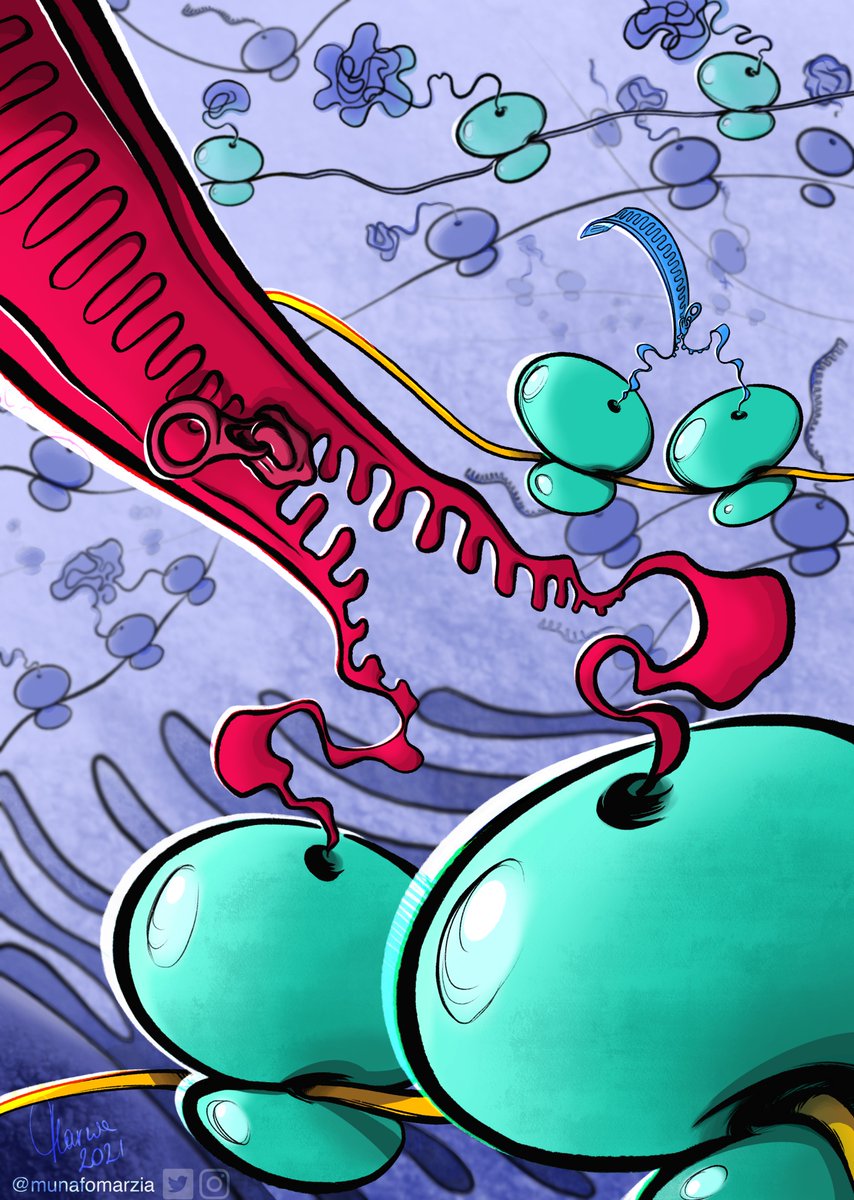
Our first 2021 paper reveals the prevalence and mechanism of a co-translational protein assembly mechanism in human cells: co-co assembly. Congratulations to the co-co team @KaiFenzl, @matildebertolin and @guenter_kramer! science.sciencemag.org/content/371/65… @Sciart by @munafomarzia 1/6
English
1
0
4
0
Bukau Lab
Bukau Lab@BukauLab·
@AChemSynBio Thanks Abhishek, glad you enjoyed our work! That's a good question, some heteromeric subunits are indeed hits of our screening, but they await deeper investigation!!
English
0
0
2
0
Abhishek Chatterjee
Abhishek Chatterjee@AChemSynBio·
Great reading to kick-off 2021! It turns out pairs of ribosomes, or “disomes”, coordinate translation of an mRNA such that the nascent peptide from each can come together, facilitating the formation of protein homodimers! Wonder if a similar mechanism exists for hetero-oligomers?
Bukau Lab@BukauLab

Our first 2021 paper reveals the prevalence and mechanism of a co-translational protein assembly mechanism in human cells: co-co assembly. Congratulations to the co-co team @KaiFenzl, @matildebertolin and @guenter_kramer! science.sciencemag.org/content/371/65… @Sciart by @munafomarzia 1/6

English
1
2
20
0
Bukau Lab
Bukau Lab@BukauLab·
Our data suggest that co-co assembly generally involves neighbouring ribosomes on one mRNA, thereby ensuring specific homomer formation of isoforms and structurally-related proteins which are highly prone to promiscuous interactions inside cells. 5/6
English
1
0
5
0