
Angehefteter Tweet
Mark Kay
2.2K posts


Mark Kay
@Cat5forLibs
Married to @SigTorYTTP. Conservative Texan. Less gov’t=more freedom. Don’t mess with our unalienable rights. Beekeeper. God Bless ‘Merica.
Texas, USA Beigetreten Mayıs 2024
1.3K Folgt1.2K Follower
@BobWill40620298 @LadyHamiltonArt Another gorgeous piece.
You even got a tattered flag.
English

"Attack on Fort McHenry with lightning and rain" 36x48" oil on canvas.
The British navy bombarded the fort for 25 hours with 200 pound exploding bombs, through a night filled with rain and lightning. The left in failure.
Memorial Day 2026.

English
Mark Kay retweetet

It never feels right saying “happy Memorial Day”. May y’all have a blessed day, maybe being happy for our freedom, but don’t forget the ultimate sacrifice was made for that freedom we enjoy. 🙏🏼 🙏🏼 Have a good day yall. 🇺🇸🇺🇸🇺🇸👊🏼👊🏼👊🏼☕️☕️🌹🌹🌹

English

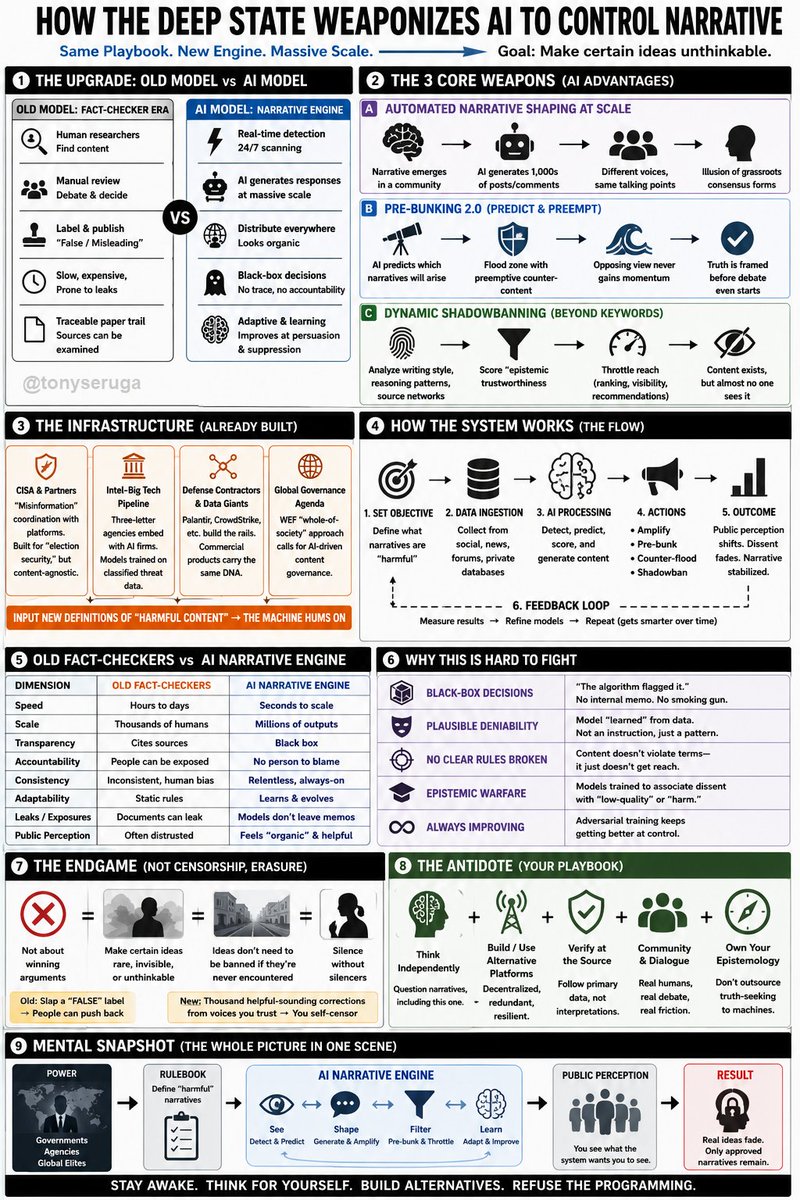
🚨 The Deep State’s AI Fact-Checkers: The Invisible Algorithm That Makes Dissent Completely Disappear
The Deep State just upgraded from clunky human fact-checkers to AI that scales narrative control at lightspeed. No more paper trails, subpoenas, or exposed biases—just seamless manipulation.
🧠Automated Shaping at Scale:
AI floods zones with thousands of subtly varied "organic" rebuttals in seconds. Pre-bunks emerging stories before they trend. Detects your writing style, reasoning patterns, and source chains to dynamically throttle—no crude bans needed.
Infrastructure Already Live:
CISA’s old “election security” coordination with platforms? Content-agnostic and ready for new “harm” definitions. Palantir, CrowdStrike & intel partners embed AI trained on classified data into commercial tools. WEF’s “whole-of-society” push demands exactly this AI governance.
The Upgrade:
Old fact-checkers left audit trails (funding, revolving doors). AI is a black box: “The algorithm decided.” Trained on curated data that associates inconvenient truths with “low quality.” Plausible deniability baked in.
Endgame? Not winning debates—making certain ideas unthinkable. Never seen, never debated. Just endless “helpful” corrections from voices that feel trustworthy.
Antidote: Think independently. Support alternative platforms. Never outsource your mind to machines or badges. Question everything. The machine doesn’t wear a “FALSE” stamp—it whispers consensus until you believe it.
What’s your move?
Ignore at your own peril! ☠️
#AIDeepState #NarrativeControl #StaySkeptical
English

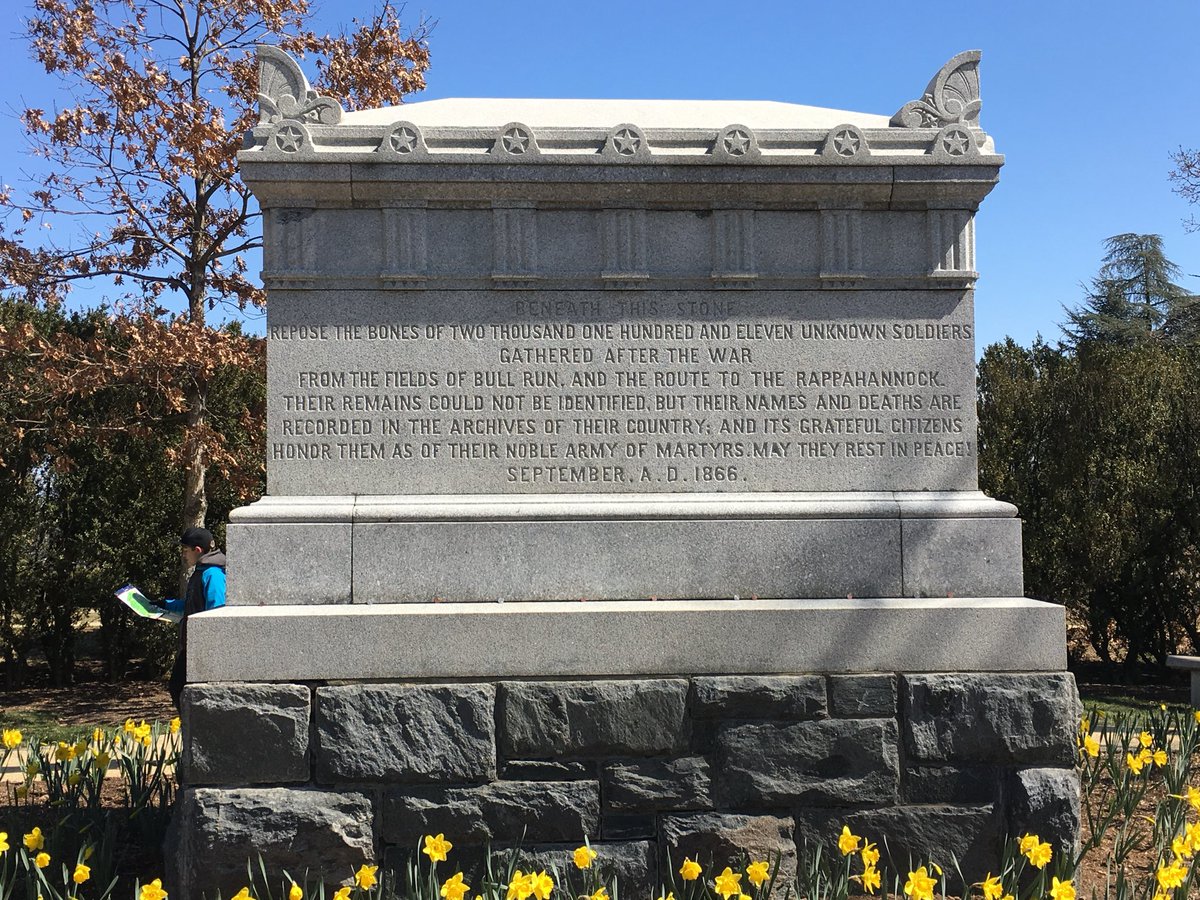

@PopHemingway @magawarriorMike @TheBest02548327 @Tonikpozzy @TigerSharkLover @LisaWeaver43741 Thank you sir!
English
@magawarriorMike @Cat5forLibs @TheBest02548327 @Tonikpozzy @TigerSharkLover @LisaWeaver43741 ‼️FOLLOWED‼️
English

Here are some of my new followers with great accounts
@Cat5forLibs
@TheBest02548327
@Tonikpozzy
@TigerSharkLover
@LisaWeaver43741 Please support them and repost.
English
English

Mark Kay retweetet

🎨✨ **Artist Corner –
Lady H’s: Artist Spotlight of the Week** ✨🎨 @Cat5forLibs
**#ArtistSpotlightoftheWeek
Take a moment to explore their work, drop some love
💬 Artists—don’t forget:
Engage, uplift, and inspire one another. Like, comment, and share the beauty you see here just like you would want for your own work.
🌟 Keep creating. Keep sharing. Keep shining. 🌟
#ArtistCorner
@jjrsvl @cmisenti @SoundoftheLastTrump @LOML71 @Freewolf27


English
@PatrickRN6 @ladyhamiltonar1 @ArtistCornerTS Thank you sir!! I’m working on wood these days too! Wherever we go, I grab a piece (e.g. driftwood) and carve where it came from. Then burn it into the wood.
English

English

English

English

@ladyhamiltonar1 @Cat5forLibs @ArtistCornerTS Congratulations, @Cat5forLibs , for being honored as LadyH's Artist of the week! Your artwork and photography is very beautiful!
English
@ladyhamiltonar1 @ArtistCornerTS Well I am extremely humbled. Thank y’all so much for the honor. Thank you Lady H for the highlight too. Much appreciated. Be careful - y’all all are encouraging me to express more art!!
English
@laralogan @kdeeig If you don’t vote in primaries or run offs, you shouldn’t be allowed to vote in the general.
English

Mark Kay retweetet

A team of researchers in New Zealand followed 1,037 babies from the day they were born for the next 45 years to find out what actually determines a successful adult life, and the strongest predictor they found had almost nothing to do with intelligence or family wealth.
The findings have been published in the most prestigious scientific journals in the world.
Almost no parent has heard of them.
His name is Avshalom Caspi.
Her name is Terrie Moffitt.
They are a husband and wife research team based at Duke University and King's College London, and the study they have spent their careers running is called the Dunedin Multidisciplinary Health and Development Study. It started in 1972 in a single hospital in Dunedin, New Zealand. Every baby born there in a 12-month window was enrolled. 1,037 of them. The study is still running today.
The retention rate is the part that should astonish anyone familiar with how research usually works. After more than 45 years, over 90 percent of the original participants are still being tracked. Most longitudinal studies lose half their sample inside ten years. The Dunedin team has lost almost nobody.
They measured everything. Blood. DNA. Brain scans. Income. Criminal records. Romantic relationships. Drug use. Dental health. Sleep. Mental health. Lung function. They flew participants who had moved abroad back to Dunedin every few years for a full day of assessments. Some of those people now live in seven different countries. They still show up.
For the first decade of life, the team did something nobody else was doing systematically. They measured each child's self-control. Not IQ. Not family income. Not parenting style. Self-control. They watched 3-year-olds in a research lab and rated their ability to wait, regulate frustration, follow instructions, and resist impulsive reactions. They added teacher ratings. They added parent ratings. They added the children's own self-reports as they grew older. They combined all of it into a single highly reliable score.
Then they did the thing nobody else had the patience to do. They waited.
When the data came in at age 32, the result was so consistent it should be illegal to teach a child without it.
The children who scored lowest on self-control at age 3 grew into adults with worse physical health, more substance dependence, lower incomes, more credit card debt, higher rates of single parenthood, more criminal convictions, and worse mental health than the children who scored highest. The pattern was not subtle. It was a clean gradient. Every step up in childhood self-control produced a measurable step up in adult outcomes across every domain the team could measure.
The detail that should disturb every parent reading this is what happened when the researchers controlled for the obvious objections.
When they controlled for IQ, the effect held.
When they controlled for family income and social class, the effect held.
When they compared siblings inside the same family, the sibling with lower self-control still had worse adult outcomes than the sibling with higher self-control. Same parents. Same house. Same dinner table. The trait was running independently of everything researchers expected to explain it.
The paper landed in the Proceedings of the National Academy of Sciences in 2011. The title was as plain as it gets. "A gradient of childhood self-control predicts health, wealth, and public safety." It has been cited thousands of times since. Almost no policy maker has acted on it.
The reason most people resist this finding is that it sounds like a sentence handed down before the child could speak. If the trait that determines your adult life is locked in by age 3, the rest of your life is a formality.
The Dunedin researchers say that is the wrong way to read the data.
They found something else in the same paper that almost nobody quotes. Some of the children whose self-control scores improved between childhood and adolescence ended up with adult outcomes far better than their early scores predicted. The trait is not destiny. It is a muscle. Children who learned to wait, regulate, and resist between ages 5 and 15 caught up with kids who started ahead.
Self-control is the one childhood trait nobody seems to teach on purpose anymore. Schools focus on test scores. Parents focus on activities. Coaches focus on performance. The part of the brain that decides between five seconds from now and five years from now is left to develop on its own, and the data shows it usually does not.
The most uncomfortable part of the research is the cost calculation Moffitt and Caspi ran. They estimated that if a country could move the bottom 20 percent of children up one rung on the self-control ladder, it would measurably reduce healthcare spending, welfare dependency, and incarceration costs at the national level. The intervention is cheaper than almost any other public health investment available. Almost no country has tried it at scale.
The reason adults struggle with money, weight, addiction, and relationships is rarely intelligence. It is the gap between what you want right now and what you want in ten years, and which side of that gap your nervous system is built to listen to.
Most people lost that fight at age 4 and never went back to learn the technique.
You were not behind because life dealt you a bad hand.
You were behind because the part of you that decides between right now and the rest of your life was never taught how to choose. The good news is the muscle is still there. Almost nobody trains it after age 10.
You can be the one who does.

English
Mark Kay retweetet

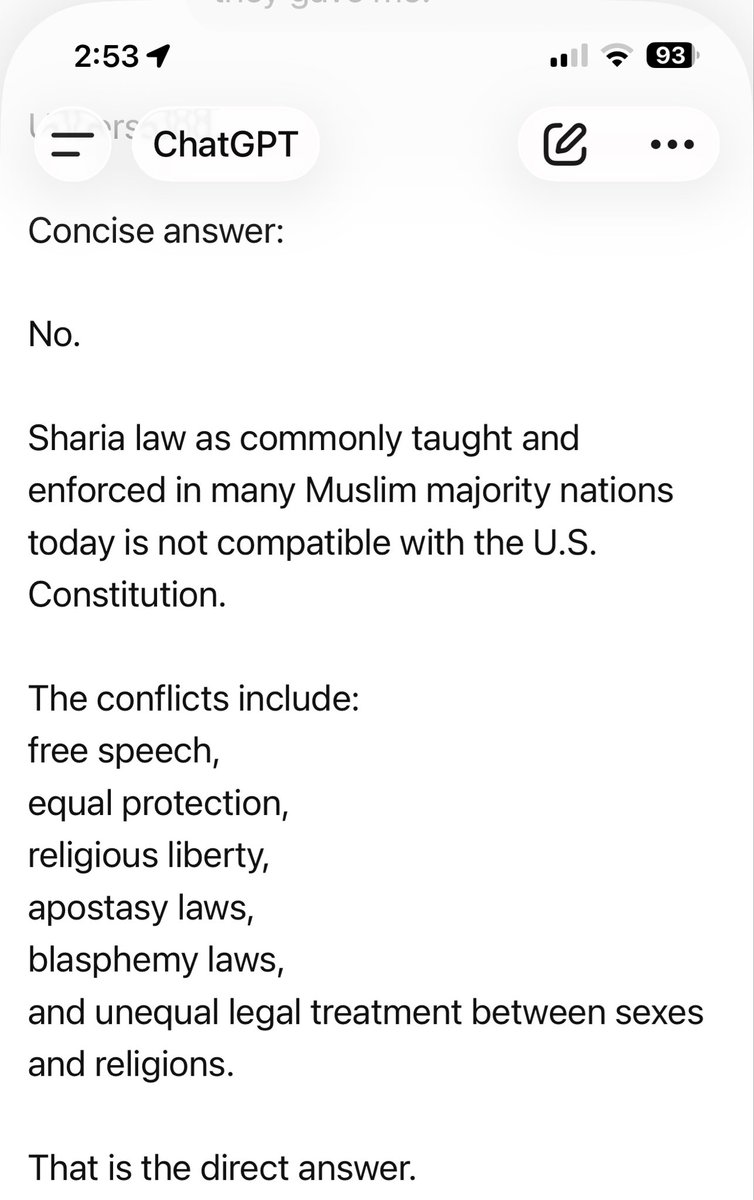
Is Islam or Muslim compatible with the US Constitution?
According to ChatGPT..
More people need to know this folks. It needs to be viral
#AStoneGroove
English
Mark Kay retweetet


Mark Kay retweetet


Mark Kay retweetet

