𝐀𝐧𝐫𝐞
3.2K posts








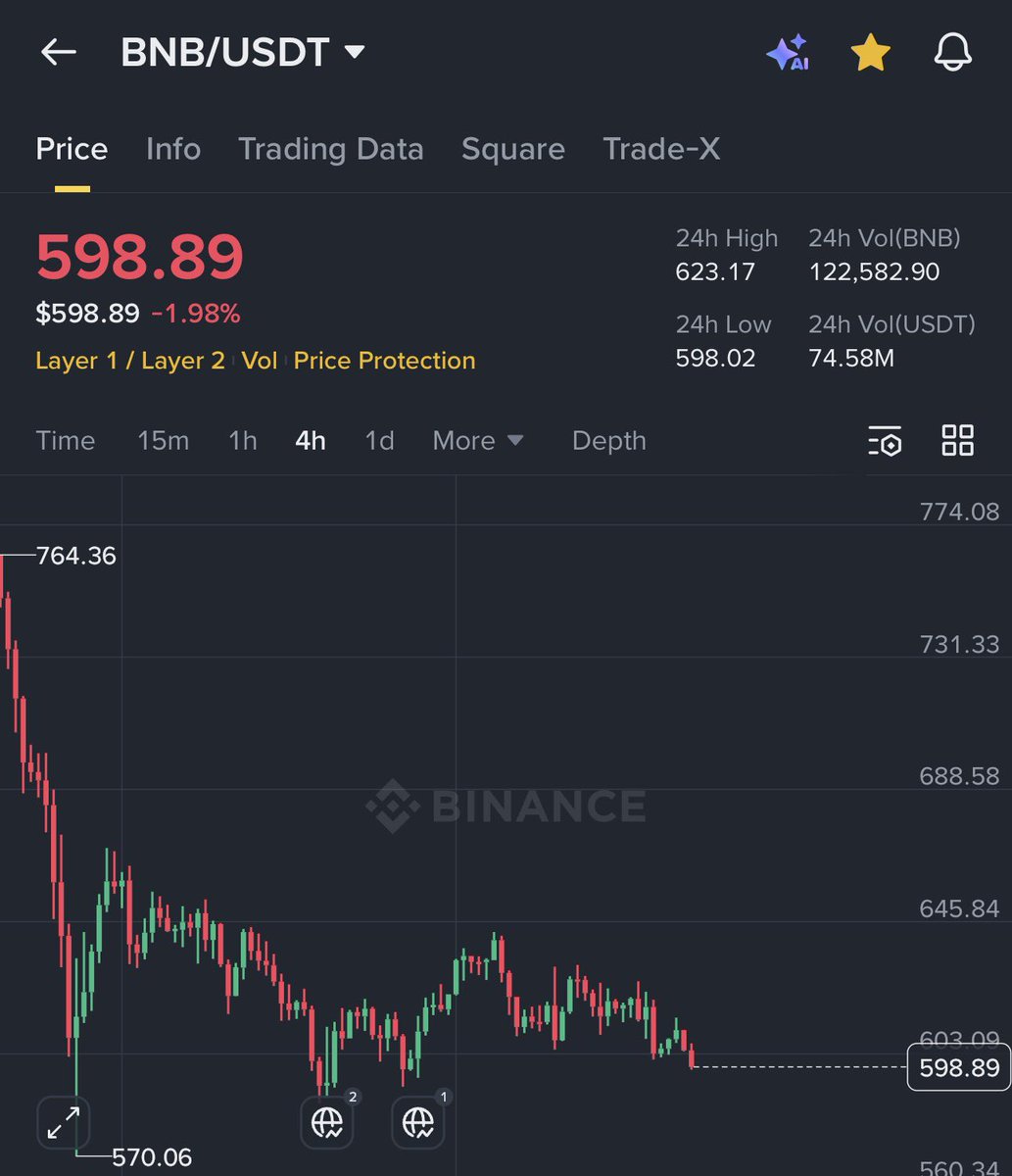
Which is riskier: $BNB or $TRX? Is there any chance of a rug pull scenario like the Mantra $OM token? Risk increases when: • A large portion of supply is controlled by the team/ individual • Community trust breaks down • Sentiment turns sharply negative CZ fear is REAL!!!




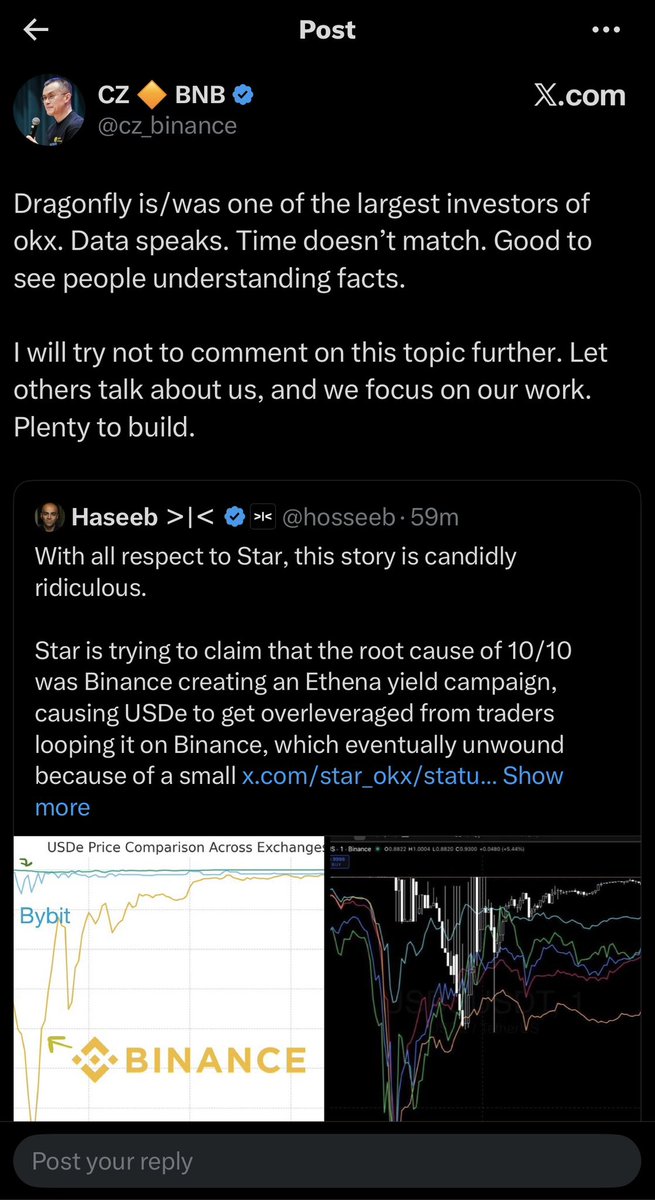
No complexity. No accident. 10/10 was caused by irresponsible marketing campaigns by certain companies. On October 10, tens of billions of dollars were liquidated. As CEO of OKX, we observed clearly that the crypto market’s microstructure fundamentally changed after that day. Many industry participants believe the damage was more severe than the FTX collapse. Since then, there has been extensive discussion about why it happened and how to prevent a recurrence. The root causes are not difficult to identify. ⸻ What actually happened 1.Binance launched a temporary user-acquisition campaign offering 12% APY on USDe, while allowing USDe to be used as collateral with the same treatment as USDT and USDC, and without effective limits. 2.USDe is a tokenized hedge fund product. Ethena raises capital via a so-called “stablecoin,” deploys it into index arbitrage and algorithmic trading strategies, and tokenizes the resulting fund. The token can then be deposited on exchanges to earn yield. 3.USDe is fundamentally different from products such as BlackRock BUIDL and Franklin Templeton BENJI, which are tokenized money market funds with low-risk profiles. USDe, by contrast, embeds hedge-fund-level risk. This difference is structural, not cosmetic. 4.Binance users were encouraged to convert USDT and USDC into USDe to earn attractive yields, without sufficient emphasis on the underlying risks. From a user’s perspective, trading with USDe appeared no different from trading with traditional stablecoins—while the actual risk profile was materially higher. 5.Risk escalated further as users: •converted USDT/USDC into USDe, •used USDe as collateral to borrow USDT, •converted the borrowed USDT back into USDe, •and repeated the cycle. This leverage loop produced artificial APYs of 24%, 36%, and even 70%+, widely perceived as “low risk” simply because they were offered by a major platform. Systemic risk accumulated rapidly across the global crypto market. 6.At that point, even a small market shock was sufficient to trigger a collapse. When volatility hit, USDe depegged quickly. Cascading liquidations followed, and weaknesses in risk management around assets such as WETH and BNSOL further amplified the crash. Some tokens briefly traded near zero. The damage to global users and companies—including OKX customers—was severe, and recovery will take time. ⸻ Why this matters I am discussing the root cause, not assigning blame or launching an attack on Binance. Speaking openly about systemic risks is sometimes uncomfortable, but it is necessary if the industry is to mature responsibly. I expect there may be significant misinformation and coordinated FUD directed at OKX in the near future. Even so, speaking honestly about systemic risk is the right thing to do—and we will continue to do so. As the largest global platform, Binance has outsized influence—and corresponding responsibility—as an industry leader. Long-term trust in crypto cannot be built on short-term yield games, excessive leverage, or marketing practices that obscure risk. The industry needs leaders who prioritize market stability, transparency, and responsible innovation—not a winner-take-all mentality where criticism is treated as hostility. Crypto is still early. What we choose to normalize today will determine whether this industry earns lasting trust—or repeats the same mistakes again.
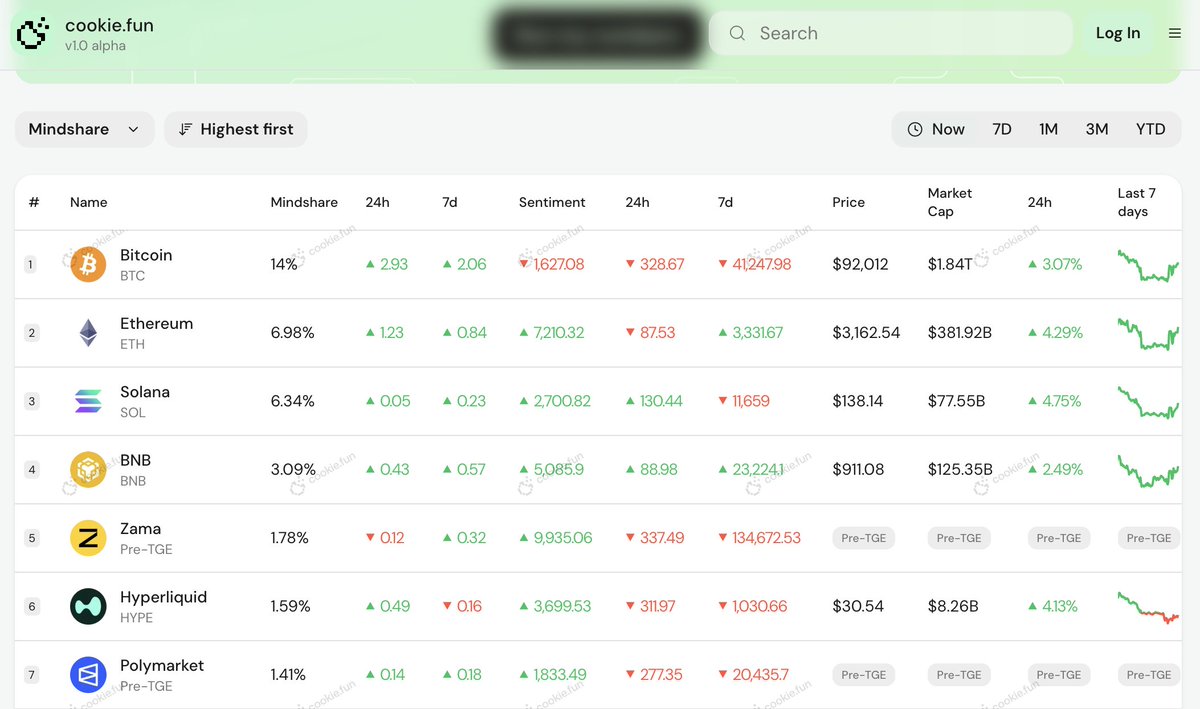


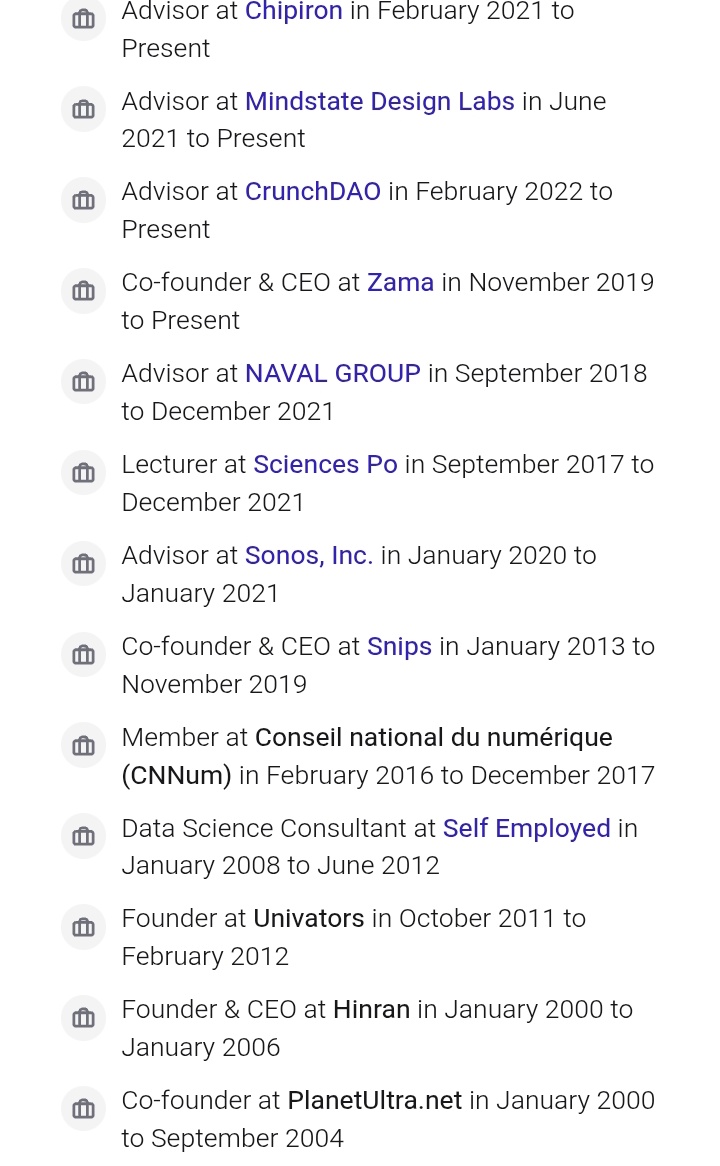
LIVE NOW - The Holy Grail of Crypto Privacy: Encrypted Ethereum, FHE & Living Forever Ethereum is transparent by design, and that’s a problem if you don’t want your entire financial life on display. @randhindi , co-founder of @zama, joins us to explain how fully homomorphic encryption (FHE) can turn Ethereum into an encrypted, confidential blockchain where contracts stay composable and UX feels exactly the same. -------------- TIMESTAMPS 0:00 Intro 0:24 Why Are Blockchains Public? 9:11 Privacy vs Confidentiality 11:13 Zama: Privacy on Ethereum 15:05 Fully Homomorphic Encryption (FHE) 19:34 Multi-Party Computation (MPC) 23:50 FHE vs ZK 37:25 FHE Critiques 40:08 Nation State Attacks 45:58 Combining ZK & FHE 49:20 Privacy Season 51:39 Compliance 1:00:18 Zama 1:04:03 Confidential Tokens 1:08:12 How it Works 1:11:30 Zama Token & Protocol 1:14:09 Privacy Competitors 1:17:36 Fhenix 1:19:46 Rand’s Background 1:23:07 AI Privacy 1:26:42 Longevity 1:33:01 Crypto & Privacy in 2026 1:33:33 Closing & Disclaimers