Theophilus van Rensburg Lindzter

8.2K posts

Theophilus van Rensburg Lindzter banner
Theophilus van Rensburg Lindzter

Theophilus van Rensburg Lindzter

@EMubuntu

Thinker & practitioner for learning in South Africa, designing vocational training/agriculture solutions for rural communities. SO Lärare som älskar Sverige

Beigetreten Ocak 2012
4.3K Folgt2.2K Follower
Angehefteter Tweet
Theophilus van Rensburg Lindzter
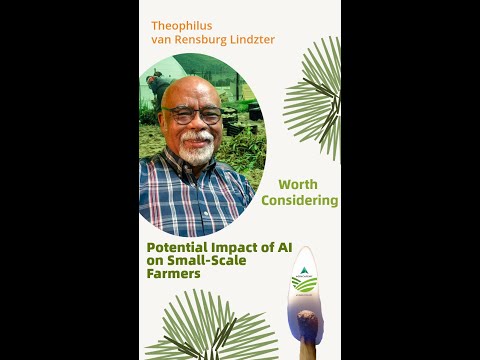
I am growingly convinced that a serious dialogue over the potential impact of artificial intelligence (AI) on small-scale #farmers in #rural #SouthAfrica (or any other rural setting for that matter) must include the highlighting of and strategic support to help overcome the challenges posed by low literacy levels and lack of access to essential infrastructure like electricity and the internet. youtu.be/fRpynRMt4bA
YouTube video
YouTube
English

1
2
9
1.2K
Theophilus van Rensburg Lindzter
There is a distinct possibility that this incongruence you identify is partly connected to the unfortunate habit of selective congruence amongst Evangelical preachers. The passage you quoted from Isaiah 58 is a perfect example. Too often the injustice and in equity are not mentioned when explaining the emptiness of words.
English
0
0
1
62
Holy Post Media
Holy Post Media@HolyPost_Media·
"If you're going to adopt explicitly Christian language, then I'm going to look for Christian reasoning and ethics in how you do things." @esaumccaulley on 🎙️The Esau McCaulley Podcast
English
6
30
149
10.1K
Tshepo Mekoa
Tshepo Mekoa@tshepomekoa·
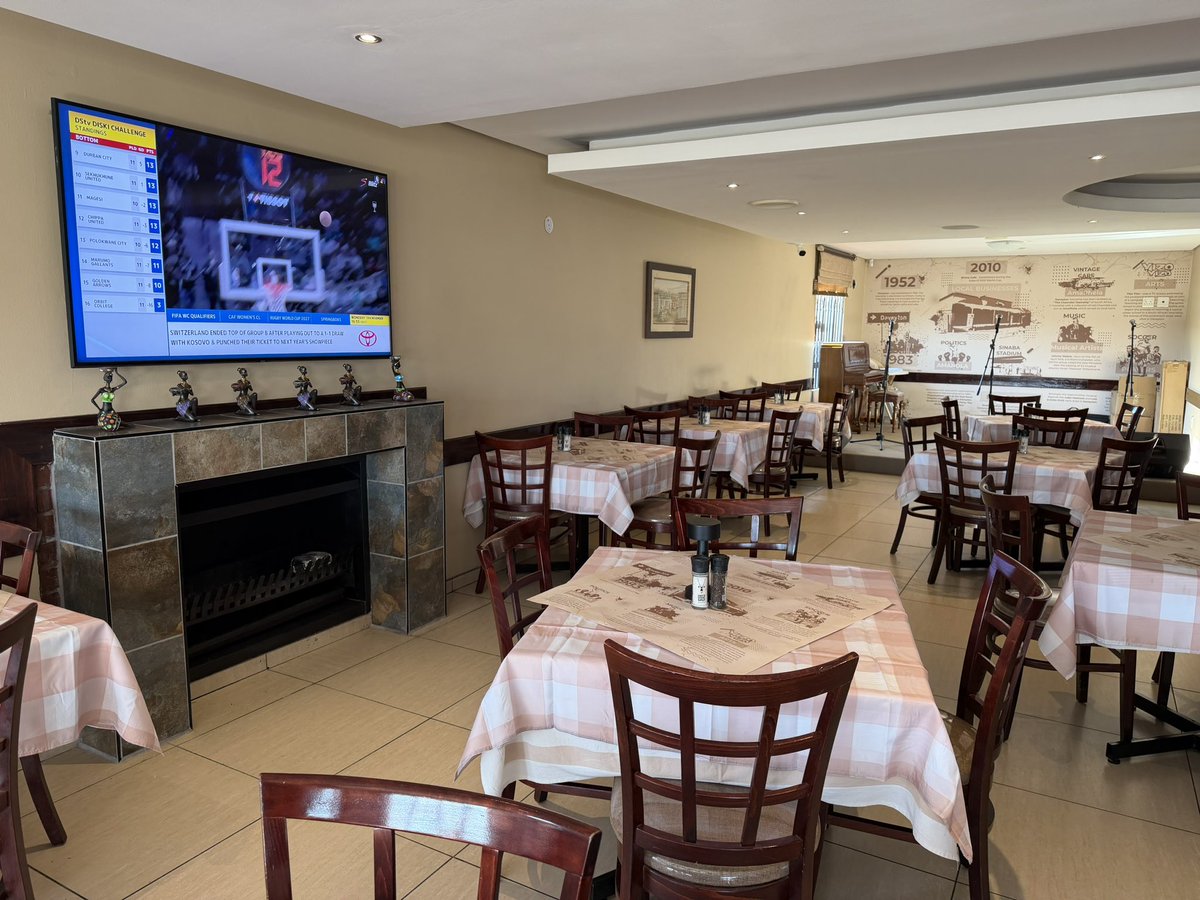
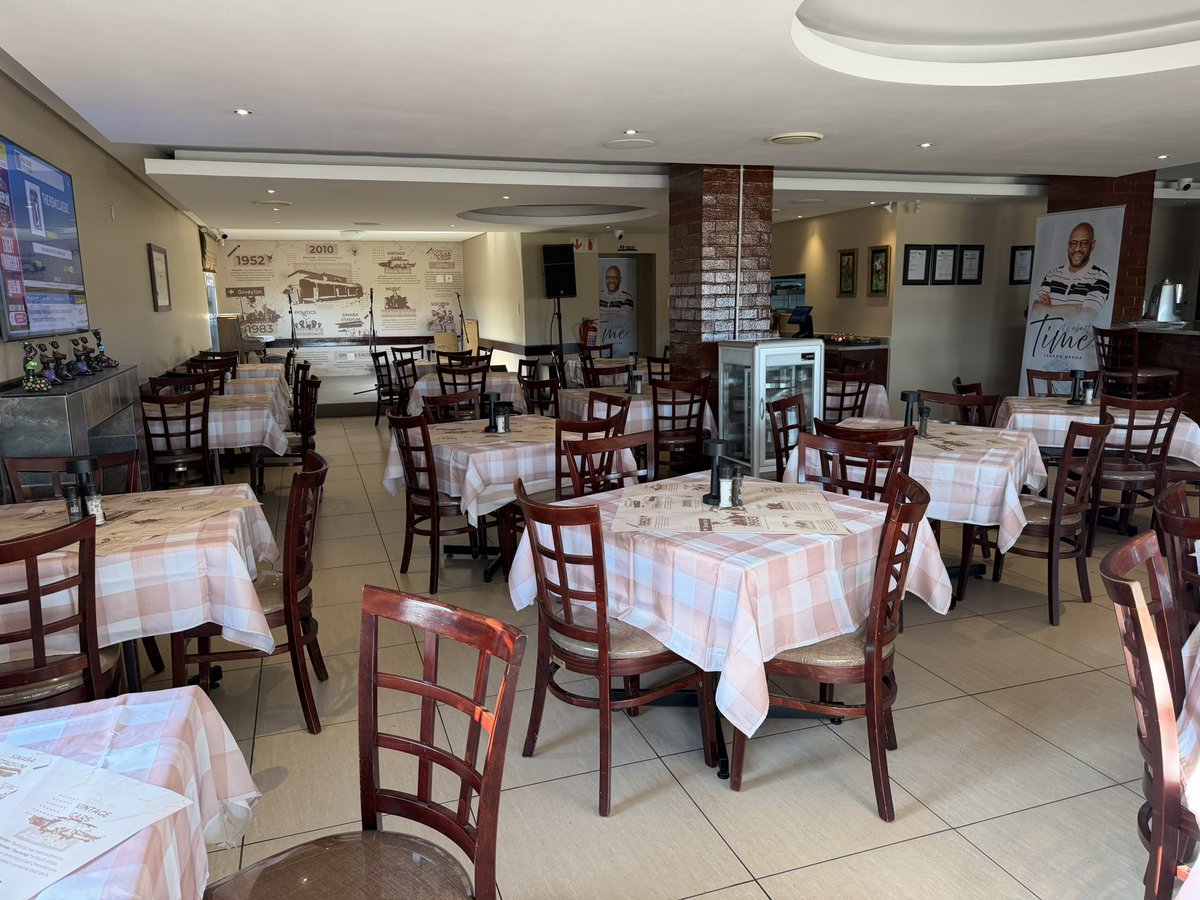
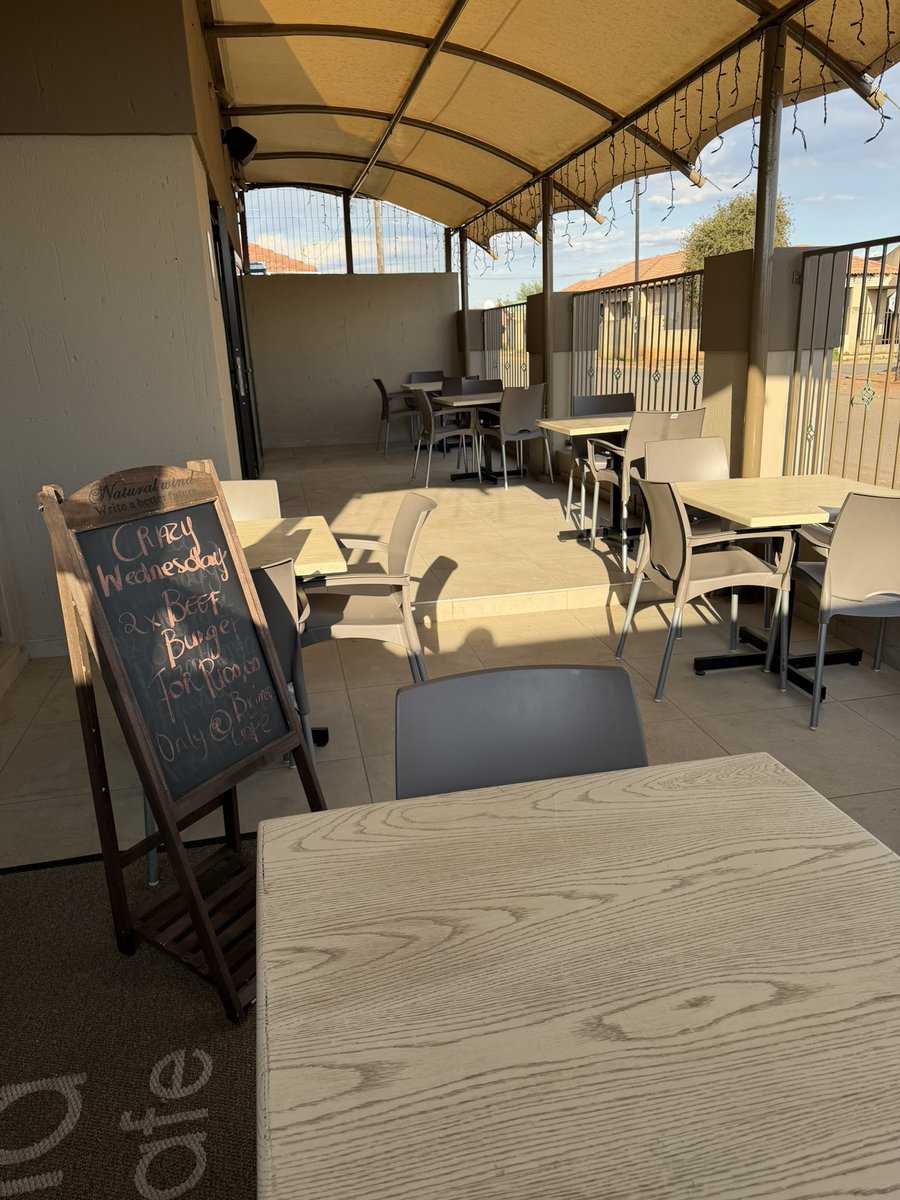
Sixteen years ago, I was having lunch in Bedfordview with two friends. In the middle of that meal, I asked a simple question: “Why do we have to drive this far just to enjoy a proper meal?” At the time, I owned a small two-bedroom house in Daveyton. And in that moment, something shifted. Instead of complaining about the distance… I decided to change the location of opportunity. I went back home. Demolished the two-bedroom house. And built what would become Brima Café — an elegant restaurant in the heart of Daveyton. Not because it was easy. But because our community deserved quality. Our people deserved experience. And our township deserved excellence. Brima Café was never just a restaurant. It was a statement. A statement that you don’t have to leave your community to enjoy beauty. You can build it where you are. From a question over lunch… to a landmark in Daveyton. #BrimaCafe #Daveyton #FromVisionToReality #TownshipExcellence #LegacyBuilding
Tshepo Mekoa tweet mediaTshepo Mekoa tweet mediaTshepo Mekoa tweet mediaTshepo Mekoa tweet media
English
329
2K
12.3K
365.2K
Theophilus van Rensburg Lindzter
@0xmitsurii Straight from an ancient text some 2000 years ago: καὶ ἃ ἤκουσας παρ’ ἐμοῦ διὰ πολλῶν μαρτύρων, ταῦτα παράθου πιστοῖς ἀνθρώποις, οἵτινες ἱκανοὶ ἔσονται καὶ ἑτέρους διδάξαι.
Ελληνικά
0
0
1
988
mitsuri
mitsuri@0xmitsurii·
How leaders decide who gets promoted.
English
23
466
2.8K
157.5K
History ZAR
History ZAR@HistorySAZAR·
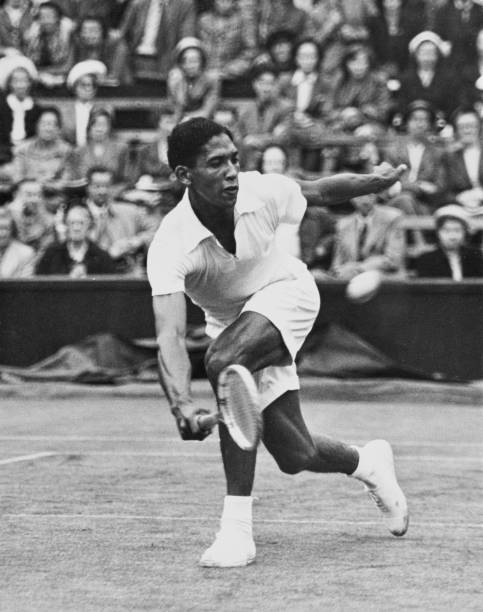
David Samaai (1927 - 2019) was a South African tennis player. Under the Apartheid regime he was not allowed to enter tournaments in South Africa, like the South African Championships, but he could play tournaments abroad although he had to fund his own trips. He participated in the Wimbledon Championships in 1949, 1951, 1954 and 1960, the first non-white South African to do so. His best result in the singles event was reaching the third round in 1951 where he lost in straight sets to seventh-seeded and eventual finalist Ken McGregor. At the 1951 French Championships he lost in the second round of the singles event to Armando Vieira. He also competed in the German Championships and the Swiss International Championships. (Photo by Reg Speller)
History ZAR tweet media
English
8
262
960
50.9K
Dr MuVenda
Dr MuVenda@Ndi_Muvenda_·
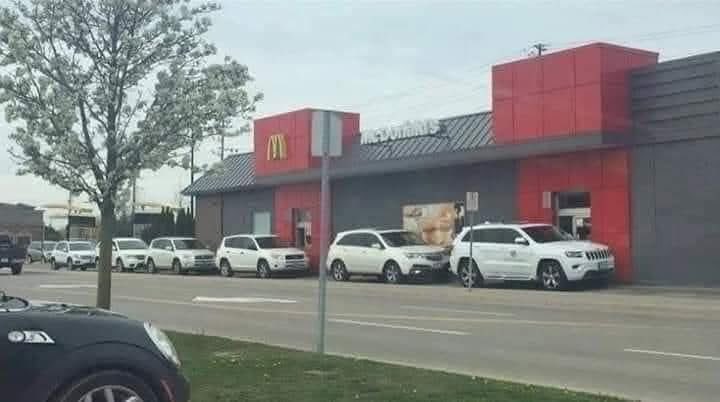
So I was at McDonald’s drive-through and the lady behind me continuously hooted at me and flipped me off because I was taking to long to order. Once she ordered, I asked the cashier what her order was, so I paid for her food. 😇 I continued to the next window and she leaned out of her window looking all crazy at me because the teller told her I paid for her food. She felt very embarrassed and avoided me through-the-rear-view-mirror eye contact. When I got to the last window to get my food, I showed the assistant both my receipts and took her food too! I paid for it, it’s mine! Now she has to wait even longer. 😂 She gonna learn today!
Dr MuVenda tweet media
English
1.2K
2.1K
27.4K
1.9M
Gandalv
Gandalv@Microinteracti1·
This video should unsettle anyone who takes the United States seriously as a nation. Because it exposes something dangerous: the trivialization of the world's most consequential office. It shows how carelessly the power, credibility, and accumulated moral authority of a superpower can be squandered for a few seconds of viral attention. In any other major democracy, this behavior from a head of state would trigger a constitutional crisis. Paris would burn. Berlin would convene emergency sessions. In the Nordic countries, resignation would follow within hours. Across functioning democracies, the public, institutions, and political class would recognize this for what it is: an assault on the dignity of the state itself. Leaders are not free to perform as entertainers without consequence. National honor is not personal property, it's held in trust. But the United States is not just another country with a provocateur in charge. It is the linchpin of global order. It maintains formal alliances and security guarantees with forty to fifty nations. It underwrites the financial architecture, trade systems, and diplomatic frameworks that billions of people depend on daily. When the American president speaks—or posts—it doesn't land as satire, meme, or personal whim. It reads as a signal about what the country is becoming. American power has never relied solely on carrier strike groups or economic output. It has rested on something more fragile and more valuable: trust. The belief that beneath domestic turbulence lies institutional seriousness, predictability, and a baseline commitment to dignity. That belief is now disintegrating in real time. Millions of American companies operate globally. They negotiate multibillion-dollar contracts in environments where reputation is currency. Boardrooms in Frankfurt, Singapore, and Dubai aren't debating whether a post was clever—they're asking whether the United States remains a reliable partner. Whether agreements signed today will be honored tomorrow. Whether American leadership has devolved from institutional to purely theatrical. Consider tourism, which sustains millions of American jobs—airlines, hotels, restaurants, museums, entire regional economies. Soft power isn't an abstraction. It materializes in flight bookings, conference locations, study-abroad programs, and decades of accumulated goodwill. A quiet, decentralized boycott doesn't require government action—only a collective sense that a nation no longer respects itself. Now picture this image being studied by foreign ministers, central bank governors, defense strategists, and sovereign wealth fund managers. Picture them asking a coldly rational question: How do we write binding thirty-year agreements with a country whose public face will be this, relentlessly, for years to come? How do we plan for the long term when the tone is impulsive, mocking, and unbound by the gravity of office? This is where the real calculus begins. Trillions in foreign capital depend on confidence that America is stable, credible, and rule-governed. That confidence is now being traded for what, exactly? Applause from an online mob? A dopamine rush from manufactured outrage? Content designed to dominate the news cycle rather than serve the national interest? Every serious nation eventually confronts this choice: burn long-term credibility for short-term spectacle, or safeguard the reputation previous generations bled to build. The United States spent eighty years constructing an image of reliability, restraint, and leadership under pressure. That image wasn't born from perfection—it came from a visible commitment to standards that transcended impulse. This isn't a partisan issue. Europeans who value democratic norms recognize something ominously familiar here. Americans—Democrat and Republican alike—who believe in responsibility and restraint should see it too. Power attracts scrutiny. Leadership demands discipline. A superpower cannot behave like a reality TV contestant without paying a price. The presidency is not a personal broadcast channel. It's a symbol carried on behalf of 330 million people and countless international partners who never voted but whose lives are shaped by American decisions anyway. Every post either reinforces or erodes the idea that America can be counted on when it matters most. So the question is no longer whether this is offensive. The question is whether this is who America chooses to be: a nation that trades a century of hard-won reputation for viral moments. A country that replaces statecraft with content creation. A republic governed like a season of reality television. History offers a harsh lesson here. Great powers don't fall because enemies mock them. They collapse when they begin mocking themselves—publicly, proudly, and without grasping the cost until it's far too late. Stay connected, Follow Gandalv @Microinteracti1
English
3.1K
7.8K
27.5K
3.2M
Theophilus van Rensburg Lindzter
@Microinteracti1 Appalling - utterly appalling! Thank you all for your vividly articulated observations and for casting a gauntlet at all of us. May I share here an ai voice over of your text? I sometimes find it useful for myself to listen and read. Maybe it could be of help to someone else.
English
3
6
212
56.5K
Typical African
Typical African@Joe__Bassey·
Did you know about this?
English
36
2.4K
6.3K
77.1K
Niall Ferguson
Niall Ferguson@nfergus·
Trump never seriously meant to annex Greenland or to impose new tariffs on the Europeans. Why would he when the U.S. already enjoys all the military access to the frigid island it could every possibly need? Fact: Trump means what he says on Truth Social only about half the time. 3/8
English
222
108
2.4K
722K
Niall Ferguson
Niall Ferguson@nfergus·
There is a rapidly forming narrative in the European and liberal media that the Europeans “won Davos”: primarily by getting Trump to “de-escalate” his demand that the United States acquire Greenland from Denmark. 1/8
English
1.1K
752
5.6K
2.1M
John Cleese
John Cleese@JohnCleese·
Is life a Comedy or a Tragedy? I’m interested to hear what all of you think.
English
839
225
1.7K
101.7K
Clash Report
Clash Report@clashreport·
Nigel Farage to Mike Johnson: Friends can disagree in private, and that’s fine — that’s part of life, part of politics. But to have a US president threatening tariffs unless we agree that he can take over Greenland by some means, without it seeming to even get the consent of the people of Greenland — I mean, this is a very hostile act. Source: GB News
English
116
256
2.5K
535.7K
Pete
Pete@splendid_pete·
An American goes to the ER for high blood pressure, stays under 24 hours, no surgery, no CT, no MRI, and gets a $41,000 bill. Lovely. Now here’s the part people miss when this gets discussed economically: that $41,000 fully counts toward U.S. GDP. Not because it’s useful, but because GDP counts priced transactions, not value or outcomes. And it doesn’t stop there. The system creates additional GDP layers around the same visit. Hospital administrative labor, insurance claim processing, billing departments, compliance and coding, insurer overhead and profit, financial services handling payments and debt, interest if the patient can’t pay immediately. So one short ER visit inflates healthcare GDP, inflates services GDP, inflates finance GDP, inflates measured economic activity. Even though nothing extra was medically produced. This is why US GDP looks larger than countries with regulated or single payer healthcare. In Europe, the same visit might cost a few hundred euros, involve minimal billing, and generate far less economic activity on paper. Same patient. Same outcome. Wildly different GDP contribution.
English
680
2.9K
8.9K
1.7M
Theophilus van Rensburg Lindzter
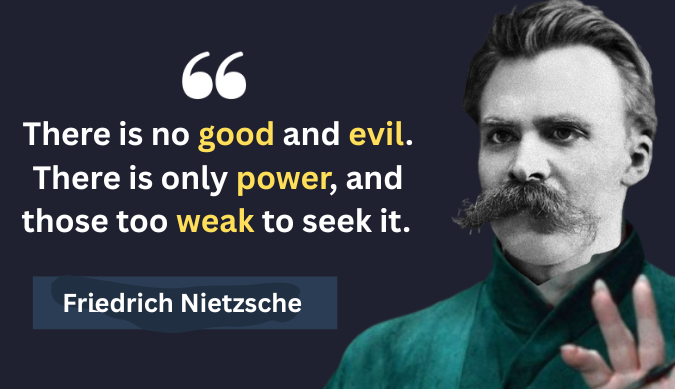
@PAHoyeck Nietzsche also considered absolute truth as an illusion. Is this statement absolute or is it open to interpretation shaped by 'human needs, language ... (or) cultural metaphors'?
English
0
0
0
27
Theophilus van Rensburg Lindzter
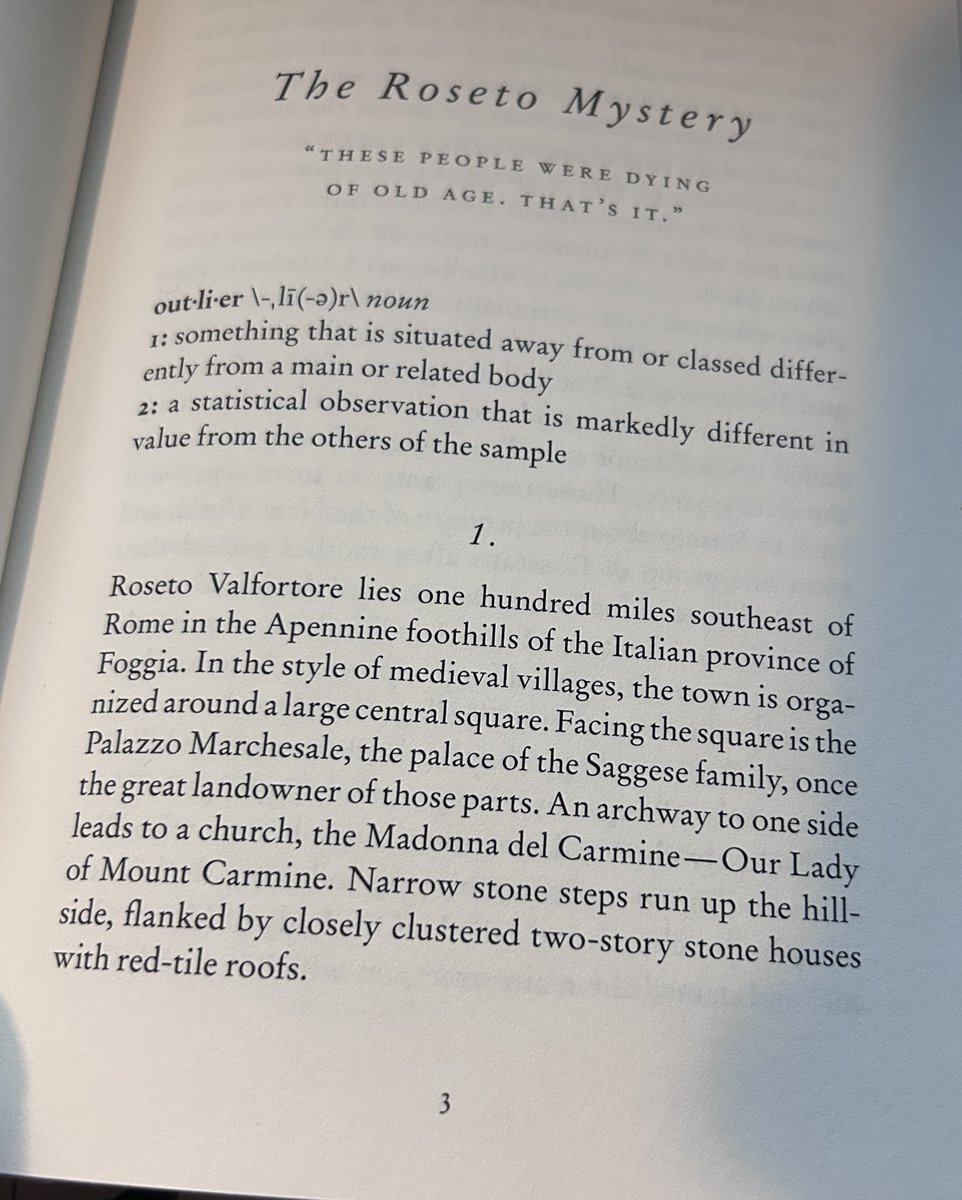
This is brilliantly echoed in Malcolm Gladwell's, Outliers, wherein he described the secret to the longevity and contentment in the lives of the Rosetans (Italian immigrants who settled in Roseto) in Pennsylvania in the 1950s. Through building a caring community, '...the Rosetans had created a powerful, protective social structure...' (Gladwell, M (2008) Outliers, The Story of Success, Little, Brown and Company, New York)
Theophilus van Rensburg Lindzter tweet media
English
0
0
5
605
Richard
Richard@ricwe123·
Just listen to this Italian guy speaking his mind. I believe he is right....
English
402
2.8K
12.5K
461.4K