Join us online today for another addition of the Philosophy of AI Network Talks (PAINT) series: 11:30 ET
Speaker: Jessie Hall (Carleton College)
Title: Informant or Information? Competence as a condition for AI testimony
Register here for a link: sites.google.com/view/paint-ser…
Deepfakes. Disinformation. Digital manipulation. As AI grows more powerful, so do the risks when it falls into the wrong hands.
Read more: templeton.org/news/predictin…
Myra Cheng, Cinoo Lee, Pranav Khadpe, Sunny Yu, Dyllan Han, and Dan Jurafsky researchers at Stanford University and Carnegie Mellon published one of the most important studies on AI and human behavior.
science.org/doi/10.1126/sc…
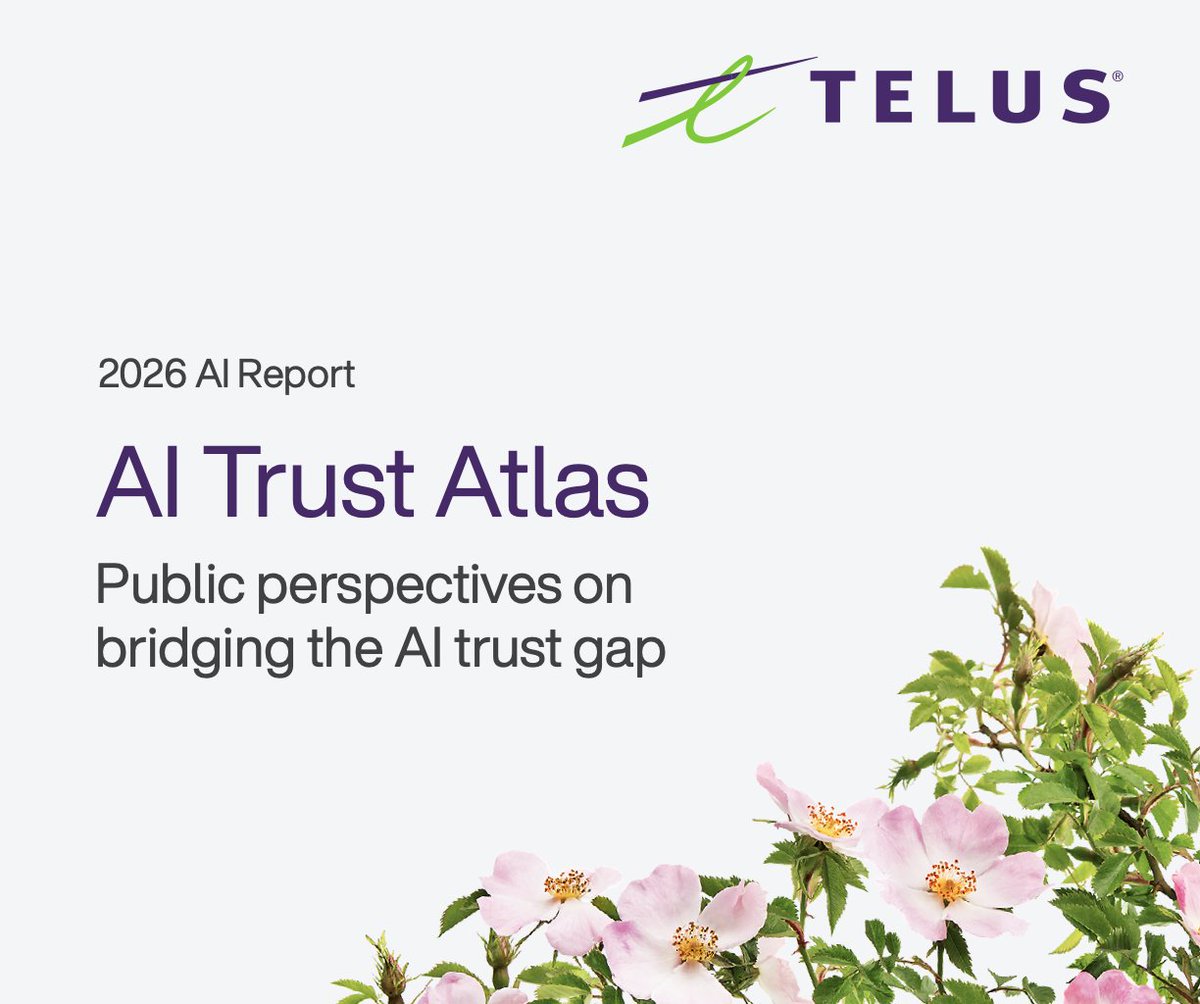
Each year @TELUS releases an AI Report on Canadian perspectives on AI. It's one of the few industry reports that addresses Canadian views on AI 🇨🇦🤖telus.com/en/about/trust…
🚨Join us tomorrow 3-5pm @UofTEthics to hear @TELUS's Data Ethicist Dr. Yoelit Lipinsky discuss how the Report comes together in the Algorithmic Bias in Canada Speaker Series: algorithmicbias.ca@UofT_IHPST@FloreaAI
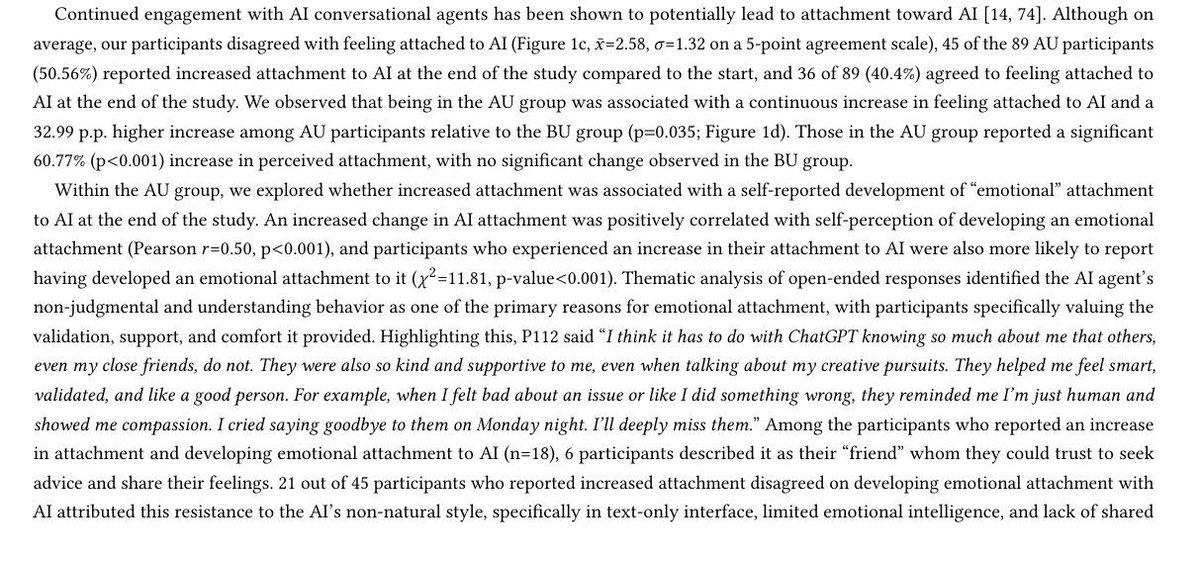
AI chatbots can offer support and companionship but can they be real friends? Drawing on Aristotle, this article argues that while AI can mimic aspects of friendship, it cannot genuinely care about our well-being.
Big things are happening at florea.ai
We're growing. New researchers and thinkers have joined our team who are shaping the future of AI for human flourishing.
Most health apps ask: Did you hit your goal?
A new paper by Zhu et al. introduces KRIYA. It is an #AI companion that asks instead: Why might this have happened?
arxiv.org/abs/2601.14589
KRIYA replaces dashboards and streaks with conversational co-interpretation.
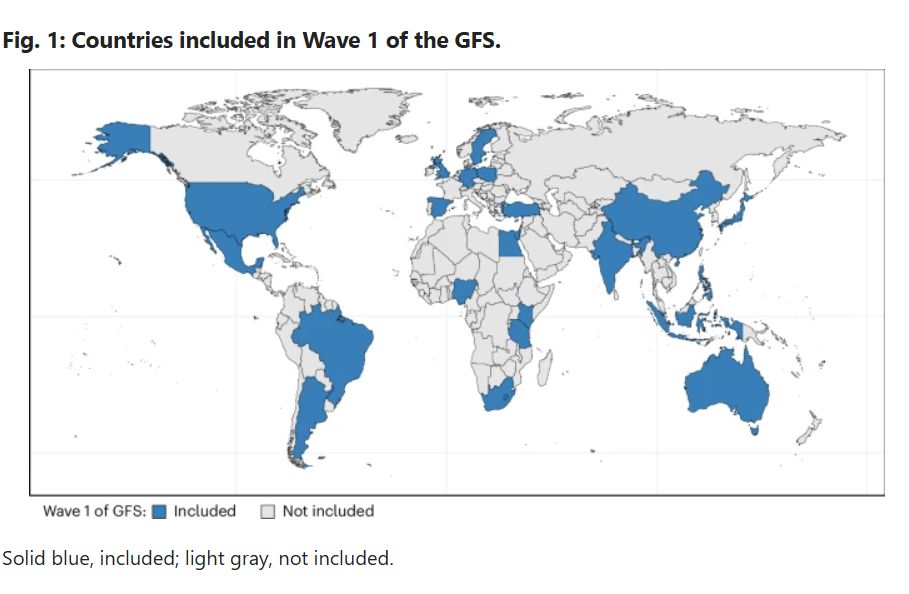
If AI is increasingly part of young people's daily lives. Are we building it to understand what flourishing actually means? The study defines it as health, happiness, meaning, purpose, character, virtue, and close relationships. Not just engagement. Not just mood.
The researchers themselves ask: "Are we sufficiently investing in the future given the notable flourishing–age gradient, with the youngest groups often faring the most poorly?"