TY WILSON@BreakerCulture
The brutal truth about Sports Card "investing"
...I've bought hundreds of sports card collections over the years. Boxes, binders, storage units, estate sales — you name it, I've dug through it. And after doing this long enough, you start to notice something that most collectors never want to admit.
90% of every collection I open is full of guys who were genuinely great players. Not scrubs. Not junk wax commons nobody wanted even when they were printed. I'm talking real careers. Pro Bowlers. All-Stars. Hall of Famers in some cases. Players that people were legitimately excited about at some point in time.
And VERY FEW PEOPLE cares about their cards anymore.
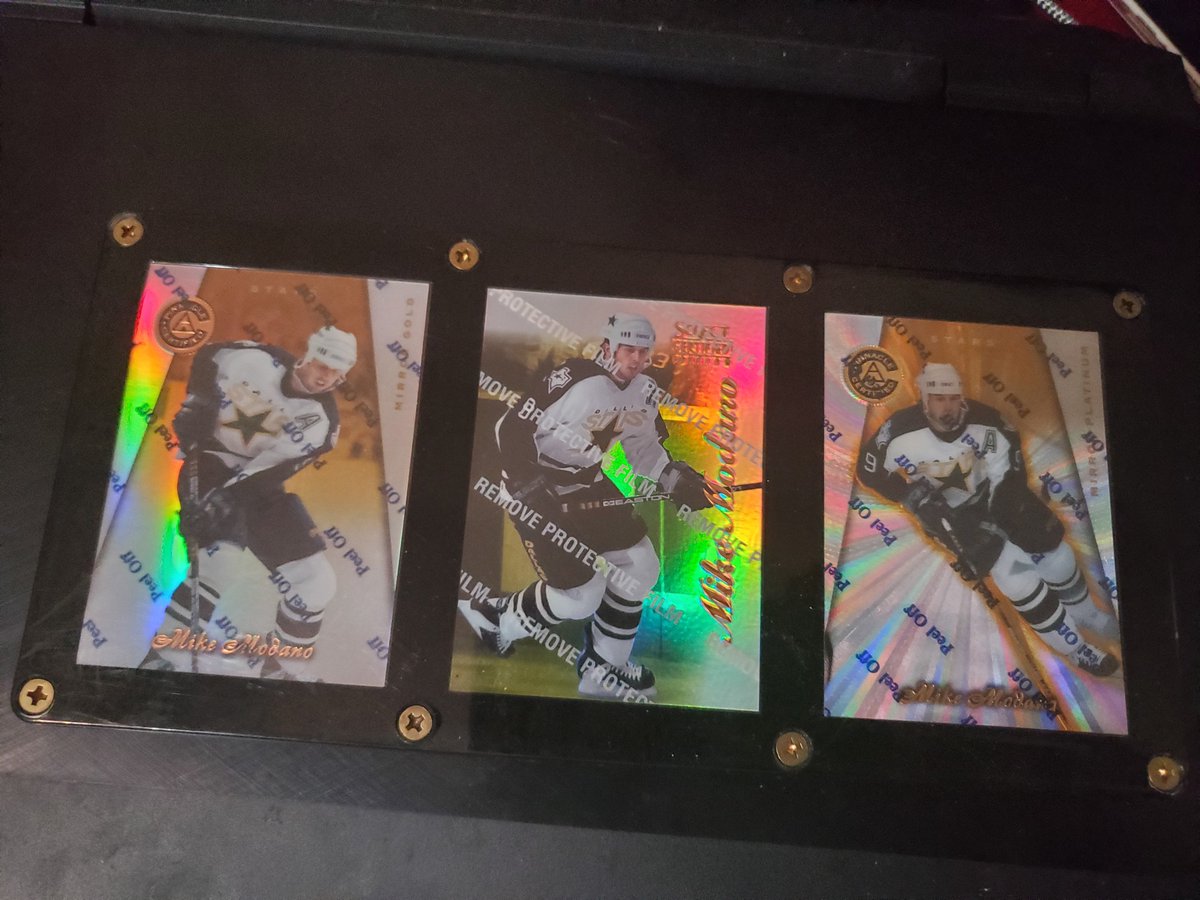
Not a little. Not "the market is soft right now." I mean the cards are functionally worthless in terms of long-term appreciation, and they've been that way for a long time. Vinny Testaverde. Shareef Abdur-Rahim. Jaromir Jagr, Guys with legitimate careers, legitimate fan bases at their peak — sitting in boxes that end up in my hands for a fraction of what someone paid for them 20 years ago.
For a long time I thought this was just bad luck or bad timing. Then I started to see the pattern.
The sports card market isn't driven by talent. It's driven by attention. And here's the thing about attention — it's finite. There is only so much of it to go around, and it doesn't grow proportionally with the number of great players in any given era. The money in this hobby concentrates. It always has! And it concentrates around a very small number of players per decade — and sometimes not the best players, but the ones who transcend the sport entirely and become something bigger than a career stat line.
Every decade gets maybe one, two, three of those players. That's it. 👈
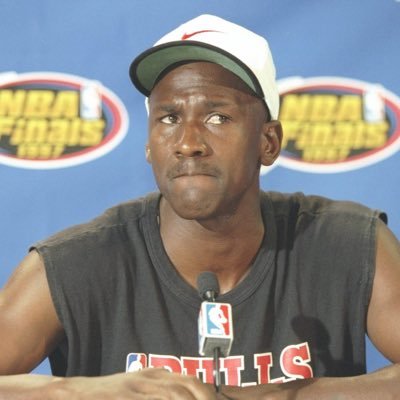
The 90s had Griffey, Jordan, and Barry Sanders. Thousands of players were active. Hundreds had great careers. But when you say "90s cards" to anyone in this hobby, those are the three names that come up every single time. The market didn't forget the other guys — it just never gave them the same weight to begin with, and 30 years later that gap has only widened.
The 2000s were Brady, Kobe, and Jeter. The 2010s were LeBron, Trout, Curry, McDavid with a significant drop-off after that. The names get fewer and further between the longer you look. That's not a coincidence. That's the structure of how this market actually works.
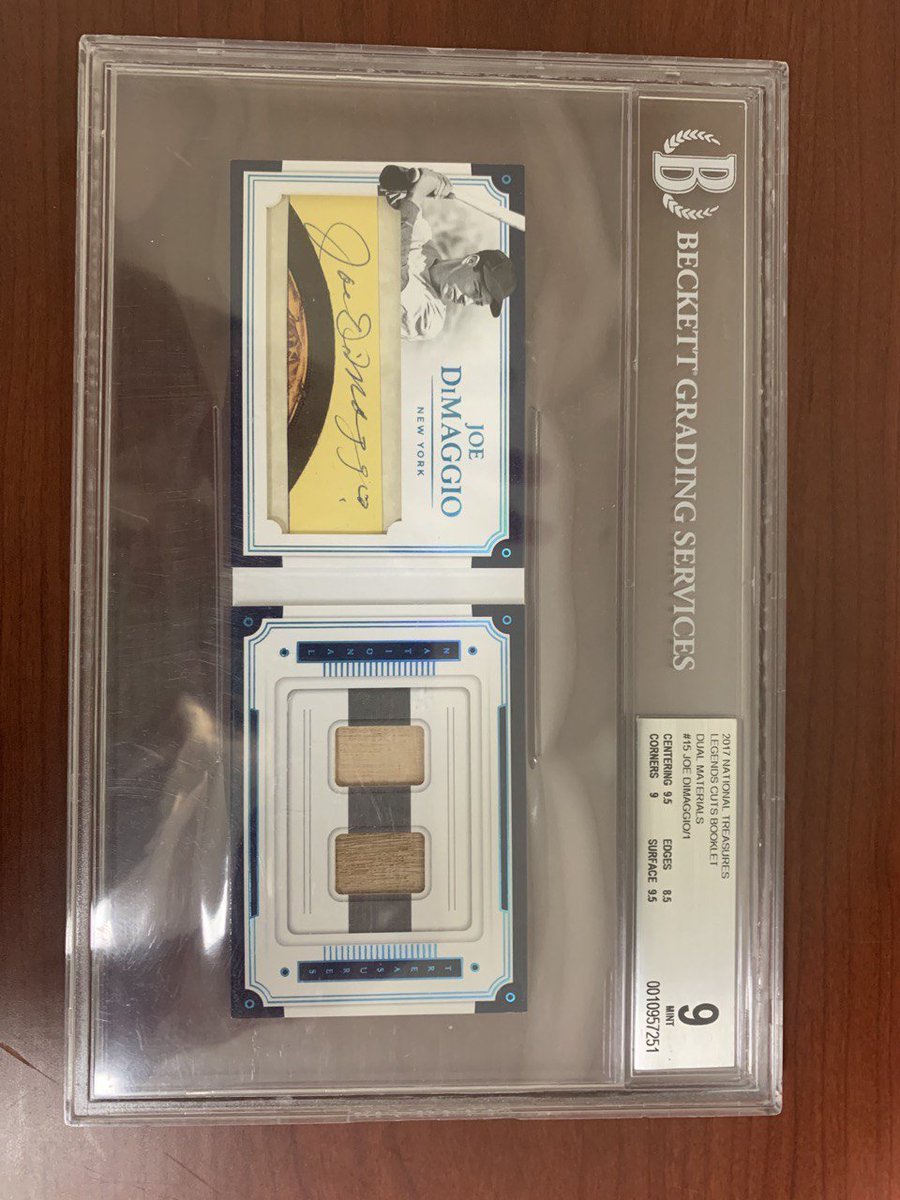
And if you go back even further — into true vintage — the filter gets even tighter. There have been thousands of Hall of Famers across baseball, basketball, football, and hockey over the last century. But the vintage market really only sustains four or five names at the highest level over the long haul. Mantle. Ruth. Mays. Gretzky. Wilt. Gale Sayers on a good day. The rest of those collections, the ones filled with legitimate legends from their eras, eventually end up in boxes that people sell off because the market just doesn't care the way it once did. Vintage just shows you the ending of the movie that modern collectors are still living inside of right now.
Here's the part that I think most people in this hobby don't fully sit with:
There is a limited pool of money chasing cards. It's bigger than it's ever been, but it's still a pool. It's not infinite. And that pool has to be shared across every player, every set, every era, every sport. When money moves toward a handful of true icons — and it always does over time — it has to move away from somewhere else. The players who seemed like safe bets because they were great athletes end up being the ones holding the bag because the hobby only had room for so many at the top and they weren't quite in that tier.
This is the conversation I wish someone had with me earlier. Not "buy stars." Buy the players that the entire world will still know by name in 20 years. That's a much shorter list than most people want to believe.
For this decade, my honest read is Ohtani, Wemby, Mahomes (?), and maybe one or two others we haven't fully identified yet. Ohtani might be the safest long-term card investment I've seen in my entire time in this hobby. Two-way dominance at the highest level, global appeal that crosses every demographic, a story that doesn't have a clean comparison to anything that came before it. That's the profile of a player the market rewards forever. Wembanyama has the same energy — if he becomes what the basketball world believes he can be, his early cards are going to look ridiculous in 15 years.
Everyone else? Buy them for what they are — short to medium-term plays. Ride the wave, sell into the hype, and move on. There's nothing wrong with that strategy. But don't confuse it with building something that compounds over decades.
Every collection I open reminds me of this. The cards don't lie. Someone believed in those players once. Paid real money for them. Held them through the good years thinking it would pay off. And here they are, passed down or liquidated or dropped off at a show for whatever someone will give for them.
Find the icons. The real ones. The ones the entire world will still be talking about long after you're gone. There aren't many of them. That's exactly the point....