Angehefteter Tweet
Ian Smith
3.8K posts

Ian Smith
@IjsSmith
Frailty. NHS. Violinist. Gardener. Tennis. Love, life, laughter.
Nuneaton Beigetreten Ocak 2012
4.6K Folgt699 Follower
Ian Smith retweetet

This narrative review provides a visually driven, clinically grounded roadmap that links dopaminergic neurochemistry and pathway anatomy to in vivo molecular imaging, with a specific focus on education and bedside application: hubs.la/Q0486rSm0

English
Ian Smith retweetet

Discontinuation of Beta-Blocker Therapy after Myocardial Infarction: @NEJM
🥸 SMART-DECISION: more on beta blockers discontinuation!
😱 Keep reading
👇👇👇

English
Ian Smith retweetet

A panel of experts presented new consensus recommendations focused on the screening, diagnosis, and treatment of tardive dyskinesia among older adults in long-term care settings. psychiatrictimes.com/view/first-exp…
English
Ian Smith retweetet

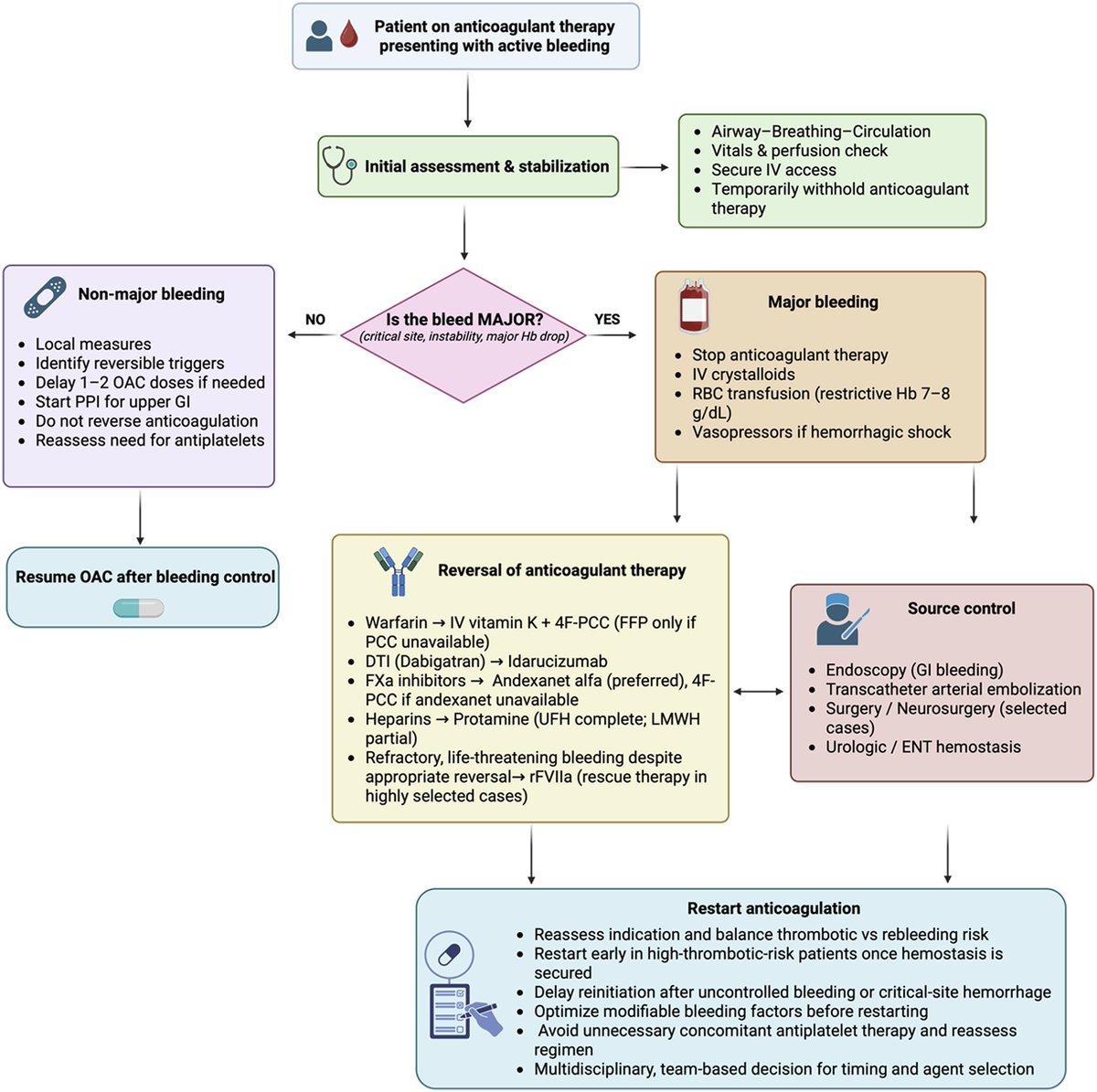
Managing bleeds on anticoagulant therapy: a practical guide for clinicians
CCR Journal Watch
criticalcarereviews.com/latest-evidenc…

English
Ian Smith retweetet

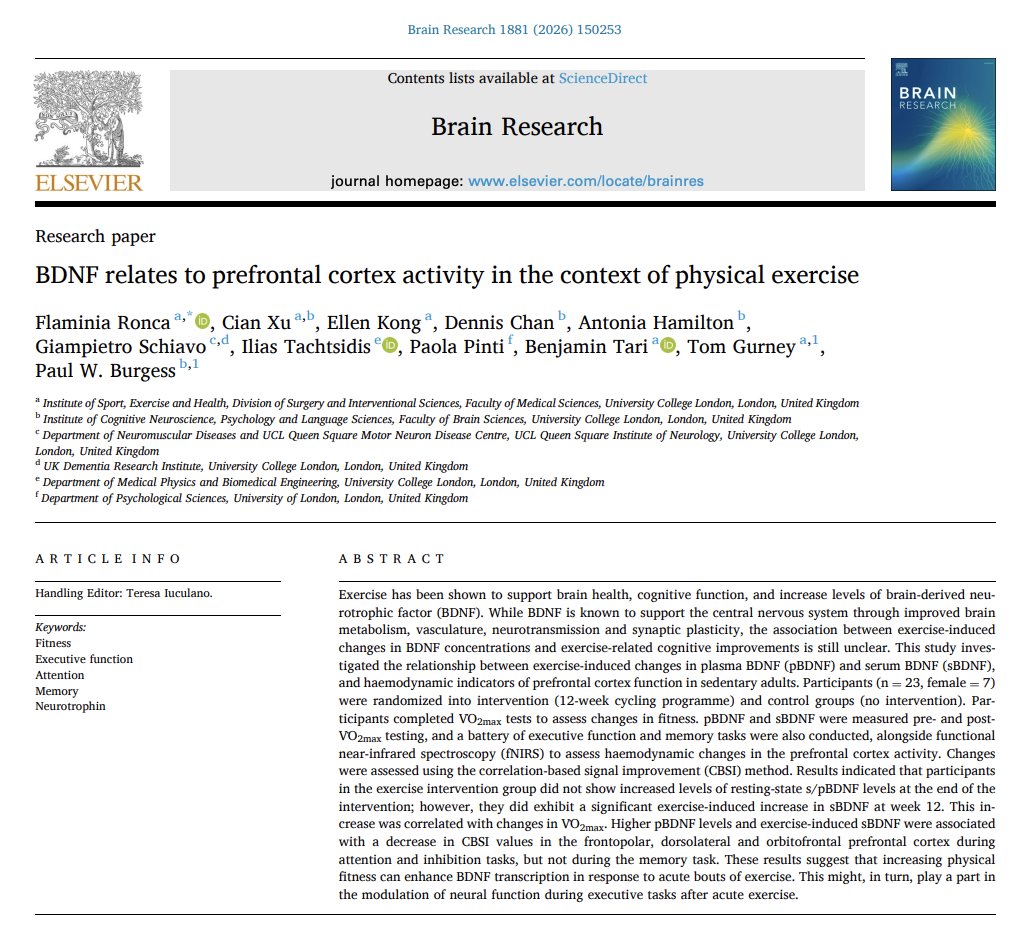
🚨 2026 Research: The Fitter You Are, The Smarter Your Brain Responds
A brand new 2026 study just uncovered how fitness rewires your brain in real time.
What the latest science shows:
- Fitness amplifies your brain boost
After 12 weeks of training, participants released more BDNF after exercise, not at rest
- VO₂ max is the key driver
The greater the improvement in aerobic fitness, the bigger the BDNF spike
- Your brain upgrades with training
Even a single workout becomes more powerful once you're fitter
- BDNF directly affects brain function
Higher post-exercise BDNF linked to changes in prefrontal cortex activity
- Executive performance gets the biggest gain
Improvements seen in attention and inhibition, not memory
- Results can start fast
Brain response improvements can begin in as little as 6 weeks
You are not just training your body. You are training your brain to respond better every single time you move.


English
Ian Smith retweetet

Ian Smith retweetet

AKI guidelines hadn’t been updated since 2012.
The KDIGO 2026 AKI/AKD Public Review Draft just dropped and it changes how we define, diagnose, and follow up after acute kidney injury.
Here’s what every nephrologist, intensivist, and internist needs to know 🧵
⚠️ Public review draft only · Not yet final guidelines
English
Ian Smith retweetet

Endocrine complications occur in 40–60% of survivors of cancer and include hypothalamic–pituitary disorders, dysregulation of steroid and peptide hormones, and dysregulation of bone and metabolism thelancet.com/journals/landi…
#OpenAccess

English

Ian Smith retweetet

Effects of Omega-3 Supplementation on Inflammation and Recovery in Sports: A Meta-Analysis
faseb.onlinelibrary.wiley.com/doi/10.1096/fj…

English
Ian Smith retweetet

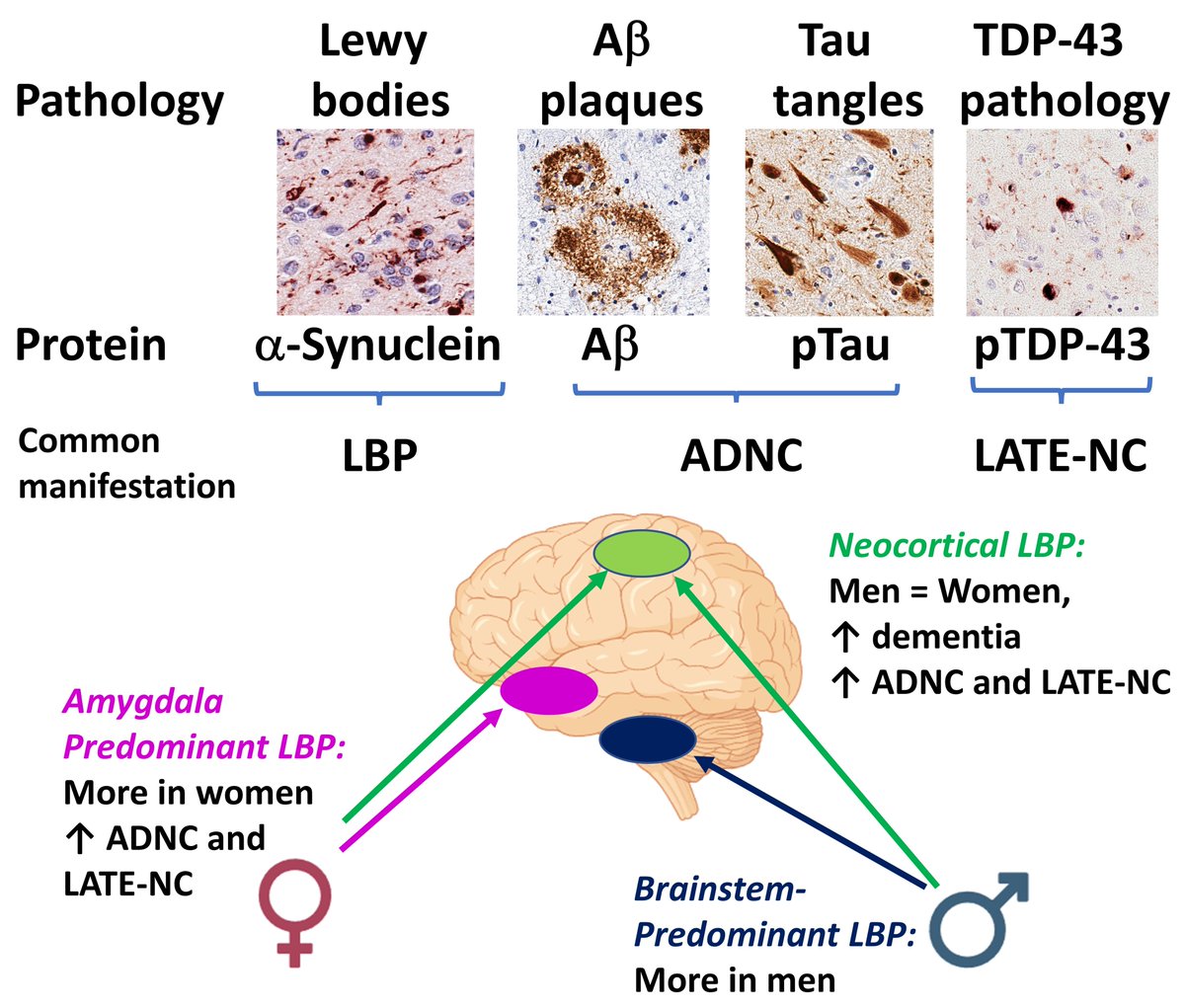
Gibson et al. analysed postmortem brains from over 7,000 older adults. Lewy body pathology was present in more than one in four, with anatomical distributions of pathology differing by sex and showing distinct associations with co-pathologies. shorturl.at/jYvlX

English
Ian Smith retweetet

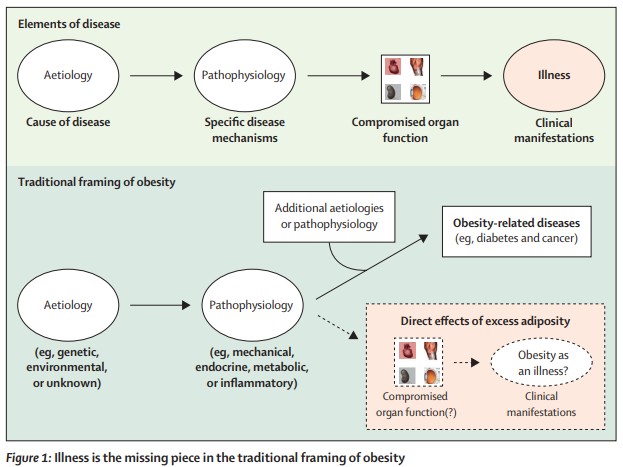
This Commission sought to define #clinical #obesity as a condition of illness that, akin to the notion of chronic disease in other medical specialties, directly results from the effect of excess adiposity on the function of organs & tissues thelancet.com/journals/landi…
#FREE w/reg

English
Ian Smith retweetet

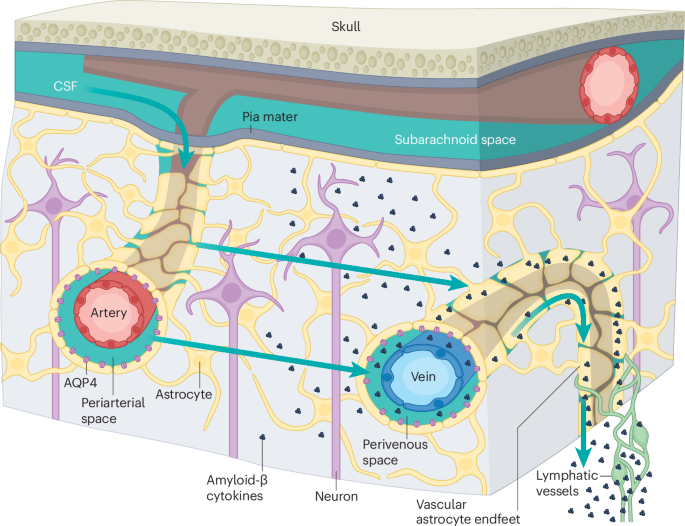
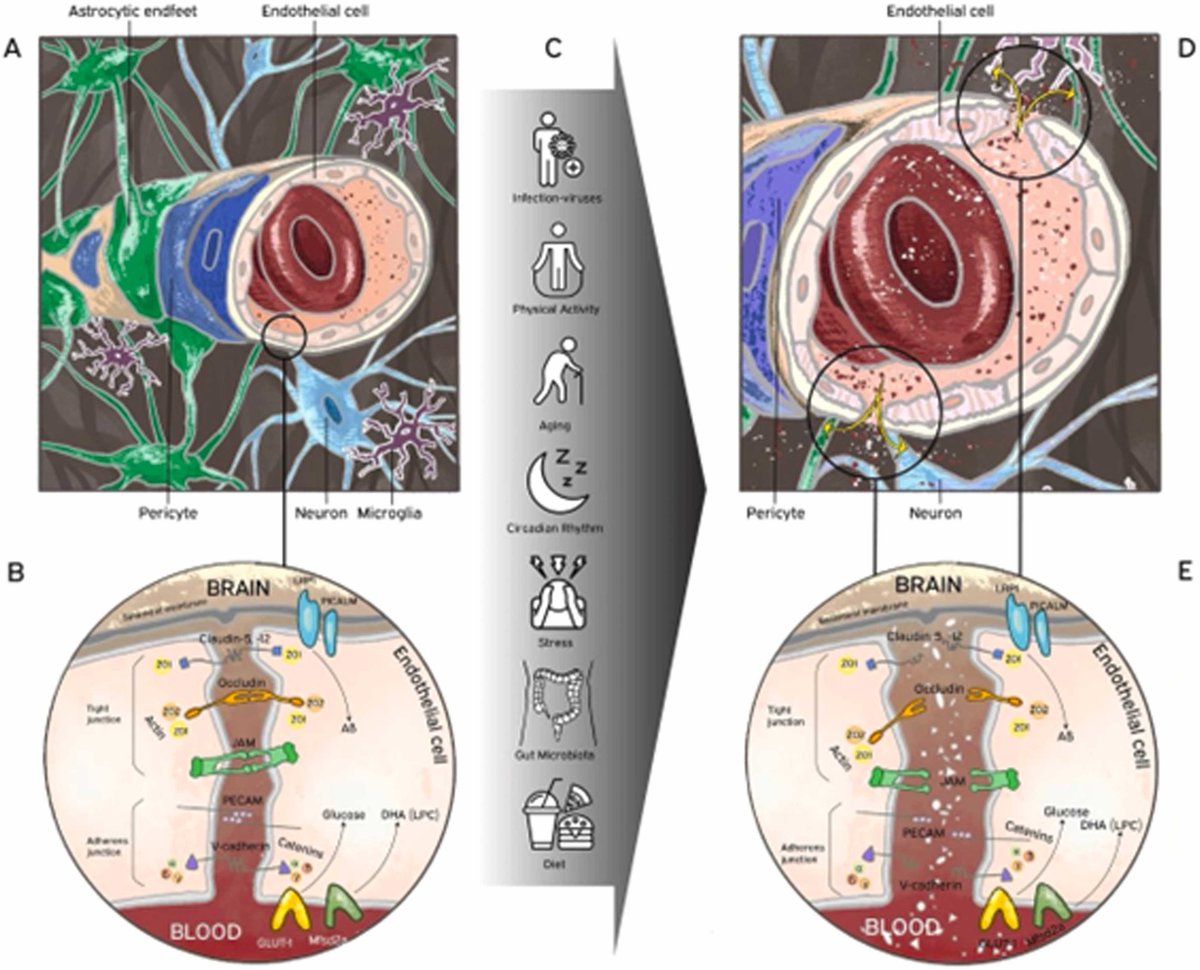
The Role of Blood-Brain Barrier Integrity in the Pathophysiology and Progression of Psychiatric Disorders
sciencedirect.com/science/articl…

English
Ian Smith retweetet
Ian Smith retweetet

The current guideline-directed medical therapy (GDMT) algorithm for managing Heart Failure with Reduced Ejection Fraction (HFrEF).
The protocol is structured into two main steps to optimize patient outcomes and reduce mortality.
academic.oup.com/eurjhf/advance…

English
Ian Smith retweetet

Ian Smith retweetet
Ian Smith retweetet

🫀Heart failure in 2026: we are no longer treating symptoms. We are redesigning the disease.
The latest evidence update reminds us of something profound:
Heart failure is no longer a single entity.
It is a spectrum, and now, finally, we are treating it as one.
Several paradigm shifts stand out.
1. SGLT2 inhibitors are no longer “add-on” therapy.
They are foundational across the entire EF spectrum.
From HFrEF to HFpEF, the data are now consistent.
Not just symptom improvement, but hard outcomes.
This may be the most important unifying therapy in modern HF.
2. HFpEF is no longer a therapeutic desert.
For the first time, we have real disease-modifying options:
Finerenone → outcome reduction across EF ranges
GLP-1 / dual incretin therapies → targeting the obesity phenotype
Structural and metabolic mechanisms are finally being addressed
We are moving from “HFpEF frustration” → HFpEF phenotyping.
3. Acute heart failure is no longer about stabilization.
It is about early transformation.
The new paradigm:
Start GDMT in-hospital
Optimize rapidly
Treat beyond congestion
Decongestion is still important, but it is no longer the goal.
Disease modification starts on day 1.
4. Decongestion is becoming precision medicine
Urine sodium-guided therapy
Early escalation of loop diuretics
Sequential nephron blockade
Not just “give furosemide”, but measure, adjust, and target response.
5. Devices are no longer rescue therapy, they are integrated care
TEER expanding from mitral → tricuspid
Pulmonary artery pressure monitoring reducing hospitalizations
Remote hemodynamics shaping outpatient management
The boundary between ICU, ward, and home is dissolving.
6. The biggest problem is no longer evidence.
It is implementation.
We already have:
Quadruple therapy
Proven outcome benefits
Yet many patients never reach target doses.
The gap is no longer science.
It is execution.
🤓Final message
Heart failure care has entered a new era:
Mechanism-based therapy
Early aggressive optimization
Phenotype-driven treatment
And perhaps most importantly:
We are no longer chasing symptoms.
We are altering the trajectory of the disease.
📃Reference
Liori S, et al. Heart failure evidence update 2026. Heart Failure Reviews. 2026. doi.org/10.1007/s10741…

English
Ian Smith retweetet

The increasing number of men presenting with functional #hypogonadism poses diagnostic challenges due to subtle clinical features and controversies in diagnostic serum #testosterone cut-offs thelancet.com/journals/landi…
#MensHealth

English
Ian Smith retweetet

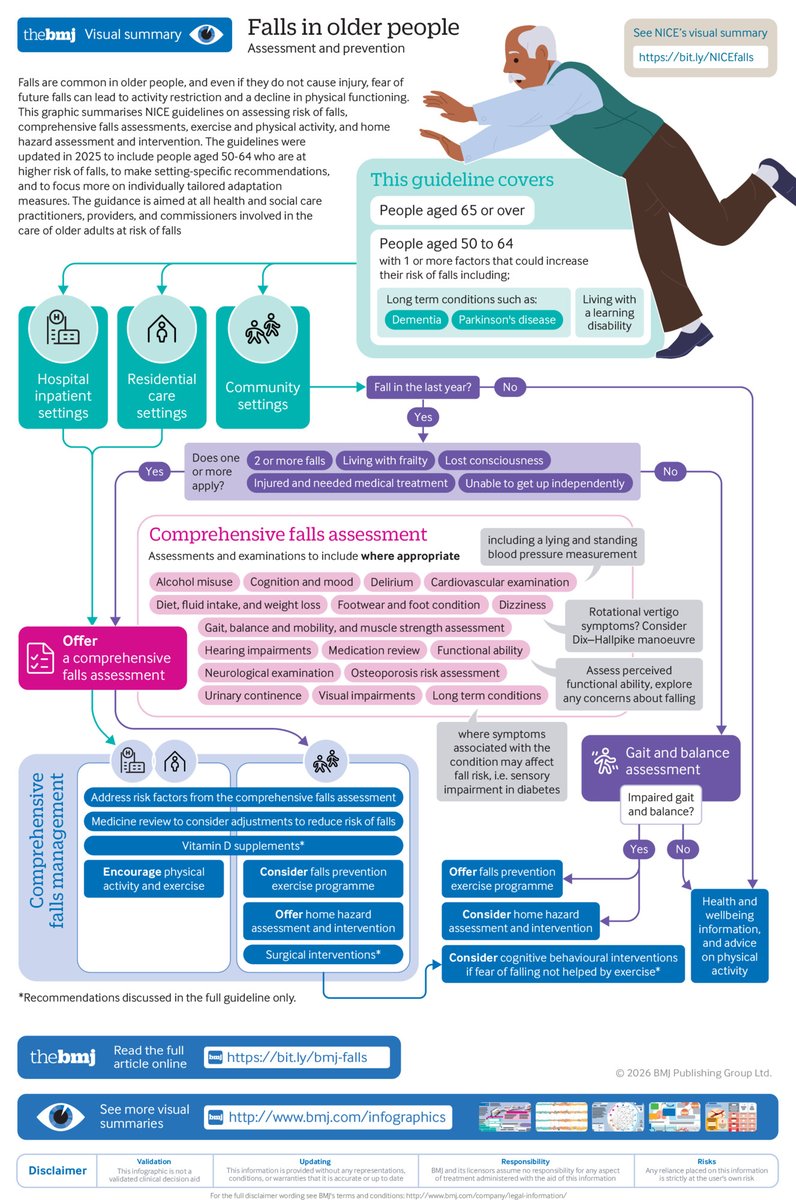
Fall related injuries are a substantial cause of morbidity and mortality.
How should doctors assess the risk of falls? A summary of NICE guidelines, including a #BMJInfographic
bmj.com/content/392/bm…

English
Ian Smith retweetet