Jairo F. Gudiño-Rosero

27.1K posts

Jairo F. Gudiño-Rosero banner
Jairo F. Gudiño-Rosero

Jairo F. Gudiño-Rosero

@JFernandoGRE

Bs.C./M.A. in Economics. Applied Math PhD student at @LearningCCL drawn to Econophysics (hard-to-predict events/networks), Computational Linguistics & Chickens.

Toulouse (🇫🇷)/Extremistan Beigetreten Aralık 2012
1.1K Folgt754 Follower
Angehefteter Tweet
Jairo F. Gudiño-Rosero
Jairo F. Gudiño-Rosero@JFernandoGRE·
[RESUMEN] El programa #PAEF tuvo efectos positivos en términos de liquidez y protección del empleo, pero estuvo mal enfocado al estar significativamente sesgado hacia empresas grandes y viejas, que a la postre no contrataron/protegieron más empleados que las medianas/pequeñas.
Jairo F. Gudiño-Rosero@JFernandoGRE

Comparto con ustedes un pre-print de mi tesis de maestría, donde intento resolver grandes preguntas del programa de ayudas a las empresas #PAEF de @UGPP_Colombia durante 2020 utilizando microdatos y algoritmos. @ofiscalpuj bit.ly/3RRB7p3

Español

2
1
13
0
Jairo F. Gudiño-Rosero retweetet
Bloomberg
Bloomberg@business·
Indonesia's government plans to take direct control of exports of some key commodities, adding to investors' concerns about a raft of policy changes under President Prabowo Subianto. Here's what to know. bloomberg.com/news/articles/…
English
10
79
213
15.2K
Jairo F. Gudiño-Rosero retweetet
Branko Milanovic
Branko Milanovic@BrankoMilan·
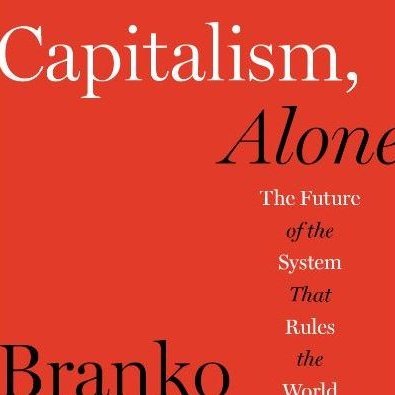
Branko Milanovic, el economista de la desigualdad: "La globalización ha destrozado la autoestima de los trabajadores de Occidente" elmundo.es/papel/el-mundo…
Español
0
12
38
3.4K
Jairo F. Gudiño-Rosero retweetet
Cliff Pickover
Cliff Pickover@pickover·
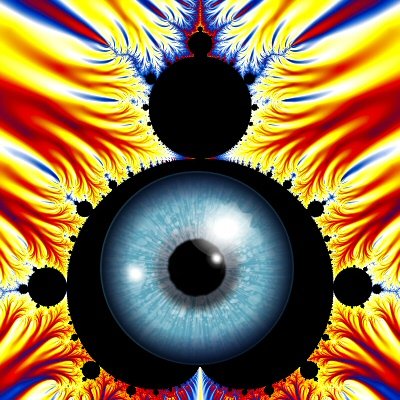
Looks like mathematics. The Shah Nematollah Vali Shrine, Mahan, Iran, 1431. The blue girih-tiled dome contains stars with, from the top, 5, 7, 9, 12, 11, 9 and 10 points in turn. Source: tinyurl.com/ycreomz6 [math, maths]
Cliff Pickover tweet media
English
2
8
58
2K
Jairo F. Gudiño-Rosero retweetet
Nassim Nicholas Taleb
Nassim Nicholas Taleb@nntaleb·
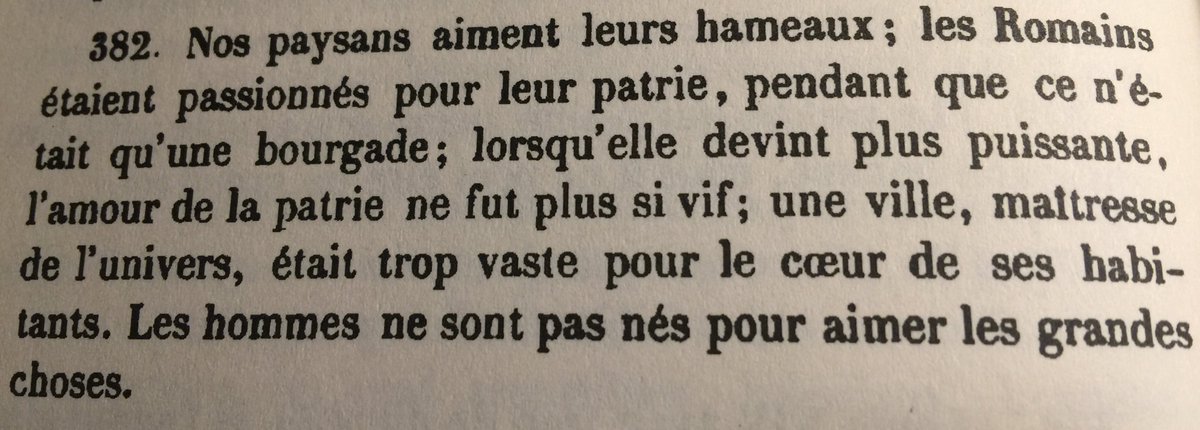
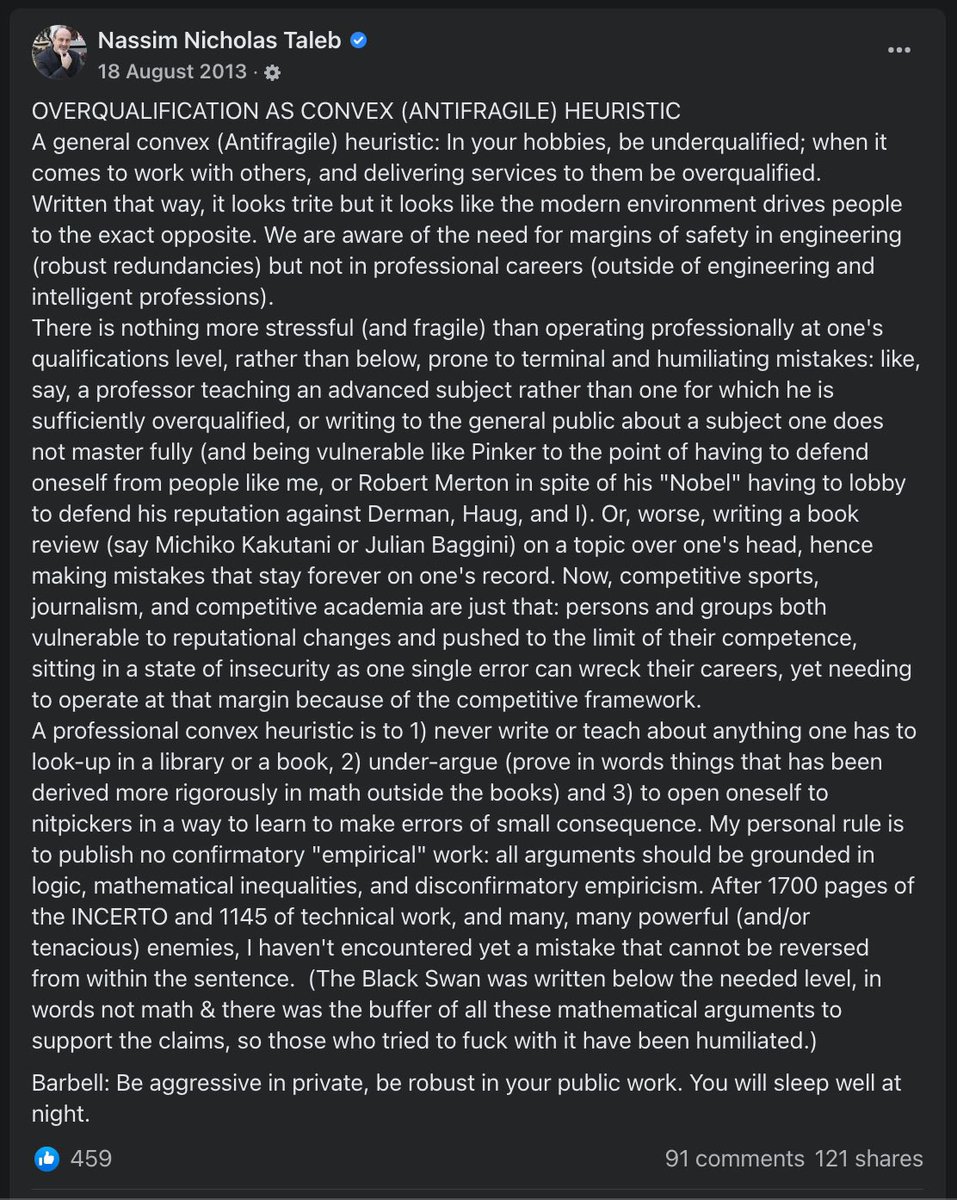
Voila! "Small is beautiful" in the moralists! Vauvenargues: "men are not born to love large things". #LindyEffect
Nassim Nicholas Taleb tweet media
English
13
58
207
0
Jairo F. Gudiño-Rosero retweetet
Science Magazine
Science Magazine@ScienceMagazine·
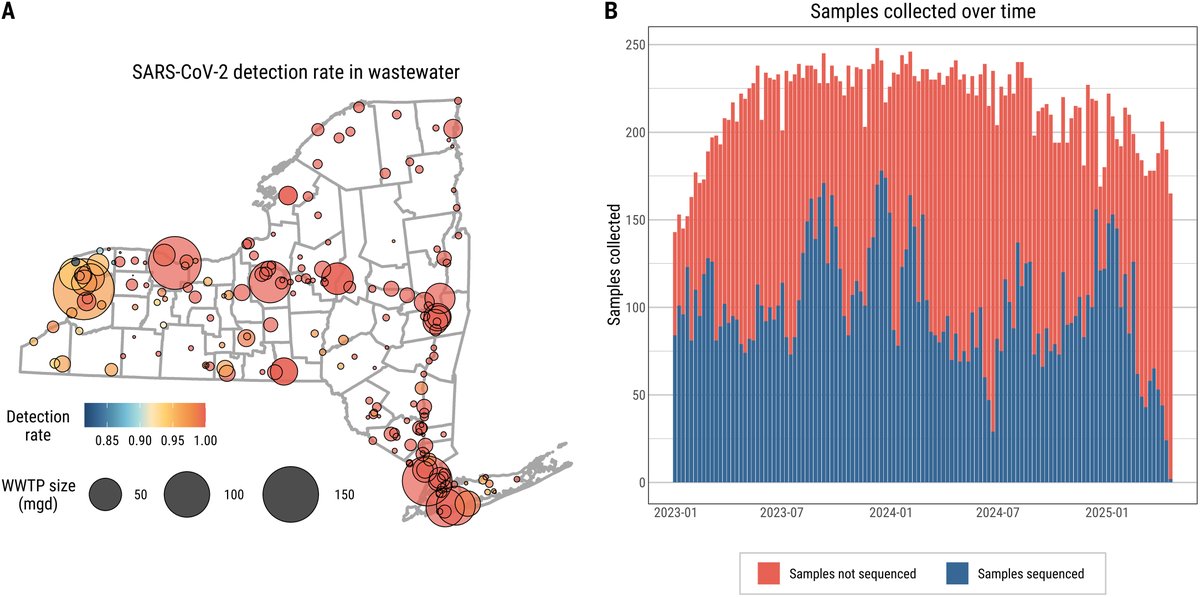
Tracking the genetic diversity of SARS-CoV-2 in wastewater, rather than just viral abundance, dramatically improves the ability to monitor and predict COVID-19 outbreaks, researchers report in Science. Their study suggests that the new approach to wastewater pathogen surveillance could serve as a powerful predictive tool for public health, providing earlier and more accurate insight into emerging waves of infection. scim.ag/4tOcCeC
Science Magazine tweet media
English
2
12
49
13.5K
Jairo F. Gudiño-Rosero retweetet
OSWALDO CORTES
OSWALDO CORTES@oswaldoaves·
Este colibrí, con su estilo punk y barba verde, es una joya de los páramos de Bogotá, específicamente en Sumapaz y Usme. y lo fascinante es que atrae a miles de extranjeros que vienen a Colombia para verlo y fotografiarlo. Es una pena que no conozcamos mejor nuestra biodiversidad y personas de otros países si la aprecien. PD: Mi cámara no le hace justicia a este hermoso colibrí ¡Es un verdadero tesoro!
OSWALDO CORTES tweet media
Español
15
217
896
7.6K
Jairo F. Gudiño-Rosero retweetet
Relearning Economics
Relearning Economics@RelearningEcon·
"System dynamics models do not require or assume equilibrium. They explicitly model the processes of adjustment, often long, delayed, and unstable, that shape real systems." -John Sterman
Relearning Economics tweet media
English
0
17
58
2.2K
Jairo F. Gudiño-Rosero retweetet
Peter John Lambert
Peter John Lambert@pj_lambert·
Is GenAI causing the relative decline in early-career hiring? Our latest research finds that these effects may be conflated with another important driver: the rise of WFH arrangements (1/N)
Peter John Lambert tweet media
English
26
230
892
451.8K
Jairo F. Gudiño-Rosero retweetet
prinz
prinz@deredleritt3r·
"The model didn’t 'invent' any 'new mathematics', [but] merely being able to know deeply all the results in a scientific field, and being able to use all known arguments expertly and with just the right choice of parameters, that alone can lead to a ton of breakthroughs, and this is not just limited to mathematics, this type of (extremely) solid expert execution is the bread and butter of many many scientific advances."
Sebastien Bubeck@SebastienBubeck

x.com/i/article/2057…

English
28
105
1.3K
138.7K
Jairo F. Gudiño-Rosero retweetet
Yann LeCun
Yann LeCun@ylecun·
People are realizing that AIs are nowhere near human intelligence and learning abilities. Yet they have become very useful by compensating for their lack of common sense, lack of understanding of reality, and limited reasoning and planning abilities, by the accumulation of enormous amounts of declarative knowledge.
English
168
275
3.1K
224.7K
Jairo F. Gudiño-Rosero retweetet
EL PAÍS América
EL PAÍS América@elpais_america·
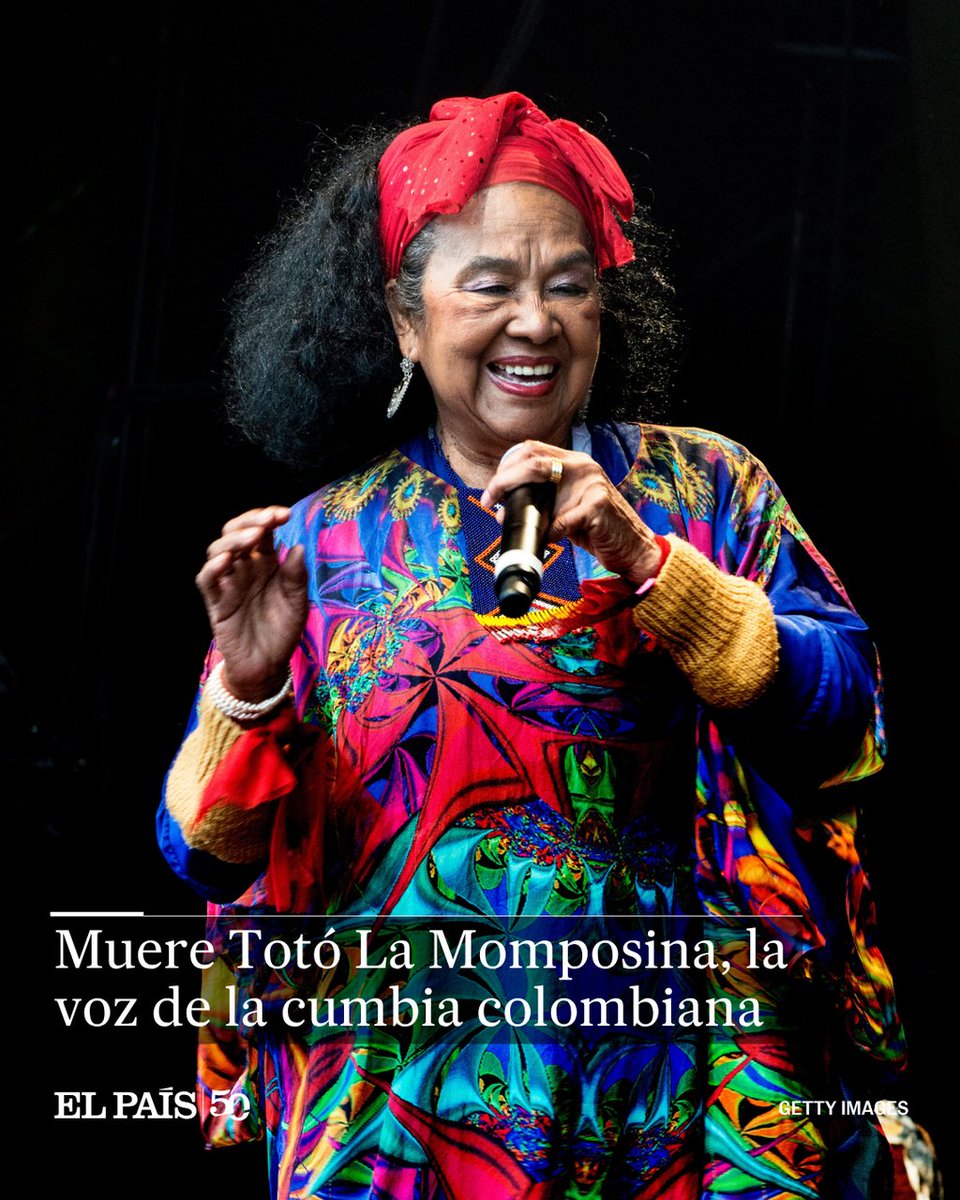
🔴ÚLTIMA HORA | Ha muerto una voz insignia para la cumbia, el porro, el bullerengue y el mapalé. La colombiana Sonia Bazanta Vides, mejor conocida como Totó La Momposina, ha fallecido este martes a sus 85 años dozz.es/o7uvt13
EL PAÍS América tweet media
Español
5
84
264
6.6K
Jairo F. Gudiño-Rosero retweetet
Kevin Hartmann
Kevin Hartmann@KevinHartmannC·
¿Cuándo y por qué equiparamos verbos como "criticar", "controvertir", "replicar", "contestar", "discutir", "polemizar", "debatir" o "responder" con la palabra "atacar"?
Español
7
50
169
12.1K
Jairo F. Gudiño-Rosero retweetet
Prashant Garg
Prashant Garg@Prashant_Garg_·
We know surprisingly little about how automation will unfold outside rich countries. So we built the Global Automation Atlas: 18,000 tasks, 124 countries, and 2.3 million task-country comparisons.
English
21
127
570
102.8K
Jairo F. Gudiño-Rosero retweetet
Ihtesham Ali
Ihtesham Ali@ihtesham2005·
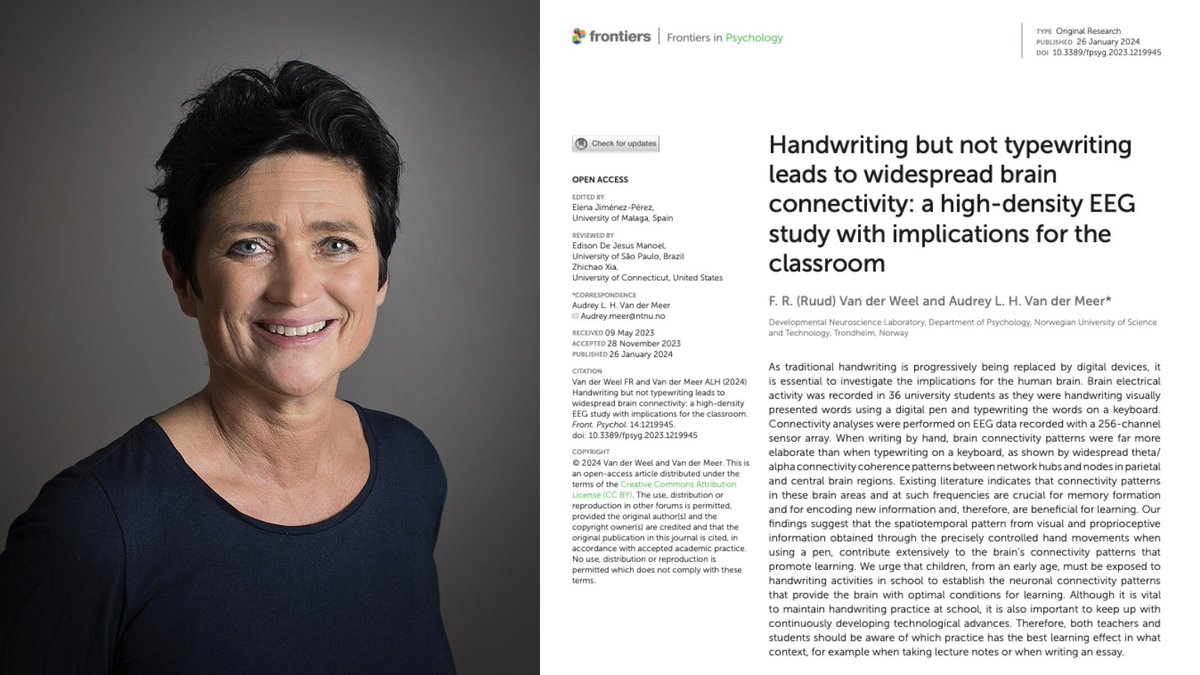
A Norwegian neuroscientist spent 20 years proving that the act of writing by hand changes the human brain in ways typing physically cannot, and almost nobody outside her field has read the paper. Her name is Audrey van der Meer. She runs a brain research lab in Trondheim, and the paper that closed the argument was published in 2024 in a journal called Frontiers in Psychology. The finding is brutal enough that it should have changed every classroom on Earth. The experiment was simple. She recruited 36 university students and put each one in a cap with 256 sensors pressed against their scalp to record brain activity. Words flashed on a screen one at a time. Sometimes the students wrote the word by hand on a touchscreen using a digital pen, and sometimes they typed the same word on a keyboard. Every neural response was recorded for the full five seconds the word stayed on screen. Then her team looked at the part of the data most researchers had ignored for years, which is how different parts of the brain were communicating with each other during the task. When the students wrote by hand, the brain lit up everywhere at once. The regions responsible for memory, sensory integration, and the encoding of new information were all firing together in a coordinated pattern that spread across the entire cortex. The whole network was awake and connected. When the same students typed the same word, that pattern collapsed almost completely. Most of the brain went quiet, and the connections between regions that had been alive seconds earlier were nowhere to be found on the EEG. Same word, same brain, same person, and two completely different neurological events. The reason turned out to be something nobody had really paid attention to before her work. Writing by hand is not one motion but a sequence of thousands of tiny micro-movements coordinated with your eyes in real time, where each letter is a different shape that requires the brain to solve a slightly different spatial problem. Your fingers, wrist, vision, and the parts of your brain that track position in space are all working together to produce one letter, then the next, then the next. Typing throws all of that away. Every key on a keyboard requires the exact same finger motion regardless of which letter you are pressing, which means the brain has almost nothing to integrate and almost no problem to solve. Van der Meer said it plainly in her interviews. Pressing the same key with the same finger over and over does not stimulate the brain in any meaningful way, and she pointed out something that should scare every parent who handed their kid an iPad. Children who learn to read and write on tablets often cannot tell letters like b and d apart, because they have never physically felt with their bodies what it takes to actually produce those letters on a page. A decade before her, two researchers at Princeton ran the same fight using a completely different method and ended up at the same answer. Pam Mueller and Daniel Oppenheimer tested 327 students across three experiments, where half took notes on laptops with the internet disabled and half took notes by hand, before testing everyone on what they actually understood from the lectures they had watched. The handwriting group won by a wide margin on every question that required real understanding rather than surface recall. The reason was hiding in the transcripts of what the two groups had actually written down. The laptop students typed almost word for word, capturing more total content but processing almost none of it as they went, while the handwriting students physically could not write fast enough to transcribe a lecture in real time, which forced them to listen carefully, decide what actually mattered, and put it in their own words on the page. That single act of choosing what to keep was the learning itself, and the keyboard had quietly skipped the choosing and skipped the learning along with it. Two studies. Two countries. Same answer. Handwriting makes the brain work. Typing lets it coast. Every note you have ever typed instead of written went into your brain through a thinner pipe. Every meeting, every book highlight, every idea you captured on your phone instead of on paper was processed at half depth. You did not forget those things because your memory is bad. You forgot them because typing never woke the part of the brain that would have made them stick. The fix is the thing your grandmother already knew. Pick up a pen. Write the thing down. The slower road is the faster one.
Ihtesham Ali tweet media
English
2.4K
44.3K
119.4K
9.5M
Jairo F. Gudiño-Rosero retweetet
Nassim Nicholas Taleb
If a lobby can buy an election, it's not a democracy, period. And if an evil lobby can buy an election, it's far worse than any form of autocracy. Let that sink in.
English
145
1.5K
6.9K
180.3K