David

164 posts

David banner
David

David

@JewAnalyst

Examining Jewish history, rabbinic literature, and theology—and their real-world implications.

Beigetreten Ocak 2026
0 Folgt8 Follower
David
David@JewAnalyst·
The Peleset, Ph'listm, Phillistines, or Palestinians as we now call them, settled in modern day Palestine and established the Philistine Pentapolis (Gaza, Ashkelon, Ashdod, Ekron, Gath) after their defeat against Ramsesses III, ca. 1050 BC. For context, the earliest known historical mention of Yahweh (YHWH) outside the Hebrew Bible appears in an Egyptian inscription from the temple of Soleb (in modern-day Sudan), built during the reign of Pharaoh Amenhotep III (ca. 1390–1352 BC)
English
0
0
0
4
Rabbi Poupko
Rabbi Poupko@RabbiPoupko·
What does European colonialism look like? In 1908, Irish archaeologist R. A. Stewart Macalister discovered THE OLDEST Hebrew writing in the world while excavating the Tel Gezer area in the land of Israel. He passed the 3000-year-old tablet on to the local Turkish authorities, who then took it to a museum in Istanbul, where it sits to this very day. Why don't Palestinians ever claim this sacred piece of history? Because it is in Hebrew and shows who this land has belonged to over 3000 years.
Rabbi Poupko tweet media
English
15
272
812
10.9K
David
David@JewAnalyst·
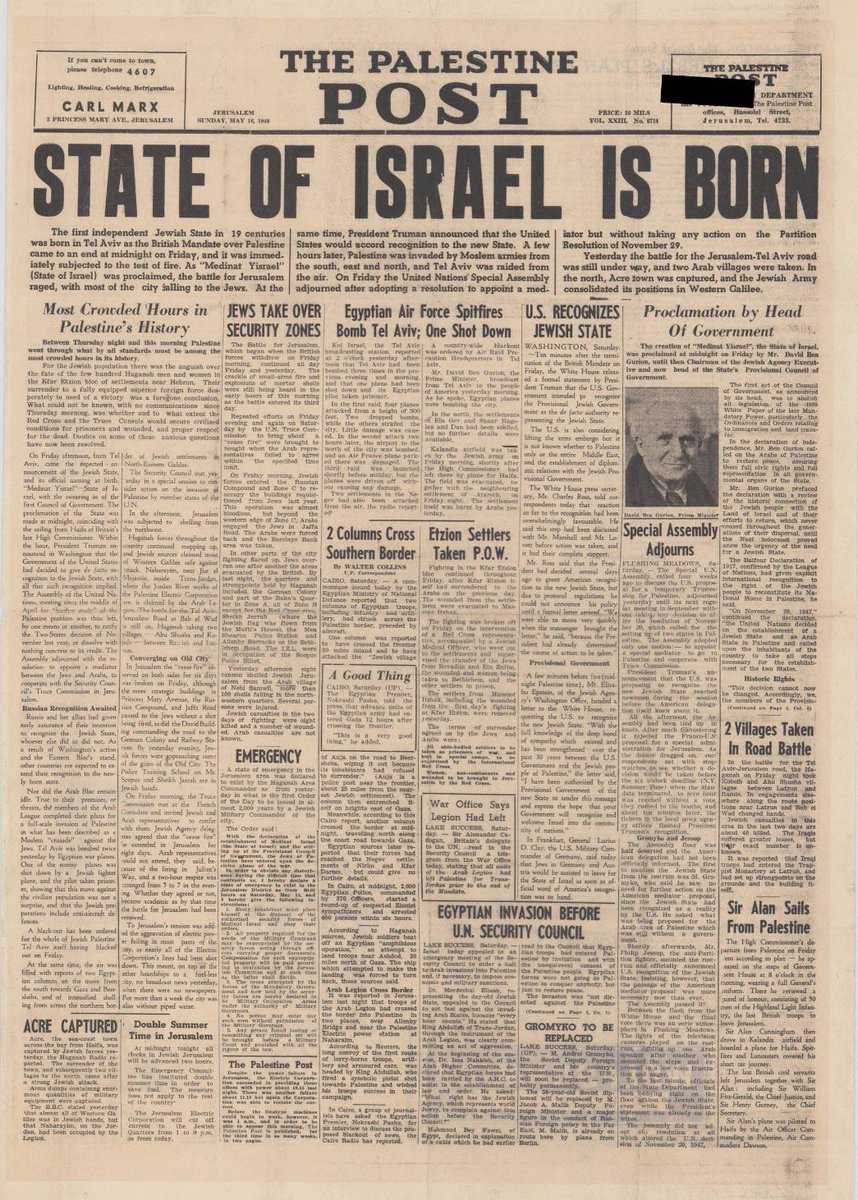
@jina_huh @IhabHassane Perhaps it would be believable if this wasn't the status quo for the past eighty years, and in fact the very foundation of the State of Israel.
David tweet media
English
0
0
0
5
Ihab Hassan
Ihab Hassan@IhabHassane·
HORRIFIC: Israeli settlers are carrying out a pogrom right now in the village of Jalud in the West Bank, setting homes and cars on fire and injuring three people. This is the third time they have attacked the village tonight.
English
79
977
2.2K
530.3K
David
David@JewAnalyst·
The Peleset, Ph'listm, Phillistines, or Palestinians as we now call them, settled in modern day Palestine and established the Philistine Pentapolis (Gaza, Ashkelon, Ashdod, Ekron, Gath) after their defeat against Ramsesses III, ca. 1050 BC. For context, the earliest known historical mention of Yahweh (YHWH) outside the Hebrew Bible appears in an Egyptian inscription from the temple of Soleb (in modern-day Sudan), built during the reign of Pharaoh Amenhotep III (ca. 1390–1352 BC)
English
0
1
0
18
Haim gozali
Haim gozali@HAIM__GOZALI·
A history lesson for every anti Semite out there. Many people use the name “Palestine” as if it always referred to an ancient nation or a specific people. The historical story is actually different. The word “Palestine” was originally a geographic name used by empires to describe a region in the Middle East, not the name of a nation or ethnic group. After the Bar Kokhba revolt in 135 CE, the Roman emperor Hadrian changed the name of the province of Judea to Syria Palaestina. Historians generally agree that the change was intended to weaken the Jewish connection to the land. The name itself was derived from the Philistines, an ancient people who lived mainly along the coastal area around what is today Gaza. For many centuries after that, under the Byzantine Empire, early Islamic rule, the Ottoman Empire, and later the British, “Palestine” remained mainly a geographic term for the region. There was no independent state called Palestine during those periods. During the time of the British Mandate in the early twentieth century, the term “Palestinian” was used for anyone living in the territory, including Jews, Christians, and Muslims. For example, Jewish institutions sometimes used the name as well, and passports issued by the British authorities were called Palestine passports. The modern political use of the term Palestinian people as a distinct national identity developed mainly during the twentieth century. The history of the Middle East is complex, but understanding how the name “Palestine” was used over time helps explain why the discussion about identity and history in this region is still debated today.
Haim gozali tweet media
English
27
108
316
6.1K
David
David@JewAnalyst·
@AdamRFisher @grok, what was the indigenous Jewish population, the Old Yishuv, overwhelming stance on Zionism?
English
1
0
0
14
Adam Fisher
Adam Fisher@AdamRFisher·
Our enemies call us “Judeans.” In Arabic: يهودي (yahūdī) In Farsi: یهودی (yahudi) In Turkish: Yahudi All mean the same thing: people from Judea. A people whose name reflects their territorial origin. The same ancient people with an undeniable tie to the land. It's identical in Latin: Iudaei,  and of course, in Hebrew: יהודי (Yehudi). The distinction between “Jew" and “Judean” in other languages emerged in the diaspora, where Jews were stripped of their territorial identity and reduced, in the eyes of others, to followers of a religion. This linguistic disconnect fuels Western “settler-colonial” vs “indigenous” narrative. Yet our enemies’ own languages preserve the undeniable truth their propaganda ignores: Jews are from Judea.
English
233
370
1.9K
46.4K
David
David@JewAnalyst·
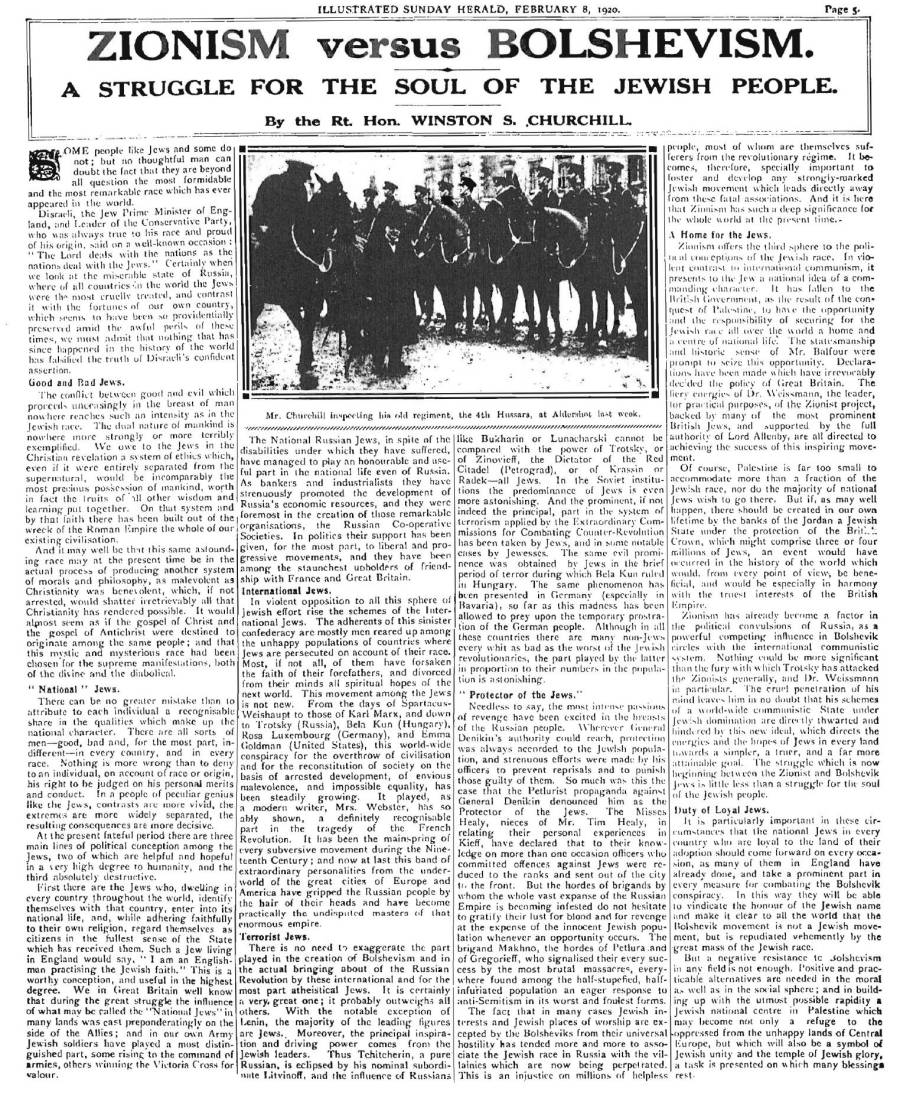
In a 1920 article, “Zionism Versus Bolshevism,” in the 8 February 1920 Illustrated Sunday Herald, Churchill mentioned—accurately—that Bolsheviks were Jews—and also gave a reason: They were people “reared up among the unhappy populations of countries where Jews are persecuted on account of their race.” He then named names: "This movement among the Jews is not new. From the days of Spartacus-Weishaupt to those of Karl Marx, and down to Trotsky (Russia), Bela Kun (Hungary), Rosa Luxembourg (Germany), and Emma Goldman (United States), this world-wide conspiracy for the overthrow of civilisation and for the reconstitution of society on the basis of arrested development, of envious malevolence, and impossible equality, has been steadily growing …. There is no need to exaggerate the part played in the creation of Bolshevism and in the actual bringing about of the Russian Revolution by these international—and for the most part—atheistical Jews."
David tweet media
English
0
0
0
19
israeliguy
israeliguy@HaronMatan·
@JewAnalyst @rich_toronto bolsheviks were atheists, that was their all idea, this also wasnt because of their religion and it wasnt religion fueled, and most were christain of all kinds before being atheist/marxist.
English
1
0
0
15
Rich Toronto
Rich Toronto@rich_toronto·
No way! “They” erased something from history books that was never there about something that never happened! “They” must have super powers! Maybe “they” have a weather machine and a space laser too!
Yasir Khan@YasirRkhan111

@rich_toronto

English
3
1
23
519
Scripture Speaks
Scripture Speaks@scripturesvoice·
Man, some accounts on here behave like they want the Jews to reject Jesus. If the Jews started coming to Christ en masse, their clicks and likes would dry up. The allure of a negative headline could no longer entice.
English
8
0
28
1.5K
Josh Howie
Josh Howie@joshxhowie·
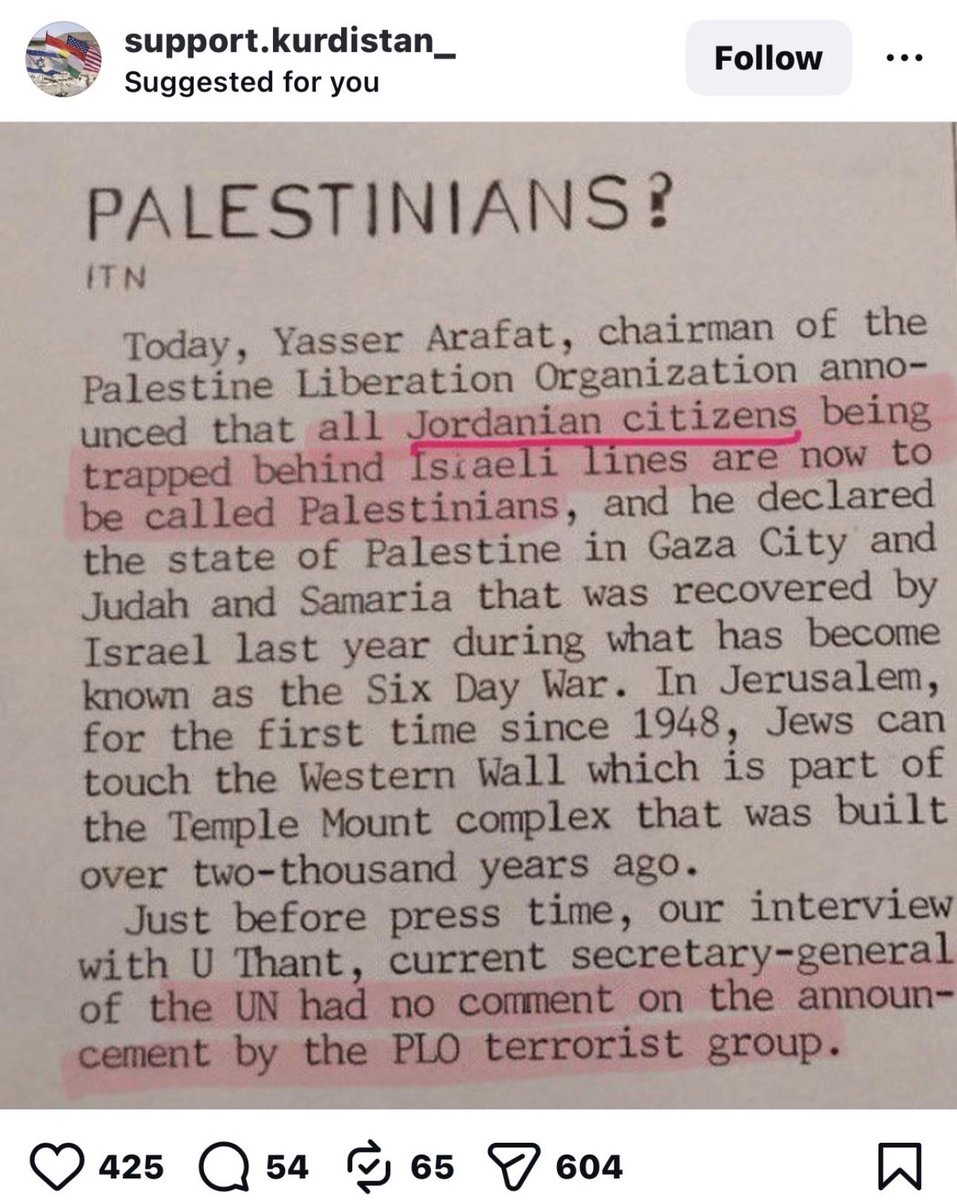
Fun fact. Palestinians weren’t called Palestinians until 1968. Bonus fun fact. Before that, Palestinians meant Jews.
Josh Howie tweet media
English
612
2K
6.9K
164.4K
David
David@JewAnalyst·
David@JewAnalyst

The Uncomfortable Truth of the Dead Sea Scrolls: Yahweh as One of the “Sons of God” and the Canaanite Origins of Biblical Faith The most revealing—and for some, unsettling—discoveries from the Dead Sea Scrolls concerns a single verse in the Book of Deuteronomy. It challenges the long-held assumption that ancient Israel’s religion was strictly monotheistic from its earliest days, confirming further more the deep roots in the polytheistic world of ancient Canaan. The passage is Deuteronomy 32:8-9, part of the ancient “Song of Moses.” In the standard Hebrew Bible, it reads:“When Elyon [the Most High] apportioned the nations, when he divided humankind, he fixed the boundaries of the peoples according to the number of the sons of Israel. For the Lord’s portion is his people; Jacob is his allotted heritage.” But the older manuscripts preserved in the Dead Sea Scrolls (specifically fragments like 4QDeut^j from around 100 BCE) and the ancient Greek Septuagint translation tell a very different story: “When Elyon gave the nations as an inheritance, when he separated the sons of man, he set the boundaries of the peoples according to the number of the sons of God [bene elohim or bene el]. For Yahweh’s portion was his people; Jacob was the lot of his inheritance.” Scholars across the spectrum—including textual critics and biblical historians—agree that the “sons of God” version is the original. The change to “sons of Israel” was a deliberate scribal alteration, likely made centuries later to remove what had become theologically embarrassing references to other divine beings. To understand why this verse was altered, we must step back into the world of ancient Canaan—the cultural and religious matrix from which Israel emerged around 1200 BCE. The key evidence comes from the spectacular discovery in 1929 of the city of Ugarit (modern Ras Shamra in Syria), a major Canaanite port that flourished between roughly 1400–1200 BCE. Excavations uncovered thousands of clay tablets written in Ugaritic, a language closely related to biblical Hebrew. These texts paint a vivid picture of Canaanite religion: El (also called El Elyon, “God Most High,” or “Bull El”) was the patriarchal head of the pantheon—the wise creator, father of gods and humans. His consort was Asherah, “Creatress of the gods” and mother of the divine family. Together they had seventy sons—the “sons of El” or “sons of God” (Ugaritic bn il or bn athrt). These formed the divine council or assembly that governed the cosmos. The number seventy is no coincidence. It exactly matches the traditional seventy nations listed in Genesis 10 (the “Table of Nations”). In Canaanite mythology, El Elyon divided the world among his seventy divine sons, each receiving a people and territory as an inheritance. Now return to Deuteronomy 32:8-9. The “Most High” (Elyon) is the one doing the dividing—precisely the role of the high god El in Ugaritic texts. He assigns each nation to one of the “sons of God.” Then comes the crucial line: “Yahweh’s portion is his people; Jacob is his allotted heritage.” In the older worldview preserved by the Dead Sea Scrolls, this means Yahweh was one of those seventy divine sons. El Elyon gave him the people of Israel as his special inheritance—just as other sons received other nations. This fits a broader pattern in the Hebrew Bible, henotheism—the worship of one god (Yahweh) while acknowledging the existence of others. Traces remain: Psalm 82 depicts God standing in the divine council, judging the other gods. Deuteronomy 4:19-20 says Yahweh allotted the heavenly bodies to the other nations but took Israel for himself. Inscriptions from Kuntillet Ajrud (8th century BC) even mention “Yahweh…and his Asherah,” showing that some Israelites still paired Yahweh with El’s consort. After the Babylonian Exile, the Israelite religion evolved, and Yahweh absorbed El’s titles, and the other “sons of God” were demoted to angels or declared non-existent.

English
0
0
0
3
Oliver Burdick
Oliver Burdick@oliverburdick·
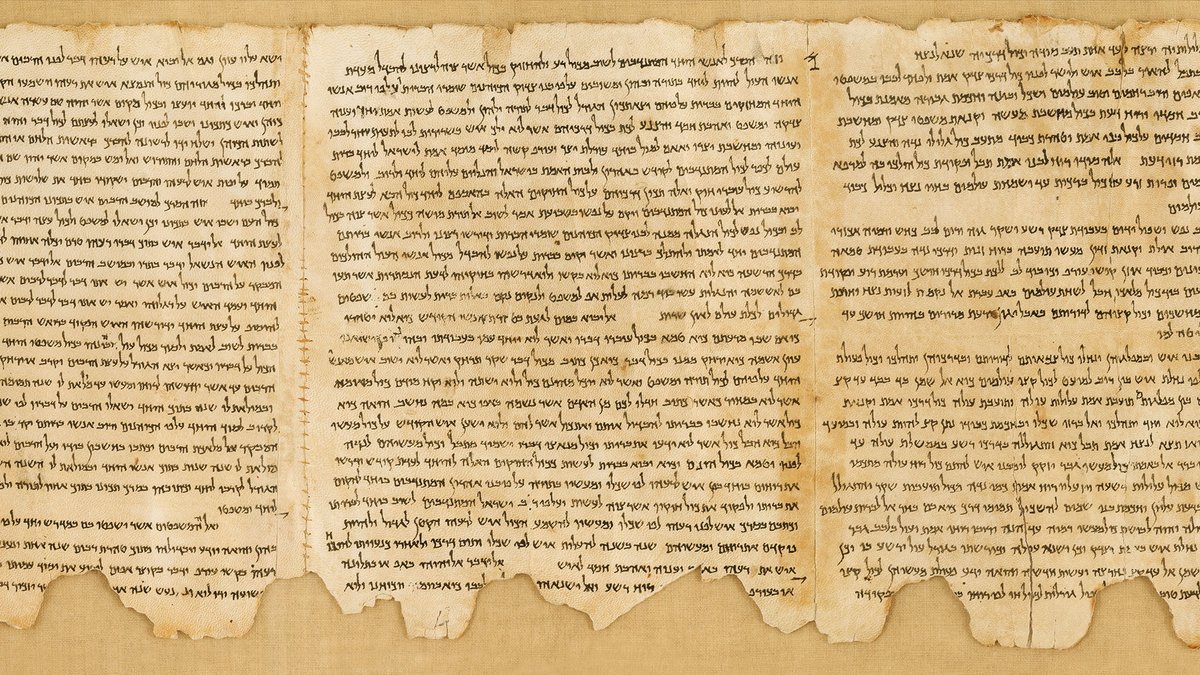
The Dead Sea Scrolls (discovered in 1947) contain manuscripts of the Book of Isaiah from over 2000 years ago. When compared to the copies we have today, the text was nearly identical. Isaiah 40:8 - "The word of our God endures forever.”
Oliver Burdick tweet media
English
42
345
1.5K
18.3K
David
David@JewAnalyst·
The Uncomfortable Truth of the Dead Sea Scrolls: Yahweh as One of the “Sons of God” and the Canaanite Origins of Biblical Faith The most revealing—and for some, unsettling—discoveries from the Dead Sea Scrolls concerns a single verse in the Book of Deuteronomy. It challenges the long-held assumption that ancient Israel’s religion was strictly monotheistic from its earliest days, confirming further more the deep roots in the polytheistic world of ancient Canaan. The passage is Deuteronomy 32:8-9, part of the ancient “Song of Moses.” In the standard Hebrew Bible, it reads:“When Elyon [the Most High] apportioned the nations, when he divided humankind, he fixed the boundaries of the peoples according to the number of the sons of Israel. For the Lord’s portion is his people; Jacob is his allotted heritage.” But the older manuscripts preserved in the Dead Sea Scrolls (specifically fragments like 4QDeut^j from around 100 BCE) and the ancient Greek Septuagint translation tell a very different story: “When Elyon gave the nations as an inheritance, when he separated the sons of man, he set the boundaries of the peoples according to the number of the sons of God [bene elohim or bene el]. For Yahweh’s portion was his people; Jacob was the lot of his inheritance.” Scholars across the spectrum—including textual critics and biblical historians—agree that the “sons of God” version is the original. The change to “sons of Israel” was a deliberate scribal alteration, likely made centuries later to remove what had become theologically embarrassing references to other divine beings. To understand why this verse was altered, we must step back into the world of ancient Canaan—the cultural and religious matrix from which Israel emerged around 1200 BCE. The key evidence comes from the spectacular discovery in 1929 of the city of Ugarit (modern Ras Shamra in Syria), a major Canaanite port that flourished between roughly 1400–1200 BCE. Excavations uncovered thousands of clay tablets written in Ugaritic, a language closely related to biblical Hebrew. These texts paint a vivid picture of Canaanite religion: El (also called El Elyon, “God Most High,” or “Bull El”) was the patriarchal head of the pantheon—the wise creator, father of gods and humans. His consort was Asherah, “Creatress of the gods” and mother of the divine family. Together they had seventy sons—the “sons of El” or “sons of God” (Ugaritic bn il or bn athrt). These formed the divine council or assembly that governed the cosmos. The number seventy is no coincidence. It exactly matches the traditional seventy nations listed in Genesis 10 (the “Table of Nations”). In Canaanite mythology, El Elyon divided the world among his seventy divine sons, each receiving a people and territory as an inheritance. Now return to Deuteronomy 32:8-9. The “Most High” (Elyon) is the one doing the dividing—precisely the role of the high god El in Ugaritic texts. He assigns each nation to one of the “sons of God.” Then comes the crucial line: “Yahweh’s portion is his people; Jacob is his allotted heritage.” In the older worldview preserved by the Dead Sea Scrolls, this means Yahweh was one of those seventy divine sons. El Elyon gave him the people of Israel as his special inheritance—just as other sons received other nations. This fits a broader pattern in the Hebrew Bible, henotheism—the worship of one god (Yahweh) while acknowledging the existence of others. Traces remain: Psalm 82 depicts God standing in the divine council, judging the other gods. Deuteronomy 4:19-20 says Yahweh allotted the heavenly bodies to the other nations but took Israel for himself. Inscriptions from Kuntillet Ajrud (8th century BC) even mention “Yahweh…and his Asherah,” showing that some Israelites still paired Yahweh with El’s consort. After the Babylonian Exile, the Israelite religion evolved, and Yahweh absorbed El’s titles, and the other “sons of God” were demoted to angels or declared non-existent.
Oliver Burdick@oliverburdick

The Dead Sea Scrolls (discovered in 1947) contain manuscripts of the Book of Isaiah from over 2000 years ago. When compared to the copies we have today, the text was nearly identical. Isaiah 40:8 - "The word of our God endures forever.”

English
0
0
0
28
David
David@JewAnalyst·
@SpiritedIrish @FatherAltman Yahweh was originally one of the seventy sons of El, the Almighty Canaanite God, and thus brother of Baal.
English
0
0
0
15
SpiritedIrish
SpiritedIrish@SpiritedIrish·
Bolsheviks/Zionists killed over 60 million Christians between 1917-1946. Friday James Altman True. And as today's Zionist atheists and Leftists are talmudists, if we trace the talmud to its beginnings we find the Pharisees. So Zionists and Leftists are cut from the cloth of the Pharisees. They are also of the cloth of the Israelis who ran after Baal and other Canaanite gods during the time of Isaiah. When Isaiah cried out to God--Lord no one hears me, the Lord answered: I have my remnant, they will hear you. So we know the faithful remnant is not the faithless, even God-hating Baal and self worshipping Left and Zionist atheists (some are Baal worshippers like Epstein) trampling down faithful Christians today.
English
2
3
12
623
Fr. James Altman
Fr. James Altman@FatherAltman·
Bolsheviks/Zionists killed over 60 million Christians between 1917-1946. As we speak they are targeting, killing and ethnically cleansing Christians in the Holy Land ad surrounding countries. So. Bottom line. The Zionists can take their "anti-semite" card and shove it straight up where the sun don't shine. It's time 2.8 billion Christians stand up and oppose the 16.9 million Zionists in the world. FIGURE IT OUT, dear family. Zionists crucified Jesus. Nothing has changed.
conspiracybot@conspiracyb0t

Between 1917-1946, the Bolsheviks killed over 60 million Christians... yet, you won't be taught about that

English
182
2K
5.2K
82.6K
David
David@JewAnalyst·
The book of Hebrews declares that Jesus mediates a superior covenant: “But as it is, Christ has obtained a ministry that is as much more excellent than the old as the covenant he mediates is better, since it is enacted on better promises. … In speaking of a new covenant, he makes the first one obsolete. And what is becoming obsolete and growing old is ready to vanish away.” (Hebrews 8:6, 13) It then quotes the Old Testament promise verbatim (Hebrews 8:8-12, citing Jeremiah 31:31-34): “Behold, the days are coming, declares the Lord, when I will establish a new covenant with the house of Israel and with the house of Judah … I will put my laws into their minds, and write them on their hearts … For I will be merciful toward their iniquities, and I will remember their sins no more.” The new covenant, promised to the house of Israel and Judah, is fulfilled in Christ. The old covenant is obsolete.
English
0
0
0
4
Brandon
Brandon@brandonnn_18·
@JimBobT when the heck did GD ever say that his covenant would be "fulfilled"? this is such a weird thing that christians love to say GD did say it was an EVERLASTING covenant What does everlasting mean?
English
2
0
0
31
zeropanican
zeropanican@tutientoi·
@Israel2252 Japanese have the ability to know when they’re conquered. Can you say the same for Islamists?
English
4
1
5
845
Uri Israel
Uri Israel@Israel2252·
America can win a war and win it easily without any boots on the ground. Don’t take my word for it, take Japan’s.
English
103
33
513
15.7K
David
David@JewAnalyst·
@Israel2252 @grok, how many US ground forces perished fighting the Japanese in the Pacific theatre?
English
1
0
1
13
David
David@JewAnalyst·
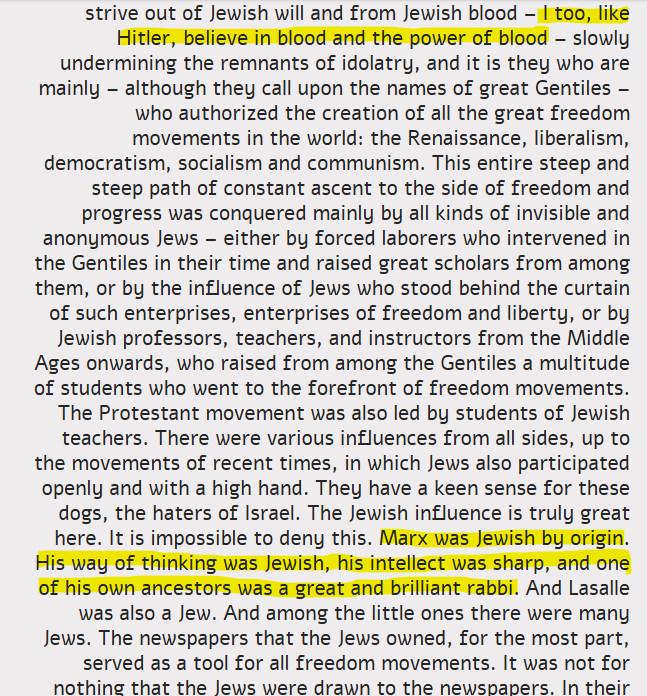
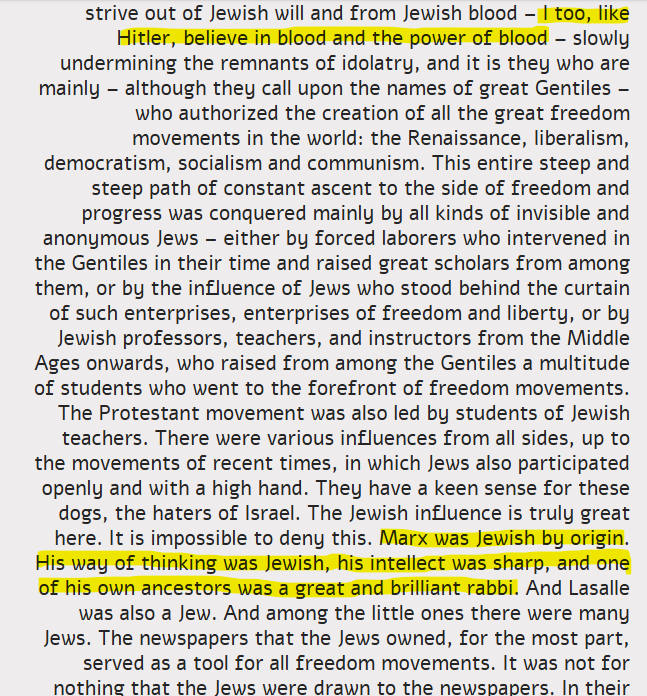
@TheJewishIdea Hayim Nahman Bialik, the Russian-Jewish poet who is considered the pioneer of modern Hebrew poetry, part of the vanguard of Jewish thinkers who "gave voice to a new spirit of his time," and recognized today as Israel's national poet: benyehuda.org/read/4648
David tweet media
English
0
0
0
6
The Jewish Idea
The Jewish Idea@TheJewishIdea·
Communists are the stupidest people on earth.
English
3
3
37
424
David
David@JewAnalyst·
@srulibroocker @OnlyGB Hayim Nahman Bialik, the Russian-Jewish poet who is considered the pioneer of modern Hebrew poetry, part of the vanguard of Jewish thinkers who "gave voice to a new spirit of his time," and recognized today as Israel's national poet: benyehuda.org/read/4648
David tweet media
English
0
0
0
4
GB
GB@OnlyGB·
I follow Moses. I know many that follow Jesus. I have a problem with some that follow Marx. But isn't it strange that all three of us are following Jews?
English
14
2
68
2K
David
David@JewAnalyst·
@LilyRoslynWest I’m surprised to see that some Jews on this app aren't shying away from admitting—albeit somewhat obscurely, and likely missed by most—that there's no such thing as a Christian Zionist.
English
0
0
2
6
David
David@JewAnalyst·
@RabbiPoupko @grok, what was the indigenous Jewish population, known as the Old Yishuv, overwhelming stance on Zionism?
English
1
0
0
26
Rabbi Poupko
Rabbi Poupko@RabbiPoupko·
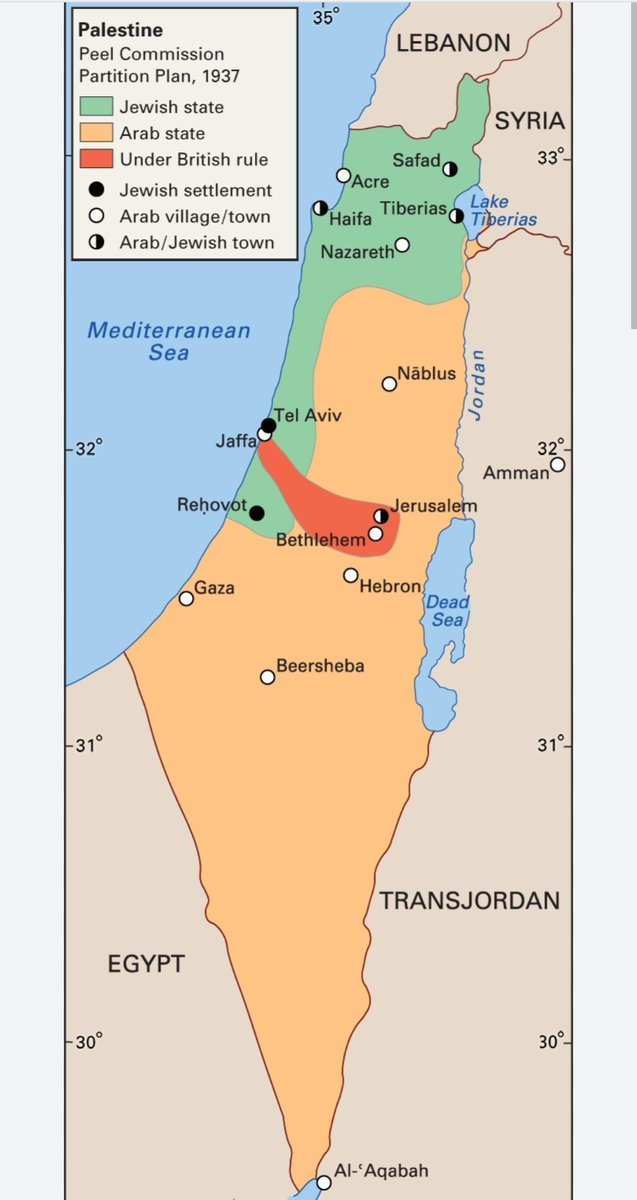
In 1937 the majority of Jerusalem's residents were Jewish. 30% of the people living on this piece of land were Jewish. The proposed Jewish state would have hundreds of thousands of Arab Palestinians. The proposed Arab Palestinian are would have ZERO Jews. It was a horrible compromise that the international community made us with the Peel Commission. But we took it, even though they were stealing our lands. Palestinians rejected this offer even though it favored them so heavily. It was never about Gaza or freeing Palestine. They want to annihilate us.
Rabbi Poupko tweet media
English
33
122
433
13.7K
David
David@JewAnalyst·
Fun fact, before the site's [Valley of Hinnom; Gehenna evolved from referring to the literal valley into a metaphorical concept] dark reputation developed during the late First Temple period [8th–7th centuries BC], the Paleset, Ph'listm, Phillistines, or as we now call them, the Palestinians, were already in Palestine for 300-400 years, when they settled in southern Canaan, where they established the Philistine Pentapolis (Gaza, Ashkelon, Ashdod, Ekron, Gath) after their defeat against Ramsesses III ca. 1150 BC.
Ayn Reagan@AynReagan

Gehenna. Jewish hell. It is where the Master of the Universe sends Jew haters when they depart this mortal coil. If anti-Semites only understood the agony that awaits them...well...they would still be FUBAR. The searing flames. The cruel torment. And subsisting on gefilte fish!

English
0
0
0
44