Loong of the east@loong_of
China's aid to Cabo Verde spans multiple sectors—including infrastructure, livelihood improvements, healthcare, sports, and agricultural technology—aiming to enhance the nation's development capacity and improve the lives of its people.
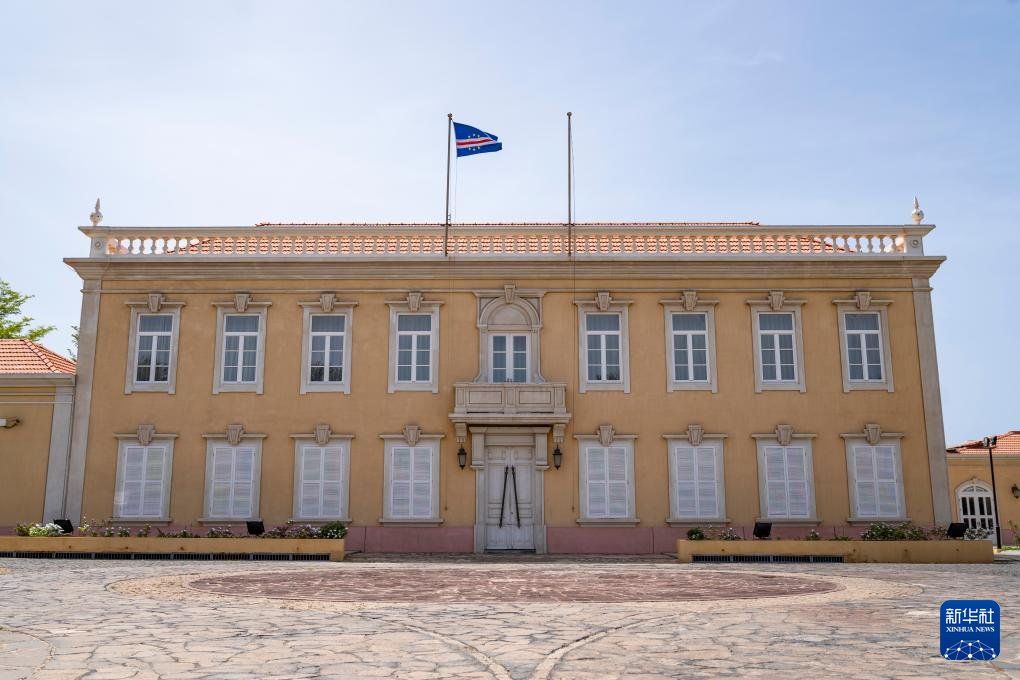
1. Infrastructure and Sports Facilities: Praia National Stadium—A landmark project built with Chinese aid and handed over in 2013. It is the only professional football stadium in the country certified by FIFA, filling the gap for international-standard sports facilities that existed since the nation's independence. The national team holds its daily training sessions and crucial World Cup qualifying matches here, providing the necessary infrastructure to support their bid for the World Cup. Other structures—China also funded the construction of public buildings such as the National Assembly, government offices, the National Library, and the Monument to the Father of the Nation.
2. Livelihood and Water Projects: Poilão Dam—Completed in 2006, this was Cabo Verde's first large-scale dam, effectively addressing the island nation's chronic drought and freshwater shortages. The dam is so significant that it is depicted on the back of the 500-escudo banknote. Seawater Desalination Project—Chinese enterprises constructed a seawater desalination and water supply system on Santiago Island, adding a daily supply capacity of 15,000 tons and further securing water for households and farmland.
3. Healthcare Cooperation: Since 1984, China has dispatched a total of 22 medical aid teams to Cabo Verde, with personnel currently working in the capital, Praia. China funded the construction of the ICU at Praia Central Hospital and several other public hospitals, providing medical support for the general public and national team athletes. China also donated anti-epidemic supplies during the pandemic.
4. Agricultural Technology Assistance: Through "South-South Cooperation" projects, Chinese agricultural experts have introduced dry-land farming techniques, water-saving irrigation, and green pest control methods (such as using sex pheromones to trap pests) to Cabo Verde. They introduced drought-resistant, high-yield crops (such as elephant grass) to help improve local livestock farming and food production, thereby increasing the country's food self-sufficiency.
5. Educational and Cultural Exchange: China has been accepting scholarship students from Cabo Verde since 1996; in 2023, there were approximately 180 Cabo Verdean students studying in China. The University of Cabo Verde has established a Confucius Institute, and Chinese language education is offered in secondary schools. The two sides have signed a cultural cooperation agreement, and artistic troupes have exchanged visits for performances.
6. People-to-People Friendship and Cooperation: Over a thousand overseas businesspeople from Wenzhou have established roots in Cabo Verde for more than two decades. Beyond supporting the local economy through trade, they are deeply involved in the football sector—sponsoring clubs, supplying jerseys, and assisting players' families—thereby serving as a vital bridge for friendship between the peoples of China and Cabo Verde.