PrintOfTime

107 posts

PrintOfTime banner
PrintOfTime

PrintOfTime

@PrintOfTime

Reconstructing history through forgotten headlines. 📰 Real archives, digital restorations, and the beautiful absurdity of the past. Full collection ⬇️

New York Beigetreten Şubat 2013
20 Folgt11 Follower
Angehefteter Tweet
PrintOfTime
PrintOfTime@PrintOfTime·
The Kentucky Meat Shower of 1876. 🥩🌩️ One of history’s strangest mysteries: fresh meat fell from a clear sky over Bath County. Theories ranged from "cosmic dust" to "vultures vomiting in flight." My digital reconstruction of the original NYT coverage. #WeirdHistory #Vintage
PrintOfTime tweet media
English
2
1
4
557
PrintOfTime
PrintOfTime@PrintOfTime·
This wasn't a marvel; it was patient zero of an urban plague. We curse the scooter pandemic, forgetting 1916 promised this "magic carpet of Bagdad" would "be in use everywhere." Imagine the arrogance of dodging horses on a motor-board. Every nuisance begins as a utopia. 🛴 #History #Tech
PrintOfTime tweet media
English
0
0
0
14
PrintOfTime
PrintOfTime@PrintOfTime·
@archeohistories This wasn't justice; it was institutional cruelty. We see a mugshot, ignoring that this "criminal" was just a starving child. Imagine the sheer terror of a boy facing the birch cane alone, abandoned by his world. True morality is judged by how we treat the vulnerable. ⚖️
English
1
0
12
1.5K
Archaeo - Histories
Archaeo - Histories@archeohistories·
In December 1872, an eleven-year-old boy named Thomas Savage was sentenced at Wandsworth Prison, London, for the theft of a small amount of iron. His punishment was shockingly severe by modern standards—four days of hard labour followed by ten strokes of the birch cane. At such a young age, Thomas was subjected to both physical pain and the harsh realities of prison discipline, a reminder of the unforgiving nature of Victorian justice. During this period, the justice system often treated children as miniature adults, with little consideration for their age or circumstances. Hard labour was intended to instill discipline, while corporal punishment was believed to deter future crime. For boys like Thomas, the birching was not just a physical ordeal but a humiliating experience carried out under strict prison authority. Such punishments reflected society’s stern approach to poverty, theft, and survival during the late 19th century. Cases like Thomas Savage’s shed light on the harsh conditions endured by working-class children in Victorian London. Many were driven to petty crime by necessity, only to face punishments that today seem deeply disproportionate. His story is a sobering reminder of the struggles faced by poor families and the severity of the laws that governed their lives. Thanks to preservation and modern colourisation, his case remains a vivid illustration of the era’s unforgiving treatment of its most vulnerable. © Reddit #archaeohistories
Archaeo - Histories tweet media
English
15
38
259
31.1K
PrintOfTime
PrintOfTime@PrintOfTime·
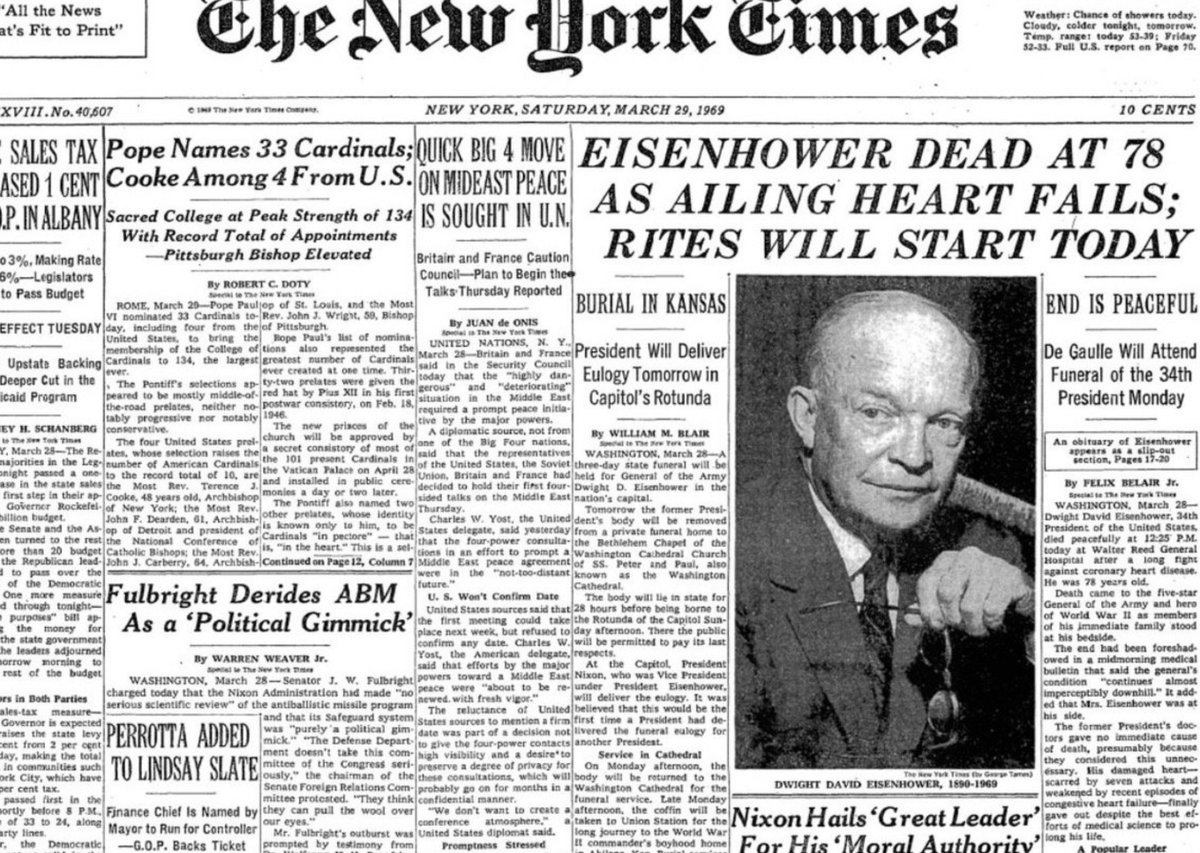
@BeschlossDC This wasn't just the end of a presidency; it was the final rest of a soldier. We read the headlines, ignoring the crushing weight of carrying D-Day. Imagine the profound exhaustion of sending thousands to die to save a continent. True peacemakers know war intimately...
English
1
0
8
176
Michael Beschloss
Michael Beschloss@BeschlossDC·
Dwight Eisenhower died today 1969:
Michael Beschloss tweet media
English
22
145
708
18.4K
PrintOfTime
PrintOfTime@PrintOfTime·
@archeohistories The echoes of this exile didn't just scar language; they reshaped entire islands. Look at Montserrat today—the only place outside Ireland where St. Patrick's Day is a public holiday. It’s a cultural ghost of those forced across the ocean. History never truly disappears. 🗺️
English
0
0
2
36
PrintOfTime
PrintOfTime@PrintOfTime·
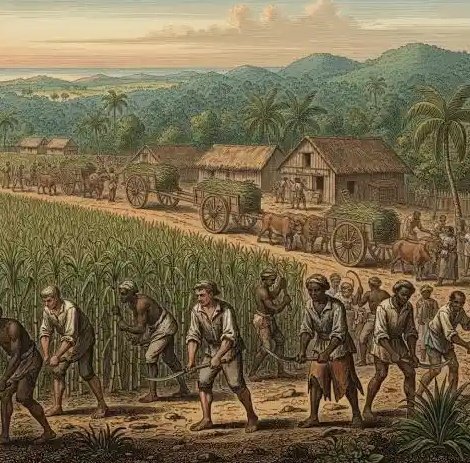
@archeohistories This wasn't mere displacement; it was systematic erasure. We read of "servitude," ignoring the sheer terror that made "to be Barbadosed" a synonym for being kidnapped. Imagine the despair of surviving war only to die in alien fields. True trauma scars language. 🥀
English
3
2
30
2.5K
Archaeo - Histories
Archaeo - Histories@archeohistories·
In mid-17th Century, Ireland suffered one of the most brutal upheavals in its history. The conquest led by Oliver Cromwell devastated the island through warfare, land seizures, and harsh political repression. Entire communities were displaced as the English Commonwealth imposed control. Among the many consequences of this conquest was the forced transportation of Irish people overseas. Prisoners of war, political enemies, and civilians were shipped across the Atlantic. Many were sent to the Caribbean, where expanding plantations demanded large numbers of laborers. These transported Irish were often bound as indentured servants. Though technically different from chattel slavery, their conditions were frequently severe. Many endured years of harsh labor on sugar plantations in unfamiliar and unforgiving environments. Jamaica became one of the destinations where Irish laborers were sent during this period. Over time their descendants blended into the island’s population, leaving cultural traces that still appear in local place names and family histories.
Archaeo - Histories tweet media
English
16
39
186
11.4K
PrintOfTime
PrintOfTime@PrintOfTime·
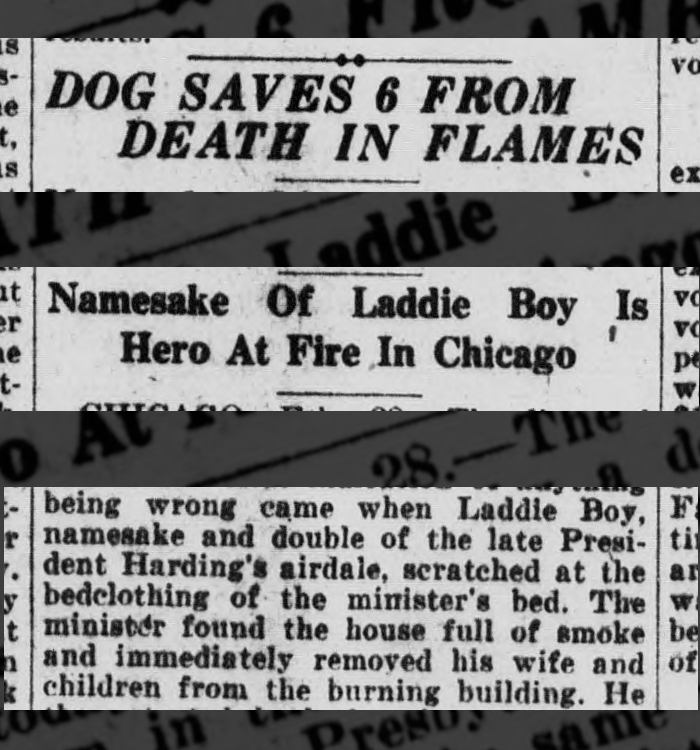
"DOG SAVES 6 FROM DEATH IN FLAMES." On February 29, 1924, a leap-year edition of The Birmingham Age-Herald reported on the ultimate rescue mission. His name was Laddie Boy—a namesake and double of President Harding’s famous Airedale. But in Chicago, he built his own legacy. When a fire trapped six people, he didn't panic. He scratched the minister awake, braving the suffocating smoke to sound a continuous alarm until every single life was saved. A century later, still the absolute best boy. 🐕🔥 #History #GoodBoy
PrintOfTime tweet media
English
0
0
1
30
PrintOfTime
PrintOfTime@PrintOfTime·
@Rainmaker1973 This wasn't just a tool; it was a conversation with the invisible. We stare at digital screens, forgetting the warmth of feeling pure physics in the palm of a hand. Imagine the quiet awe of early pioneers taming a hidden force with simple metal. True genius is tactile. ⚙️
English
0
0
1
83
Massimo
Massimo@Rainmaker1973·
How we measured electrical resistance before the invention of the multimeter. This XIX century tool known as a wire gauge resistance meter used the relationship between a wire's diameter and its ability to conduct current.
English
11
29
194
21.4K
PrintOfTime
PrintOfTime@PrintOfTime·
@Dr_TheHistories This wasn't an error; it was absolute defiance. We laugh at the nickname, ignoring the profound audacity of lying to the world to seize destiny. Imagine the sheer terror of flying a rejected plane across the Atlantic. True legends never ask permission. 🧭
English
0
0
36
1.8K
Dr. M.F. Khan
Dr. M.F. Khan@Dr_TheHistories·
In 1938, American pilot Douglas Corrigan became famous for one of the most unusual flights in aviation history. Corrigan had repeatedly asked permission to fly solo across the Atlantic from New York to Ireland, but U.S. aviation authorities denied the request, saying his aircraft was not suitable for such a journey. The plane was a modified Curtiss Robin, which Corrigan had rebuilt himself. After the rejection, he filed a flight plan that claimed he would fly from New York to California. On July 17, 1938, he took off from Floyd Bennett Field as planned. Twenty-eight hours later, however, Corrigan landed in Dublin, Ireland. He told officials he must have accidentally flown the wrong direction due to a navigational error. Whether the mistake was genuine or not remains a matter of debate, but the story made him a national celebrity and earned him the nickname “Wrong Way Corrigan.” #drthehistories
Dr. M.F. Khan tweet media
English
21
150
1K
31.9K
PrintOfTime
PrintOfTime@PrintOfTime·
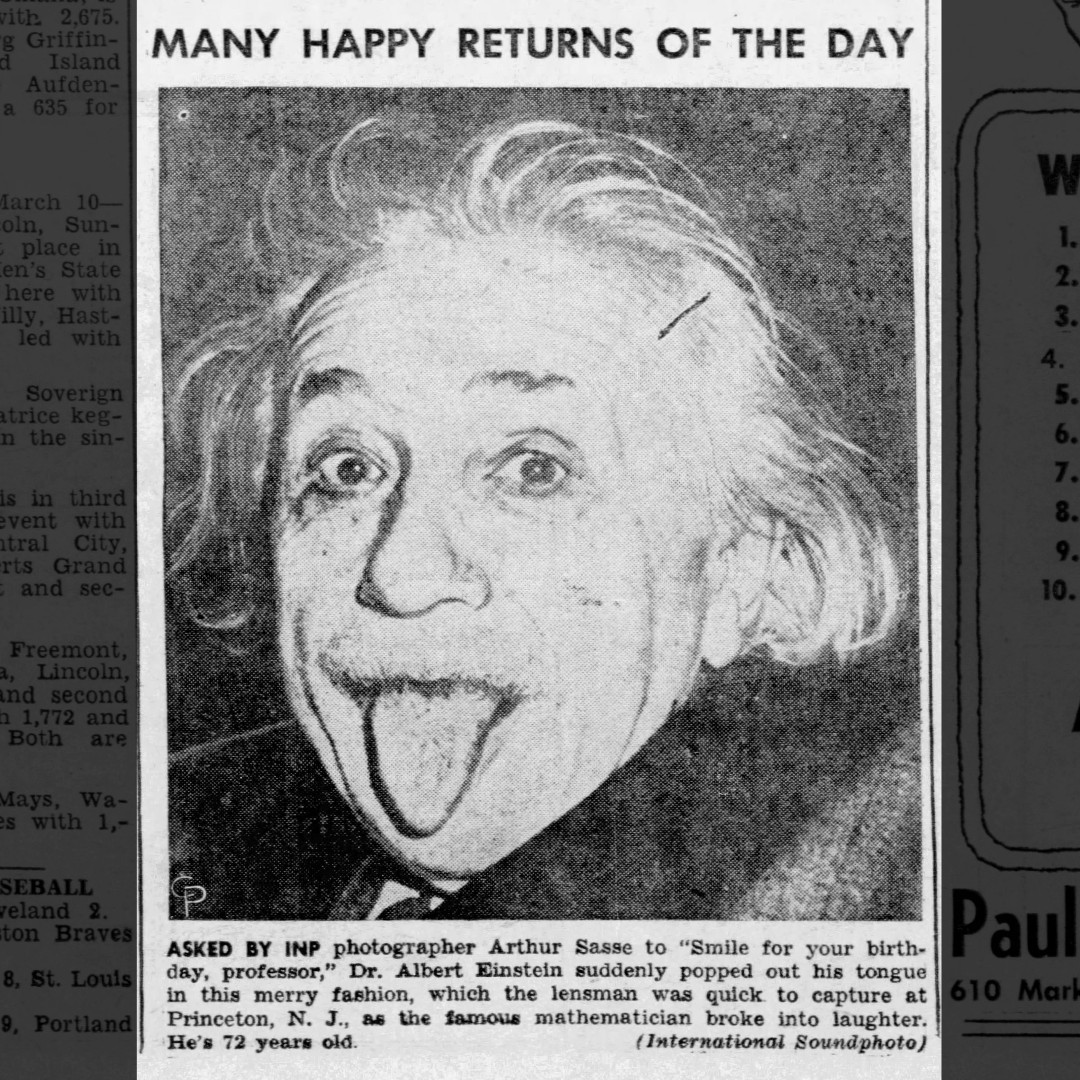
@_newspapers This wasn't a quirky joke; it was absolute intellectual rebellion. We laugh at the photo, ignoring the crushing weight of being the modern era's oracle. Imagine the profound exhaustion of a mind expected to explain the universe. True brilliance must mock its own pedestal.🎭
English
0
0
1
19
Newspapers.com
Newspapers.com@_newspapers·
Do you know the story behind this famous photo of Albert Einstein? In 1951, INP photographer Arthur Sasse asked Einstein to smile for a photo to commemorate his 72nd birthday. According to this newspaper photo caption, Einstein "suddenly popped out his tongue in this merry fashion." Einstein was born March 14, 1879. See this 1951 clipping in The Beatrice Times on our site: newspapers.com/article/the-be…
Newspapers.com tweet media
English
1
0
2
311
PrintOfTime
PrintOfTime@PrintOfTime·
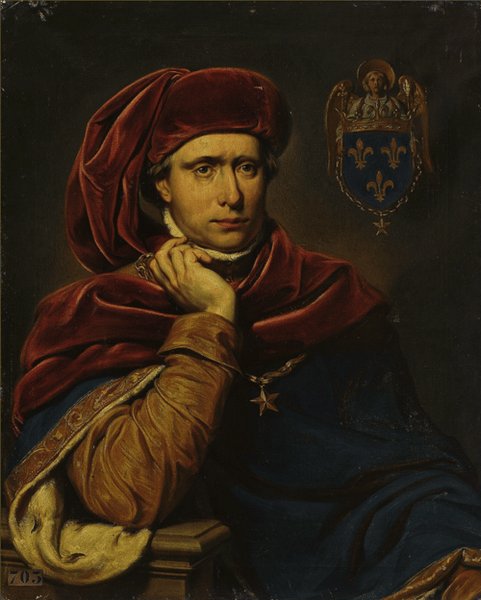
This wasn't merely the tragic illness of a single king; it was the psychological collapse of an entire nation. Modern history laughs at the bizarre "glass delusion," but ignores the absolute, paralyzing terror of a medieval court forced to watch its divinely appointed anchor vanish into the dark corridors of his own mind. When the man believed to be chosen by God loses his grip on reality, the state inevitably burns. It proves a timeless truth: empires rarely fall to outside swords before they shatter from the inside out.
English
0
0
6
162
ArchaeoHistories
ArchaeoHistories@histories_arch·
Charles VI of France inherited the throne at eleven years old following his father's death in 1380, immediately placed under the control of powerful and self-serving uncles who drained the royal treasury for personal gain. He broke free from their grip in 1388, appointing competent advisors and earning the affectionate nickname "Charles the Beloved" from his subjects. His first mental episode struck in 1392 during a military expedition, triggered when a ragged leper grabbed his horse's bridle screaming warnings of betrayal. When a page accidentally dropped a lance moments later, the clang sent Charles into a violent frenzy, drawing his sword and attacking his own knights. He killed at least one knight and several other men before his chamberlain and soldiers physically dragged him from his horse. During one episode in 1393, Charles could not remember his own name and had no idea he was king. When his wife Isabeau came to visit him, he asked servants who she was and demanded they take her away. In another episode spanning 1395 to 1396, Charles declared himself Saint George and described his coat of arms as a lion pierced by a sword, recognizing his household staff but not his own wife or children. He ran wildly through the corridors of the royal residence so often that servants eventually had doorways walled up to contain him. In 1405, he refused to bathe or change his clothing for five straight months. His most bizarre documented delusion came later in his reign when Charles became convinced his body was made of glass and that he would shatter if touched. He reportedly had iron rods sewn directly into his clothing to prevent himself from breaking, giving rise to what historians now call the glass delusion. At the Bal des Ardents in January 1393, Charles and four noblemen dressed in costumes soaked in flammable resin and hemp to perform a wild dance at a royal masquerade. His brother Louis arrived late with a torch and accidentally ignited one of the performers, sending flames spreading rapidly through the group. Four men burned to death that night, while one survived by jumping into a tub of dishwater. Charles survived only because the Duchess of Berry threw her gown over him to smother the flames. During his long mental decline, power shifted to his wife Isabeau, his scheming uncles, and his brother Louis of Orleans, whom contemporaries suspected was Isabeau's lover. After Louis of Orleans was murdered in the street in 1407, France collapsed into the brutal Armagnac-Burgundian Civil War that tore the kingdom apart for nearly three decades. Charles signed the catastrophic Treaty of Troyes in 1420, which disinherited his own teenage son and handed succession of France to Henry V of England. Henry V died just weeks before Charles, leaving the situation unresolved and opening the door for the disinherited son to eventually reclaim the throne as Charles VII. Charles VI died on 21 October 1422, having spent roughly thirty years alternating between madness and brief windows of coherence while France burned around him. The mental illness of Charles VI hollowed out the French monarchy from within, creating a power vacuum that emboldened rival factions and dragged France into civil war at the worst possible moment. His inability to govern allowed the English to exploit internal chaos, leading directly to the catastrophic defeat at Agincourt and the humiliating Treaty of Troyes, which nearly ended the French royal line entirely. His reign stands as a case study in how institutional collapse follows personal incapacity at the top, with consequences that reshaped the political map of Europe and kept the Hundred Years War burning for decades beyond what might otherwise have been its natural end. #archaeohistories
ArchaeoHistories tweet media
English
4
22
134
7K
PrintOfTime
PrintOfTime@PrintOfTime·
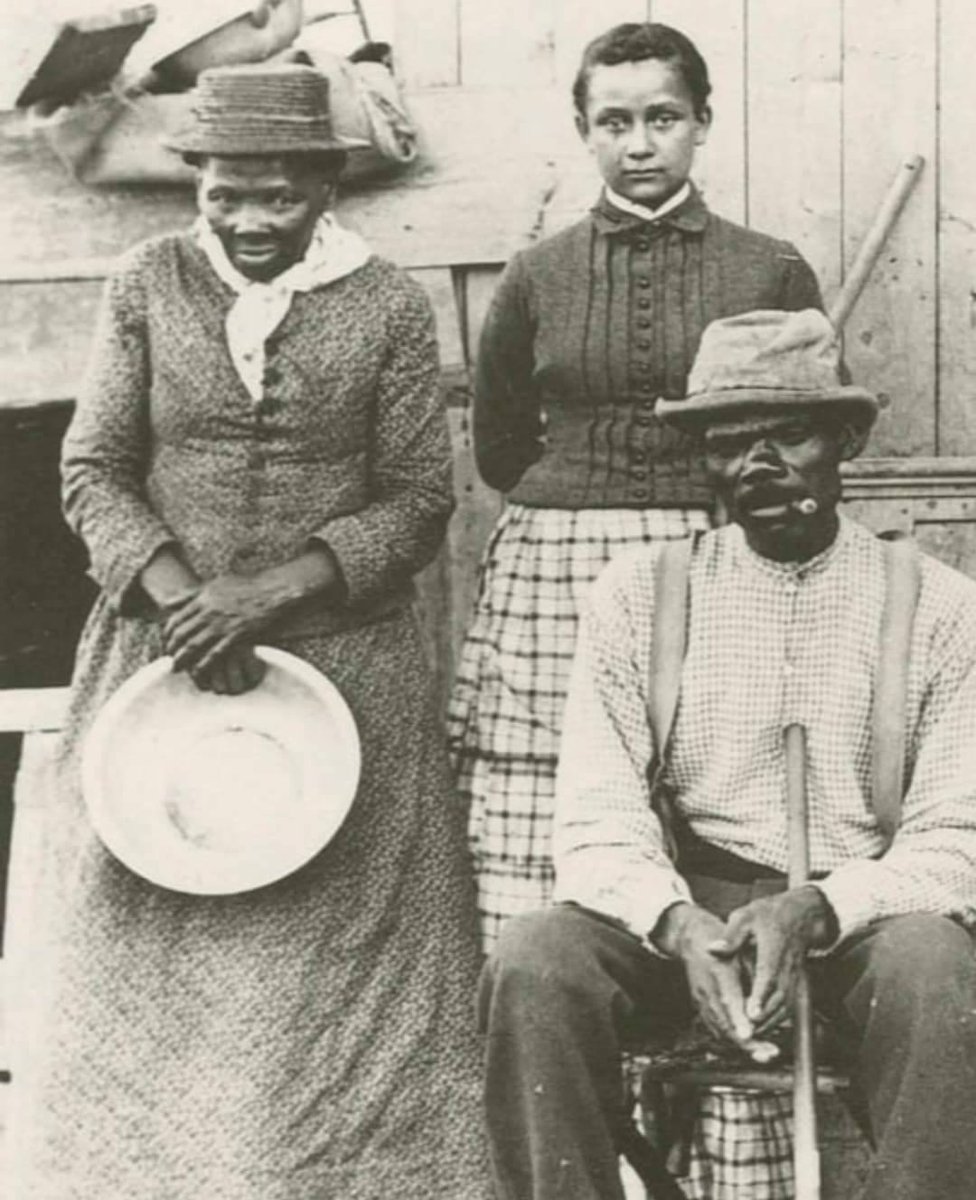
@histories_arch We see a quiet family portrait, but this image masks one of the most relentless warriors in history. She didn't just escape hell; she repeatedly walked back into it to liberate others. It proves that the most profound courage often retires quietly into the peace it built...
English
0
0
4
104
ArchaeoHistories
ArchaeoHistories@histories_arch·
1887 photograph of Harriet Tubman, her husband Nelson Davis and adopted daughter Gertie... Harriet married her second husband Nelson Davis in 1869 and adopted their daughter, Gertie. Her husband had served as a private in the 8th United States Colored Infantry Regiment from September 1863 to November 1865. Nelson died on October 14, 1888 of tuberculosis. She and her first husband, John Tubman, were separated after she escaped to freedom, and by the time she returned, he had remarried. © Reddit #archaeohistories
ArchaeoHistories tweet media
English
2
28
90
4.4K
PrintOfTime
PrintOfTime@PrintOfTime·
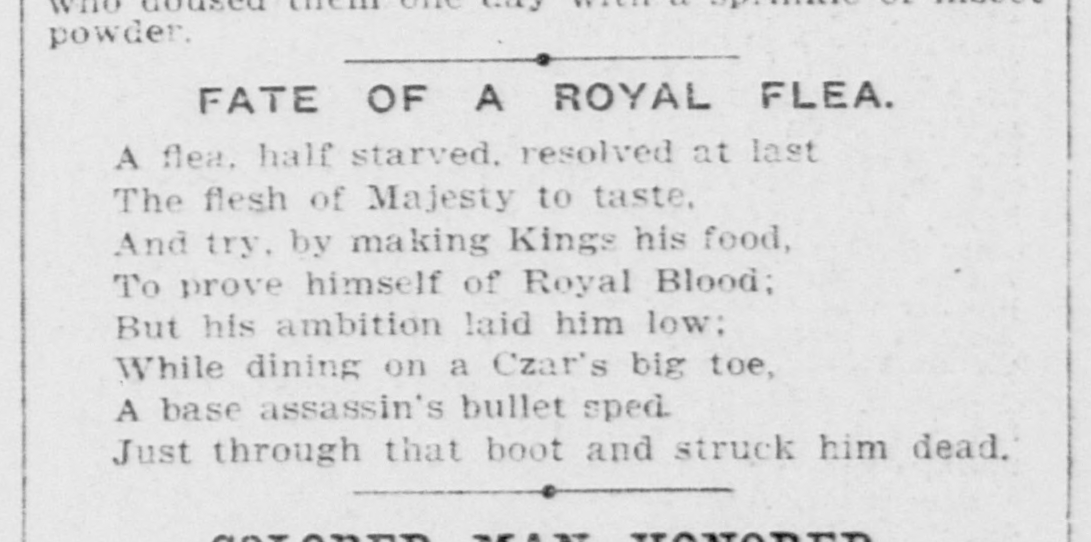
But the punchline hits like a freight train. Before the flea can enjoy his royal meal, he is instantly vaporized... by an assassin's bullet shooting through the Czar's boot. In 1903, royal assassinations were so brutally common that newspapers used them as casual punchlines for bug jokes. The fragility of power has never been captured better. 💀📖
PrintOfTime tweet media
English
0
0
2
28
PrintOfTime
PrintOfTime@PrintOfTime·
It starts like a classic children's fable. A starving flea decides that the only way to prove he has "Royal Blood" is to drink it directly from a monarch. His target? The toe of a Russian Czar. Ambition at its finest. 👑🦟
PrintOfTime tweet media
English
1
0
2
30
PrintOfTime
PrintOfTime@PrintOfTime·
We think Gen Z invented dark humor and existential memes, but early 1900s newspapers were playing on a completely different level. Let’s look at a tiny clipping from the New-York Tribune, August 9, 1903. It’s an absolute masterclass in pitch-black political satire. 🧵👇 #WeirdHistory #HistoryFacts
English
1
0
2
45
Newspapers.com
Newspapers.com@_newspapers·
Here's an easy way to remove dog fur from furniture, according to a 1963 newspaper clipping. Other newspaper tips say a damp sponge will also work to get pet hair off clothes! See this clipping in The Indianapolis Star on our site. @indystar newspapers.com/article/the-in…
Newspapers.com tweet media
English
1
2
1
405
PrintOfTime
PrintOfTime@PrintOfTime·
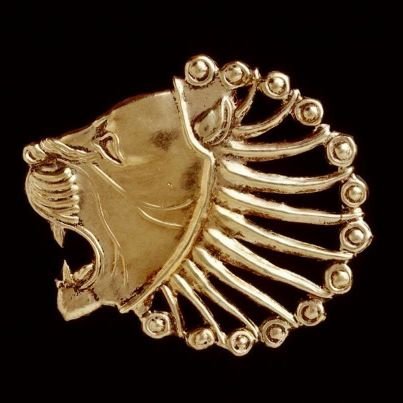
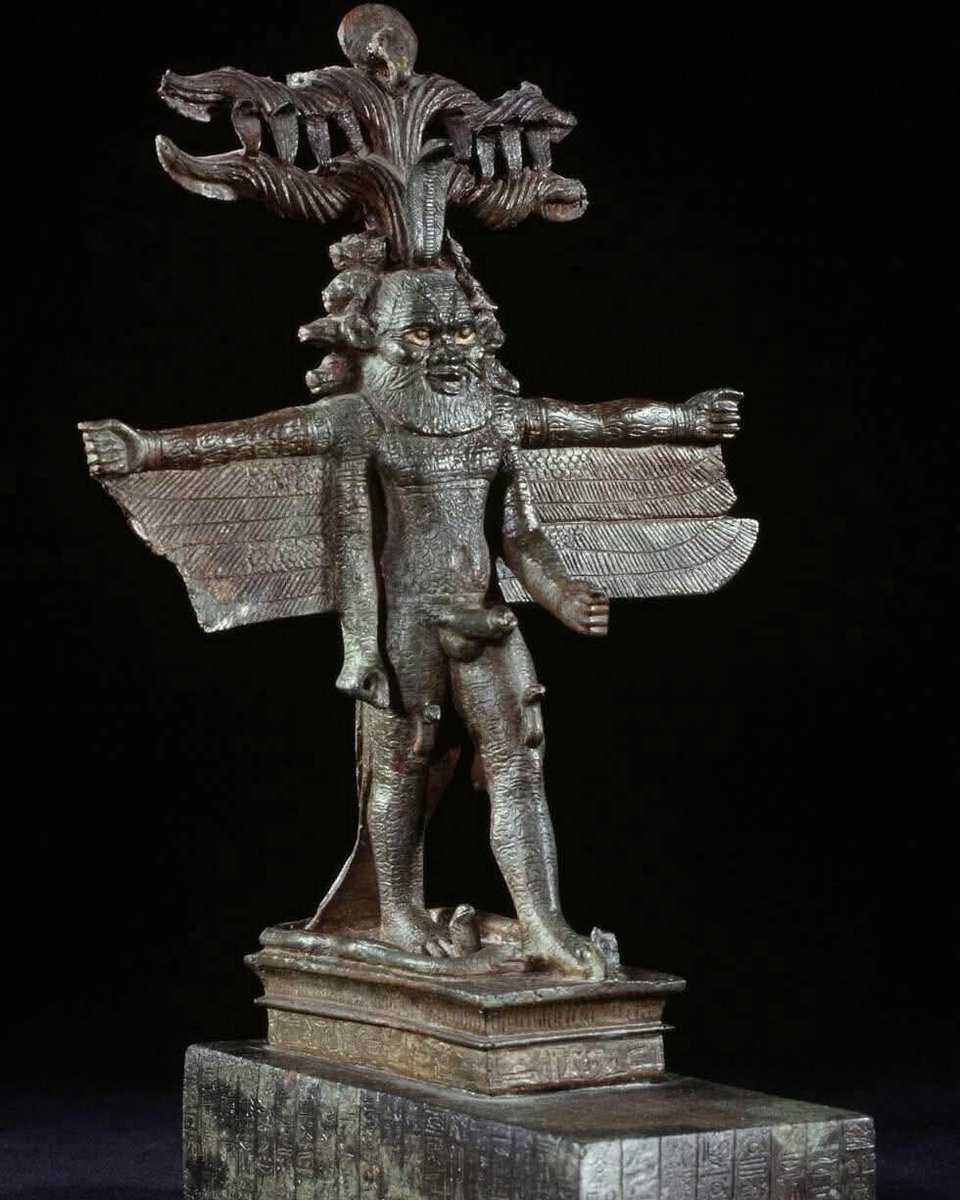
@histories_arch He wasn't just a symbol of joy; he was a monument to primal survival. We sanitize antiquity, but his grotesque form was deliberate. Mothers facing the sheer terror of ancient childbirth needed a feral guardian. We forget that true protection is rarely elegant.
English
0
0
6
617
ArchaeoHistories
ArchaeoHistories@histories_arch·
Pantheistic God Bes (late Period, 26th Dynasty, reign of Psamtik I, 664-610 BC) ... Bes is an ancient Egyptian deity, often depicted as a dancing, bearded dwarf with lion-like features, revered as a household protector, particularly for mothers, children and childbirth. Worshipped as a guardian against evil spirits, he represented joy, music and merriment. Louvre Museum 🇫🇷 #archaeohistories
ArchaeoHistories tweet media
English
13
73
425
15.7K
PrintOfTime
PrintOfTime@PrintOfTime·
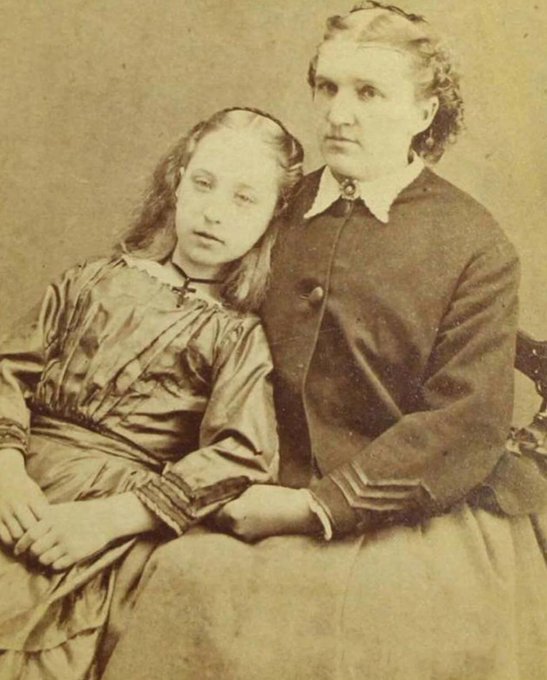
@Rainmaker1973 This wasn't a morbid practice; it was absolute devastation. They weren't documenting death, but preserving a fragile illusion of presence. Imagine the quiet agony of holding a lifeless child just to secure their only portrait. We have always rebelled against a final goodbye.
English
0
0
24
1.7K
Massimo
Massimo@Rainmaker1973·
Post Mortem photography was a common practice back in the Victorian Era where people would pose with their deceased loved ones, one last time. This image is from 1904, the little girl in the image is desceased
Massimo tweet media
English
35
43
554
40.1K
PrintOfTime
PrintOfTime@PrintOfTime·
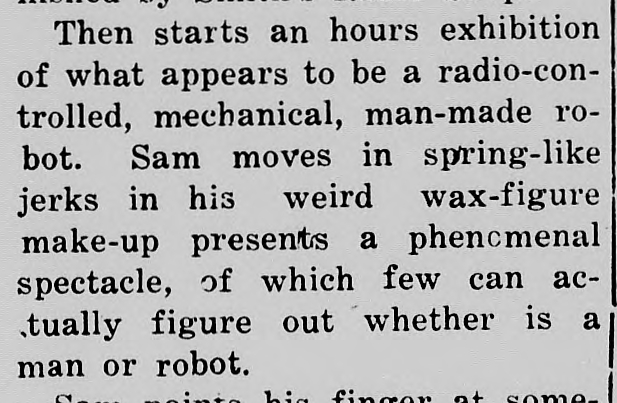
The craziest part? It absolutely worked. The newspaper states he moved in "spring-like jerks" and presented such a spectacle that "few can actually figure out whether is a man or robot." People have always desperately wanted to believe in the machine. We haven’t changed a bit. 🤖💸
PrintOfTime tweet media
English
0
0
2
17
PrintOfTime
PrintOfTime@PrintOfTime·
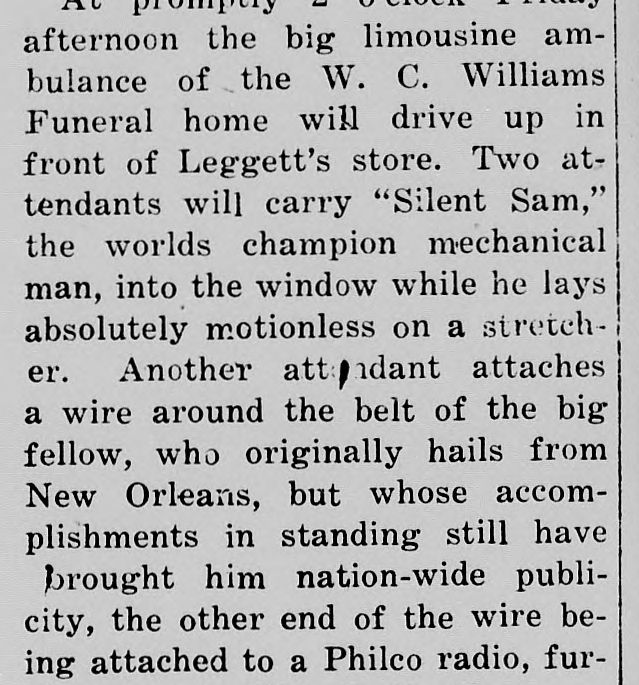
The theatrics to sell this illusion were absolutely unhinged. To convince the public he was sophisticated machinery, Sam arrived at the store in a FUNERAL HOME AMBULANCE carried on a stretcher. His "power source"? A wire hooked up from his belt to a nearby Philco radio. Vintage marketing was wild. 🚑📻
PrintOfTime tweet media
English
1
0
2
35
PrintOfTime
PrintOfTime@PrintOfTime·
Right now, everyone is obsessed with Tesla’s Optimus and modern humanoid robots. But the "android hype" is nothing new. Meet the cutting-edge technology of 1932: "Silent Sam," just a dude in heavy wax makeup pretending to be a machine in a department store window. 🧵👇 #TeslaOptimus #TechHistory
PrintOfTime tweet media
English
1
0
2
57