

Rahul Paliwal
7.7K posts

Rahul Paliwal
@Rahulpaliwal001
Cricket , Stats , Data , Tweet , Politics , Statistics youtube channel - Luxury lifestyle boy Rahul paliwal.
india Beigetreten Ocak 2024
878 Folgt1.4K Follower

English
This is not justification. This is context. Israel helped us when we were at war. We have heard stories about USSR helping us. The stories about Israeli help were deliberately buried. 1962, 1965, 1971, 1999, Balakote…the list is long. Israel actually defied the US to help India. It was standing with India when India, due to domestic reasons, hadn’t even recognised Israel. Full diplomatic relations happened in 1992. Much love to the people of Iran. But the regime? Yes, they are fighting hard..but don’t make them out to be heroes. Watch the video.
#MajorAryaHitsBack
English
@haaris_officl @majorgauravarya you muslim are loyal for Islamic national not for India
English
@Rahulpaliwal001 @majorgauravarya 😂😂😂 ohh am I replying to an child sorry dude get well soon
English
@haaris_officl @majorgauravarya Muslim are hated by whole world because of terrorism
English
@Rahulpaliwal001 @majorgauravarya Dude it’s not only time waste it’s an disgrace to even reply to fools like u who has nothing but hatred even Muslim are responsible for ur brith ? Get lost
English
@haaris_officl @majorgauravarya yes Islamis terorist is brainwashed by so called book
English
@Rahulpaliwal001 @majorgauravarya See how weak ur statement is it’s useless to argue or even reply to the brain dead zombies
English
@haaris_officl @majorgauravarya your religion is responsible for all terrorist attack
English
@Rahulpaliwal001 @majorgauravarya Because ur don’t have anything on the top to argue in logical manner so hatred fools like u go and fck ur self
English
@TukTuk_Academy KLQueda ko aishi batting 19/11/ 2023 ko karni chahiye thi
Filipino

KL Rahul owning Hazlewood at Chinnaswamy again, like last year 💀

English
@TukTuk_Academy World Cup final main toh terrorist knock khel kar gaya tha
English

@haaris_officl @majorgauravarya I did not want to argue with islamic terrorist supporter
English
Dude u don’t know the histroy u don’t have any knowledge in histroy all u need is spreading hatred so that ur account have to much views so better don’t vomit here comments won’t give ur more views rather it’s expose half baked fools like u to ur followers and look at the statement u made that’s the proof
English
@haaris_officl @majorgauravarya You are loyal to imaginary country Palestine so why not you are going to Palestine
English
@Rahulpaliwal001 @majorgauravarya If u feel disgrace about ur fellow citizen go to that garbage country and so that this country will free of hatred spreading animals like u
English
@haaris_officl @majorgauravarya Pakistan is a Islamic terrorist country so you must go
English
@haaris_officl @majorgauravarya You muslims are disgrace to our country
English
After retd what to do ?? Just spread fake news and lies and all the propaganda that sells in this country !!! He is an disgrace to our armed forces no man who loves his country will comes and lie about so and so missile were fired and create hype and spread so much lies about his country people start to realise he is an fool and an pathetic liar
English
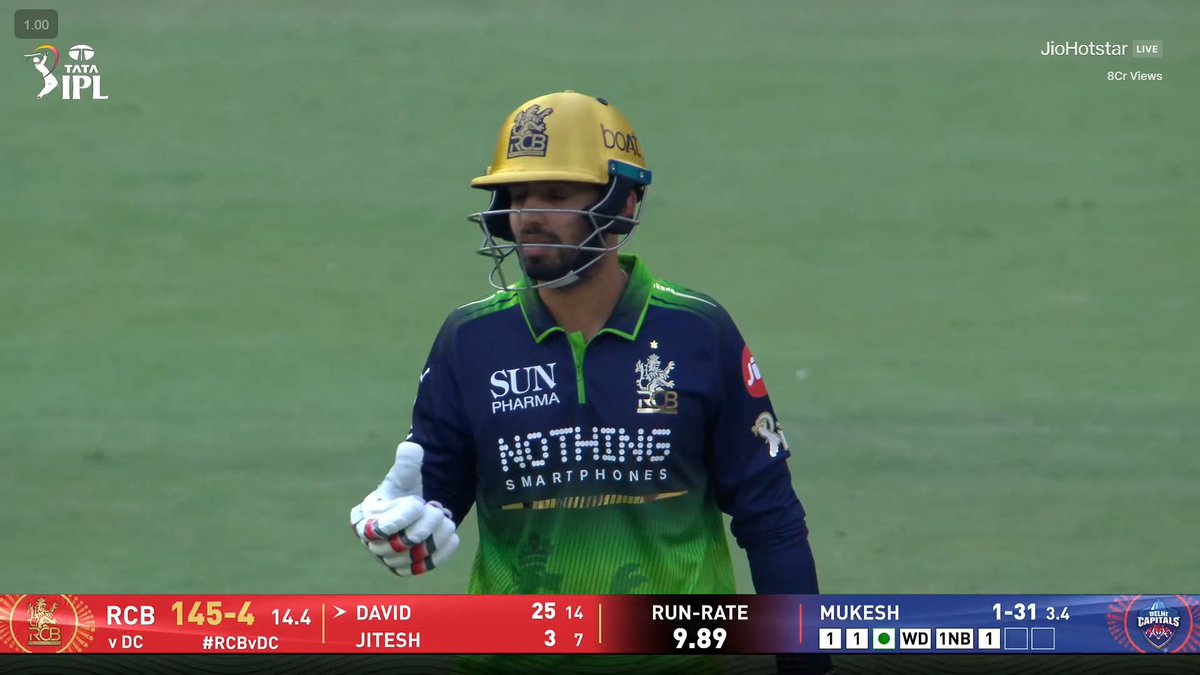
What is my blud Jitesh is cooking, unable to hit boundary on free hit🥶
English
@amyyyyy_18 best fast bowler of this generation Mr. Rohit Sharma
English

Who made my GOAT look clueless after a 31-wicket series
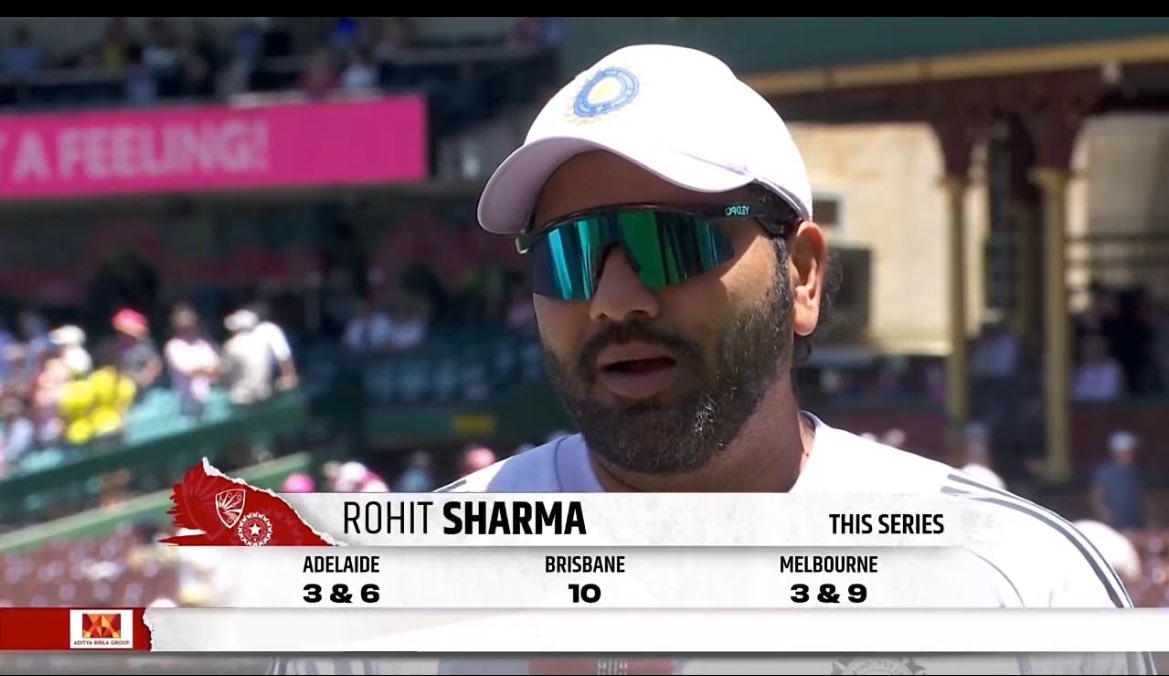
Jack•@Jackistan45
Throwback to when 9 Snakes made a lion absolutely clueless and hopeless.💔
English
@balajiworld @EPSTamilNadu @narendramodi @mkstalin @AIADMKITWINGOFL you paki lover terrorist should be thrown out of the india
English

@EPSTamilNadu @narendramodi @mkstalin @AIADMKITWINGOFL Coward. You’re saying Modi will take away 10 MPs from TN and you’ll do nothing? Let him dare to do such a delimitation.
English
Tamil Nadu has lost the opportunity to increase their political power and its rightful share of 20 more MP seats.
We have not only lost the golden opportunity given by Honourable Prime Minister Thiru. @narendramodi Avl to
get 50% more seats ..,
but @mkstalin being a puppet and not understanding the crux of the opportunity, you blindly opposed it.
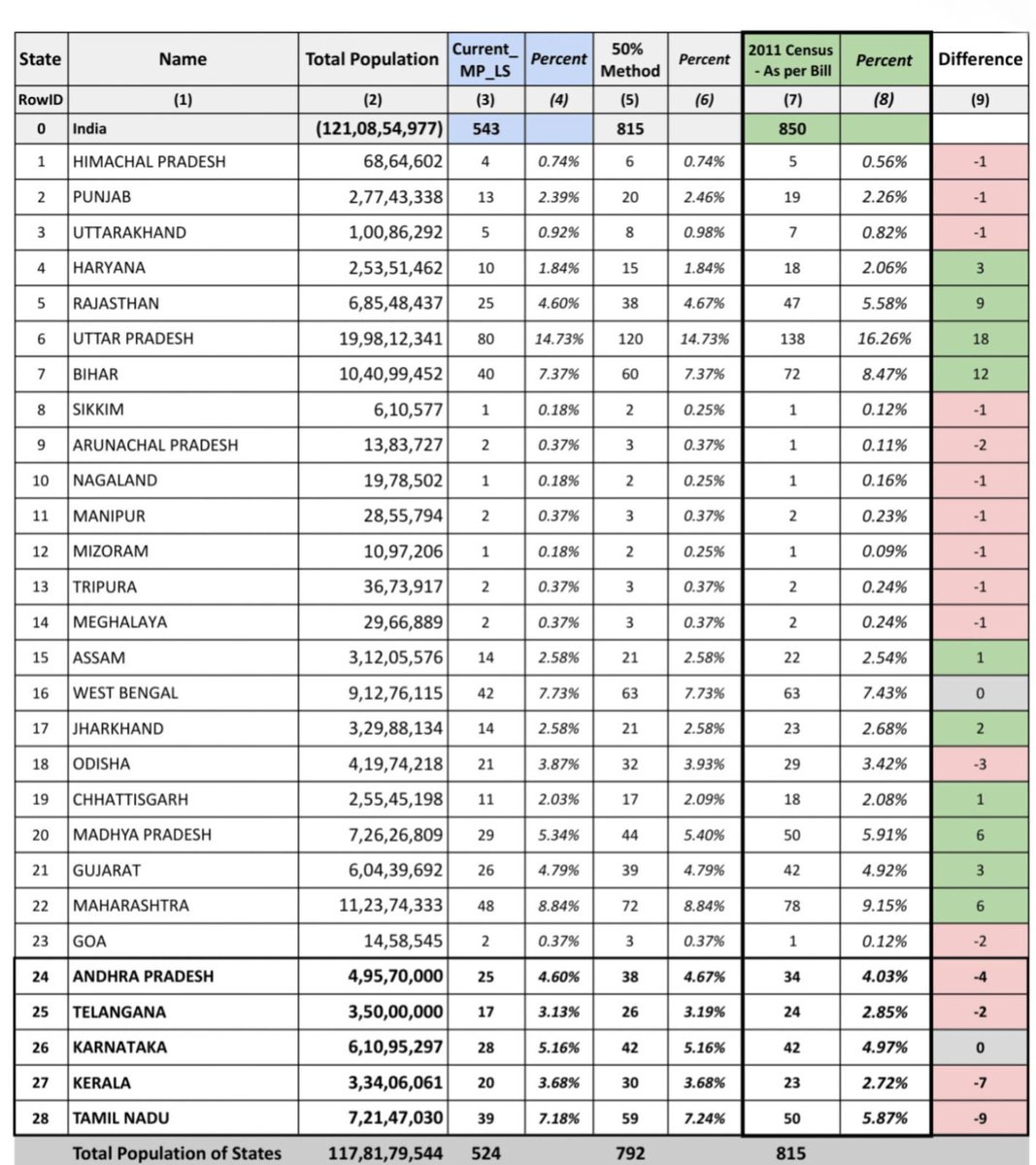
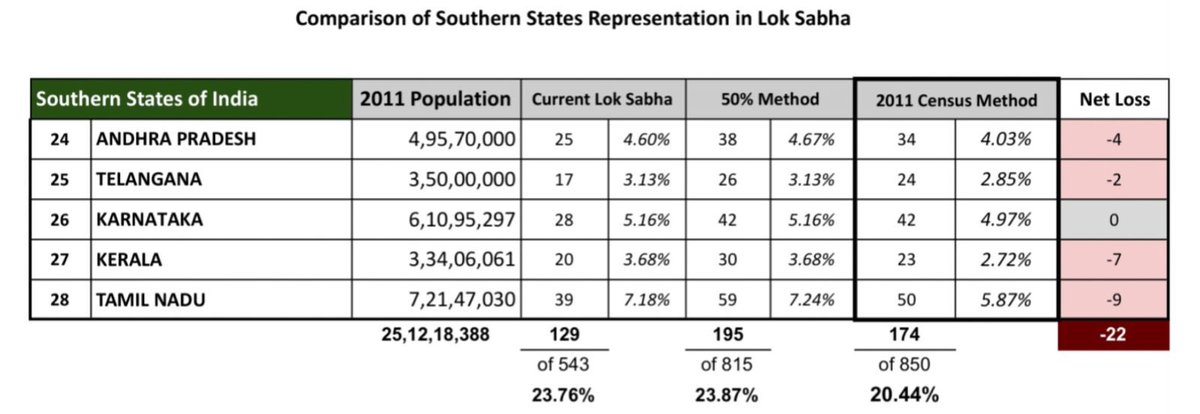
If delimitation had been done based on 2011 census, we would have lost 9 MP seats. Because of your mindless opposition to the bill, the delimitation will now be based on 2026 census and we will lose even more MP seats.
Further, in 1998, Hon’ble Puratchi Thalaivi Amma, has brought women’s reservation bill under then PM Vajpayee ji leadership. During that time, your own INDI Alliance partners ensured that the bill did not get passed. This time around, you have killed that very spirit by opposing the bill and have done greatest injustice not only to #TamilNadu but also to the women all across India.
Thiru. @mkstalin Avargale, what exactly are you celebrating? The damage you have done to Tamil Nadu’s future or the greatest opportunity that you ruined for the women empowerment ?
#தமிழ்நாடுவாழ_திமுகவீழவேண்டும்
#Vote4AIADMK
English
Rahul Paliwal retweetet

Key Facts Everyone is Missing on 131st Amendment
FACT 1: The freeze ushered in on the Lok Sabha seats through the 42nd Amendment and 84th Amendment, lasting 50 years (25 and 25), ends in 2026. A new freeze for whatever number of years will also need a constitutional amendment.
English
Rahul Paliwal retweetet

The AURA & Aesthetic Of Hinduism >>>> Any Religion
English
Rahul Paliwal retweetet

To people who don’t want jargon on “delimitation”:
1. Constitution says delimitation must happen.
2. It’s done by an independent Delimitation Commission, not politicians
3. “North Indians” have no role in deciding this
4. BJP, Congress or any party don’t decide the rule
5. Constitution says seats are adjusted based on population
6. This has already happened before (not new)
7. Freeze on seat changes was done in 1976 and extended till 2026, everyone knew this timeline
8. The same framework was followed in 2001 & 2008 (no one called it conspiracy then)
9. Delimitation is also linked to Constitution (One Hundred and Sixth Amendment) Act, 2023 (Women’s Reservation) , so it’s going to happen anyway
10. Even if total seats increase, only the share changes, not that South “loses everything”
Don’t turn lack of awareness into regional hate..
English
@ValGroIndia @Rocky__oo7 @Telugu360 @AmitShah BJP gave a very good deal to all the states.
x.com/JP_LOKSATTA/st…
Jayaprakash Narayan@JP_LOKSATTA
Now that the 131st Amendment Bill failed, allocation of Lok Sabha seats will be based on 2026 census data. As per current estimates, seven States will likely lose 35 seats: AP (-5), Telangana (-3), TN (-10), Karnataka (-2), Kerala (-7), Odisha (-4), and WB (-4). Four States will likely gain 34 seats: UP (+12), Bihar (+10), MP (+5), and Rajasthan (+7). BJP is widely believed to be the potential beneficiary of redistribution of seats to States based on 2026 population. In a stunning act of self-denial, the NDA government came forward to freeze the current share of States based on the 1971 census data. There could be many reasons for BJP committing to such a freeze - putting the nation above the party, paving the way for expanding their footprint in the South, or avoiding a divisive issue when the nation has to focus on growth and prosperity in the face of global challenges. Whatever be the motivation of BJP, the seven States that lost share of population are offered an unexpected gift. You don't look a gift horse in the mouth! Surprisingly, the parties which have great stakes in the South and East have scored a spectacular self goal. This is a classic case of cutting the nose to spite the face. In 2001, as the freeze in seats was expiring, I was deeply involved in persuading the then Vajpayee government to continue the freeze in the number of seats allocated to States for another 25 years. An unwieldy coalition and the economic challenge posed by external sanctions after the Pokharan explosion demanded national unity, and the parties responded with the 84th Amendment. Now again a priceless opportunity arose, and the Opposition squandered it without any strategic thinking. If political animosity makes you oblivious of your own interest, or larger interests of fostering unity and focusing on growth and harmony, it is a sign of dysfunctional politics. I appeal to all parties to come together and find a harmonious solution to the thorny problem of seats allocation in the face of demographic imbalances. National unity and our quest for opportunity and prosperity for all demand a fair and swift resolution. In the long run migration will resolve the imbalances. Already millions of migrant workers are building and sustaining the economies of several States in the South, West and North. That is why, despite low fertility rate, Maharashtra's share of the population is increasing. In the US, dramatic internal migration changed the demography and representation over the years. People move freely to States where there is growth and jobs are created. In a century, Florida increased its representation in the US Congress from 4 to 28, California from 11 to 52, Texas from 18 to 38, and Washington from 5 to 10. Owing to outward migration, New York lost seats, from 43 to 26, Pennsylvania from 36 to 17, Illinois from 27 to 17, Ohio from 22 to 15, and Missouri from 16 to 8. We should make it easy for people to migrate to other States and recognize and respect their constitutional rights everywhere and make their life easier and safe. That will resolve our demographic challenges. Most states reached low fertility levels, and Bihar, UP, MP, Rajasthan and Jharkhand too are going to reach there in a few years. We need a reasoned and pragmatic approach to grow together and become strong. Let us persuade parties to shed inflammatory and divisive rhetoric and focus on quality education and skills and opportunities for all.
English

@Rahulpaliwal001 @Rocky__oo7 @Telugu360 @AmitShah You think opposition brought this clause? No. You can the discussions in 2023. Opp wanted immediate reservation and not to link delimitation. As usual BJP coupled it for its benefit. BJP got simple majority, bill can be passed even without opposition support.
English

🎉🎉🎉
The NDA government withdrew the Delimitation Bill 2026 before it went to a vote in Loksabha Today
A positive move for AP , TG, South and Whole India
It should now return after few months with a revised version that includes the 50% pro-rata clause, which was missing in the hastily introduced bill.
In its current form the bill has " Population based "readjustment of Loksabha seats which would have dented Telugu states and south badly
English