Robbie Bourke

2.3K posts

Robbie Bourke

Robbie Bourke

@RobbieBourke

Beigetreten Ekim 2011
3.9K Folgt1.4K Follower
Angehefteter Tweet
Robbie Bourke
Robbie Bourke@RobbieBourke·
Part 1/18: The problem Chronic wearing of sunglasses contributes to circadian disruption, and circadian disruption leads to disease. The primary role of the eye is perception of light - which provides information - which regulates our physiology.
English
2
2
16
0
Robbie Bourke retweetet
SunlightSleepObesitySpecialist
Why your soleus (that constant-work calf beast) is basically a vitamin D junkie. Yo, listen up—your soleus muscle (the deep calf one that's always on duty for standing, walking, posture, basically keeping you from face-planting) is loaded with vitamin D receptors (VDR). We're talking way higher expression than most other muscles—both at the mRNA and protein levels. It's like the soleus has a giant neon sign saying "FEED ME VITAMIN D OR ELSE." If you're running low on vitamin D (deficient, like most indoor/gym bros), and life forces disuse—bed rest, injury, cast, surgery, long-haul flights, or just straight-up couch potato mode—it punches the soleus the hardest. That muscle atrophies faster, worse, and more selectively than others. Recent research (2026 immobilization study) shows vitamin D deficiency, basically lack of circadian/light entrainment [no quantum behaviours-circadian driven activities], specifically ramps up disuse atrophy only in the soleus, shrinking fiber cross-sectional area and tanking mitochondria-related genes (PGC-1α, COX1, etc.). Low D screws your mitochondria (those cellular CEO cranking ATP for energy and recovery). In the VDR-rich soleus, deficiency causes mitochondrial dysfunction—lower succinate dehydrogenase activity, downregulated oxidative genes, impaired energy production. Result: muscle can't hold size or bounce back during downtime. It's like starving the engine while the car sits in the garage. YOU SEE, IT’S CIRCADIAN ACTIVITIES THAT UNDERPINS EVERY BIOCHEMICAL PROCESS. - Flip side: Solid vitamin D levels shield your muscle cells. It fights oxidative stress (the junk from hard training, crap sleep, inflammation), protects mitochondria from damage, and keeps everything humming. Good Hormone D = better mitochondrial function, less atrophy risk, especially in postural/slow-twitch heavy hitters like the soleus. Straight-up bottom line for lifters and calves-obsessed bros: When you're about to deload, get sidelined (injury, travel, whatever forces leg disuse), being vitamin D deficient is a death sentence for your soleus. Low D + no loading = accelerated mitochondrial meltdown and twiggy calves. The soleus gets hit selectively because of its sky-high VDR expression—it's basically built to respond to vitamin D for protection. Stack the deck: - Get bloodwork—aim for optimal levels (most bros shoot 40–60+ ng/mL; deficiency under 20–30 wrecks you). - Sun + food : You need, Circadian Medicine and Heliobiology Framework– hint: leptin Rx -head to my bio-, fatty fish, eggs. Supplements doesn’t work because it’s systemic issue. - Tie it back to ancestral vibes: Get outside under real sunlight (not gym fluorescents) to naturally boost D production. Your genes expect it—indoor life starves the system. Keep those mitochondria firing, calves thick, and legs resilient even when life's forcing rest. Low D turns disuse into disaster for the soleus—don't let it happen. Stay loaded on D, stay swole. Head to my bio now for personalised care 💪☀️
SunlightSleepObesitySpecialist tweet media
English
2
11
33
1.1K
John Davis, CSCS, Pn1, OPEX
This is the last time ima post on the whole “sprint maximally & time ever sprint debate” Derek Hansen articulating it best. Constantly trying to beat a number or chasing max effort eventually runs out and you stop adapting. Biology & physiology are undefeated
John Davis, CSCS, Pn1, OPEX tweet mediaJohn Davis, CSCS, Pn1, OPEX tweet media
English
3
8
51
9.5K
Robbie Bourke retweetet
☣️ Pleb Kruse = BTC foundationalist in exile 🟩🔆
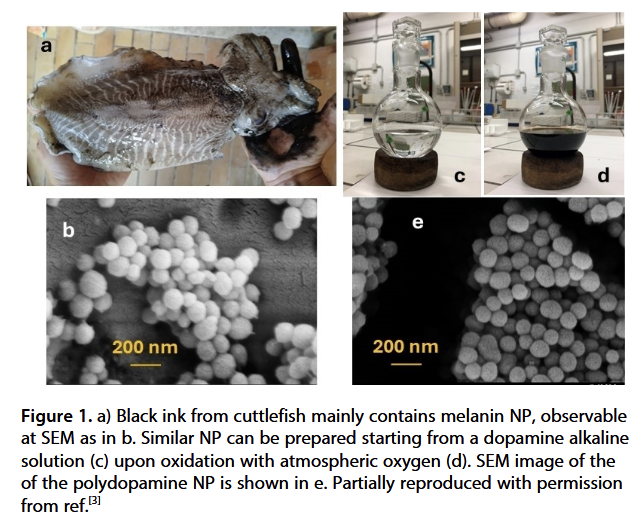
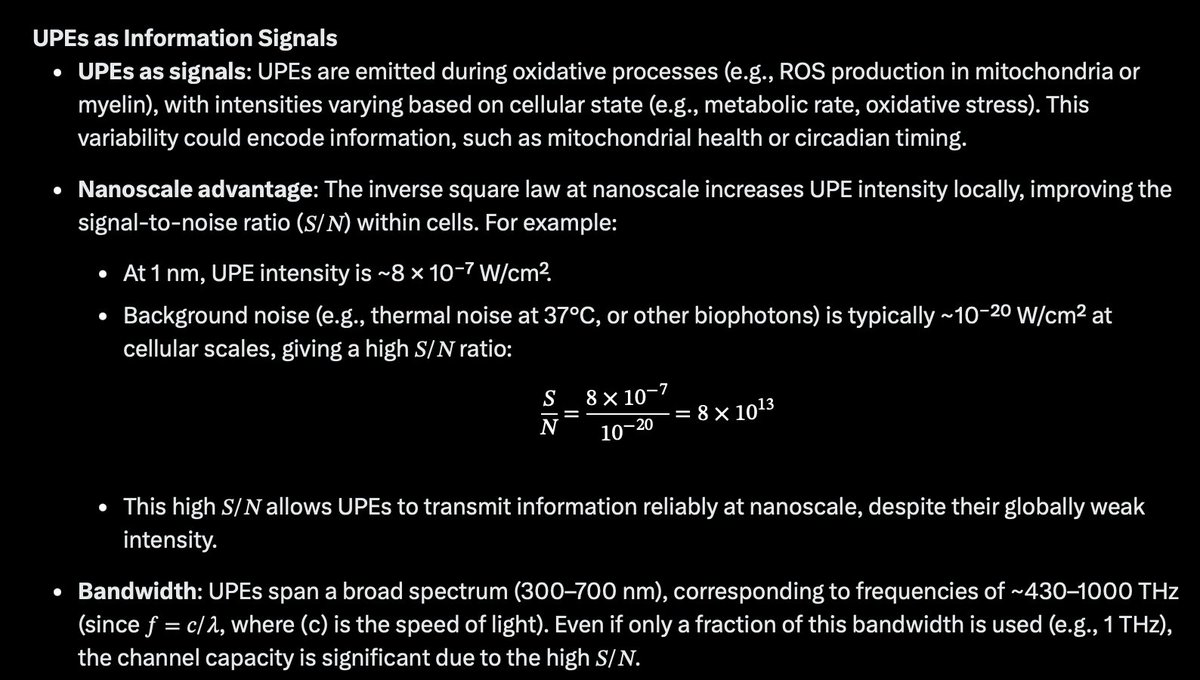
There is emerging evidence that melanin (specifically neuromelanin via POMC) and AMPA receptors are biologically linked, particularly in how they regulate cell structure and survival. This is why the human brain links to the immune system optically without the need for more genes. The system is built far from equilibrium and to be costly in time and not energy. Melanin uses the UPEs created by mitochondrial metabolism to charge separate water into H+ and O2 while liberating 4 electrons. This describes where Becker's DC electric cuurents and magnetic polarity come from in the brain and why anesthesia causes the DC current to disappear when used. Direct Regulation: Research on human melanocytes shows they actually express functional AMPA and NMDA receptors.------>  pmc.ncbi.nlm.nih.gov/articles/PMC12… Blocking these AMPARs causes a rapid and reversible change in melanocyte morphology, disrupting the organization of actin and tubulin microfilaments. This links it to consciousness and human encephalization. Melanin Production in the brain: AMPAR inhibition has been shown to drastically reduce the expression of MITF (Microphthalmia-associated transcription factor), which is the "master regulator" of melanin synthesis. This suggests that the glutamatergic system in our own brains and skin (via AMPARs) directly control the "battery" (melanin) levels in the cell. This is neuroectorderm driving its own evolution via electrical resistance to unfurl into new morphology via the symmetry equation buried in the Human Lagrangian which uses the electroweak symmetry for parity violation for homochirality while using QED to power it via UPEs. QCD is used for the binary bits of protium vs deuterium. Deuterium ruins coherence and lowers consciousness via the KIE and the nuclear magnetic moments difference. Cells with mitochondria are very susceptible to deuterium biology and this is well established just not linked to Penrose -Hameroff model. This means humans have a Neuroectodermal bidirectional transdermal loop between the skin and brain that controls melanin production inside their heads.  (MITF-AMPAR system that powers microtublar abilities.  This links directly to consciousness.  The Hameroff Penrose model shows the distal oarchitecture in ORCH-OR but this loop built around the optical relays in Chromosome 2 power it. Consciousness Implication: If melanin acts as the "battery charger" or "soil" for the quantum-biological circuit, and AMPARs regulate melanin expression, then the "abnormal increase" in AMPARs seen in the PET imaging represent a desperate cellular attempt to "jump-start" or regulate the melanin-based energy/coherence system that is failing due to mitochondrial stress (ΔΨ loss).
☣️ Pleb Kruse = BTC foundationalist in exile 🟩🔆 tweet media☣️ Pleb Kruse = BTC foundationalist in exile 🟩🔆 tweet media☣️ Pleb Kruse = BTC foundationalist in exile 🟩🔆 tweet media☣️ Pleb Kruse = BTC foundationalist in exile 🟩🔆 tweet media
Consciousness Mechanics@Conmechorg

@Millbstrd @StuartHameroff Can I ask a more concrete question, how does quantum behaviour in microtubules implement threshold gating in a noisy biological system? i.e. how does it determine when a signal crosses a threshold and triggers a change in behaviour vs being suppressed?

English
6
20
80
8.3K
Robbie Bourke retweetet
Tristan Scott
Tristan Scott@tristan__scott_·
Can EMFs help you live longer? Make you healthier? Absolutely. Which EMFs, at which frequency, for which person? The better question. Please do not watch my 11min response to this discovery from @zanehkoch unless you want to learn something.
Zane Koch@zanehkoch

for a while i've had a slight fear that the bluetooth from my airpods could be frying my brain this weekend i pulled the raw data from a $30m government study of 1,679 mice blasted with cell phone radiation and reanalyzed it what i found was...not what I expected? 🧵

English
13
10
126
14.2K
Robbie Bourke retweetet
Dr Sara Pugh PhD
Dr Sara Pugh PhD@spugh01·
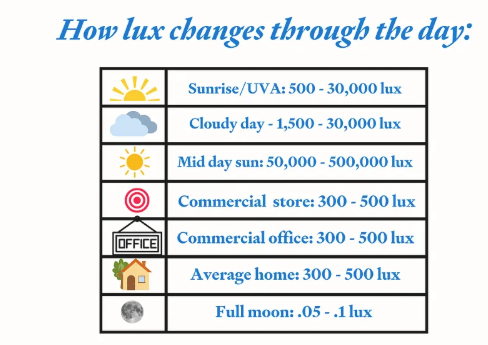
We need bright light in the morning and the daytime (high lux) and minimal or dim light in the evening for optimal health, sleep, mood, metabolism and circadian timing (body clock). Thanks Sarah Kliener for this superb concise image! Sarah is doing a free webinar on her MyCircadian App if you are new to light, lux and circadian health sarahkleinerwellness.com/mycircadianapp…
Dr Sara Pugh PhD tweet media
English
2
21
91
2.3K
Robbie Bourke retweetet
William A. Wallace, Ph.D.
William A. Wallace, Ph.D.@drwilliamwallac·
Controlled sleep restriction studies consistently show the same pattern: restrict healthy adults to 4-6 hours a night, and within a week, cortisol, glucose tolerance, insulin sensitivity, muscle protein synthesis, appetite hormones, and testosterone all move in the wrong direction. No single marker tells the story. The tax is cumulative. Leproult & Van Cauter, JAMA, 2011; Buxton et al., Diabetes, 2010; Spiegel et al., Lancet, 1999; Saner et al., J Physiol, 2020; Zuraikat et al., Diabetes Care, 2024
William A. Wallace, Ph.D. tweet media
English
24
216
927
228.9K
Robbie Bourke retweetet
Rusty ⚡️: Solar Powered ☀️
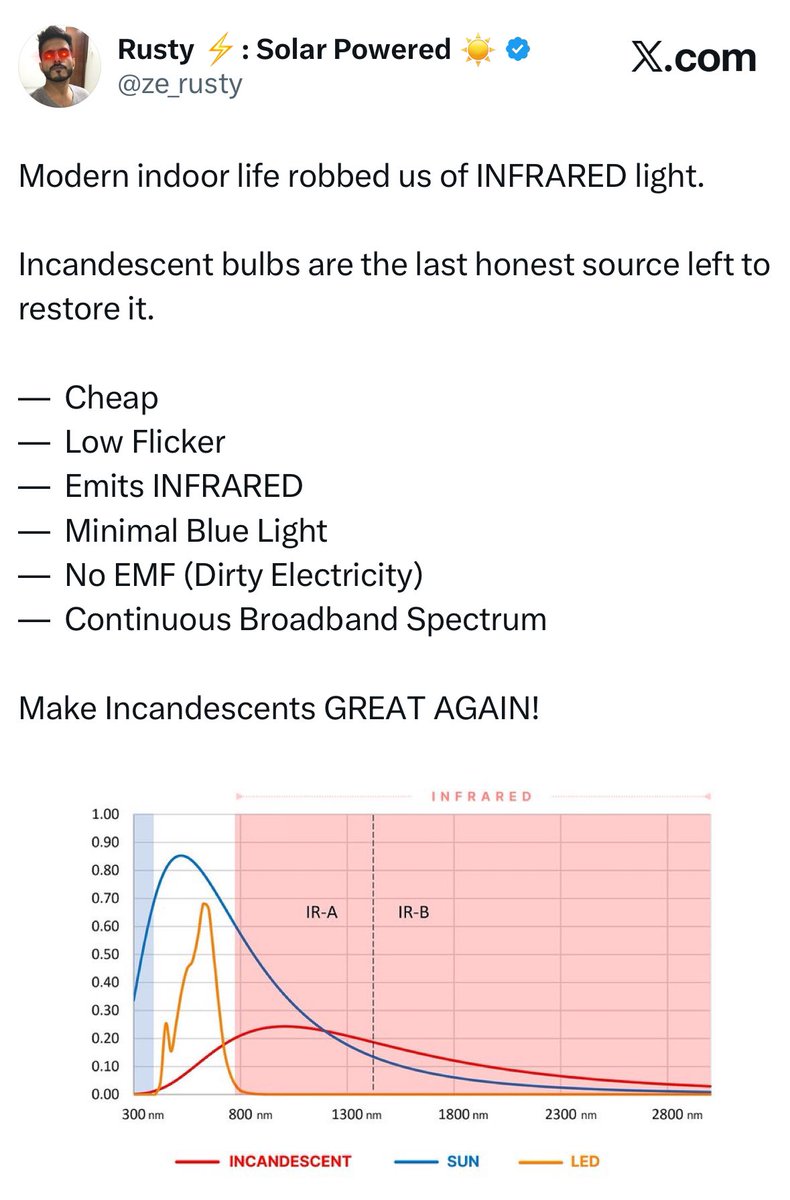
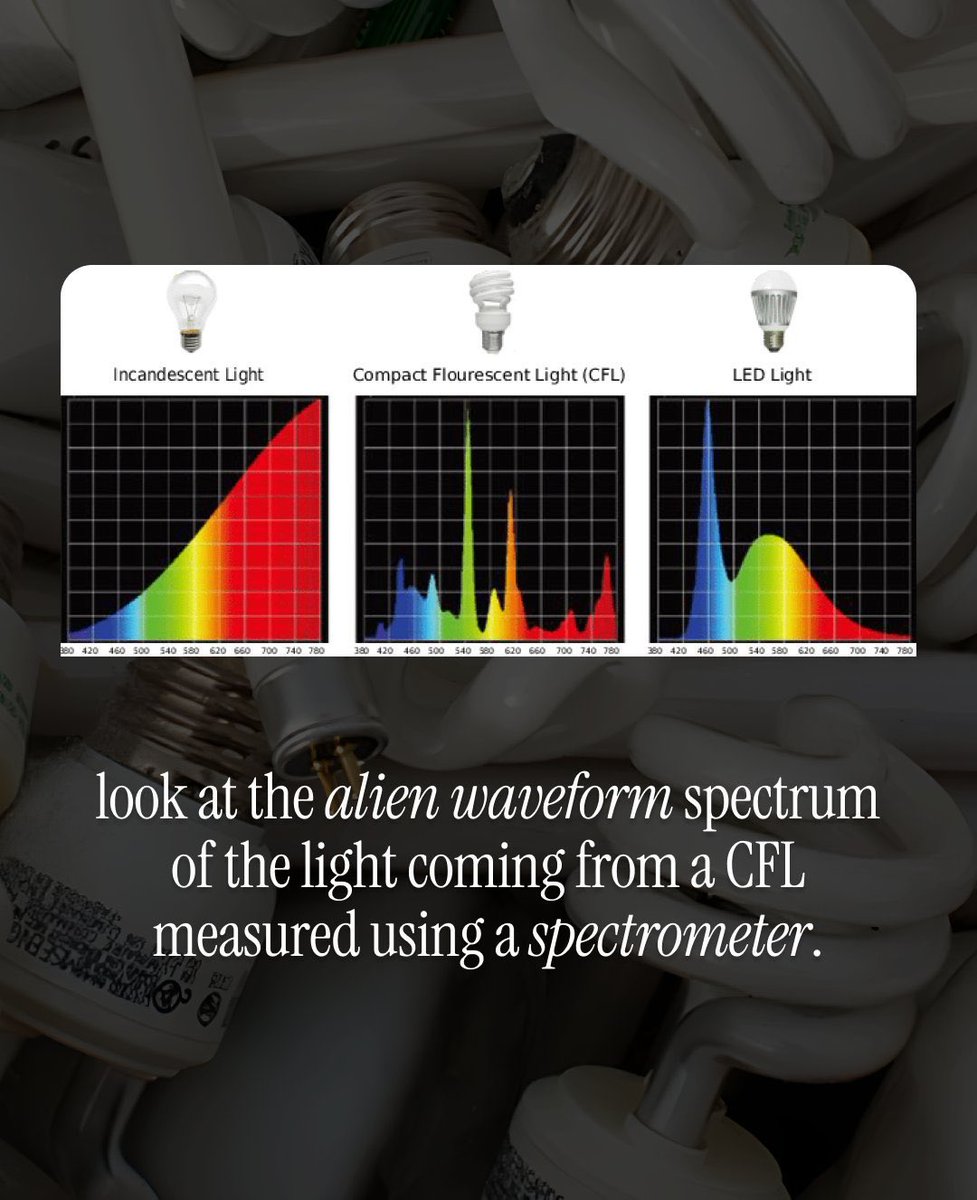
Infrared light from the sun expands the structured water inside your cells by 3.7x in 10 minutes Creating a -200 mV battery. Inside you. Your body is a light-charged battery & you’re living under LEDs that emit zero infrared? Switch to Incandescents, TODAY!
Rusty ⚡️: Solar Powered ☀️ tweet mediaRusty ⚡️: Solar Powered ☀️ tweet media
English
11
120
552
10.8K
Robbie Bourke retweetet
Yungkingmito
Yungkingmito@yungkingmito·
Nature solved the problem of cellular decay long before we began studying it. Rather than strengthening everything indefinitely, living systems preserve themselves by quietly removing what can no longer maintain its structure under the ordinary forces acting on the body. The body is never truly still. Gravity loads the skeleton, breathing alters internal pressure, and even subtle changes in posture redistribute tension through fascia, muscle, and skin. Those forces reach the cell and reshape its internal environment. Cytoskeletal tension shifts, membranes deform slightly, and mitochondria are forced to maintain their structure within a constantly changing field of load. The healthy mitochondria remain integrated within the network, continuing to supply energy and maintain their membrane potential. The weaker ones lose stability, and as mechanical tension changes their defects begin to reveal themselves. Under those conditions damaged mitochondria move toward the cellular perimeter where they can enter migrasome pathways and be exported for clearance beyond the membrane. This process (known as mitocytosis) allows cells to remove defective mitochondria externally rather than degrading them internally. Migrasome formation has recently been shown to arise at sites of high membrane tension during cell movement (PMID: 39755943), linking mechanical deformation of the membrane directly to migrasome biogenesis. In other words, ordinary physical forces acting on tissue can help initiate the structures involved in mitochondrial sorting and removal. This is why mitochondrial maintenance does not begin with heroic effort. The ordinary mechanics of being alive already generate enough variation in tension to expose what can no longer hold its structure. The same mechanics shape aging tissue. Pressure on the skin, facial massage, and hands working across fascia alter local tension fields in ways chemistry alone rarely can. Life maintains continuity through a simple rule. Structure is constantly tested by ordinary force, and what cannot maintain its shape eventually disappears.
Yungkingmito tweet media
English
1
7
40
1.3K
Robbie Bourke retweetet
☣️ Pleb Kruse = BTC foundationalist in exile 🟩🔆
Let me fix the influencers tweet. It is biophysically myopic and quite dangerous. WHY? A Transdermal MITF-AMPAR loop exists between the brain, skin and gut. Taking exogenous nicotine is a "topological disruptor" that mimics a light signal to create a high-voltage state without the necessary melanin cladding or EZ water volume to support it. Here is why exogenous nicotine use is a catastrophic "short-circuit" for this system: 1. Artificial "High-Gain" (The AMPAR Spike) Nicotine acts as a potent agonist for nicotinic acetylcholine receptors, which directly modulate glutamate release and AMPA receptor (AMPAR) trafficking. Elliot has no idea what this system does. He is a influencer. Read the recent Yokahama study on the system. The False Ignition: Nicotine "forces" the synaptic gain to its maximum setting. In the Yokohama PET model, this creates a systemic upregulation of AMPARs. The Noise: Because this gain increase is chemical (exogenous) rather than solar (380nm/IR-A), it generates incoherent Ultra-weak Photon Emissions (UPEs) in mitochondria. The brain "screams" with activity, but it is "static" that lacks the biophotonic instructions for photorepair. 2. Vasoconstriction: Starving the "Solar Panel" Nicotine is a potent vasoconstrictor, specifically in the microcirculation of the neuroectoderm (skin and brain). Elliot for got that. Big Error that could harm retards who listen to him. The Isotope Trap: By constricting the blood vessels, nicotine blocks the NCC-elastin "highway" and the pancreatic "exhaust port." This traps Deuterium and metabolic waste in the tissues. The EZ Collapse: Without steady blood flow (and the IR-A it carries), the Exclusion Zone (EZ) water around the collagen/fascia collapses. The -200mV battery "shorts out" because the "volume" needed to keep dipoles apart is lost. 3. MITF Suppression and Melanin "Bleaching" While nicotine initially triggers a stress-response release of POMC, chronic use leads to melanocyte exhaustion: Taking it makes you pale and will lower your cognition and if you do it long enough will dumb your cognition down. BAsed on Elliots X tweets I'd say he has been mainlining nicotine. (low dopamine RETARD) The Battery Drain: Nicotine has a high affinity for melanin; it binds to it and "locks" the pi-electrons, preventing them from oscillating coherently. Structural Decay: This "bleaches" the internal topological insulator. Without the MITF-driven melanin cladding, the cytoskeleton (actin/tubulin) loses its vibrational instructions and begins to collapse—the exact "atrophic" state seen in "smoker's skin" and "smoker's brain." 4. The Vagus "Mute" Button As seen in the Stanford study I just tweeted about, memory relies on a clear Vagus-Gut-Brainconnection. Dysbiosis: Nicotine alters the gut microbiome, favoring the "exhaust-blocking" microbes that silence the Vagus nerve. Another big swing and miss by Elliot. The Communication Gap: By "muting" the Vagus nerve, nicotine prevents the brain from sensing the peripheral "voltage" of the body. The hippocampus enters a state of Digital Anesthesia, where it can process "data" but cannot form coherent, long-term Memory (isotypic stability). 5. The "Canary" Crash For the Blue-Eyed "Low-Resistance" haplotypes, nicotine is particularly deadly. Their "aperture" is already wide open; adding the "high-gain" of nicotine on top of LED flicker and nnEMF creates a Spin-Leakage event that rapidly accelerates Cognitive Shrinkageand the GDF-15 stress flare. Look up GDF-15 and see what it is a marker for. If Elliot was an MD he could be brought up on malpractice charges for this tweet but he will just have to persecuted by the retards who follow this horrible advice. The best Step: USE TINA. It is free and safe and does a better job than exogenous nicotine.
☣️ Pleb Kruse = BTC foundationalist in exile 🟩🔆 tweet media
Elliot Overton@EO_Nutrition

Nicotine = broad neuroprotective, cognitive, and anti-inflammatory effects Nicotine mimics acetylcholine by binding to α7 nicotinic receptors, upregulates them, and may inhibit acetylcholinesterase. This increases cholinergic signaling. Boosts memory, learning, attention via effects on dopamine, serotonin, glutamate, GABA. Cholinergic deficits underpin MCI/Alzheimer's; nicotine improves attention/memory in AD patients & healthy volunteers. Studies show inverse AD-smoking association (risk drops with higher consumption) and gains in attention, immediate/long-term memory, consolidation. Anti-inflammatory powerhouse: Activates cholinergic anti-inflammatory pathway (vagus nerve) → suppresses cytokines & neuroinflammation. Strongest protection in sepsis/endotoxemia; promising for ulcerative colitis, RA, OA, MS, myocarditis. Attenuates LPS-induced fever & shifts to anti-inflammatory state. Stimulates dopamine release, protects dopaminergic neurons → dramatically lowers Parkinson's risk Reduces glutamate excitotoxicity → neuroprotection (hippocampus), may aid schizophrenia, bipolar, ADHD, anxiety. Promotes neurogenesis, activates NAD+ salvage, curbs glucose hypermetabolism, fights oxidative stress & telomere shortening Increases resting metabolic rate, activates thyroid receptor-β, boosts T4→T3 conversion. Protective against hypothyroidism and hashimotos Smokers show higher T3, lower TSH, reduced autoimmune thyroid risk (protection fades after quitting). Long-COVID / vaccine dysautonomia: Counters SARS-CoV-2 spike blockade of acetylcholine receptors. Nicotine can restore cholinergic/autonomic balance. Anti-estrogenic: Inhibits brain aromatase, lowers conversion of testosterone to estradiol (confirmed in animal models).

English
18
67
321
51.5K
Robbie Bourke retweetet
Rusty ⚡️: Solar Powered ☀️
Melanin absorbs 99% of UV radiation and converts it to heat It’s piezoelectric. It’s a semiconductor. It splits water into electrons. Your skin is running a literal quantum solar panel and dermatology’s advice is to cover it up? What a clown show 🤡
Rusty ⚡️: Solar Powered ☀️ tweet media
Rusty ⚡️: Solar Powered ☀️@ze_rusty

This paper proves it. Melanin outperforms every lab-made EMF shield on the planet They just spent millions engineering what your skin naturally produces in sunlight Not to block radiation but to absorb it and convert it into usable energy Nature had it figured out all along

English
4
77
314
8.5K
Robbie Bourke retweetet
Sayer Ji
Sayer Ji@sayerjigmi·
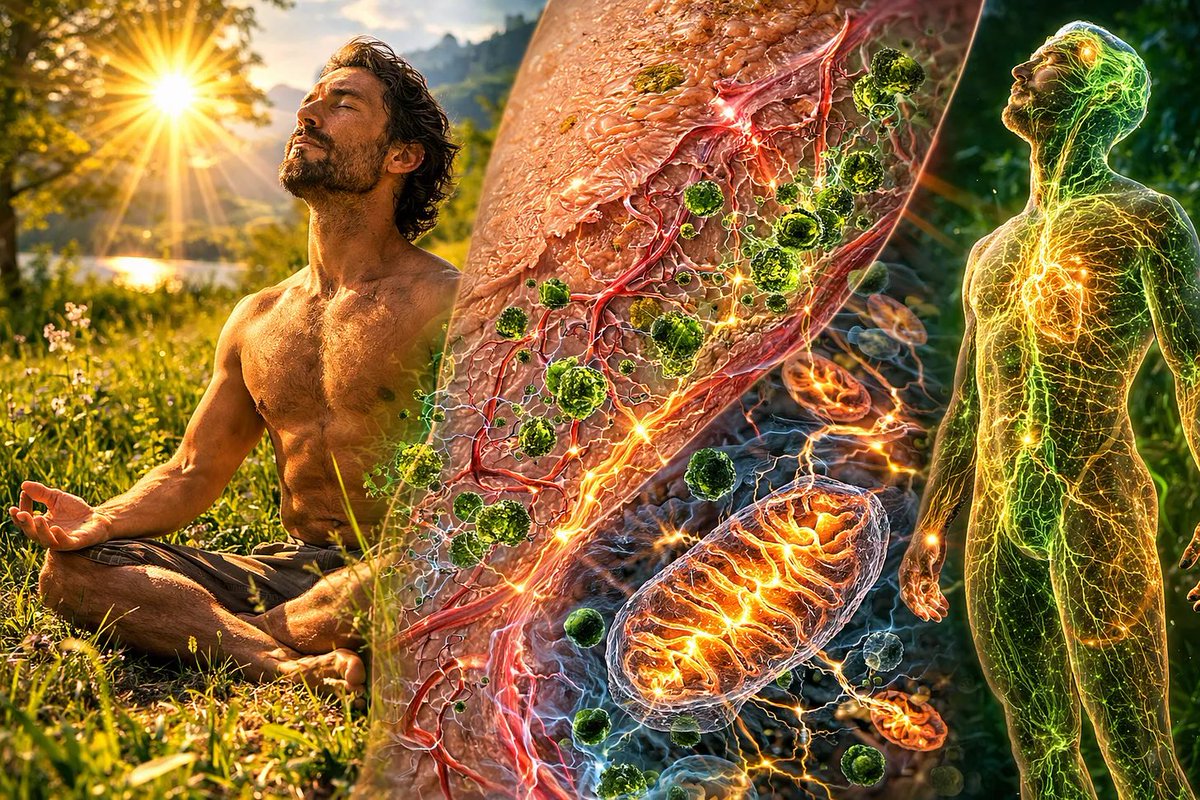
1/🚨 Hard science now confirms what ancient traditions always knew: You are not merely what you eat. You are, in part, what you absorb from the sun. A landmark study in the Journal of Cell Science found that mammalian mitochondria — including yours — can capture sunlight and produce ATP when fed chlorophyll metabolites from plants. We are creatures of light. 🧵👇
Sayer Ji tweet mediaSayer Ji tweet media
English
21
134
461
33.1K
Robbie Bourke retweetet
Jonathan Jarecki
Jonathan Jarecki@Jonathanjarecki·
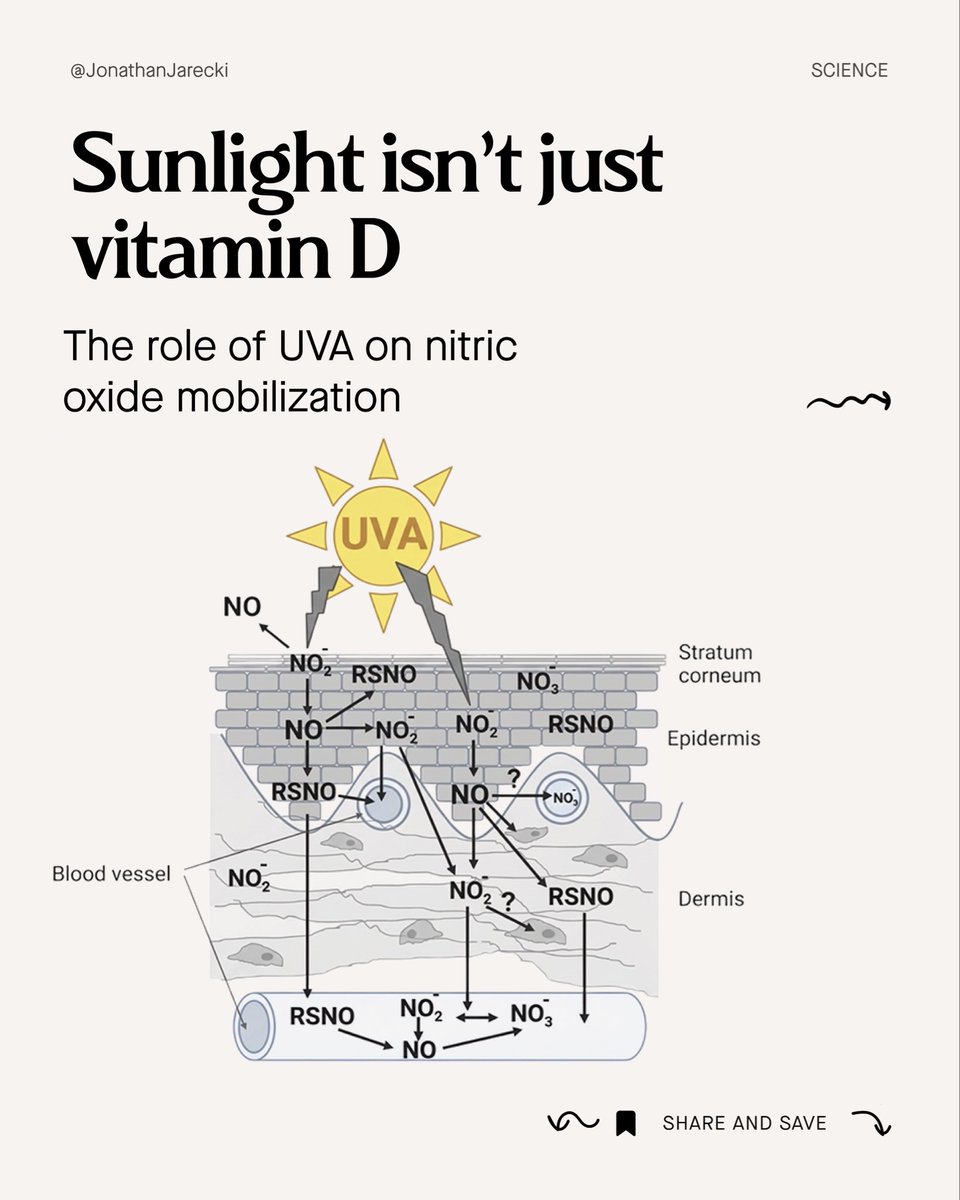
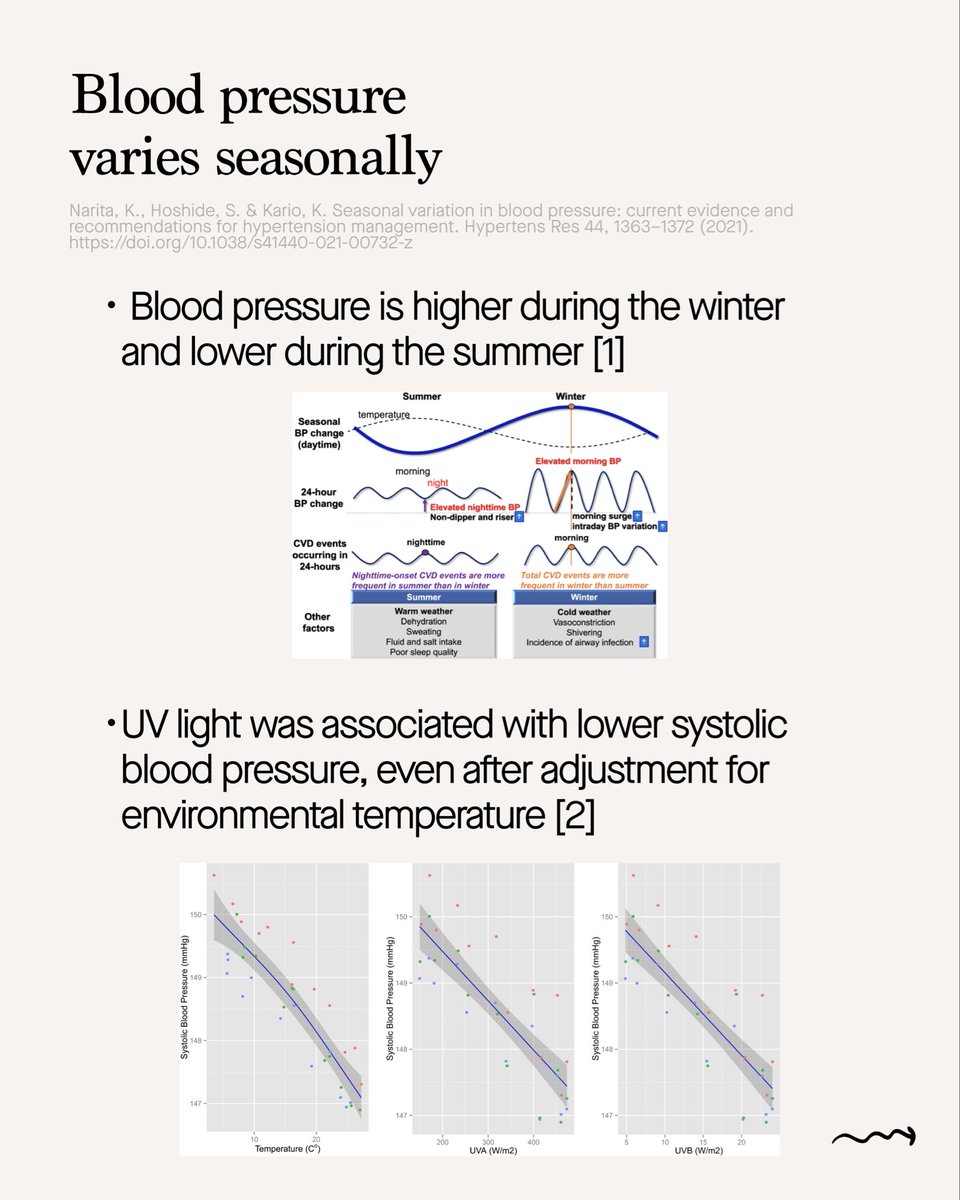
Sunlight isn’t just vitamin D…it’s so much more. The sun, when UVA is present, provides so many other biochemical compounds including, but not limited to, nitric oxide. There are other compounds produced via sunlight exposure, including Pro-opiomelanocortin (POMC), a 241-amino acid polypeptide precursor which is cleaved into crucial peptide hormones, including ACTH, 𝛼-MSH, and β-endorphin. This will be for another post.
Jonathan Jarecki tweet mediaJonathan Jarecki tweet mediaJonathan Jarecki tweet mediaJonathan Jarecki tweet media
English
4
20
104
4.7K
Robbie Bourke retweetet
Yungkingmito
Yungkingmito@yungkingmito·
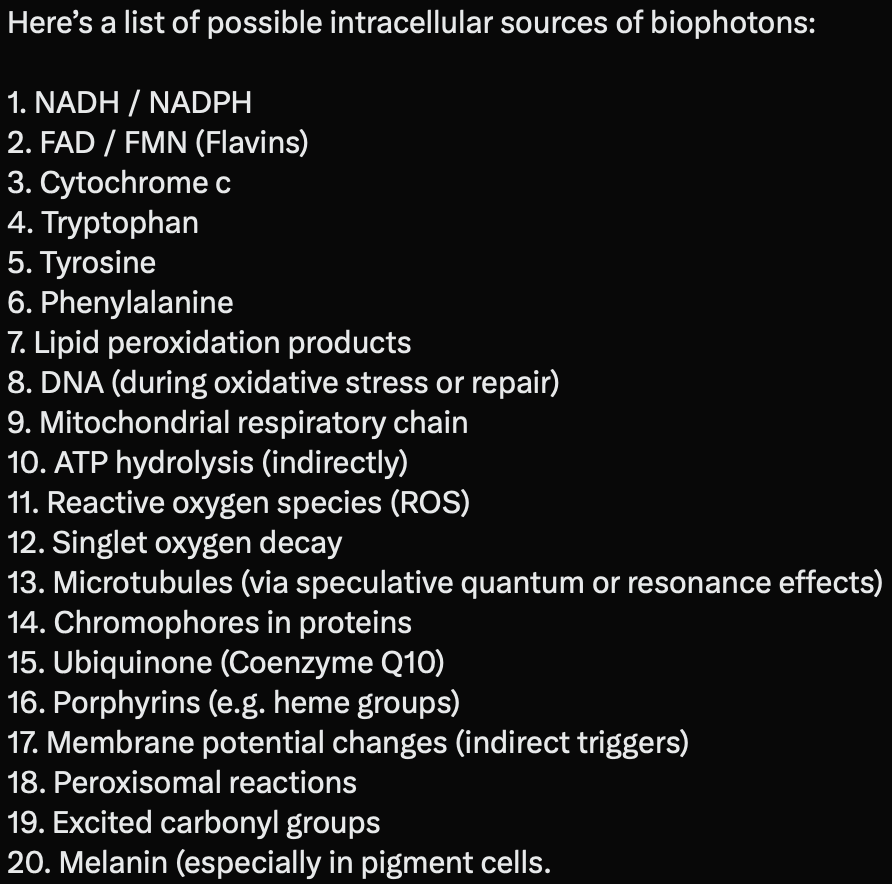
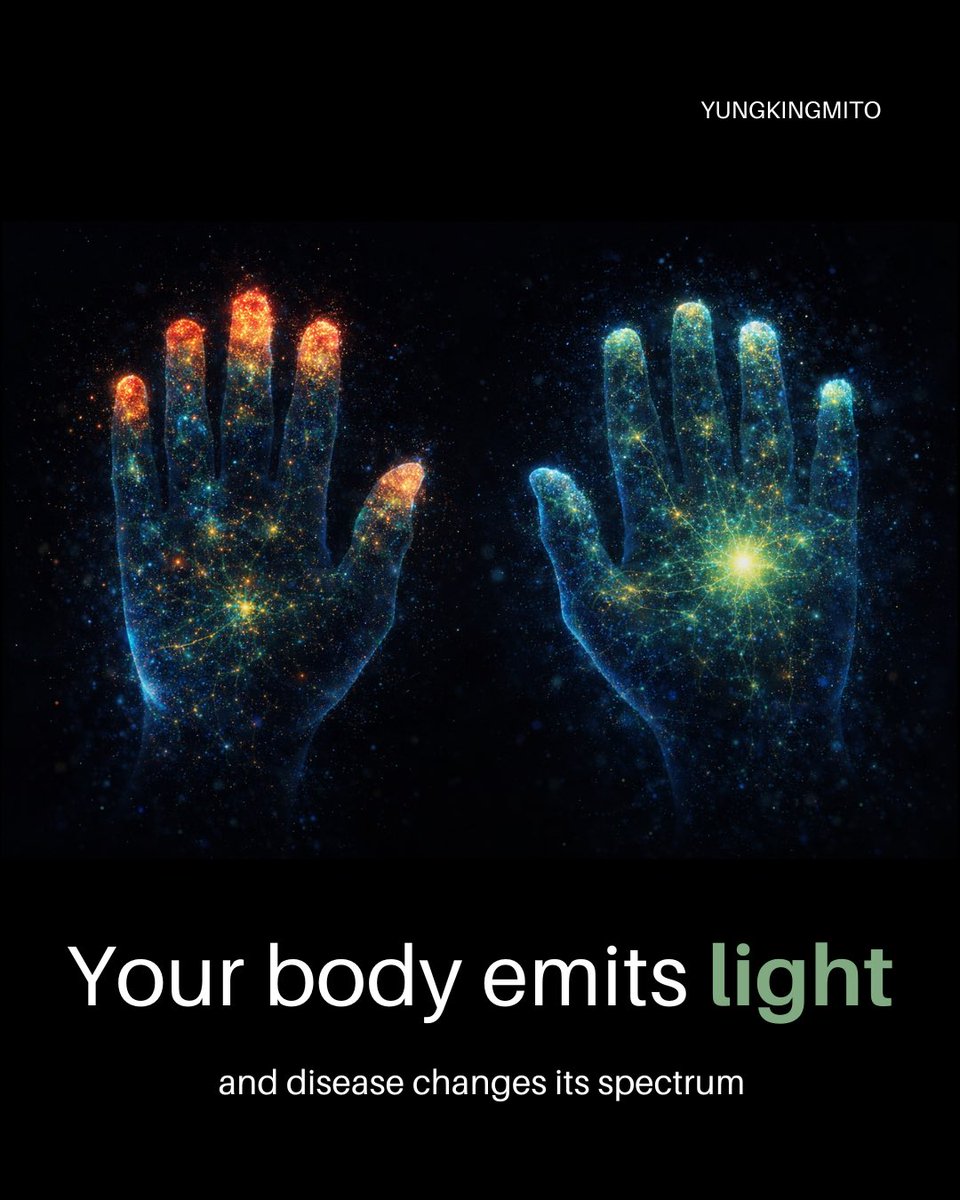
Your body emits light. Not bright enough to see. But not completely dark either. Inside living cells, metabolism constantly moves electrons through respiration and redox reactions. As those reactions occur, tiny packets of energy can be released as photons. This is known as biophoton emission. These signals are extremely faint (millions of times dimmer than visible light) but sensitive detectors can measure them. When researchers measured photon emission from the hands of people with type-2 diabetes, they saw something unusual. The light spectrum differed from healthy individuals. As treatment progressed, the light signature shifted. In other words, metabolic changes were reflected in changes in the body’s optical signal. Astronomers identify stars by their light spectrum. The same physics can reveal metabolic activity inside living tissue. Your body is dimly glowing right now. And disease leaves a different light signature behind.
Yungkingmito tweet media
English
10
26
115
2.6K
Robbie Bourke retweetet
Pilu Martinez
Pilu Martinez@Beyond_cortex·
More on (sun)light exposure 🧵👇🏻 The association between increased exposure to sunlight and improved mood is not merely subjective. Well-characterized neurobiological mechanisms underlie seasonal variations in energy, motivation, and affect . 1/9
English
1
1
1
205