
Harsh
6.1K posts


Harsh
@ThePerfectH
I speak my mind. Building @ThePerfectLoot @LockShareApp
🇮🇳 Beigetreten Temmuz 2012
278 Folgt125 Follower

@x_net_things @stats_feed Yes because the shitty standards of living we have, everyone should know this. Also look at this x.com/ronin03002291/… these happens everywhere but in India it happens most of the times. So be quiet
युवा पहाड़ी@ronin03002291
शिमला: लड़कियों के साथ पर्यटकों की बदसलूकी पर भड़के यूवा। Ab aur kya hi bole in jeso ko #shimla #Punjab #tourists
English

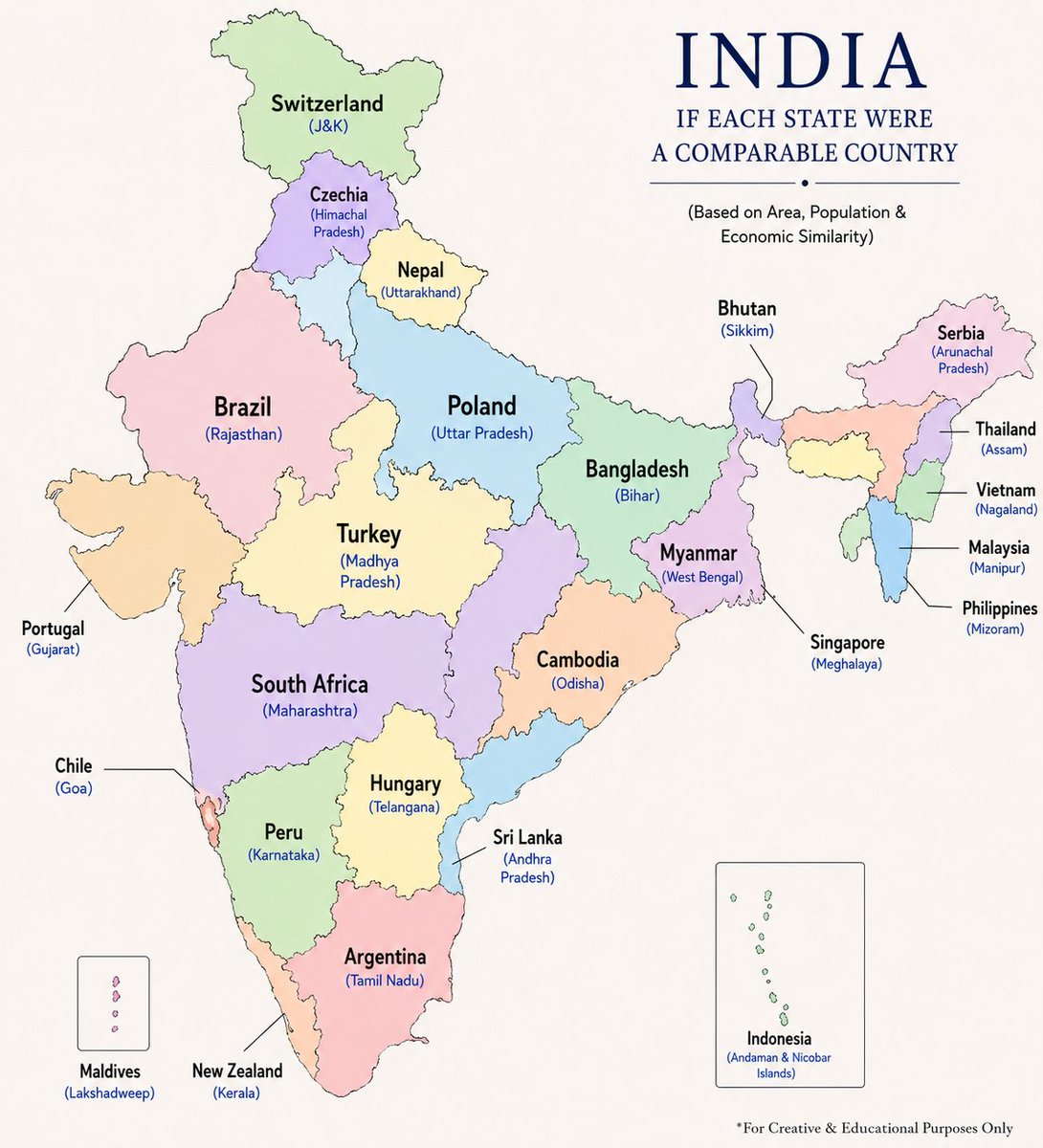
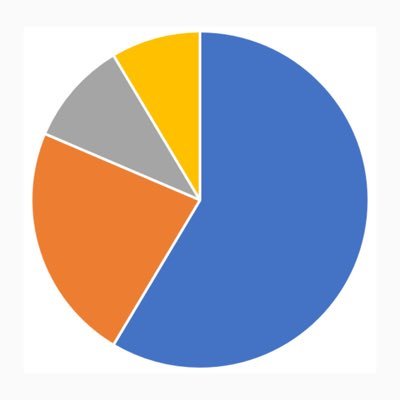
Percentage of people who have NEVER traveled outside their home country:
🇮🇳 India: 97%
🇺🇸 USA: 42%
🇬🇧 UK: ~15%
🇸🇪 Sweden: <1%
🇳🇱 Netherlands: <1%
Geography shapes everything.
Source: Pew Research Center, 2023
English
Pushed my second PR of Claude to production. Hope things are working for all as they are for my local.
Harsh@ThePerfectH
I just pushed my first code at Anthropic for Claude.. All working on my local system, i hope nothing breaks
English

10 KMs. 44 Minutes & 30 Seconds.
It was God & Me contemplating the evolution of my Soul.
English
Harsh retweetet

Her name was Ruchika Girhotra.
She was 14 years old. A tennis player from Panchkula, Haryana.
On August 12 1990, she went to meet S.P.S. Rathore at his office. He was the Inspector General of Police and head of the Haryana Lawn Tennis Association. He had promised her father he would arrange special coaching for her.
When her friend stepped out of the room, he molested her.
Her family filed a complaint three days later.
Rathore had her expelled from school. Her father was suspended from his bank job on false charges. Six cases were filed against her brother Ashu. The family's house was forcibly sold. They fled to the outskirts of Shimla and took up earth filling work to survive.
On December 28 1993, days after Ashu was paraded in handcuffs through their neighbourhood, Ruchika consumed poison.
She died the next day. She was 17.
Rathore threw a party that night.
He then refused to release her body to her father unless he signed blank papers. Those papers were later used to forge documents accepting a false autopsy report.
Despite a police inquiry recommending an FIR against him, Rathore kept getting promoted. He became the Director General of Police of Haryana in 1999.
The case went through 40 adjournments and more than 400 hearings over 19 years.
In December 2009 a court convicted him of molestation. He was sentenced to six months' imprisonment and fined Rs 1,000.
The sentence was later enhanced to 18 months. The Supreme Court upheld his conviction in 2016 but reduced it to the time already served. He walked free.
The judge who tried to add abetment to suicide charges against him was forced into premature retirement.
The judge who dismissed those charges was a neighbour of Ruchika's family involved in a property dispute with them.
S.P.S. Rathore was later invited as a VIP guest to a Republic Day event in Panchkula.
Ruchika Girhotra was 14 when he molested. She was 17 when she died.
Follow for stories India deserves to remember.

English
Harsh retweetet

Harsh retweetet

19-year-old kid filmed a TikTok rubbing his hands together over money, captioned with "oy vey" and "Jewish."
Now his job and his life are on the line...


English

Harsh retweetet



guys you’ll never believe where I found the fountain of youth
English
Harsh retweetet

A male Chinese goose attacked a man, so the man pretended the goose knocked him to the ground!
Then the male goose proudly returned to his mate, holding his head high and showing off his strength to her. 😅
English

India's Vulgar Content Crisis: How Algorithms, Greed, and the Erosion of a Generation Are Colliding in 2026
In 2026, open any Indian teenager’s Instagram or YouTube Shorts feed and you’ll see it: a relentless stream of suggestive reels, borderline explicit dances, and creators pushing every boundary for clicks. What began as occasional “bold” content has now become the default algorithm diet for millions. This isn’t organic cultural evolution—it’s engineered addiction, fueled by cold, hard incentives that reward the raciest material while quietly reshaping an entire generation’s sense of normal.
The Numbers Don’t Lie—And They’re Alarming
Official data from the National Cyber Crime Reporting Portal shows a staggering 76,657 complaints of cybercrimes against women in 2025 alone—an increase of over 28,000 cases from the previous year. Sexually obscene material topped the list with 37,743 reports, followed closely by sexually explicit acts. At the same time, the government has issued repeated advisories to platforms demanding immediate removal of “obscene, vulgar, pornographic” content, warning of legal consequences for non-compliance. Yet the flood continues.
Why? Because the system is designed to reward it.
The Algorithm’s Poisonous Incentive Loop
Social media platforms don’t care about culture—they care about watch time, comments, shares, and subscriptions. Provocative, sexually charged content consistently outperforms everything else:
- Reels with “bold” hooks get 2–3x more watch time.
- Controversial or suggestive posts trigger 4x more comments and shares.
- Once a creator dips into semi-nude, twerking, or heavily sexualized fitness/glamour content, the algorithm pushes it harder—because engagement skyrockets.
Creators aren’t stupid. Many started with dance, fashion, or comedy. Then they noticed the pattern: a slightly suggestive thumbnail or outfit = exponential growth. Instagram’s subscription model (where fans pay monthly for “exclusive” content) has turned this into a direct revenue stream. The more explicit the tease, the more subscribers pay to see what’s behind the paywall. It’s not art. It’s calculated escalation.
Meanwhile, young viewers—especially impressionable teens—are being trained from their first scroll. The hyper-sexualization of children and teens on these platforms is no longer fringe; it’s algorithmic mainstream. Algorithms actively promote self-sexualized content from users as young as 12 because it drives insane engagement metrics.
The Hidden Cultural and Psychological Cost
This isn’t harmless entertainment. Constant exposure to vulgar, objectifying content is rewiring expectations:
- Relationships become transactional and appearance-obsessed.
- Body image issues explode among both boys and girls.
- Respect, consent, and emotional depth take a backseat to shock value and dopamine hits.
- A generation is learning that the fastest path to fame and money is self-objectification.
India’s rich cultural heritage—rooted in restraint, family values, and spiritual depth—is being drowned out by a globalized, profit-driven race to the bottom. The same platforms that once promised connection and creativity are now the biggest distributors of cultural decay.
It’s Not Just Creators—It’s Us
Here’s the uncomfortable truth: every view, like, share, and subscription is a vote. We are the demand side of this supply chain. When we reward vulgarity, platforms and creators respond with more of it. The algorithm doesn’t have morals—it has metrics. We do.
What Needs to Change—Now
1. Platforms must be held accountable. The government’s recent push for faster takedowns (now down to hours in some cases) and age-based classification of digital content is a start. But enforcement must be consistent and transparent.
2. Creators must choose integrity over virality. Real influence comes from substance, not skin.
3. Parents and educators need to wake up and actively monitor, discuss, and limit exposure.
4. Users must vote with their thumbs—follow, share, and pay for content that elevates rather than degrades.
The sudden rise of vulgar content in India isn’t accidental. It’s the predictable outcome of unchecked algorithms meeting human greed in a hyper-connected society. If we don’t interrupt this cycle now, we won’t just lose our feeds—we’ll lose the values that define us as a civilization.
The question isn’t whether this content exists.
The question is: what kind of India are we building—one scroll at a time?
What do you think—have you noticed this shift in your own feed? Drop your thoughts below. Let’s start the conversation that actually matters.
English
@bodhan11 @lalitgrateful get yourself another no. for all the sign ups and don't use whatsapp for that no.
English



Harsh retweetet


@saransaaurabh @sardesairajdeep Ghatiya desh ke dushman, jab puri duniya kam prices de rahi they we were and are taxed heavily for the adulterated petrol. i hope people like you rot in hell
English

@sardesairajdeep Absolutely right !!! But being a senior journalist you should present the facts in the right context. Share the prices of petrol/ diesel and commercial gas in other countries including the ones that produce oil.
English

IMPORTANT: as predicted and expected, prices of 19 kg Commercial cylinder has been increased by Rs 993 from today. A 19 Kg cylinder will cost Rs 3071.50 in Delhi from today. No change in domestic cylinder prices. Elections over, exit poll drama done, reality strikes! 🙏
English

Meat
it takes approximately 15,000 litres of water to produce 1 kg of Meat
What’s your point Bsdk
IndiaToday@IndiaToday
10,000 litres water for one litre of ethanol: India's fuel push to worsen water crisis indiatoday.in/science/story/…
English
@Ramanand06X Mandhbuddhi x.com/YTKDIndia/stat… iske liye bol faltu ka gyaan mat de
#YeThikKarkeDikhao@YTKDIndia
Look at how this disabled woman from Tokyo, Japan, is crawling with a pot on her head for water. If only the government there also had employed schemes such as Jal Jeevan Mission, like in Bastar, Chhattisgarh, this would never have happened.
हिन्दी

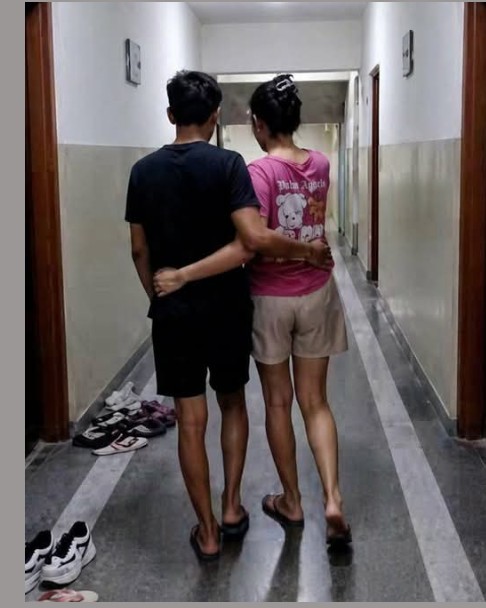
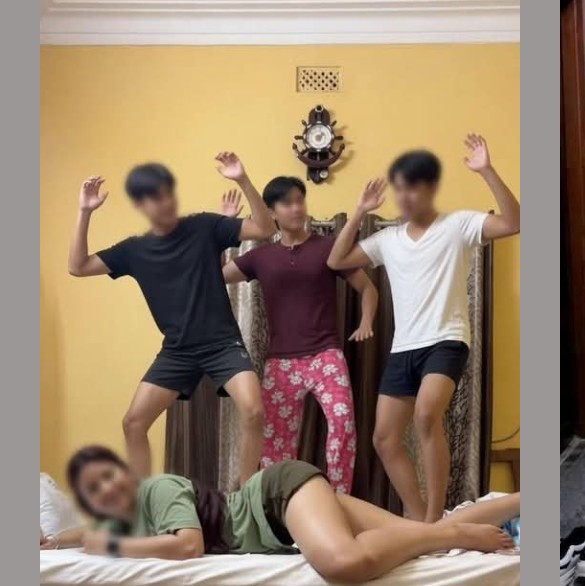
“In some PG accommodations in Noida, it’s not really about studies… it feels more like a full-on hookup culture!”
“Students and working professionals all live together, during the day, everyone plays ‘decent,’ walking out with bags on their shoulders, girls neatly adjusting their dupattas, appearing all proper and composed.”
“On the door, there’s a strict notice, ‘No entry after 11 PM, boys and girls are not allowed in each other’s rooms.’”
“But as soon as the clock hits 11:30… the entire scene flips.”
“Doors quietly open, rooms get exchanged, and suddenly, the PG starts looking more like a live-in setup.”
“This becomes a daily routine, and families back home have no idea what’s really going on.”
“Whether students or working individuals, there seems to be no hesitation, no fear.”
“Everyone thinks the same, ‘No one will find out, might as well experience life before marriage… just enjoy!’”
“And the PG owner? He knows everything… but as long as the rent keeps coming, he stays silent.”
“Morning arrives, and the same act begins again…”
“On calls with family, it’s all, ‘Yes mom, the environment here for studies/job is really good.’”
“And the moment the call ends… laughter fills the room.”
“This is the reality of a double life, one for the family as the ‘ideal child,’ and another in the nights of PG life in Noida.”
English
@Royalsinghz3 Data centers are the worst and if so call propoganda is working on fucking then off, so it should be done.
English

The whole heatwave Propaganda was laying a base to target two things
- Strategic Infra Development in Andaman & Nicobar Islands
- Upcoming $200 Billion USD investment for Data- Centers & AI Hubs in India
English