

Cakez
287 posts
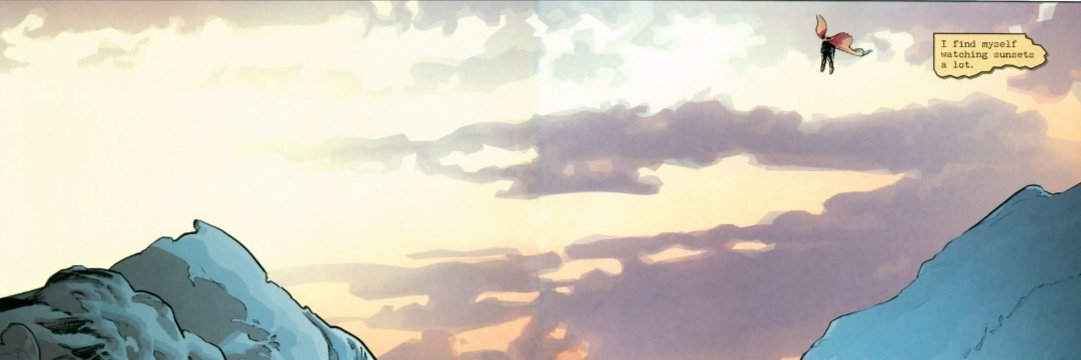

Love this movie to death and I physically cannot watch it again
𝐥𝐢𝐯𝐢𝐧𝐠 𝐝𝐞𝐚𝐝 𝐠𝐢𝐫𝐥 🦇@local_deadgirl
Bring Her Back (2025)
English


"This is the second Eternals character in The Batman univ-"
WE GETTING MORE BATMAN CHARACTERS!
Matt Reeves@mattreevesLA
Welcome to the party, man... 🦇🦇
English
English

@UmarElhashmi @mubeenr25 You will be hitting against a wall🤣🤣😝😝 mubeen is a takfiri goon he believes that Sh Thanvi and deobandi ulema are kaafir🤣🤣🤣🤣😂😂😂 a sectarian nutcase with who you will have no luck😂😂😂 he will strawman everything. Goodluck🤦🏻♂️🤣
English


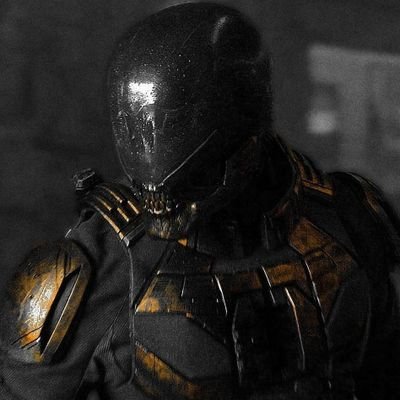
I love how there's going to be a similar shot in Brand New Day.
Spider-Man Vibe 🕷️@SpiderManVibe
English
@MASTER_1_CHIEF That sounds good so you know for sure James goon wouldn't do it
English

It would be genuinely amazing dramatic writing if brainiac was an allegory for AI and misinformation, and I'd love it if it was revealed that brainiac's misinformation corrupted krypton and the Els.
This movie has insane potential.
DC Film News@DCFilmNews
First look at the logo for 'MAN OF TOMORROW'.
English


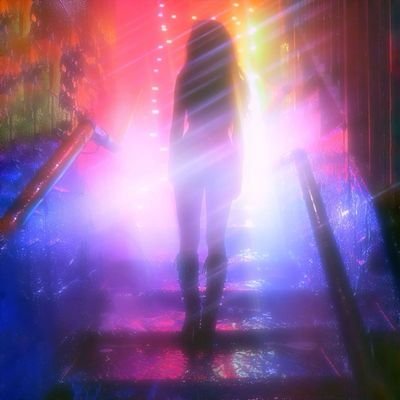
notice we can actually get a sense of how fast he's moving without a fisheye lens
Hoops@Hoopss
Iron Man 2 x.com/CBMshots/statu…
English


Looks like that low budget rumour was true
DiscussingFilm@DiscussingFilm
The new trailer for ‘SUPERGIRL’ has been released. In theaters on June 26.
English

Anyone: “So I was having a banana…”
Barelvis: “May Allah curse you and your entire lineage should you lie upon the greatest of Imams, the logician, theologian, Mujaddid, Mufakkir, Mufassir, Muhaddith, economist, mathematician, physicist, chemist, Shaykh al-Islam Ahmad Rida Khan.
English
@SalafisLs I thought he used to call himself a follower of imam shafii
English

Smartest Wahhabi
Musa Adnan@MusaAdnan
“We won’t pronounce takfīr on you if you don’t engage in istighātha” 🧐
Deutsch

Because every movie was a self contained story. He wasn't trying to build a universe or anything like that.
Matt 🕸️@CinemaSupreme
Why did Raimi kill off every important Spider-Man villain 💔
English

Yeah like spendin quality time on twitter arguing with strangers with comments turned off.
Zayn al-‘Ābidīn al-Ḥanafī@IbnFirdos
“Sullah Kullī” Stop obsessing over nonsense like eating halwā at Shaykh ‘Abdul Qādir al-Jīlānī’s Urs and start dealing with real problems instead of acting like a fool.
English
@masteroogwgay You're a fool who is in no position to talk about these matters . To talk about the prophet in this way is simply not acceptable. We say he ﷺ was untaught .
English
Your conversation is made up, every Muslim knows Muhammad (SAW) didn't physically write the Quran, he couldn't even read or write. That's why the Quran is so special.
An illiterate man made prophecies about the future, had knowledge about the past, that was impossible to know all the while he wouldn't be able to read anything from books.
He recited what God told him, and then the people around him memorized it, and wrote it on pieces of paper, rocks and more.
Ihunanya Chi ❤️@Ihunanya_chi
Muslim: Why do you trust the Bible? Men wrote it, Jesus didn’t, so it’s unreliable. Me: Okay… then who wrote the Quran? Muslim: God. It’s the word of God. Me: Who physically wrote it? Muslim: Didn’t I say it’s the word of God? Are you blind? Me: So God literally wrote it? Muslim: You’re using a Bible Jesus didn’t write! Me: Or did God just drop the Quran from heaven? Muslim: No, it was revealed to Muhammad, he wrote it down. Unlike your Bible, humans didn’t write it… Me: Wait, Muhammad was human, right? Muslim: Yes… are you serious? Me: So a human wrote the Quran? Muslim: No! Not like your Bible… Me: Did Muhammad write the Quran or not? Muslim: He received direct revelation from Allah and wrote down what he heard. Me: Uh… so a human wrote it… oh right, he couldn’t even read or write, so someone must have helped him, and humans make mistakes… Muslim: You’re hopeless… I’m done wasting my time. Me: So… the Quran was written by humans? He blocked me. 😭😭
English
@MercifulMessage @loading079 You are wrong here he was always a Muslim . It is also said by some that he was the first of creation .
English
@Fictiontokk Unfortunately this is one of the only good outside shots
English

This is how I expected Superman to look
Marvel Perfect Gifs & Clips@MCUPerfectGifs
Spider-Man: Brand New Day (2026)
English