
Stephen Kritchevsky retweetet

I’m seeing some dangerous trends in “longevity medicine” and biohacker culture as doctors, pharmacists, and influencers push the edges of what’s legal and ethical.
Here’s one example 👇
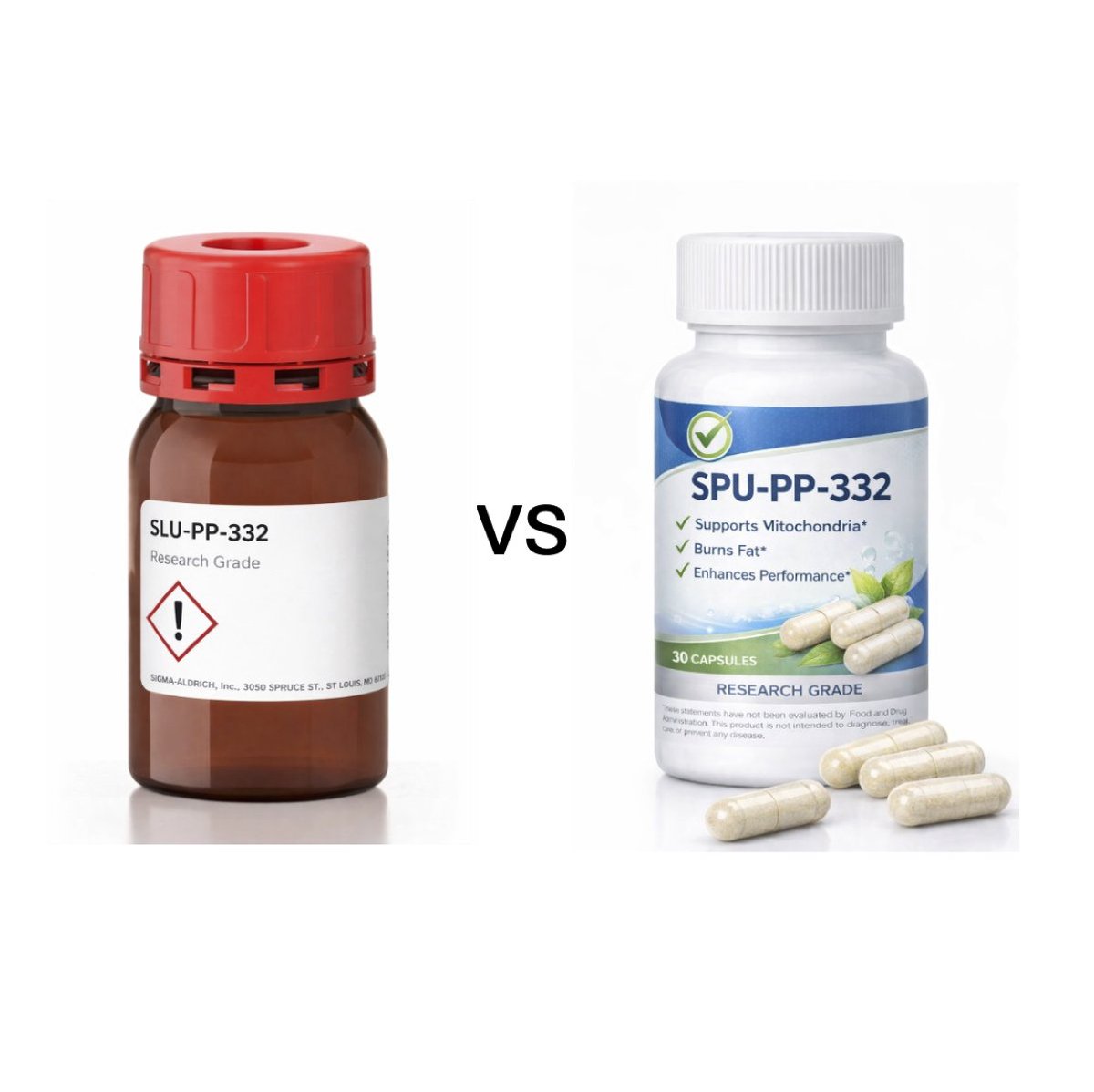
Unscrupulous marketers are selling research-grade chemicals while packaging them to look like benign dietary supplements. That design choice isn’t accidental. It’s meant to make people think these compounds are safe, tested, and appropriate for human use, when many are not.
SLU-PP-332is a good case study. Despite sometimes being called a “peptide,” it’s actually a small-molecule drug with no human safety or efficacy data. It has only been tested in a handful of mouse studies. Yet it’s being promoted as an “exercise mimetic,” and some clinicians are even illegally prescribing it.
Do a quick Google search and you’ll find plenty of sketchy sites selling “research-grade” SLU-PP-332. Don’t buy it.
If you wouldn’t take the brown Sigma-Aldrich bottle and sprinkle it on your yogurt, why would you trust the exact same chemical sold by a fly-by-night internet vendor, encapsulated with unknown purity and zero oversight?
I tend to be libertarian when it comes to healthcare - people should be free to make choices about their own bodies if they’re fully informed.
This isn’t informed choice. It’s deceptive opportunism that puts real people at risk.
Choose evidence over aesthetics. Science over marketing.
English