Angehefteter Tweet

“The world is not sliding, but galloping into a new transnational dystopia. This development has not been properly recognized outside of national security circles. It has been hidden by secrecy, complexity and scale. The internet, our greatest tool of emancipation, has been transformed into the most dangerous facilitator of totalitarianism we have ever seen. The internet is a threat to human civilization.
These transformations have come about silently, because those who know what is going on work in the global surveillance industry and have no incentives to speak out. Left to its own trajectory, within a few years, global civilization will be a postmodern surveillance dystopia, from which escape for all but the most skilled individuals will be impossible. In fact, we may already be there.
While many writers have considered what the internet means for global civilization, they are wrong. They are wrong because they do not have the sense of perspective that direct experience brings. They are wrong because they have never met the enemy.”
ASSANGE, Julian.
Cypherpunks: Freedom and the Future of the Internet Nov 1, 2012
cliffc2@drcliffordchoi
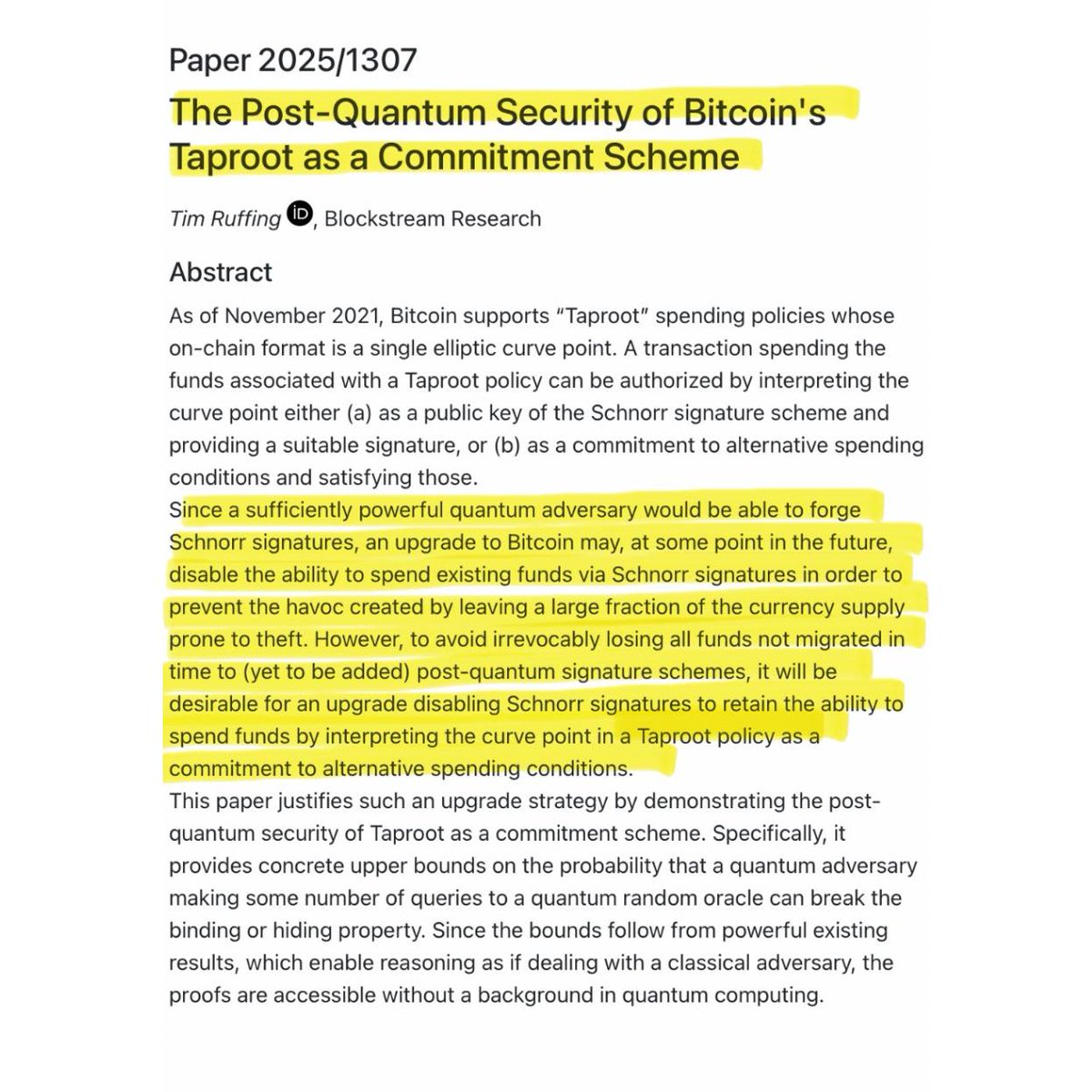
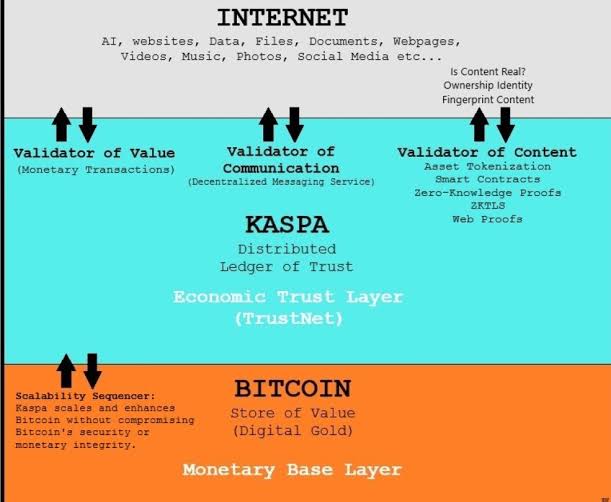
Kaspa and the Rise of the Cypherpunks $KAS Ezra 7:18 伝説、つづく。
English