Brigitte Frohnert MD, PhD 🇺🇦

480 posts

Brigitte Frohnert MD, PhD 🇺🇦 banner
Brigitte Frohnert MD, PhD 🇺🇦

Brigitte Frohnert MD, PhD 🇺🇦

@brigittef

Associate Professor @BarbaraDavisCtr @CUAnschutz @ChildrensColo | pediatric endo and type 1 diabetes research | https://t.co/wM59Gmj0rV | Views my own | she/her

Denver, CO Beigetreten Kasım 2008
474 Folgt285 Follower
Brigitte Frohnert MD, PhD 🇺🇦
Excited that a project I started about this time last year finally came to fruition - CDC/CMS adopted new ICD-10 codes for presymptomatic/early-stage #type1diabetes Hope this leads to increased recognition & screening for #T1D. And promotes current and future intervention(s).
English
2
3
17
1.1K
Johnny Brown
Johnny Brown@johnnyxbrown·
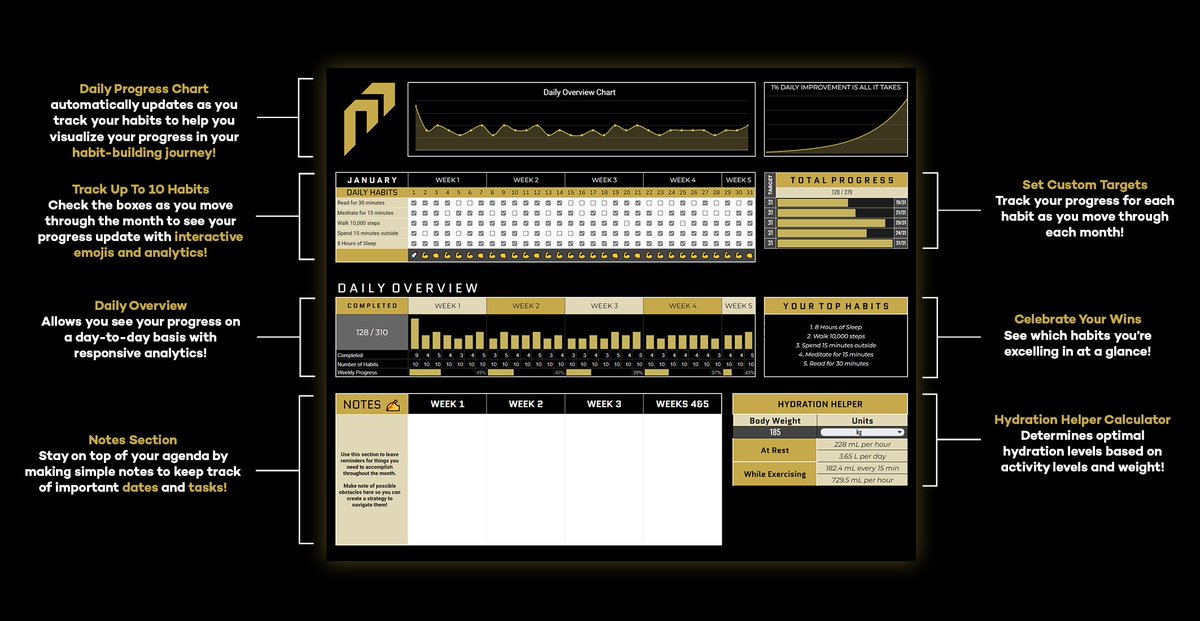
Last year, 40,000+ people downloaded my 2023 Habit Tracker! For the next 24 hours, I'm giving away the improved 2024 tracker for FREE. • Like this post • Reply "2024" Use this to track your habits and visualize your progress. Must be following @johnnyxbrown to receive!
Johnny Brown tweet media
English
1K
51
1.1K
1.1M
Brigitte Frohnert MD, PhD 🇺🇦
@rheault_m Thinking of you. So sorry you got this scary news. But I'm sure you are in good hands. Sending you good thoughts for healing and serenity. And for your family as well.
English
0
0
2
147
Michelle Rheault
Michelle Rheault@rheault_m·
Yesterday was a really good day. Maybe even a career high. I should be popping the 🍾. But with every high has to come a low, right? That’s how this works. Have you been getting your mammograms like you’re supposed to? I haven’t. 🧵 #KidneyWk #WomenInMedicine
English
85
70
741
245K
Brigitte Frohnert MD, PhD 🇺🇦 retweetet
Project Blue November
Project Blue November@PBlueNovember·
Press Release: TZIELD® Phase 3 data presented at ISPAD shows potential to slow the progression of Stage 3 type 1 diabetes in newly diagnosed children and adolescents; full data simultaneously published in The NEJM @MorningstarInc morningstar.com/news/globe-new…
English
1
5
7
493
Brigitte Frohnert MD, PhD 🇺🇦 retweetet
Kimberly D. Manning, MD, MACP
Kimberly D. Manning, MD, MACP@gradydoctor·
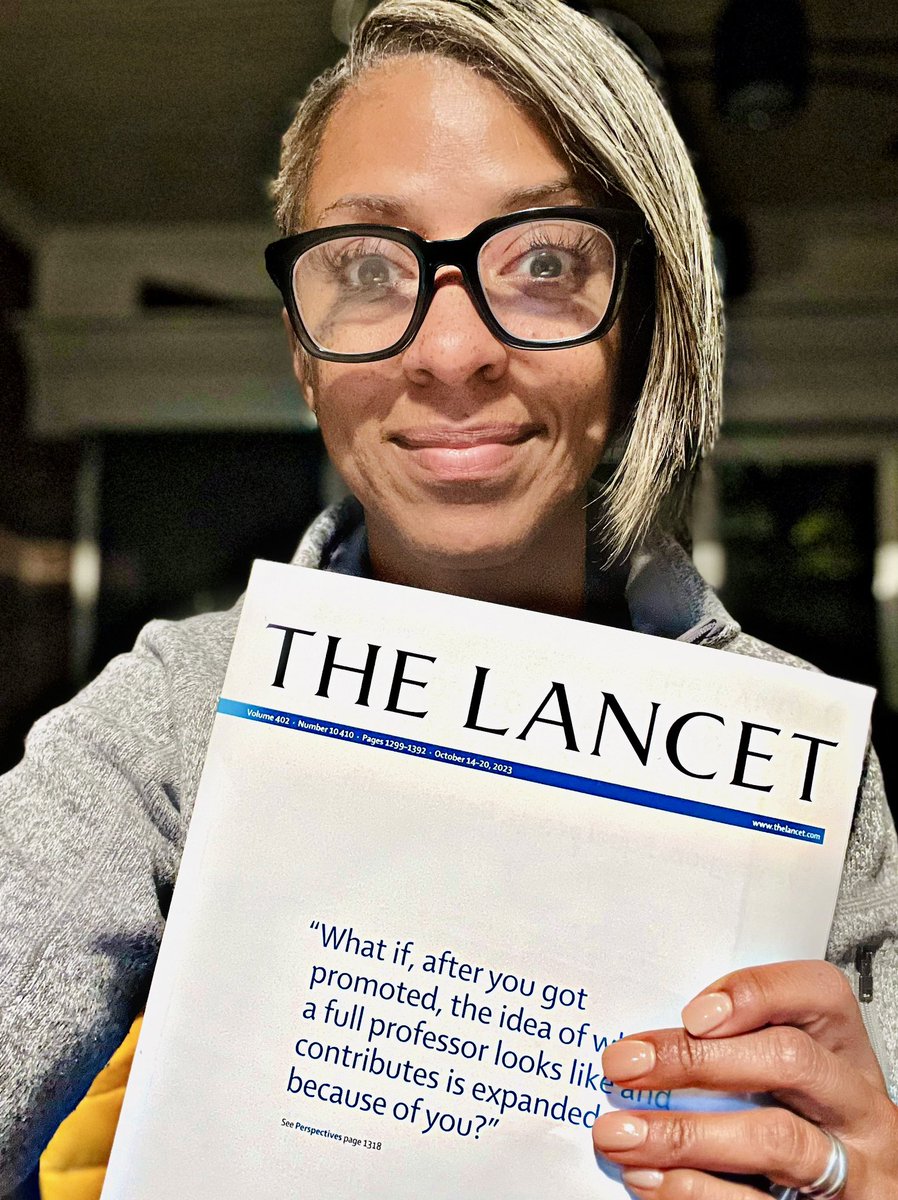
It hits different to actually hold a copy in your own two hands of @TheLancet with a quote from your article printed on the cover. I’m just saying.🥹
Kimberly D. Manning, MD, MACP tweet media
English
91
146
3K
116K
Brigitte Frohnert MD, PhD 🇺🇦 retweetet
Bastian Hauck
Bastian Hauck@tadorna·
#ISPAD2023 #JDRF PANEL DISCUSSION: Peer support is more than offering sympathy and a cup of tea: Where PwD participate in peer-led educational programs, HbA1cs drop by up to 2%! Wouldn’t it be great to have transnational peer support mentor programs? #dedoc #diabetes #t1d #doc
Bastian Hauck tweet media
English
1
15
38
2.2K
Brigitte Frohnert MD, PhD 🇺🇦 retweetet
Tim Urban
Tim Urban@waitbutwhy·
Relationship tip: when your partner makes an awful but innocent mistake (leaves their phone in the cab, forgets their passport when heading to the airport for an international flight, drops and shatters a beloved item, gets in a fender bender, etc.), don't get mad at them. It makes no sense (it was accidental) and it accomplishes nothing except supplementing an already bad situation with an unnecessary fight. Instead, think about it like this: as a couple, you will commit like 20 of these hideous mistakes a year and who knew that one of them was gonna happen today, but it did, so that sucks, but it's also a little bit funny, and let's just make the best of it. This turns those moments from relationship-damaging to relationship-building. And of course, what goes around comes around—you do dumb things too, and you'd much rather your partner be a laughing teammate than an angry parent in those situations. I didn't used to do this, I learned it from my wife. I am a frequent committer of hideous mistakes, and it surprised me that she never got mad about it, and then I started being like that too.
English
743
3.8K
36.4K
6.1M
Brigitte Frohnert MD, PhD 🇺🇦 retweetet
Auschwitz Memorial
Auschwitz Memorial@AuschwitzMuseum·
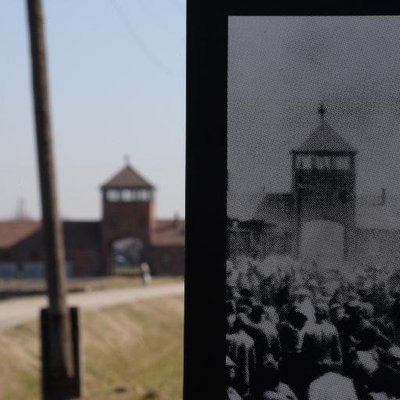
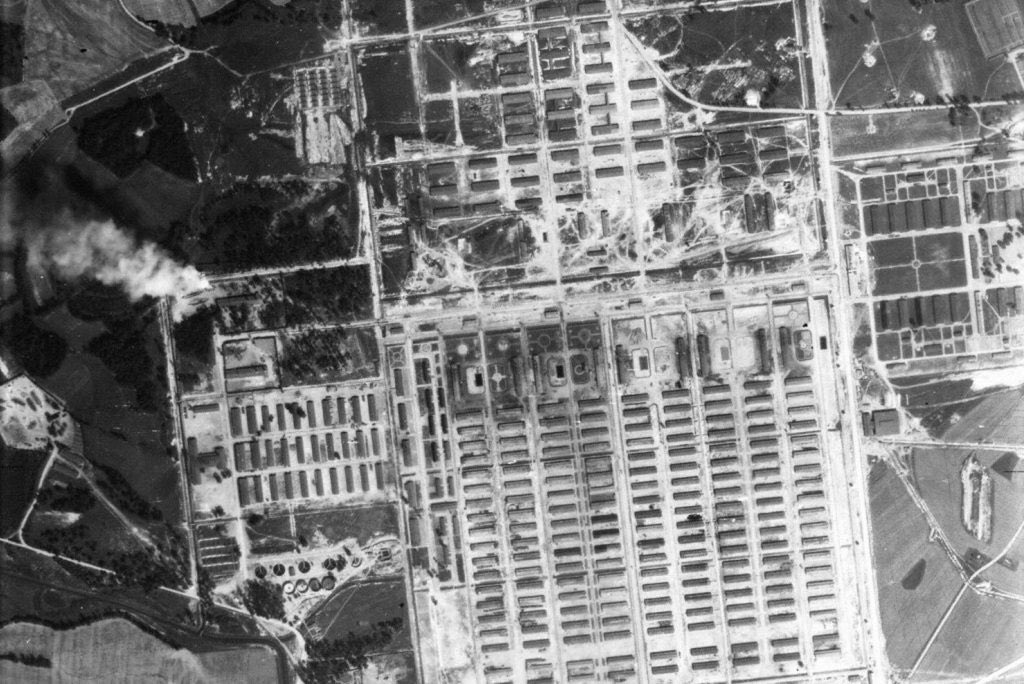
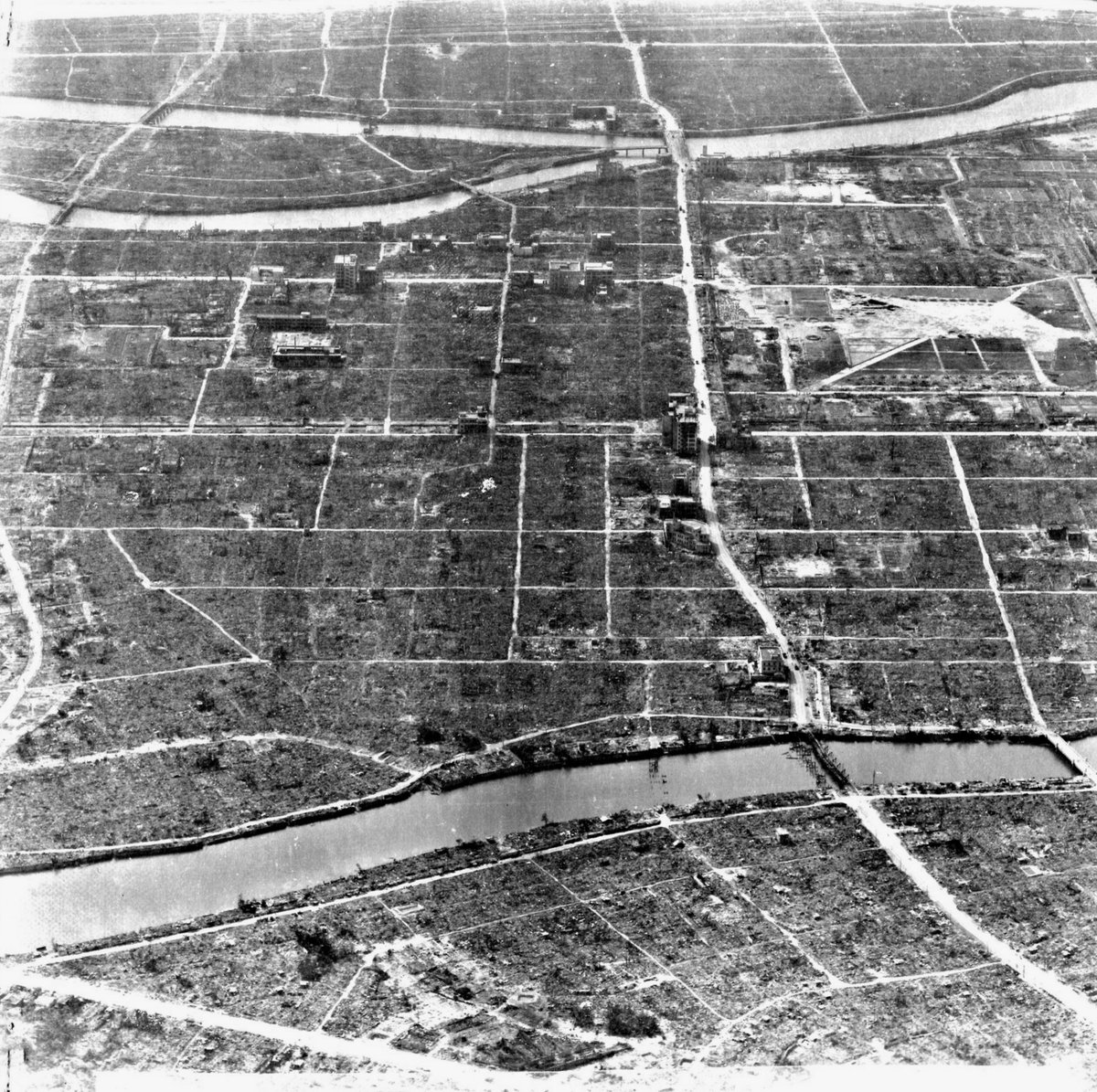
"For the world is in a bad state, but everything will become still worse unless each of us does his best. So, let us be alert — alert in a twofold sense: Since #Auschwitz we know what man is capable of. And since #Hiroshima we know what is at stake." Viktor Frankl, Auschwitz survivor
Auschwitz Memorial tweet mediaAuschwitz Memorial tweet media
English
41
740
3K
350.5K
Brigitte Frohnert MD, PhD 🇺🇦 retweetet
Dan Go
Dan Go@CoachDanGo·
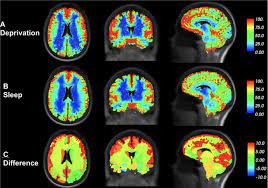
This is your brain on sleep deprivation. Scientists in Canada launched the largest study on how lack of sleep affects the brain. They created games that tested skills like reasoning, language comprehension & decision making. They had one participant repeat these tests in an MRI machine. Here's what they found: On the left is a normal night of sleep. On the right is when it's deprived of 4 hours of sleep. The colored areas are the activity happening in your brain. Notice the lack of activity on the right side. Researchers found there was less activity in the frontal & parietal lobes, which are crucial for decision making, problem solving & mood control. You are simply not at your best when you don't get enough sleep. Another study done at the University of Oslo found that lack of sleep leads to reduced clearance of substances from the brain. These substances are many of the same waste products that are seen to accumulate in the brains of Alzheimer's patients. Some recent studies suggest that poor sleep contributes to higher levels of beta-amyloid protein in the brain, which lead to the amyloid plaques found in the Alzheimer's brain. If you want a healthy brain avoid long term sleep deprivation. What should you do? • When deprived of sleep avoid making big decisions & pause before reacting to an emotion. • Fix your sleeping habits. If you can't get enough hours, focus on increasing your sleep quality to make up for it. Sleep is the best legal performance enhancing drug on the planet. Make it a priority now so you can protect your brain for later.
Dan Go tweet mediaDan Go tweet media
English
471
6.5K
25.6K
7M
Brigitte Frohnert MD, PhD 🇺🇦 retweetet
Karthik Balachandran
Karthik Balachandran@karthik2k2·
Cancer is the emperor of all maladies. The only thing worse than fighting this formidable foe, is fighting it alone and poor. Imagine you have a stable career as a Professor of Surgical Oncology in one of Asia’s most renowned hospitals in Chennai. Your wife works for the US consulate and you have a daughter studying class 5. Will you risk your idyllic life to give poor cancer patients in a remote part of India, a shot at least, at dignified death? That’s exactly what Dr Ravi Kannan did. One fateful day in 2006, Dr Kannan, then a surgical oncologist in Adyar cancer institute, got a call. Dr Chinmoy Choudhury, from Cachar cancer center in Silchar, Assam had called to discuss about a case - but he also asked whether Dr Kannan would like to work in Barak Valley, Silchar. Dr Kannan wasn’t sure - he however agreed to visit the hospital once. What he saw there, made him realise the dire situation - to reach the nearest cancer center people had to travel nearly 15 hours through serpentine roads. Cancer treatment required multiple visits to the hospital. It was expensive. The outcomes weren’t always great. People had imbibed the fatalistic idea that there is little one can do about cancer - it is too powerful. So when a family member got the dreaded disease, the family had to choose between which life to save - the patient’s or their own. Initially, Dr Kannan tried the usual silver bullet - free treatment to poor patients. He asked his IT friend to help him track patients - to his shock, he found that more than 50 % of patients never came back for the second visit. Unlike Chennai, these people hadn’t gone doctor shopping - for there were no doctors to shop! It turned out that even to access free health care, the patient and the attender had to lose out on daily wages. If the family had only one earning member this meant trouble. They came up with an innovative idea - ad hoc jobs for the attenders in the hospital itself ! Not only that, but the attenders who were employed in cleaning, cooking etc - got free accommodation and nutritious meals. No one had to go hungry, just to get treatment. Having solved the first problem, Dr Kannan set out to solve the cost of treatment. Some suggested making the rich pay more to subsidise treatment for the poor. Dr Kannan refused - fearing that the paying “customers” will eventually elbow out the “free” ones. He instead devised a flat lifetime fee of Rs 500 - which included unlimited visits to hospital, dental care and treatment ! Even with a flat fee, free food and stay, some people were still falling through the cracks. He then realised that treatment for the poor had to be faster - because there was no one to take care of elders or kids at school. To reduce time to diagnosis and treatment, Dr Kannan replaced the time consuming standard biopsy with frozen sections. Patients started coming in large numbers. This made Dr Kannan wonder - why do these people get cancer in the first place and what can we do about it? Lifestyle is a major contributor, but hard to change. So he settled for the next best thing - to pick up cancer early, by screening people in their homes itself. Since there weren’t enough doctors , he trained volunteers to do the job - fighting a lot of skepticism. The idea paid off - examining patients in their own homes meant everyone could be screened for cancer. One day a trainee doctor told Dr Kannan, “Sir, many patients are actually well off. They don’t want to pay. They are gaming the system”. He was quiet for a couple of seconds, then went with the trainee doctor to homes of random patients. The abject poverty of their homes hit the trainee doctor like a ton of bricks - perhaps there were people who gamed the system, but the vast majority did not. The effort bore fruit and Silchar mounted a counter attack against cancer. Indian govt gave him Padmashri Dr Ravi Kannan’s life shows what one man can do, if he cares enough.
Karthik Balachandran tweet media
English
273
2.4K
7.3K
520.1K
Brigitte Frohnert MD, PhD 🇺🇦 retweetet
Dr Lisa Nivison-Smith
Dr Lisa Nivison-Smith@LNivisonSmith·
As a PhD student, all I focused on was getting a PhD. As a PhD supervisor, I focus on training students on the long-term process that leads to getting a PhD. Here's some examples🧵
English
28
718
4.5K
811.1K
Brigitte Frohnert MD, PhD 🇺🇦 retweetet
Sahil Bloom
Sahil Bloom@SahilBloom·
When I was a kid, my grandfather told me the story of the Buddha and the Angry Man. It offers two powerful lessons that we all need to hear: One day, the Buddha was walking through a village when a young man approached and began yelling at him. "You are a fake! How can you claim to have wisdom to teach others? You know nothing!" The Buddha paused and smiled at the young man, which further angered him. "What do you have to say to me? I attack you and you just smile?" The Buddha replied: "If you buy a gift for someone and that person doesn't accept it, to whom does the gift belong?" The young man, agitated, replied that the gift would still belong to him, because he was the one who had bought it. The Buddha nodded: "The same applies to your anger. If you come to me with anger, but I choose not to accept it, the anger still belongs to you. You are the only one who is moved by it." I love this story. It carries incredible wisdom for navigating the world in the modern age, where everyone seeks to draw you into their latest, greatest outrage. Two lessons to internalize: (1) Expressing anger often creates more damage internally than it creates impact externally. (2) If someone comes to you with anger, always remember that you can CHOOSE not to accept it. Worth thinking about as you navigate life in the days, weeks, and months ahead... If you enjoyed this and learned something new, follow me @SahilBloom for more like it in the future.
Sahil Bloom tweet media
English
70
573
3.9K
1.2M