Daniel Agarwal

4K posts

Daniel Agarwal banner
Daniel Agarwal

Daniel Agarwal

@danielagarwalmd

Retina surgeon and uveitis specialist. @DukeU '09, @WeillCornell '13.

San Luis Obispo, CA Beigetreten Ekim 2016
63 Folgt237 Follower
Angehefteter Tweet
Daniel Agarwal
Daniel Agarwal@danielagarwalmd·
My first gift from a patient. Fight the good fight, because even if you don’t win, your patients will know they didn’t have to fight alone. We are the collective lighthouse guiding patients during the blinding tempest of disease. #ophthalmology #attending

Daniel Agarwal tweet media
English

1
1
12
0
Daniel Agarwal retweetet
Dr Gunjan Deshpande MRCSEd, FICO (UK), FAICO, DNB
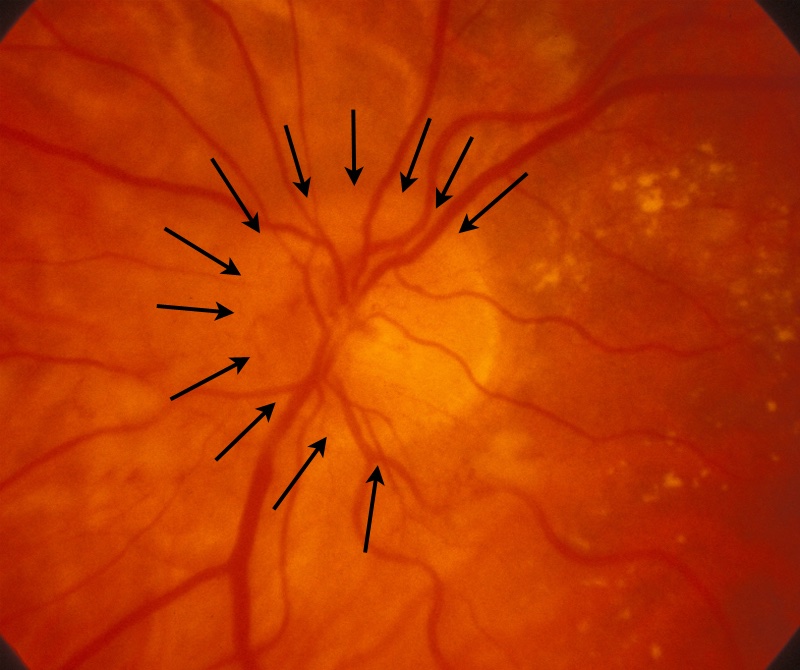
Disc edema can be a non-specific sign of severe intraocular inflammation, it often points toward specific systemic or posterior segment involvements. Here is how you should categorize the possible causes: 1. Severe Secondary Inflammation (spill-over effect) In cases of intense anterior segment inflammation, inflammatory mediators can migrate posteriorly through the vitreous, causing reactive disc swelling. HLA-B27 Related Uveitis: Specifically, when the inflammation is fibrinoid or very severe. Posner-Schlossman Syndrome: While usually presenting with high IOP and mild AC reaction, severe episodes can rarely show disc changes due to the pressure spike or inflammatory surge. 2. Systemic Granulomatous Diseases These are the classic differentials when you see multi-focal inflammation or disc involvement. Sarcoidosis: A major masquerader. It can cause anterior granulomatous uveitis and direct infiltration of the ONH (optic nerve granuloma) or reactive papilledema. Tuberculosis (TB): Often presents as a chronic granulomatous uveitis; disc edema can occur due to associated papillitis or raised intracranial pressure from CNS involvement. Syphilis: It can cause any form of uveitis and is a frequent cause of concurrent syphilitic optic neuritis. 3. Infectious Etiologies Vogt-Koyanagi-Harada (VKH) Syndrome: (Early Stage). While primarily a panuveitis, the presenting sign is often bilateral disc edema with exudative RDs and AC reaction. Cat-Scratch Disease (Bartonella): Classically causes neuroretinitis (disc edema + macular star), but can present with significant AC cellular reaction. Herpetic Uveitis (HSV/VZV): Usually unilateral with high IOP; disc edema may occur if there is an associated viral optic neuritis. Lyme Disease: Can present with anterior uveitis and direct optic nerve inflammation. 4. Specific Syndromes & Masquerades TINU Syndrome (Tubulointerstitial Nephritis and Uveitis): A common cause in younger patients/children. It presents as a bilateral anterior uveitis, and optic disc edema is a recognized and frequent clinical finding in these patients. Behçet’s Disease: Though typically a non-granulomatous panuveitis with shifting hypopyon, it causes occlusive vasculitis that can lead to disc edema. Lymphoma/Leukemia: Always keep masquerades in the back of your mind if the uveitis is recalcitrant to steroids and the disc looks infiltrated rather than just edematous. Pro-tip for the Resident: Always distinguish between papillitis (decreased vision, RAPD, color vision loss) and passive disc oedema (vision often preserved initially). This helps localize whether the nerve is inflamed or just swollen from the surrounding environment. #MedTwitter #ophthalmology #neetpg Image @uiowa
Dr Gunjan Deshpande MRCSEd, FICO (UK), FAICO, DNB tweet media
Dr Gunjan Deshpande MRCSEd, FICO (UK), FAICO, DNB@drgunjand

A patient has anterior uveitis with the following fundus finding. What will you look for? #MedTwitter #ophthalmology #neetpg Image from @revoptom

English
2
6
17
989
Daniel Agarwal retweetet
Demetrios G Vavvas
Demetrios G Vavvas@VavvasRetina·
caution against routinely using the untreated fellow eye as a control in trials or natural-history analyses. The low r² values (<26% explanation of variability ) show that a lot of the growth-rate differences between eyes are driven by factors other than simple biological symmetry.
JAMA Ophthalmology@JAMAOphth

Correlation in geographic atrophy enlargement rates between fellow eyes in AREDS2 was modest and variable, with weaker concordance for larger GA or perimeter-adjusted rates. ja.ma/41I8qBl

English
0
1
0
143
Daniel Agarwal retweetet
TheRetinaSociety
TheRetinaSociety@RetinaSociety·
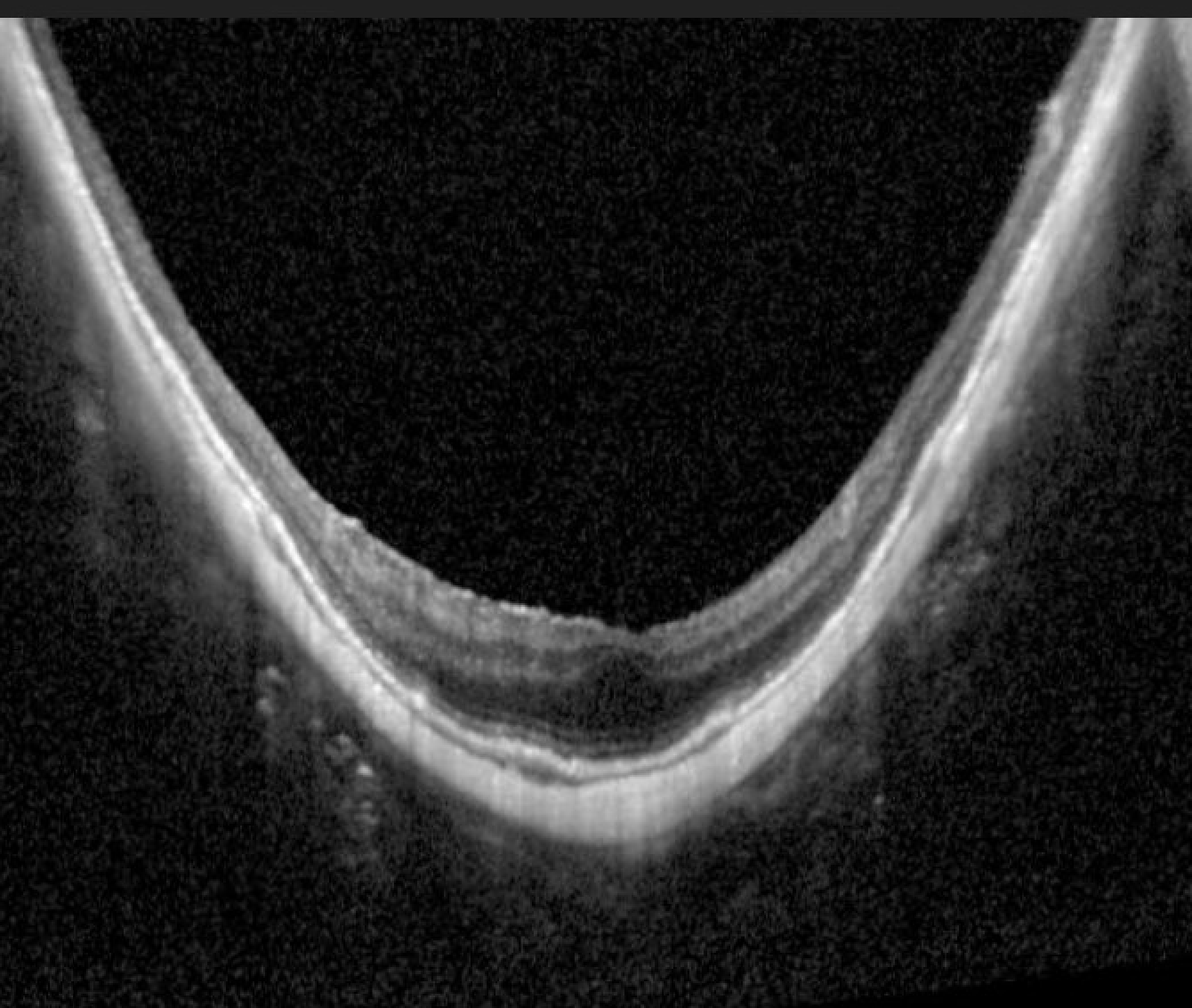
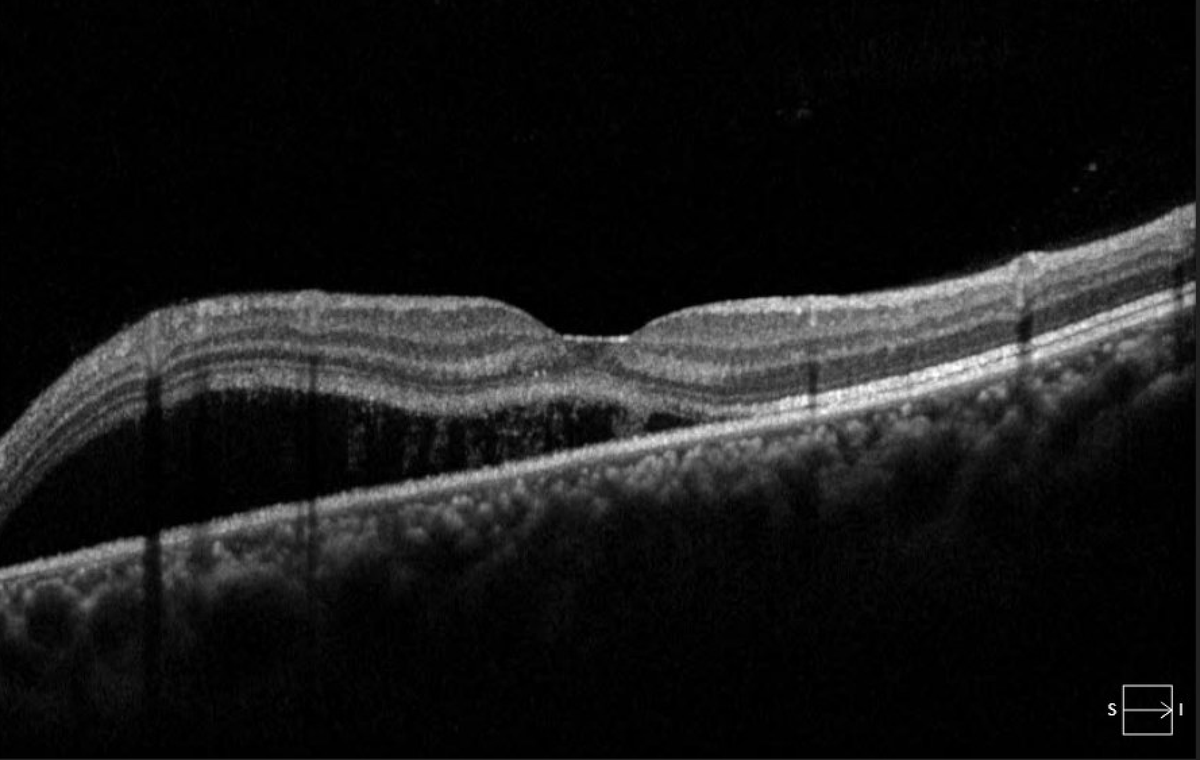
Posterior staphyloma in a high myope. Note epiretinal membrane and very thin choroid.
TheRetinaSociety tweet mediaTheRetinaSociety tweet media
English
0
3
13
798
Daniel Agarwal retweetet
Retina
Retina@RetinaJournal·
ASSOCIATION BETWEEN ANTIBIOTIC PROPHYLAXIS AND ENDOPHTHALMITIS AFTER INTRAVITREAL INJECTION: A Systematic Review and Meta-Analysis Liu, Xiao MS; et. al. Retina 46(4):p 566-574, April 2026. | DOI: 10.1097/IAE.0000000000004687 ow.ly/QnZQ50YC3jP #retina #EyeHealth
Retina tweet media
English
0
3
8
253
Daniel Agarwal retweetet
Retina Today
Retina Today@RetinaToday·
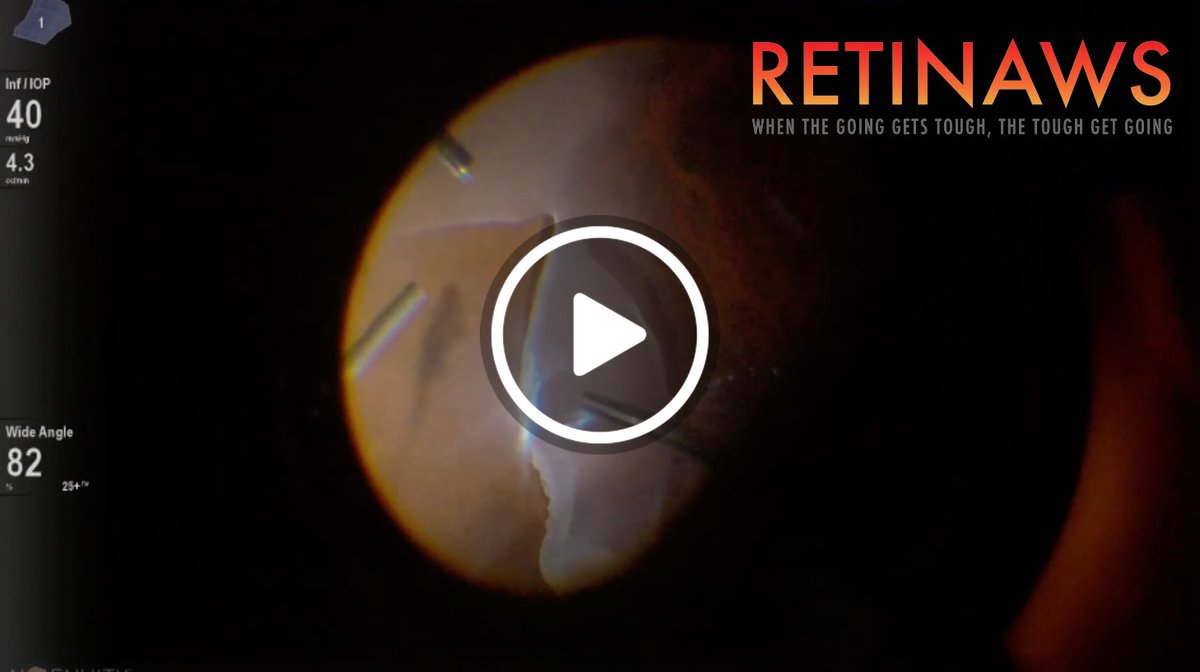
At a recent #Retinaws meeting in Amman, Dr. Khalid Al Sabti shared a video of his approach to a case of a giant retinal tear with the use of subretinal perfluorocarbon liquid. Watch this and more videos from the meeting on Eyetube: ow.ly/38H950YvQJx
Retina Today tweet media
English
0
2
6
521
Daniel Agarwal retweetet
TheRetinaSociety
TheRetinaSociety@RetinaSociety·
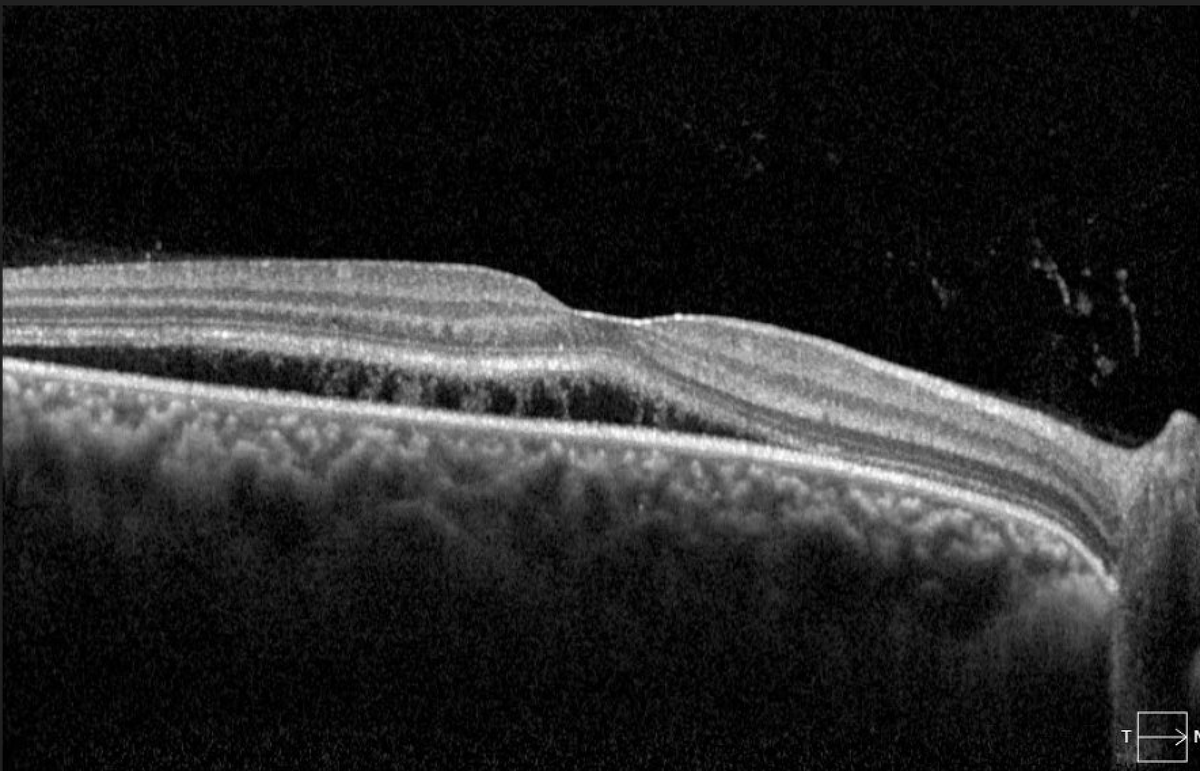
Central serous retinopathy in female who is 5 months pregnant.
TheRetinaSociety tweet mediaTheRetinaSociety tweet mediaTheRetinaSociety tweet media
Français
0
5
17
1.2K
Daniel Agarwal retweetet
Ophthalmology
Ophthalmology@AAOjournal·
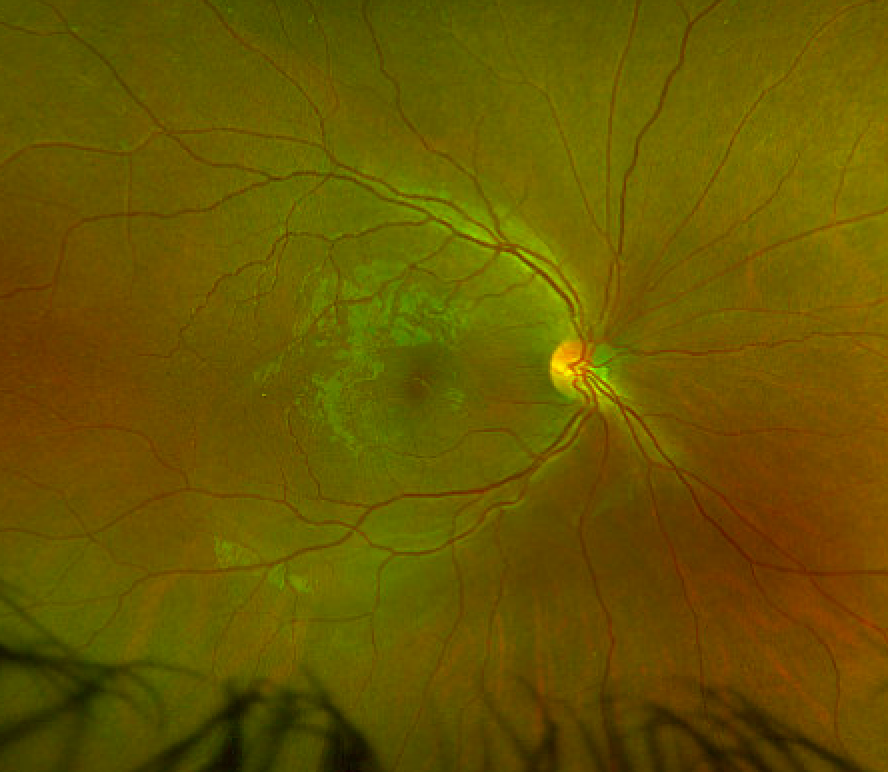
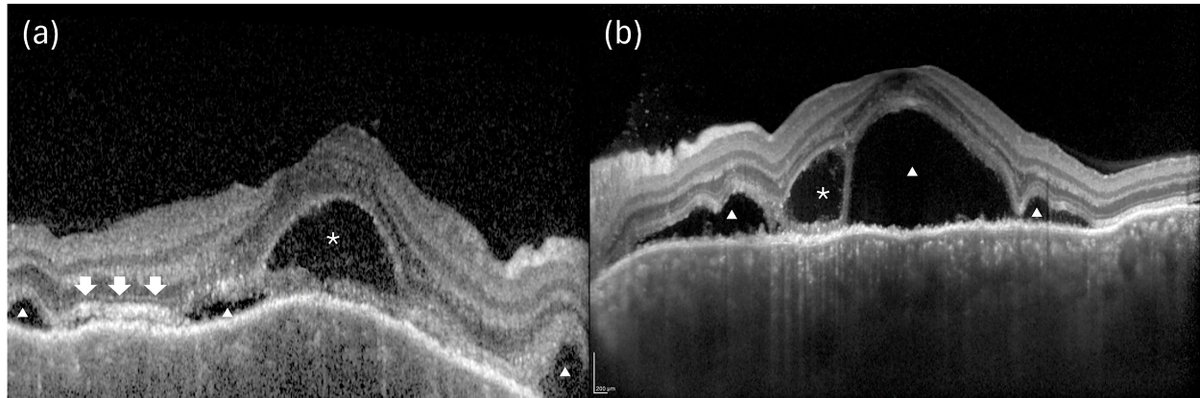
Study shows that worse baseline vision, greater retinal thickness, & delayed corticosteroid therapy were associated with refractory #VogtKoyanagiHarada disease, whereas bacillary layer detachment was not. These findings support the importance of early intensive management, particularly in patients with severe initial findings. ow.ly/qVxZ50YlU1K #ophthalmology
Ophthalmology tweet media
English
0
4
19
1.1K
Daniel Agarwal retweetet
Division of Neuroscience
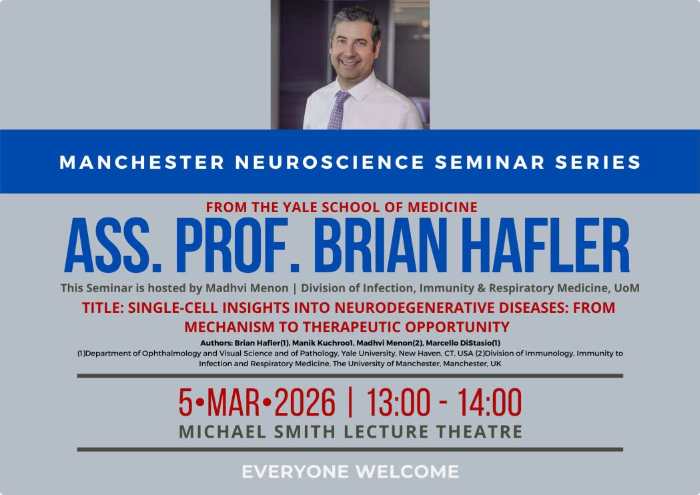
We have two seminars this week! Our second is presented by Assoc. Prof Brian Hafler from @YaleOph on Thursday 5th March at 1pm, hosted by Dr Madhvi Menon of @UoM_DIIIRM. As ever, details on poster - all welcome! 🧠
Division of Neuroscience tweet media
English
0
2
2
144
Daniel Agarwal retweetet
Retinal Physician
Retinal Physician@RetinalPhys·
Can photobiomodulation regulate dry AMD? Here, Tiago Rassi, Daniel Berinstein, & Michael Colucciello, examine the evidence behind PBM following FDA authorization of the Valeda system and debate whether the benefits reflect true treatment effects. ow.ly/BTzC50Yp5nQ
Retinal Physician tweet media
English
0
2
6
373