
Angehefteter Tweet
mango
21.3K posts

mango
@firebird2017
No Brains. Mango onlee.
Jammu & Kashmir Beigetreten Ekim 2015
1.5K Folgt133 Follower
@sher_revolution @uchihaCricket You are talking about Paxtan bro… it’s a hell hole … imagine what JD smelt there
English


This Is Why JD vance and Iranian left in Hurry, He was Staying at Serena Hotel Pakistan
The Best 5 Star Hotel in Pakistan
300$ for Standard Room
But it Smells like Shit, Food is not fresh, Floor is Wet and stains in bathroom
Even the Best in 🇵🇰 is 💩
English

Pakistan needs no one's endorsement to act on the Strategic Mutual Defense Agreement with Saudi Arabia - period.
Adv Sahiba Rana@AdvSahibaRana
سعودی عرب میں پاکستانی فوج کی موجودگی میں ایران کی رضامندی شامل ہے۔ امکان ہے کہ امریکہ کے بجائے پاکستان سعودیہ کے دفاع کیلئے اب فوج اور پائیلٹس تعینات کرے گا کیوں کہ جنگی طیارے سعودی عرب کے پاس کافی زیادہ ہیں سعودیہ کو اسلحے کی ضرورت بھی نہیں ہے۔ سعودیہ کے پاس جدید ترین دفاعی نظام اور اسلحہ ہے۔ سعودیہ کے پاس مضبوط فوج بھی ہے ۔ لیکن مشرق وسطٰی کی علاقائی نوعیت ایسی ہے کہ وہاں پاکستان آرمی جیسی فوج کا ہونا ضروری ہے۔
English
@DropSiteNews @TheNavroopSingh US should pack its bags and leave… old white bats expressing opinions on TV will not reduce the humiliation it is facing and will need to stomach if they do not leave asap
English

💢 Strait of Hormuz Commission — “Open for All or Closed to All”
Richard Haass, former head of the Council on Foreign Relations, says Washington is not negotiating from strength and and that Iran has emerged from the war with greater leverage.
🔸On Hormuz, he suggests Washington should tell Iran that the Strait of Hormuz can be “open to all or closed to all.”
➤ Proposes an international governing commission, including Iran and Gulf states, to oversee transit though Hormuz
➤ Open to tolls and shared revenue as part of the framework
🔸Crucially, Haass says if Iran refuses, the U.S. should consider blockading Hormuz at the Gulf of Oman to stop Iranian oil exports.
🔸His view:
➤ Washington should not accept Iran’s sole control over Hormuz
➤ But also cannot realistically exclude Iran from the strait
➤ Haass says the war has made a return to the pre-war status quo impossible and U.S. has lost the war in a strategic and political sense.
Separately. he calls on Trump to pressure Israel to stop what he describes as a “discretionary war” in Lebanon. “Knock it off,” he suggests Trump tell Netanyahu.
Drop Site@DropSiteNews
💢 Trump’s First Post After Failed Islamabad Talks: A Naval Blockade of Iran President Trump’s first Truth Social post after JD Vance left Pakistan without a deal was a link to a Just The News analysis laying out the U.S. naval blockade of Iran as his next option if Tehran refuses to accept Washington’s “final and best offer.” The article argues Trump could flip Iran’s Hormuz tollbooth strategy against it — stationing U.S. warships at the strait’s 21-mile chokepoint to physically control which vessels pass, cutting off Iranian oil exports and squeezing China and India, Tehran’s two largest customers, into pushing for a deal. “It would be very easy for the U.S. Navy to exert complete control over what does and does not go in and out of that Strait,” Lexington Institute defense analyst Rebecca Grant told the outlet. The piece notes the USS Gerald Ford — the carrier that led Trump’s naval blockade of Venezuela before the U.S.-backed ouster of Nicolás Maduro — is now in the Persian Gulf alongside the USS Abraham Lincoln.
English
@avijeet_writes Tu rehne de bhai - “Personal Branding Strategist” 🤣🤣🤣
We get an understanding of the level of “Pappu” you are by your handle name
English

Do Nothing. Achieve Nothing.
War stopped? No!
Strait of Hormuz got opened? No!
Oil prices dropped? No!
Indian stock market rallied? No!
Lives saved? No!
Stability achieved? No!
Where do these people come from?
Do nothing. Win😂
Gabbar@GabbbarSingh
Do nothing. Win
English

@mayursejpal India is the most irrelevant country in the region at the moment.
English



@writetofahim Paxtanis now stealing billboard for sham peace talks … too soon 😂😂😂
English
کنونشن سنٹر سے اسلام آباد ٹاکس کے پینافلیکسز اتارے جانے لگے
اردو

Before anyone blames Pakistan for no agreement, listen to JD Vance himself:
“Whatever shortcomings of the negotiations, it wasn't because of the Pakistanis who did an amazing job, and really tried to help us and the Iranians bridge the gap, and get to a deal.”
English

@CaitlinDoornbos Won’t deny Paxtanis did their best to make people forget the fact that Osama Bin Laden was living it up as the chief guest of the Paxtani army 15 years ago
GIF
English

The mood is so deflated in Islamabad now. All through the night it was just electric here.
English


Forty days since Khamenei died.
Iran launched initial strikes. The response since has been absent at scale — no coordinated proxy surge, no decisive or sustained retaliation.
A ceasefire was negotiated. A successor was installed. The regime adapted.
The network didn’t.
Vance going to Islamabad. Iran is negotiating Hormuz terms. The network that was supposed to make negotiation unnecessary is silent.
After Soleimani died in 2020, millions filled the streets. That was before the network was degraded across the region and could still project strength.
Hezbollah decapitated. Houthis under bombardment. Assad’s regime weakened. The architecture is fractured.
Hezbollah is structured to open a second front in exactly this scenario. It fired rockets. Then it stopped.
The proxy network was built for exactly this moment. It didn’t activate at scale. That tells you what’s left of it.
The population isn’t mobilizing in defense of the regime. The military isn’t sustaining escalation beyond symbolic strikes. The allies didn’t intervene.
47 years of proxy war. Forty days without a decisive, sustained response.
The axis didn’t retreat. Its deterrence model failed under the only test that counted.
The network that remained chose survival over obligation.
English
@MDJD2 @DropSiteNews Com’on dude Paxtan is a terror state … its military played host to Osama Bin Laden… Iran stands head and shoulders above Paxtan. Best thing for US is to pack it’s bags and leave quietly to avoid further humiliation
English

@DropSiteNews Iran should heed this sound advice of Pakistan. Iran right now is at its maximum power. Joint control with the United States of Hormuz is an undeniable strategic win for Iran. Both sides can claim victory. Joint control legitamizes the control. Both sides need this.
English
🇵🇰 Pakistan has put forward a proposal to regulate navigation through the Strait of Hormuz in the ongoing U.S.–Iran talks.
According to a Pakistan government diplomatic source cited by Al Jazeera Arabic the proposal reportedly includes “joint patrols” in the strait.
The demand sits in direct tension with Iran’s publicly stated position: its 10-point proposal explicitly calls for Iranian oversight and control of Hormuz, with passage coordinated through Iranian armed forces — a position Tehran has insisted on publicly throughout the ceasefire and has shown no inclination to walk back.
🎥 Heavy rain washes iron oxide–rich soil into the sea at Hormuz Island, turning the water and the coast deep red.
English
@Ali_Mustafa IMEC is an economic corridor, not an AXIS.
India also has economic interests in Iran’s Chabahar… so that means India is in an Axis Iran? 🤡
India has no reason to cope!! It’s enjoying the cinema Paxtan is putting up 😍
English

@firebird2017 IMEC - India is definitely in the-UAE-Israel axis , but it’s ok - you can cope :)
English
meanwhile happening in the Israel-UAE-India axis…
ANI@ANI
#WATCH | Abu Dhabi, UAE: EAM S Jaishankar holds a bilateral meeting with the UAE Foreign Minister Abdullah bin Zayed Al Nahyan.
English
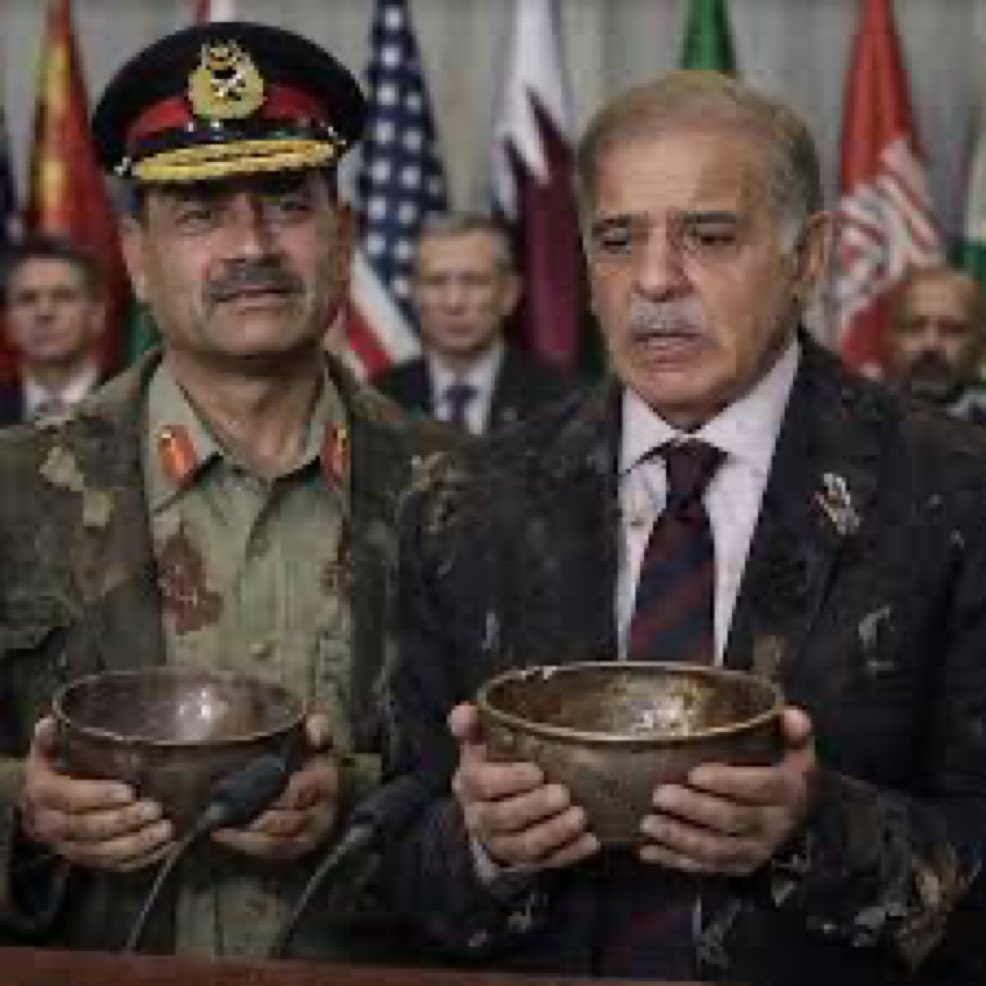

Pakistani Prime Minister, @CMShehbaz, will take an emergency trip to Saudi Arabia regarding Iran-US talks.

English
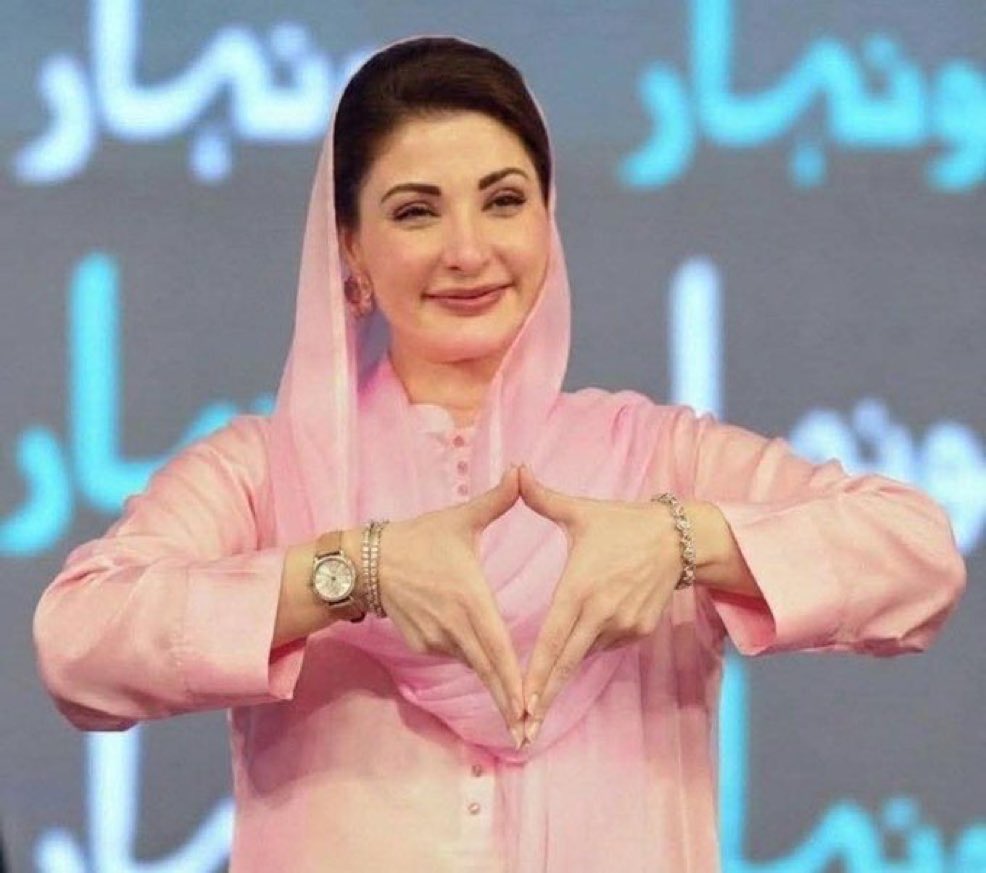


India is the most irrelevant country in the region at the moment.
English
@MarioNawfal Educate yourself @MarioNawfal
Sid 🇮🇳@sidduu96
For people who are cheering for Pakistan's "mediation" in the US–Iran conflict, and busy questioning India's diplomacy, it's worth stepping back and asking a simple question, mediation for whom, and to what end? Pakistan's projection as a "peacemaker" is not driven by neutrality, but by necessity and opportunism. A country balancing economic fragility, dependence on external sponsors to run its economy, and a long history of playing multiple sides cannot suddenly transform into an honest broker. Its role is less about resolving conflict and more about inserting itself into relevance. As Niccolo Machiavelli sharply noted, "The promise given was a necessity of the past, the word broken is a necessity of the present." That line reflects the pattern of transactional diplomacy far better than any official narrative. This is where a fundamental misunderstanding of diplomacy comes into play. Diplomacy, at its core, is not an exercise in goodwill, it is a calculated pursuit of national interest. States engage with one another not out of selflessness, but to secure power, stability, and advantage in an inherently competitive world. As Henry Kissinger bluntly stated, "America has no permanent friends or enemies, only interests," a principle that applies universally. Likewise, Lord Palmerston made it clear, "We have no eternal allies, and we have no perpetual enemies. Our interests are eternal and perpetual, and those interests it is our duty to follow." These insights strip away the illusion that diplomacy is about moral alignment or sentimental alliances. India is being criticised precisely because it refuses to indulge in this kind of performative diplomacy. India's approach is measured, interest-driven, and rooted in strategic autonomy, engaging all sides without overextending itself in conflicts where it has limited leverage. That is not passivity, it is discipline. As often said, "a ruler must act according to circumstance, not chase visibility but secure outcomes." The uncomfortable truth is this, diplomacy is not about appearing relevant, it is about being effective. Pakistan's actions may generate headlines, but they remain constrained by its dependencies and contradictions. India's diplomacy, in contrast, is quieter but far more reasoned, anchored in long-term interests rather than short-term optics. So before applauding Pakistan's so-called mediation, understand the difference between noise and strategy. One seeks attention, the other secures power.
English

India must be watching Pakistan right now, fuming out of jealousy 😂
I love both countries, and they really need to get over their rivalry. They're both nuclear-armed superpowers that need to learn to coexist
🇵🇰Pakistan Zindabad!
🇮🇳Jai Hind!
English