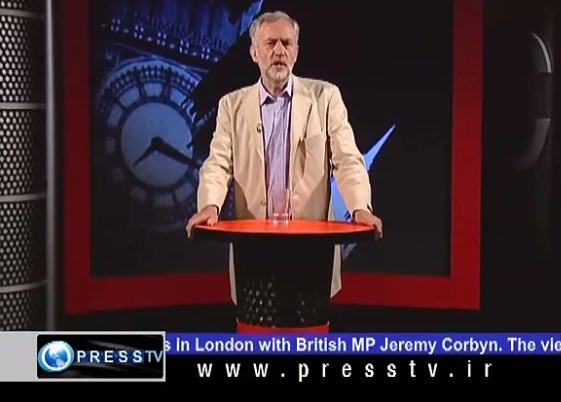
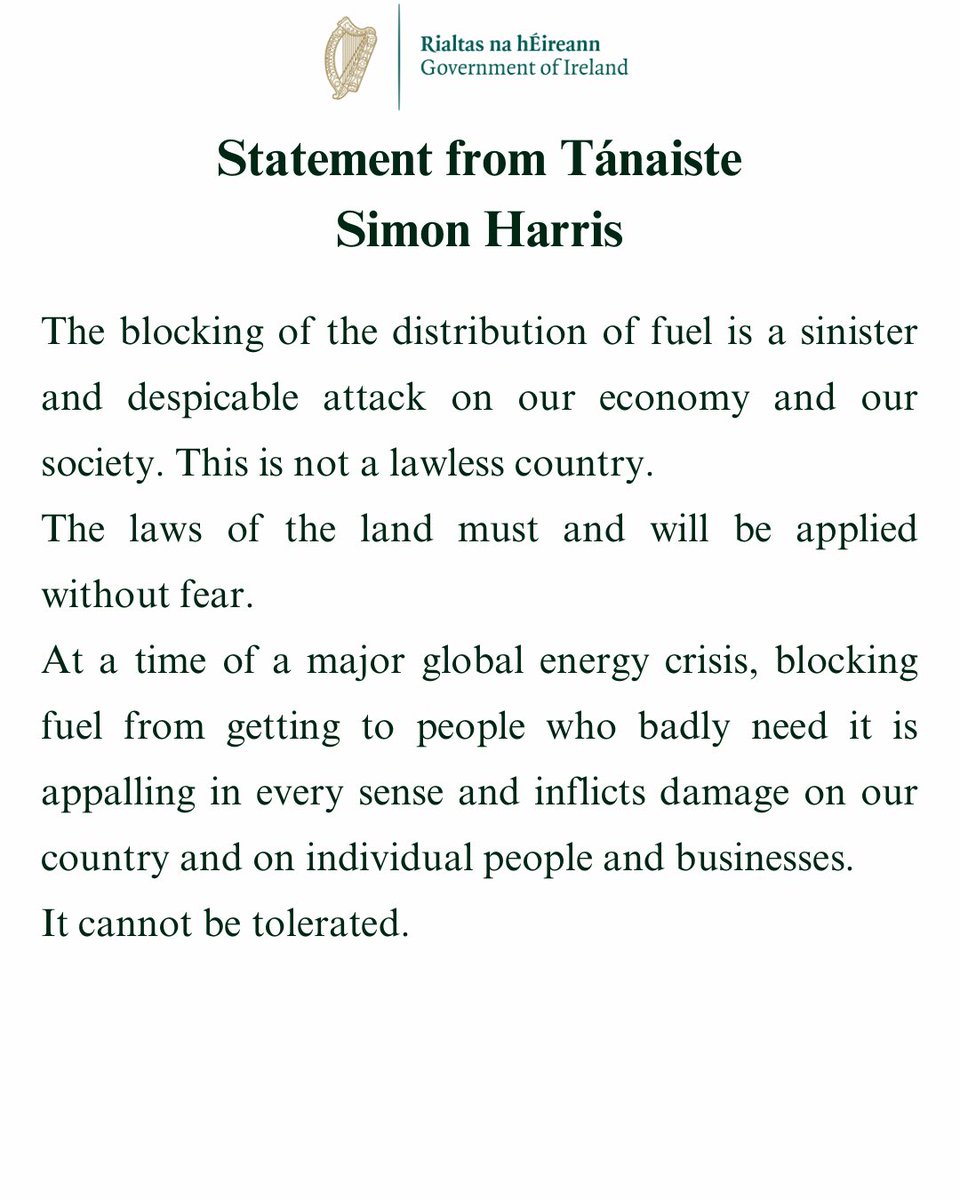
@briangarveybg @SimonHarrisTD You don’t understand obviously, the ambulance or emergency has to make it to blocking before the kind hauliers decide to let it through, the roads are gridlocked with vehicles approaching the blocks.
English
Proletariatos Patrikios Lumpen
15.7K posts

@lubenprolet
For lifelong democratic civic education with democratic aim; the creation of democratic citizenry.



@maziarbahari Master for a week? a day ? or 3 hours 22 minutes and 12 seconds ~ ?


The New World (Dis)Order isn’t West vs the rest,North vs South. It’s UP vs DOWN: filthy rich vs everyone else, with a cohort of cowards, racists & opportunists in between, sustaining an imperial war-driven system bombing ppl into submission. Time for an ethical course correction


Mark my words: Starmer’s decision to drag Britain into another illegal war will prove to be a catastrophic, historic mistake.
Day 4 of Iran vs. U.S./Israel war (focus on Iranian strategic narrative): 🔹The IRGC’s ground forces appear to be entering the conflict more visibly. Iranian reports indicate drone strikes against Kurdish militant positions in northern Iraq and attacks against U.S. targets in Kuwait, suggesting a widening role for the force. 🔹This shift reflects growing Iranian concern that the U.S. may support insurgent groups operating inside Iran, particularly Kurdish and Baloch armed factions along the country’s borders. 🔹Iran has downed an Israeli Elbit Hermes 900 drone largely intact (photo verified). Iranian sources are already discussing possible reverse engineering, something Tehran has attempted with captured systems in the past. 🔹Both sides are signaling confidence in wartime production capacity. Iranian officials claim missile production is keeping pace with launches, while Donald Trump has said U.S. interceptor missile production is also accelerating. 🔹Iran’s maritime pressure campaign continues. An IRGC Navy official stated that ten ships have been targeted so far in the Strait of Hormuz, reinforcing Tehran’s effort to disrupt shipping and raise global energy costs. 🔹The Islamic Resistance of Iraq announced 27 operations against U.S. positions across the region in a single day, marking a sharp escalation in proxy activity. 🔹There have been attacks on U.S. diplomatic and intelligence facilities in Gulf states, including incidents in Dubai and Saudi Arabia. 🔹The United States is considering escorting oil tankers through the Strait of Hormuz. Iranian analysts argue this could paradoxically increase the vulnerability of U.S. naval assets by bringing them closer to Iranian missile ranges. 🔹Iran appears to be concentrating attacks on U.S. radar and surveillance infrastructure in the Persian Gulf. Reports indicate a second THAAD radar in the UAE was targeted by Iranian missiles, suggesting a strategy aimed at degrading early warning capabilities. 🔹At the same time, Iran has reportedly prioritized targeting Israeli reconnaissance drones such as the Hermes 900, which are central to locating Iranian missile launchers. 🔹Some analysts suggest this may explain the recent decline in large-scale Iranian missile barrages: Tehran could be attempting to first degrade Israel’s ISR capabilities before resuming heavier missile operations. 🔹Footage showing Israeli F-16 aircraft operating over Tehran suggests that Israeli and U.S. forces may have achieved significant freedom of maneuver in Iranian airspace after suppressing parts of Iran’s air defense network. 🔹The division of labor between the United States and Israel is becoming clearer. Israeli strikes appear concentrated in Tehran and western Iran, while U.S. operations increasingly target drone bases and military infrastructure in southern Iran. 🔹Israeli strikes also continue to focus on Iran’s government institutions. Police headquarters, intelligence facilities, and IRGC bases in Tehran have been targeted, reinforcing the apparent strategy of weakening the Islamic Republic’s internal security capacity. 🔹At the same time, strikes have targeted western Iranian provinces, raising Iranian fears that insurgent groups could attempt to enter the country from Iraqi Kurdistan. 🔹Iran has responded by striking Kurdish militant positions in Iraq and increasing IRGC deployments along its western borders. 🔹Hezbollah has continued limited operations despite pressure from the Lebanese government, including a suicide drone attack against the Ramat David airbase and rocket fire toward Israeli military targets. 🔹Meanwhile, the Houthis have threatened to close the Bab el-Mandeb Strait and resume attacks against Saudi Arabia if Riyadh joins the war directly. 🔹Energy infrastructure has increasingly become a central battlefield. Iranian drone strikes hit key gas facilities linked to QatarEnergy, forcing a temporary shutdown of LNG operations in Ras Laffan and Mesaieed. 🔹A separate attack targeted the oil export hub at Fujairah in the UAE, a critical route that allows Gulf oil shipments to bypass the Strait of Hormuz. 🔹These strikes suggest a broader Iranian strategy aimed at sustaining pressure on global energy markets even if a full maritime blockade proves difficult to maintain. 🔹Oil markets are already reacting. Iraq has halted Kurdish oil exports through the Ceyhan pipeline and warned that production cuts may follow if Hormuz disruptions continue. 🔹Inside Iran, political developments are accelerating. The Assembly of Experts is reportedly close to selecting a new Supreme Leader following the killing of Ali Khamenei. 🔹The interim leadership council convened again despite the risk of further decapitation strikes, signaling an attempt to project continuity and control. 🔹Concerns are also growing about potential escalation around nuclear facilities. The Natanz nuclear site has reportedly been struck again, while explosions near the Russian-operated Bushehr nuclear power plant have raised fears of a potential nuclear accident. 🔹The tempo of Iranian missile strikes against Israel appears to have decreased in the past day. It remains unclear whether this reflects successful targeting of missile launchers or deliberate conservation of missile stockpiles. 🔹Recent U.S. military deployments are also attracting attention in Iranian commentary. Open-source reporting indicates that Washington has sent additional aerial refueling aircraft to the CENTCOM region and redeployed fighter jets from Europe to the Middle East. 🔹Some Iranian analysts interpret these moves as a sign that the conflict may not be unfolding as Washington initially anticipated, suggesting that the existing U.S. force posture may have been insufficient for the scale and duration of the confrontation. 🔹There are also reports that the United States may be considering redeploying THAAD and Patriot air defense systems from other regions, including East Asia, to reinforce missile defenses in the Middle East amid sustained Iranian missile attacks. 🔹These developments are framed in Iranian media as evidence that interceptor missile consumption may be occurring faster than expected, forcing Washington to draw on additional regional and global resources. 🔹Overall, developments on Day 4 largely reinforce the patterns observed over the past two days: expanding proxy involvement, continued attacks on energy infrastructure, sustained air operations inside Iran, and a widening regional spillover of the conflict.

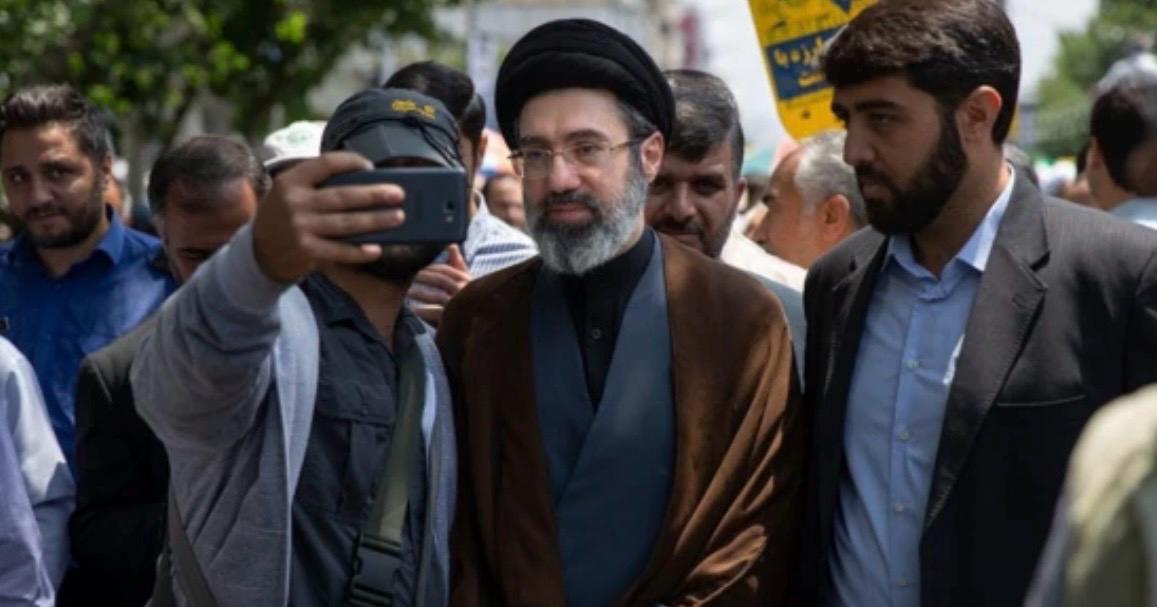
BREAKING: Iran’s Assembly of Experts has chosen Mojtaba Khamenei as the Islamic Republic’s third Supreme Leader. He succeeds his father, Ayatollah Ali Khamenei, who was assassinated by an Israeli airstrike early Saturday morning. 1/2

This map shows the countries that Macron revealed today are in talks to host French nuclear weapons. This is a big part of the European strategy to become more independent from the US. Source: reddit.com/r/MapPorn/comm…