Philip McBride

15.3K posts

Philip McBride banner
Philip McBride

Philip McBride

@monadical

Stanford, ERAU, Pilot, GIS, Vehicle Autonomy (ML/Perception), NASA Shuttle Program, Digital TV, iTunes Music, STEM education (Navy-ONR). The usual.

Virginia Beigetreten Nisan 2009
1.2K Folgt1.2K Follower
Angehefteter Tweet
Philip McBride
Philip McBride@monadical·
This AI stuff is getting out of hand. I'm calling in Commander Edward Straker from SHADO. It's time.
English
2
3
36
1.9K
Philip McBride
Philip McBride@monadical·
@elonmusk @yunta_tsai Though it's going to be a while. Can we get the longevity and neural link and related health tech things moving faster?
English
0
0
0
11
Yun-Ta Tsai
Yun-Ta Tsai@yunta_tsai·
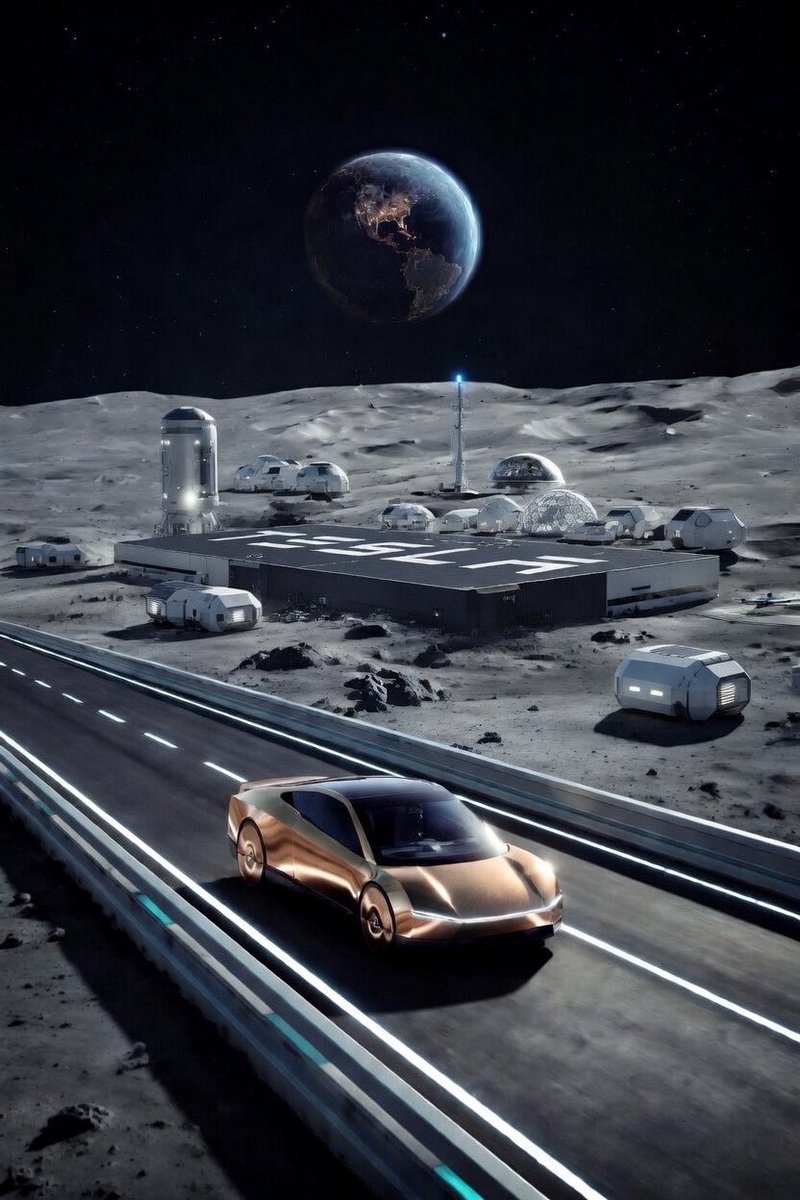
One day.
Yun-Ta Tsai tweet media
English
695
747
5.7K
724K
Philip McBride
Philip McBride@monadical·
@BowTiedTrance Sort of in the category of making a detail error on purpose to make people notice and react and remember. Doing something off or naughty is similar. You laugh, you remember, you either think less or more depending on your sensibilities perhaps. Brilliant.
English
0
0
0
10
Philip McBride
Philip McBride@monadical·
@genesimmons I don't get the whole retirement thing. Well, if you're doing dangerous manual labor, ok, make some changes. But do fun, cool things.
English
0
0
0
35
Philip McBride
Philip McBride@monadical·
@BasedMikeLee How about pause H1B and all other forms of immigration until the SAVE AMERICA Act is passed.
English
0
0
3
37
Julian Lennon
Julian Lennon@JulianLennon·
Hoppy Easter! 😘🙏🏼🐇
Julian Lennon tweet media
English
142
455
3.2K
56.9K
Philip McBride
Philip McBride@monadical·
@iamtrask @somewheresy Why centralized? Usually that's so whichever system can learn from all the usage and get better. Not central unless only one player. But also not the only way to learn and get better. How about a way to feed systems things to learn. You get a fee for returning the empties.
English
1
0
1
15
⿻ Andrew Trask
⿻ Andrew Trask@iamtrask·
i like local AI too - but there's something about it that doesn't quite fill the vision. that local AI still had to come from somewhere you know? not sure decentralized AI is the best word either... but it is the one people know (a more precise one is AI with attribution-based control but this is very niche)
English
1
0
0
368
Philip McBride
Philip McBride@monadical·
@GBNEWS Now that Charles is a muslim, nearly half of Americans feel the same.
English
0
0
1
15
Philip McBride
Philip McBride@monadical·
@iamtrask For extra bonus points, getting your data center in Iron Mountain is actually kind of fun.
English
0
0
1
8
Philip McBride
Philip McBride@monadical·
@iamtrask And for cloud, healthcare is similar to defense, you can be in the cloud for some things, but it needs to be gov approved secure cloud, which means the models need to live there and communication and usage secure.
English
1
0
1
7
⿻ Andrew Trask
⿻ Andrew Trask@iamtrask·
is anyone still interested in decentralized AI? mind if I ask why?

English
167
11
209
50K
Mike Lee
Mike Lee@BasedMikeLee·
What do you trust more than the federal government?
English
870
85
631
33.2K
Melissa Chen
Melissa Chen@MsMelChen·
May I offer a different perspective on the whole transatlantic family feud brewing over NATO. Europeans are furious at what they call American unilateralism and "wars of choice," while Americans are done subsidizing allies who won't lift a finger when Washington actually needs them. Given all the sentimentality and historical baggage, there’s been a lot of bad blood and high grade insults thrown both ways. A lot of pride here is at stake. But given that I am not American or European, what I can provide is an Asian perspective. The whole thing looks very different as there are no blood ties or cultural nostalgia to pull me either way. Because of distance, the default Asian lens on America has always been colder, clearer, and far more pragmatic than the European one. Asians have never lived under the illusion that their relationship to the US is one based on shared values. If they ever did, the illusion was shattered during the Cold War. Instead, Asian nations saw the relationship to America as a cold, interest-driven bargain in a dangerous neighborhood full of communists, insurgents, and bigger powers. Fast forward to today, and this lesson still holds. Japan, South Korea, the Philippines, Vietnam, Singapore and Indonesia all partner with America because their interests (not values) align - especially when it comes to countering China. These nations have reasons to be alarmed about Beijing's ambitions in the South China Sea, around Taiwan, and across the Indo-Pacific. They don't need lectures about democracy or liberal international order to see the value in US forward presence, intelligence sharing, tech transfers, and security guarantees. It's a straight-up transactional deal: the US keeps the sea lanes open and the PLA at bay. Meanwhile, Asian nations host your bases, buy your weapons, and join your alliances (Quad, AUKUS, etc.). When interests diverge, they adjust pragmatically, without the drama and meltdown. Probably not many in the West know this, but one of the forces that shaped this attitude was the US pullout of Vietnam and the rest of America’s Cold War shenanigans. Lee Kuan Yew was one of America’s loudest cheerleaders in Southeast Asia. In 1967 he flew to Washington, testified to Congress, and begged Lyndon Johnson (and later Nixon) not to cut and run in Vietnam. He warned that a hasty US exit would trigger the dominoes - Vietnam, Cambodia, Laos, and then pressure on the rest of Southeast Asia. Singapore became a logistical hub, providing a haven for US troops on R&R, oil refineries supplying the American war machine, and Lockheed servicing aircraft. At one point, US military-related spending made up 15% of Singapore’s entire GDP. Singapore didn’t support the war because it loved American democracy but because it kept the communists tied up and bought Southeast Asia time to build up its own economy and military. Then came the pullout - the Paris Accords in 1973 and then Saigon falls in 1975. Despite all the lobbying, despite the blood and resources America had spent, domestic politics in the US (the anti-war movement, Congress, Vietnam syndrome etc.) ended it. LKY watched in disbelief as the superpower that had promised to hold the line simply walked away. The lesson was that American commitments are real only as long as they serve American interests and American voters don’t get tired. It’s a brutal one to internalize. LKY was disappointed and noted American “unreliability” but Singapore didn’t collapse into panic or anti-Americanism. They just recalibrated and kept pursuing pragmatism by building its own deterrent, diversifying partners, and later offered the US naval logistics access (Sembawang port) when the Philippines kicked them out of Subic Bay in the early 1990s. Malaysia drew the same conclusion. The Tunku was pro-Western and anti-communist early on, but Malaysia never joined SEATO and pushed ZOPFAN (Zone of Peace, Freedom and Neutrality) instead. When the British announced their East-of-Suez withdrawal in 1968 and Nixon’s Doctrine (1969) told Asians “you defend yourselves first, we’ll just help,” Kuala Lumpur accelerated its neutralist tilt. The message was clear - don’t count on Washington to bleed indefinitely for distant allies. South Korea is similarly pragmatic but it operates under far higher stakes due to baggage from the Korean War and the ongoing North Korean threat. American intervention literally saved the South from conquest, resulting in a bond that is forged in blood. While South Korea had to learn the same lessons - that the American umbrella isn’t permanent, sharing a border with a nuclear-armed adversary forces tighter coupling with Washington. The reverberations of Nixon’s 1973 opening to Beijing cannot be understated. It shocked the entire region that America, the great anti-communist crusader, suddenly would cozy up to Mao to counter the Soviets. If Washington could flip on core principles when interests demanded it, why should smaller states pretend the relationship was about anything deeper? The core Asian critique of the European approach to dealing with America is that it is entirely bound up in moral values and civilizational kinship. This means that every disagreement feels like a betrayal and breeds resentment on both sides. Because Europe is so hyped up on abstract values, it makes NATO feel like a sacred club that America is disrespecting. Asia's interest-based lens sees alliances as tools - useful until they're not. Maybe Europe thinks the Asian approach is cynical but the irony is that this is actually what keeps Indo-Pacific partners far more reliable counterweights to China than many NATO members ever were against Russia.
Marc Thiessen 🇺🇸❤️🇺🇦🇹🇼🇮🇱@marcthiessen

So many longtime NATO supporters saying the same thing right now. I helped bring Poland, Hungary and Czech Republic into NATO. But denying us basing and overflight is inexcusable, as is their failure to help with Strait of Hormuz. No one asking them to bomb Iran, just let us use our bases and help escort ships. If they can’t do that, NATO has no purpose.

English
379
768
4.1K
559.3K
Philip McBride retweetet
Daniel Foubert 🇵🇱🇫🇷
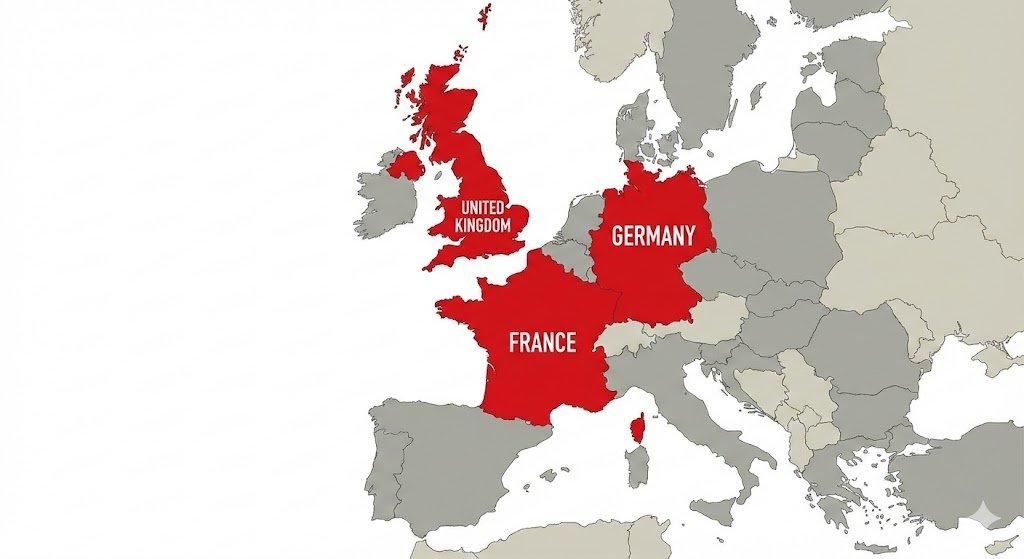
أوروبا لا تعاني من "مشكلة" واحدة، بل من ثلاث مشاكل: ثلاث دول أوروبية تعاني من حالة "دوار ما بعد الإمبراطورية" الحاد. أولاً، المملكة المتحدة: تلك الأمة التي صوتت لصالح "بريكست" كي "تستعيد السيطرة"، لتكتشف لاحقاً أنها نسيت تماماً كيف تقود. إن أزمة الهوية البريطانية تشبه مشاهدة أسد متقاعد يحاول تبني نظام غذائي نباتي. لقد استبدلوا الثقة الإمبراطورية ببرامج تدريبية في "الحساسية السلوكية" تليق بقسم موارد بشرية. أرض "تشرشل" تُحكم الآن من قبل بيروقراطية "الدولة المربية" المترامية الأطراف، والتي تخشى الإساءة لأحد على منصة (X) أكثر من خشيتها من الانحدار الفعلي. أما الشرطة البريطانية، التي كانت يوماً ما محط حسد العالم، فتبدو الآن وكأنها تكرس مواردها للتحقيق في "حوادث كراهية غير إجرامية" وطلاء سيارات الدورية بألوان قوس قزح، أكثر مما تفعل في حل جرائم السطو. إنها أمة تتشبث يائسة بجماليات التقاليد — العائلة المالكة، المراسيم، الشاي — بينما نخر "العفن التقدمي" مؤسساتها حتى جعلها تبدو أكثر تطرفاً من حرم جامعة كاليفورنيا. إنهم يريدون "هيبة" القرن التاسع عشر، لكنهم مشلولون بالهشاشة العاطفية للقرن الحادي والعشرين. ثم تأتي فرنسا: العمة الغاضبة المدخنة بشراهة التي ترفض الاعتراف بأنها عاطلة عن العمل منذ عقود. يتجلى "دوار ما بعد الإمبراطورية" لدى فرنسا في حالة دائمة من التمرد التي تتخفى وراء قناع "المشاركة المدنية". هويتها منقسمة بين نخبة واهمة لا تزال تعتقد أن باريس هي عاصمة الكون، وشعب يعبر عن "بهجة الحياة" بحرق مواقف الحافلات كل يوم خميس. يعاني الفرنسيون من "عقدة نابليونية" بدون وجود نابليون؛ فهم يطالبون بمستوى معيشة إمبراطورية فاتحة بينما يعملون 35 ساعة في الأسبوع ويتقاعدون في سن يكون فيه معظم الأمريكيين في قمة عطائهم. ينظرون للقيم "الجمهورية" والعلمانية المتشددة، ومع ذلك فقدت الدولة سيطرتها على مساحات شاسعة من ضواحيها. فرنسا باختصار هي متحف جميل في الهواء الطلق، حيث القيمون عليه في إضراب، والحراس يخشون الزوار، والإدارة مشغولة بإلقاء المحاضرات على بقية العالم حول "العظمة" (Grandeur) بينما فواتير الكهرباء لم تُدفع بعد. أخيراً لدينا ألمانيا: العملاق العصبي الذي قرر أن الطريقة الوحيدة للتكفير عن تاريخه هي ارتكاب "انتحار صناعي" بطيء. إن "دوار ما بعد الإمبراطورية" في ألمانيا هو مرض مناعي أخلاقي؛ فالبلاد مرعوبة من ظلها لدرجة أنها استبدلت الفخر الوطني بجلد الذات العنيف وقوانين إعادة التدوير. هويتهم مبنية على كونهم "القوة الأخلاقية العظمى"، وهو ما يترجم عملياً إلى إغلاق محطات الطاقة النووية التي تعمل بكفاءة تامة من أجل حرق الفحم القذر، كل ذلك بينما يلقون الدروس على جيرانهم حول البصمة الكربونية. إنها أمة من المهندسين الذين هندسوا مجتمعاً لا يعمل. الروح الألمانية، التي عرفت يوماً بالكفاءة والانضباط، تحورت إلى بيروقراطية مشلولة حيث ملء الاستمارة الصحيحة أهم من النتيجة النهائية. إنهم مستميتون لتجنب الظهور بمظهر "التهديد" لدرجة أنهم تحولوا أساساً إلى منظمة غير حكومية ضخمة تمتلك جيشاً يستخدم "مقابض المكنسات" بدلاً من البنادق، خوفاً من أن يُفسر إظهار أي حزم على أنه انتكاسة للماضي.
Daniel Foubert 🇵🇱🇫🇷 tweet media
العربية
411
1.8K
8.4K
1.2M
Walter Kirn
Walter Kirn@walterkirn·
Let's meet! Tonight in LA. Film screening & Q&A with the director/s , which I've been invited to join. This appearance means everything to me & came about just yesterday, by chance. In another version of my life, one which split off in 1973 when I was eleven, I became a marine biologist who worked with dolphins. Like Lilly. It is almost my greatest secret -- so vivid to me has been my alternate life. But I caught up with it yesterday. By coincidence. I am bursting to see and talk about the movie, which I didn't know was out there until I happened by the theater on a walk.
Walter Kirn@walterkirn

Through an uncanny series of coincidences which took place just this morning I will be part of a Q&A following this screening in LA tomorrow (Saturday) night. LOVE to see you there. John Lilly and the Earth Coincidence Control Office – Brain Dead Studios studios.wearebraindead.com/movies/john-li…

English
26
21
287
30.7K
Andrew McCarthy
Andrew McCarthy@AJamesMcCarthy·
Pleased to share my favorite high-resolution capture of the Artemis II launch- the moment the SLS is clearing the tower, captured by a sound-triggered camera placed near the pad. I'll have prints linked in my bio for this one, and here's a short thread about how it was captured
Andrew McCarthy tweet media
English
434
3.7K
28.8K
1.6M