Peter Moore@PeterMooreUSA
Following on from my previous post, I decided to do a deeper dive analysis of accessibility of attending a World Cup match in ‘94 versus what we project for this summer (When I say I, I do of course mean A.I…) The results are startling, and should give us further course for concern as to how successful the upcoming tournament will be without some radical rethinking of the current pricing structure.
Then: 1994 FIFA World Cup
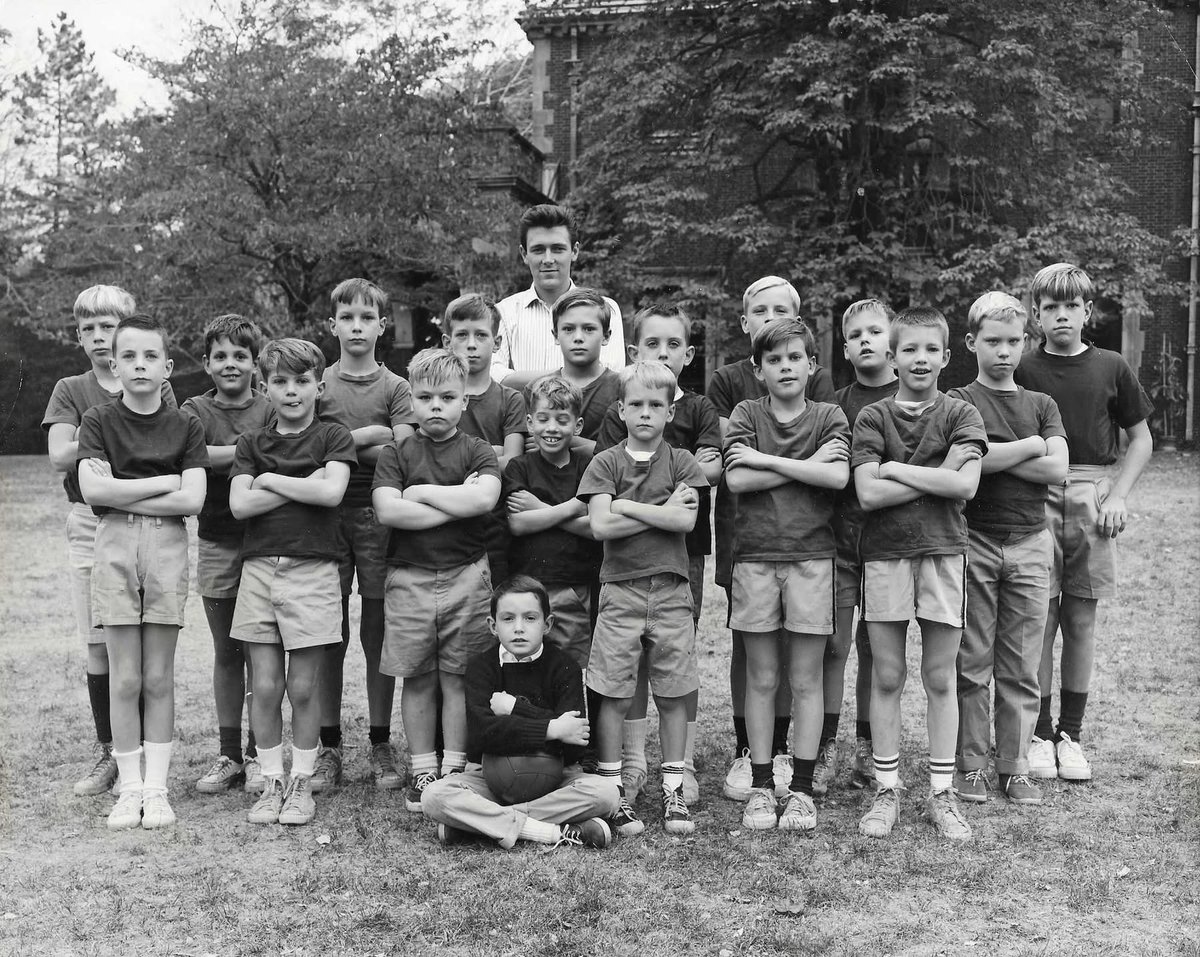
Back in ’94, the World Cup in the U.S. was deliberately priced to fill stadiums and grow the game.
•Average ticket: about $25–$75
•Top tickets (final): roughly $200–$300
•Adjusted for inflation today:
→ about $50–$150 average
→ $400–$600 for the very best seats
It was accessible. You could take a family without needing to think twice,and I did! I was working for Reebok at the time and yes, got access to some free tickets, but also bought tickets for my family without putting a hole in my wallet. In fairness, the US had to prove to FIFA that they could fill stadiums, and then of course, launch a professional league, which was part of the agreement to be granted the competition in the first place.
Now: 2026 FIFA World Cup (projected)
Everything we’re seeing points to a very different model. FIFA has leaned hard into premium pricing + global demand + hospitality packages.
•Group stage tickets (expected):
→ $150–$400+
•Knockout rounds:
→ $300–$1,000+
•Final tickets (face value projections):
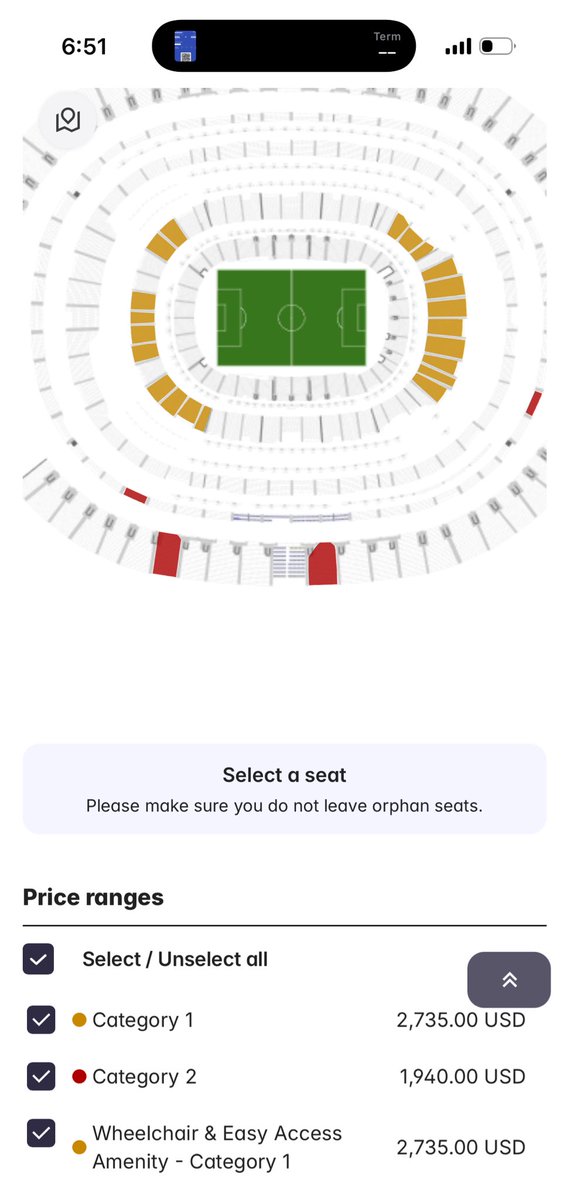
→ $1,500–$3,500+
•Hospitality packages:
→ $5,000–$25,000+ (and beyond)
And that’s before the resale market, which could push real prices significantly higher.
The real comparison
If you strip it down:
•Entry-level ticket (inflation-adjusted)
•1994: ~$50
•2026: ~$150+
→ 3x increase
•Premium / Final ticket
•1994: ~$500 (today’s dollars)
•2026: $2,000+
→ 4–5x increase
What’s really changed
I think it’s a radical change in philosophy :
•1994: “Let’s build the sport in America”
•2026: “Let’s maximize global revenue from the biggest event in sport”
Add in:
•Dynamic pricing models
•Corporate hospitality dominance
•Secondary market normalization
•Travel + accommodation spikes
…and suddenly attending a World Cup becomes less about fandom and more about financial capability.
The bottom line:
In 1994, the World Cup felt like a mass event you could be part of.
In 2026, it’s drifting toward a premium, almost luxury experience for many matches, especially the big ones.
I sense FIFA thought they could get away with this pricing structure because “that’s what they are used to in the US for major sporting events”, and I worry the stadium environment will lose its traditional “everybody having a great time” and that classic exhibition of exuberant multiculturalism that we have come to enjoy and expect in previous World Cups will be lost. FIFA, and even the local host committees, need to take notice now, while there is still time to reverse course.