

Paltnini
301 posts
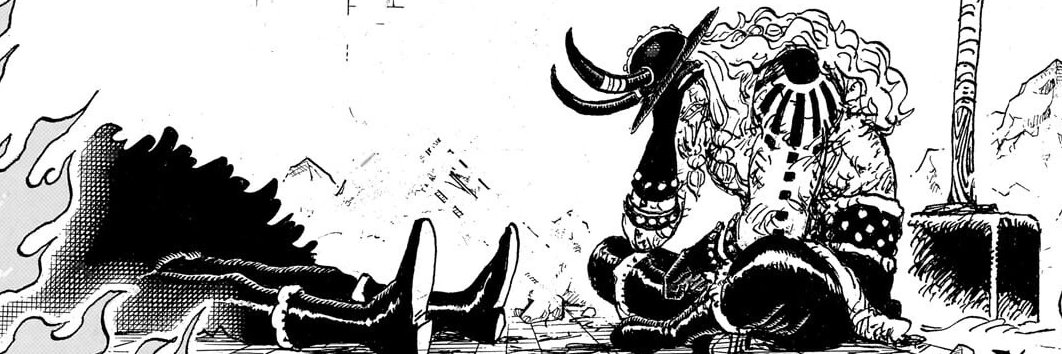
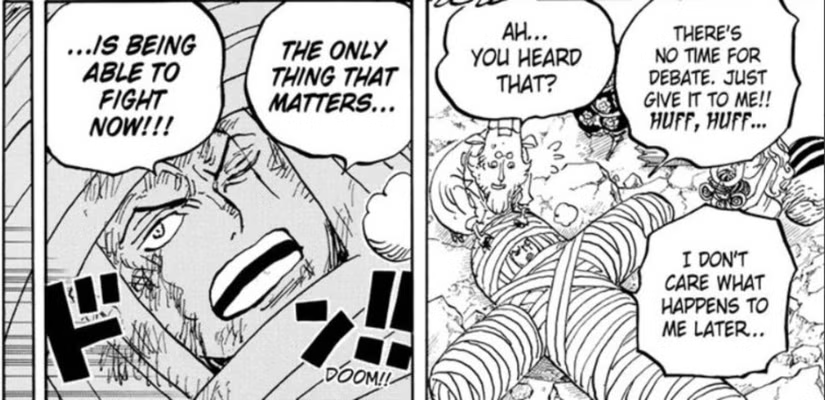
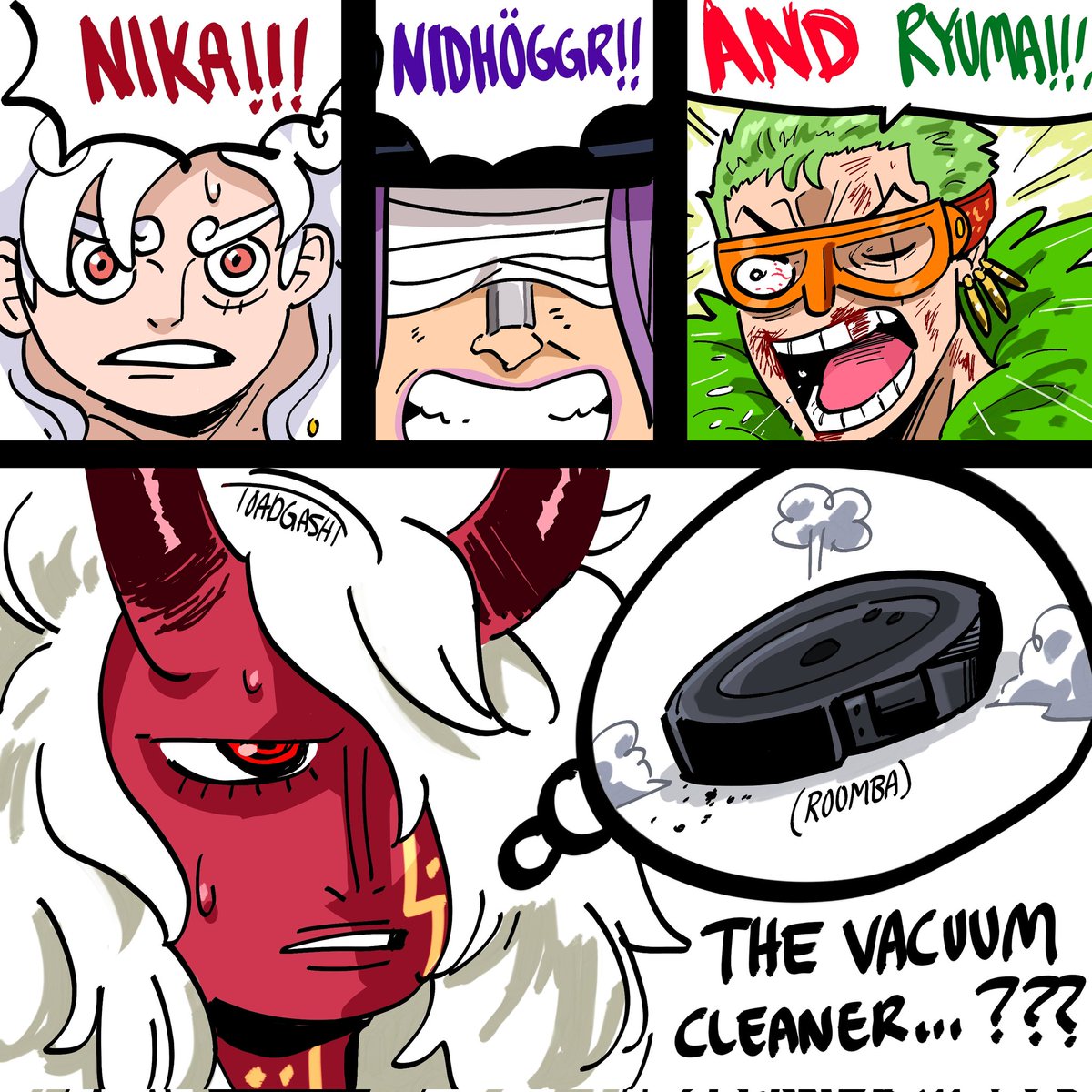
@SpinningHouden Yeah, it implies Zoro is still **conscious**, but maybe he may be injured heavily.
English
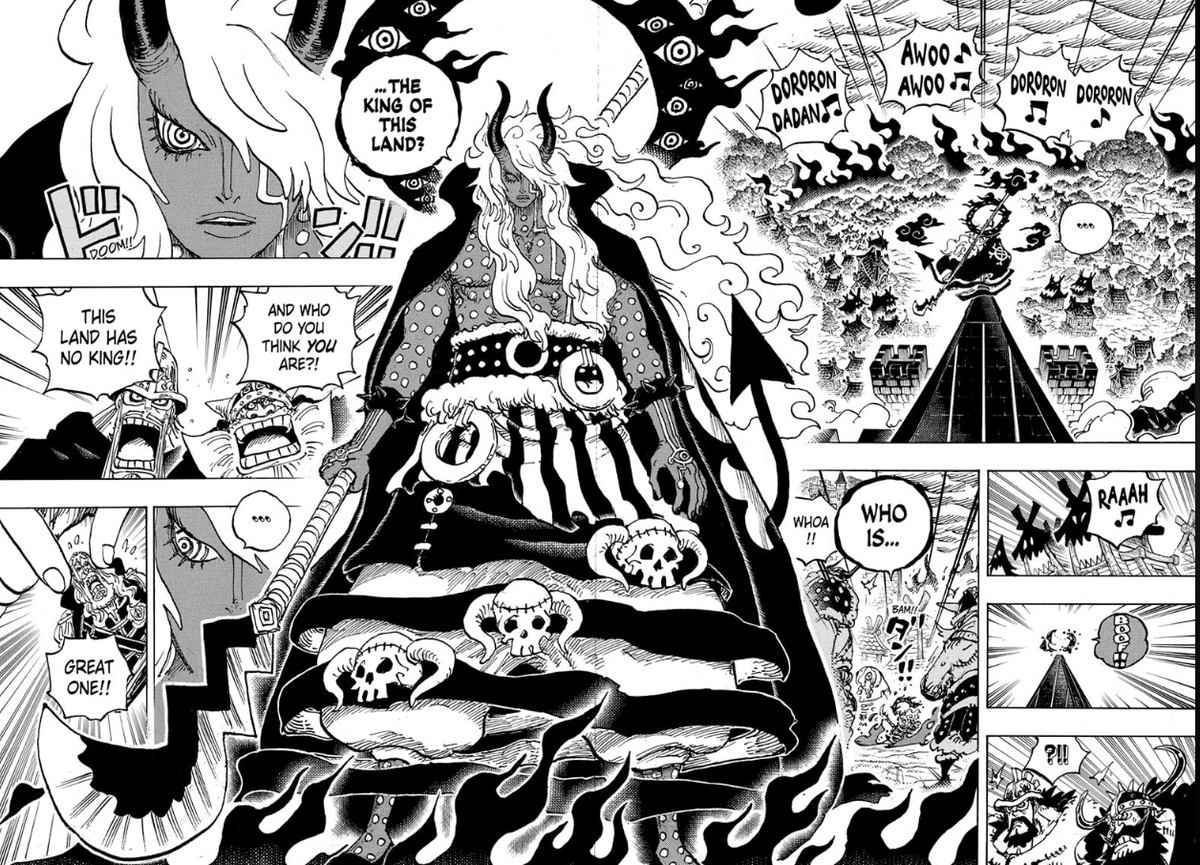
💡Lost in Translation: The official Viz English version skipped Imu's Maki is sad but inebitable. Oda wrote Omen and Maki at the same time in the panels in Japanese version. The connection between Haki and Maki is interesting!

LO NA GO@otaku_D_sa
#OnePiece1180 This chapter dropped a very strong hint, and this is where you realize the greatness of translation and quality because most One Piece fans completely overlooked this. There is a striking similarity between two words: 覇気 = Haki 魔気 = Maki Unfortunately, Maki was translated as Omen, or a sinister foreboding. While that isn’t technically a linguistic mistake, since many English translators relied on standard meaning! It arguably erased one of «Oda’s terrifying wordplays», something likely only native Japanese speakers would fully catch. Because there is a powerful parallel between the two words: 覇 (Ha) = dominance, supremacy, overwhelming power (in a positive sense) 魔 (Ma) = demonic aura, darkness, cursed or ominous force And both share 気 (Ki) = spiritual energy, life force What if Haki was something Joy Boy developed as a counterforce against Imu’s Maki? That would explain how Joy Boy’s Haki was able to repel the Gorosei, wound Imu, and even make her gasp under the pressure of his Haki during the Egghead Arc. What if Joy Boy spread Haki among humans so they could resist not only Devil Fruit powers, but also Imu’s demonic abilities? And what if the highest form of Haki “Conqueror’s Haki” belongs only to certain bloodlines and races… …and that is why Imu seeks to purge them from the earth through extermination, in order to create his own world?
English


English


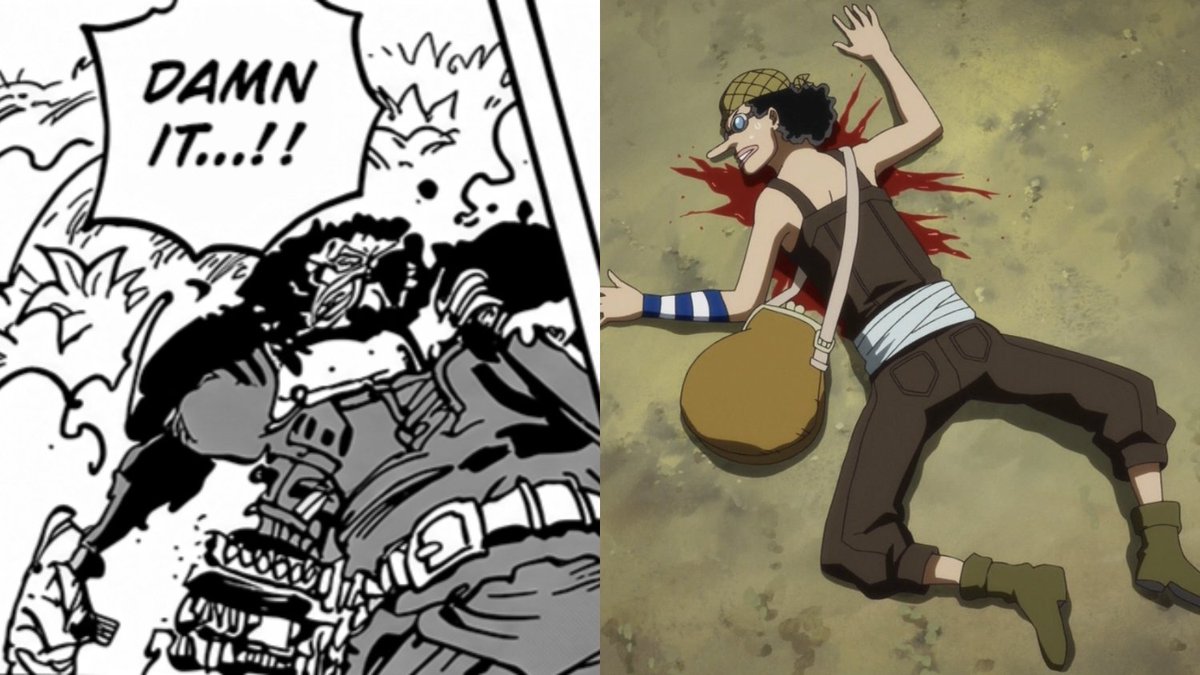
#onepiece #onepiece1180
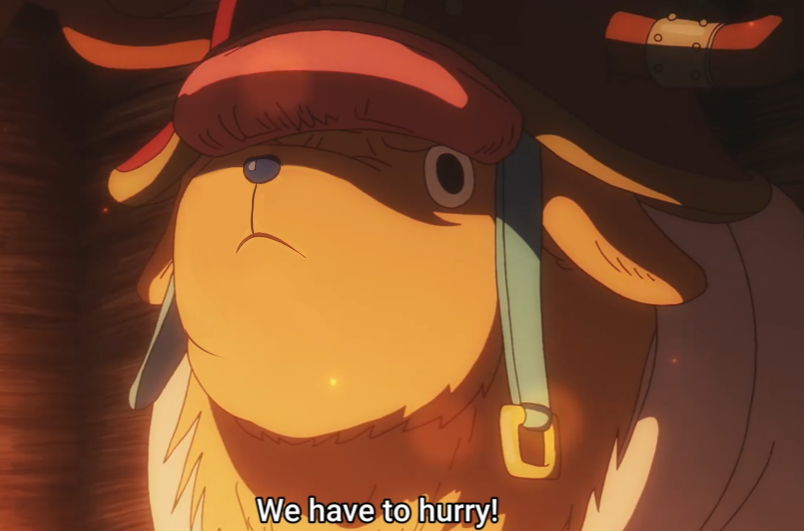
chopper on his way to give new mink medicine to zoro after he got omened by imu
English
English

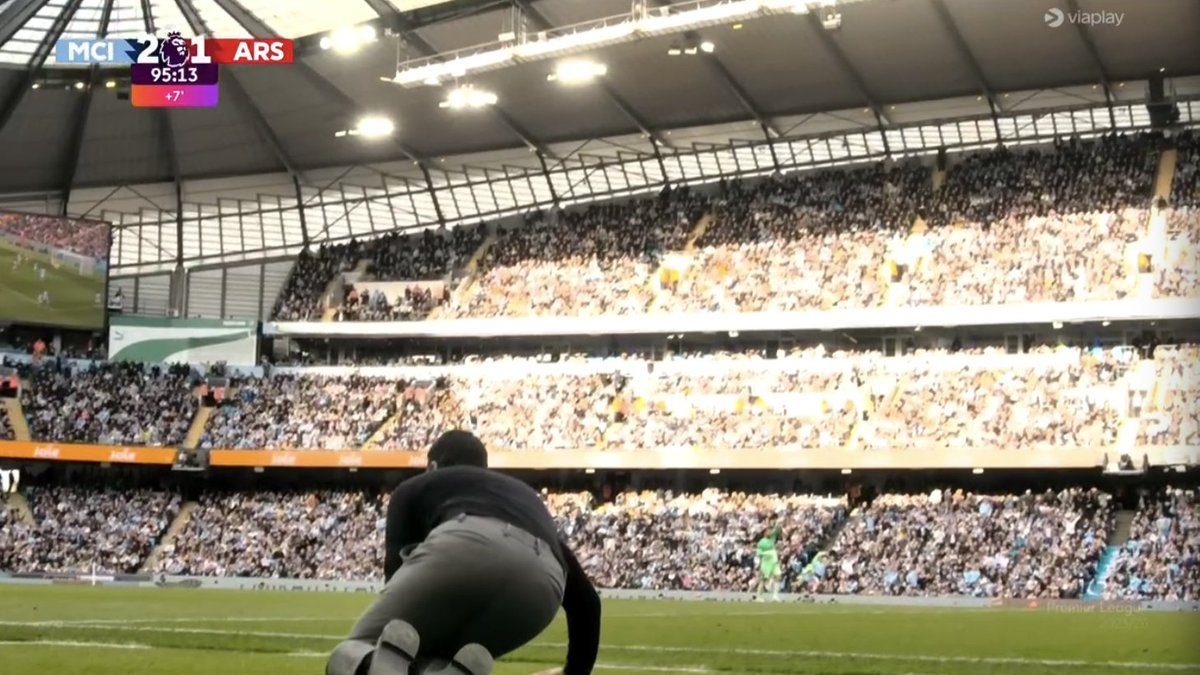

@talkingpanini To be fair Zoro and Sanji also couldn't handle Dressrosa Luffy and they still tried too
English
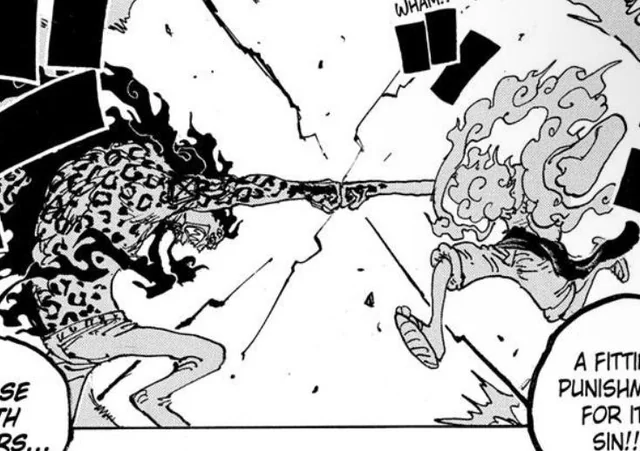


@Khaled71697 you should get on his ass instead: x.com/RollinRoronoa/…
RolliN_Roronoa@RollinRoronoa
@roronuffy3 That’s not how that works. Oni giri is his weakest attack meaning he used his weakest KoH attack. KoH isn’t his strongest Style its 2 tiers below his strongest style since he has 9 sword style and King of Hell serpent style both above KoH.
English

Bro said Onigiri is one of Zoro's weakest KOH attacks since it's not "KOH Serpent" only for Zoro to literally call out "KOH Sword serpent" meaning he went all out just to get tail-diffed 😂

—Mics@X_VIR3
@EnYouness29343 What does this prove exactly? Every named attack done by zoro can be elevated into koh or koh serpent Onigiri remains a low tier koh attack. This does NOT mean it’s a weak attack. it’s just one of the weakest compared to KOH serpent attacks
English
Paltnini retweetet


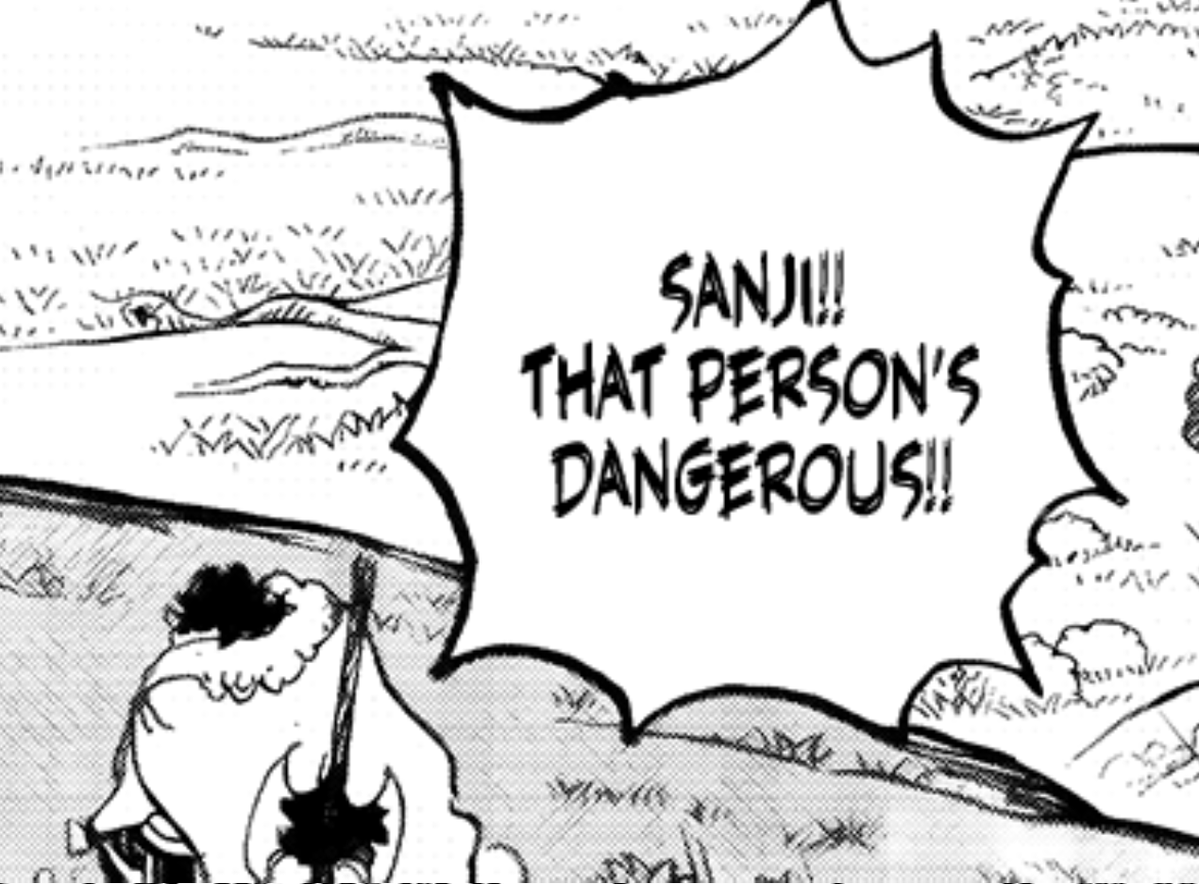
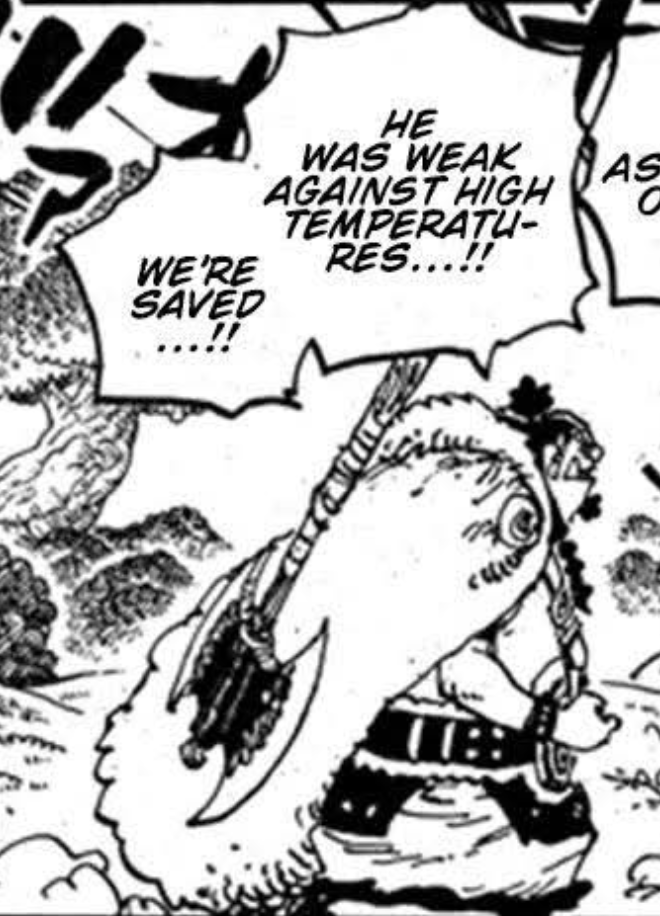

Its ppl like this the reason why you cant ever have a proper discussion of the story cause they really either lack media literacy or are purposely being disingenuous about the story and call it criticism. Ya’ll are too old to be doing this lmao
English
Paltnini retweetet

#OnePiece #OnePiece1180
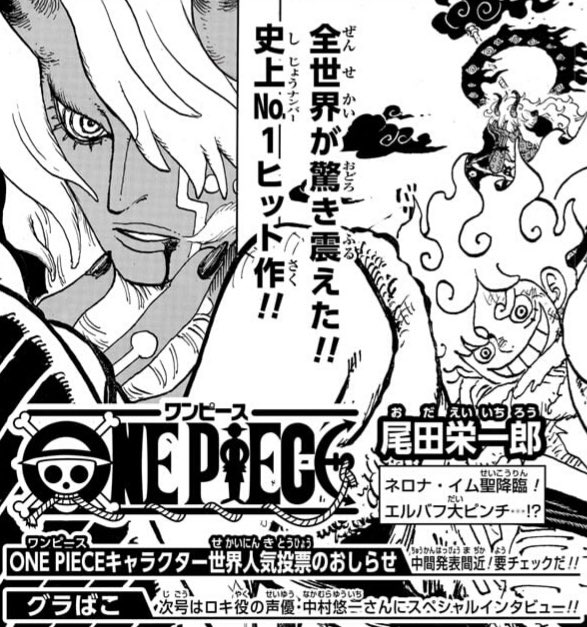
Editor's comment: Nerona Imu has arrived, is Elbaph in a great danger?
English