YeeWen Low (刘 逸 汶)

3.5K posts

YeeWen Low (刘 逸 汶) banner
YeeWen Low (刘 逸 汶)

YeeWen Low (刘 逸 汶)

@yeewenlow

Malesian botanist, enjoys gardening, coffee, wine and music; started cycling, birding and a big fan of Pekingese dog. *All posts are personal*

Singapore Beigetreten Aralık 2016
736 Folgt752 Follower
YeeWen Low (刘 逸 汶) retweetet
National Parks Board
National Parks Board@nparksbuzz·
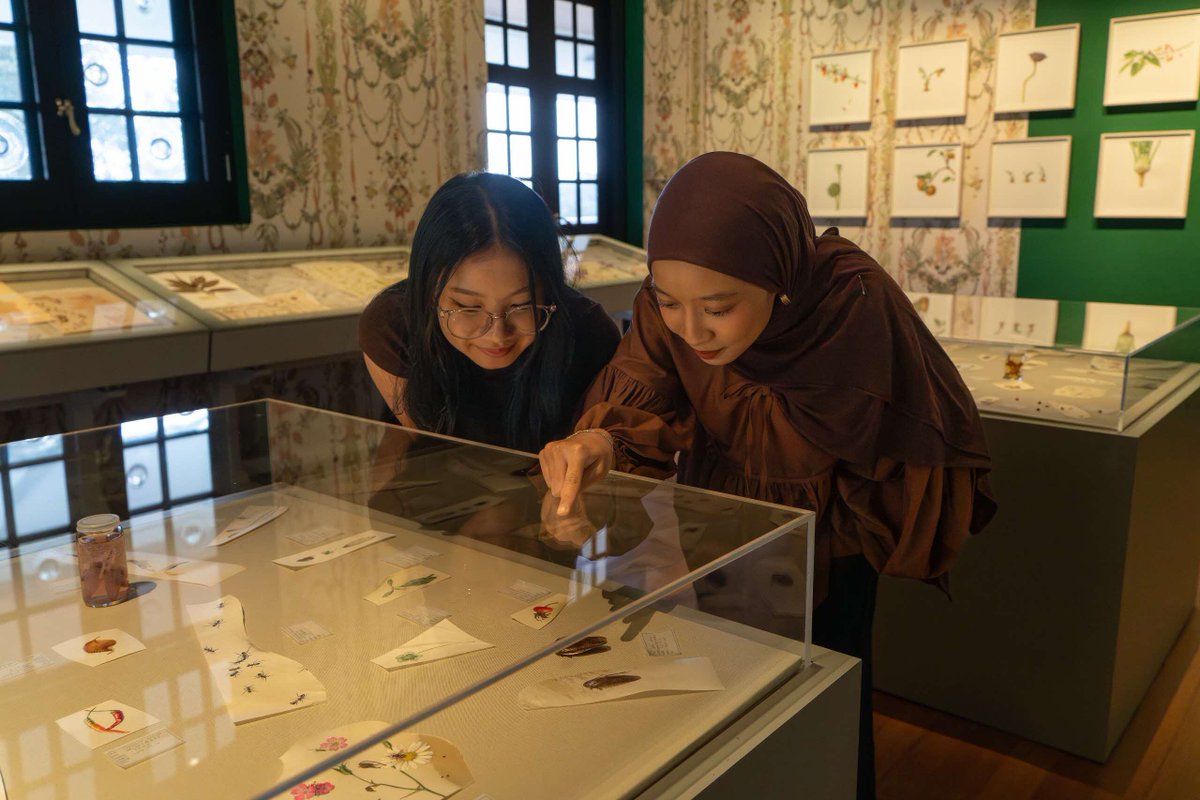
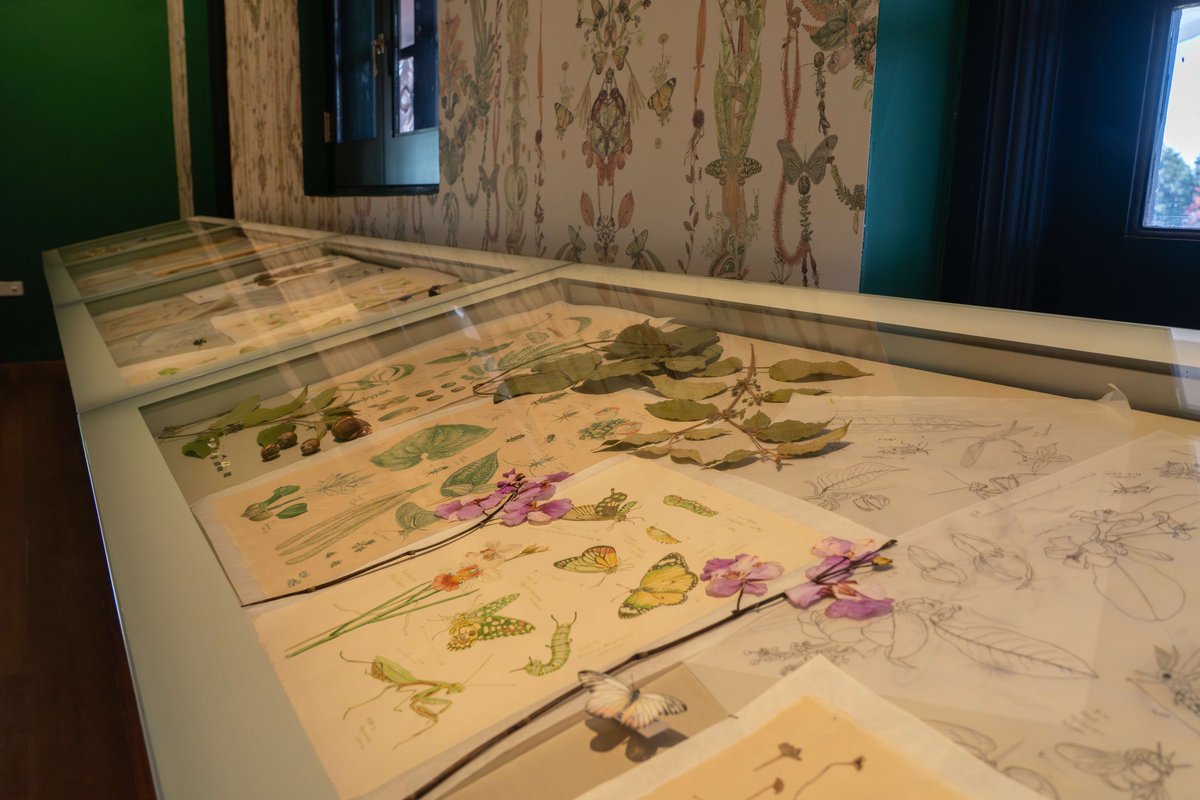
Visiting the Singapore Botanic Gardens? Swing by the Botanical Art Gallery for the captivating exhibition “In Green” to see Japanese artist Asuka Hishiki's watercolour and pencil works from now until 15 Nov 2026! ⏰: Open daily from 9am – 6pm (closed on the last Thu of the month)
National Parks Board tweet media
English
0
3
6
352
YeeWen Low (刘 逸 汶) retweetet
David Goyder
David Goyder@DavidGoyder·
Can't recommend the current exhibition at the Garden Museum in London highly enough. 18th century Chinese botanical art commissioned by John Bradby Blake and painted by Mak Sau.
David Goyder tweet media
English
1
3
11
234
YeeWen Low (刘 逸 汶) retweetet
Dr Timothy Utteridge
Dr Timothy Utteridge@timutteridge·
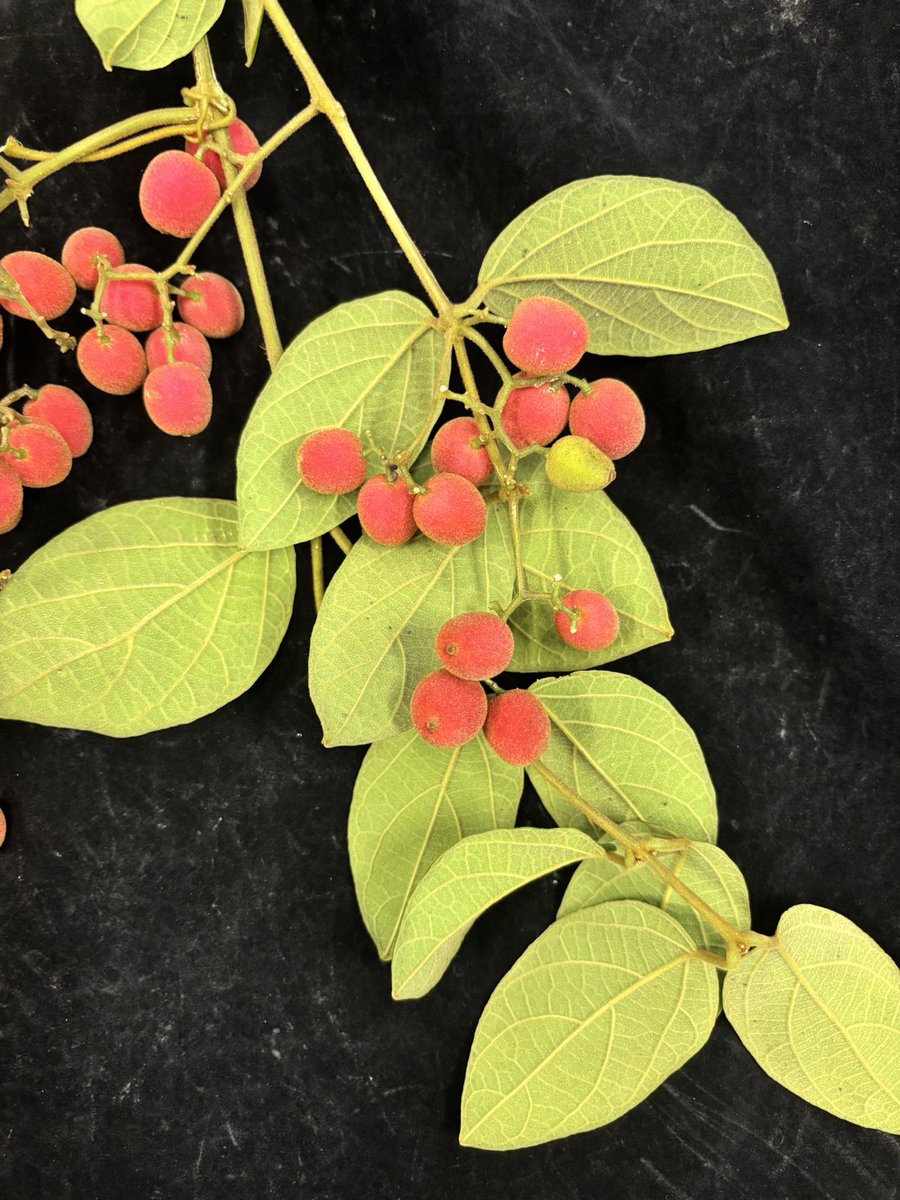
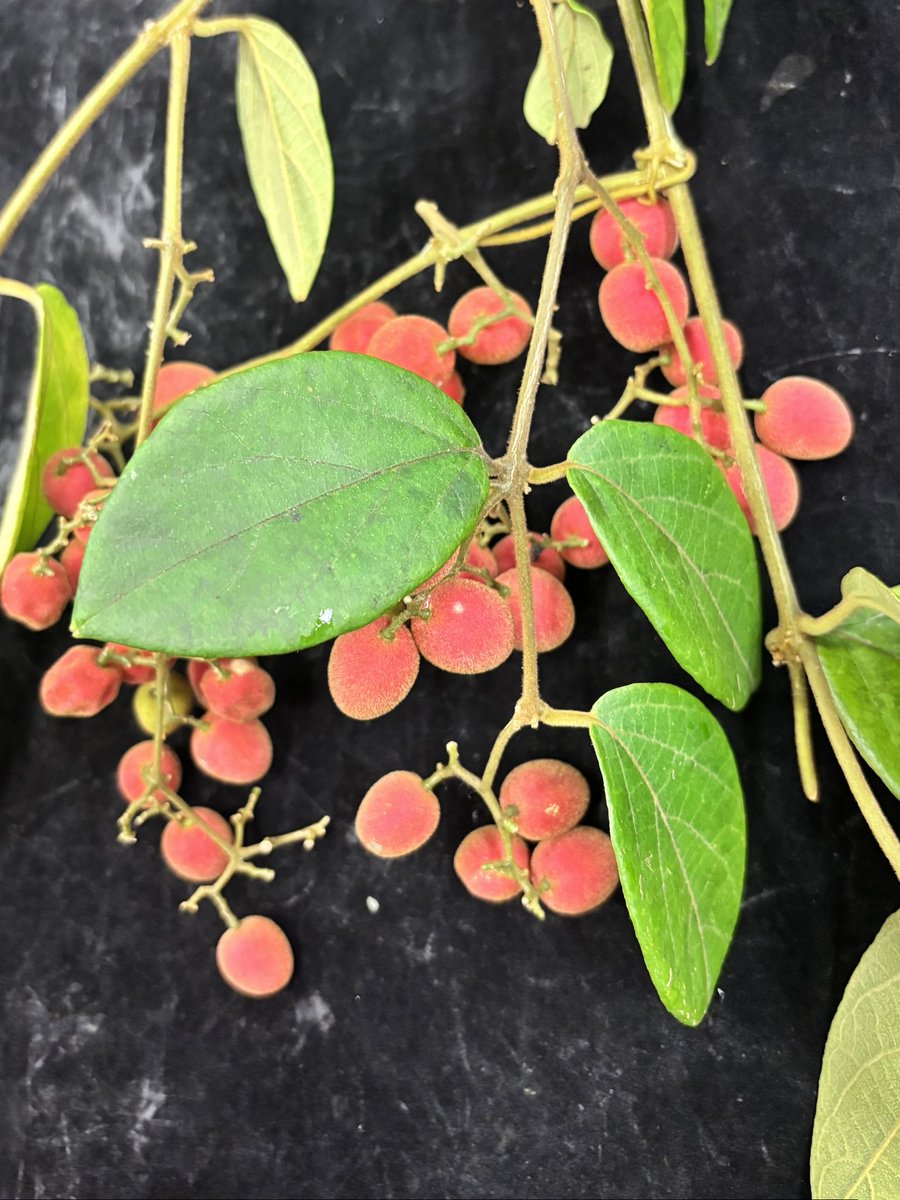
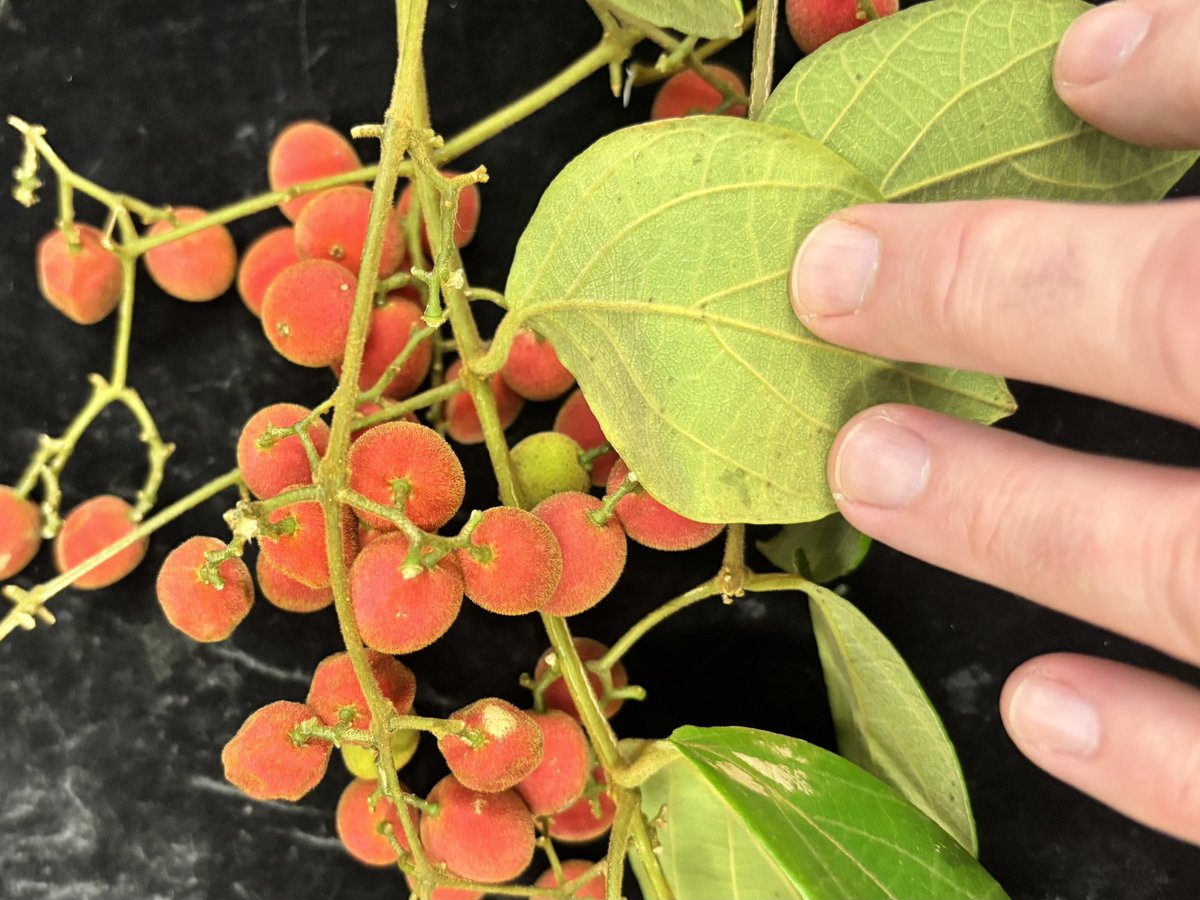
Mature rufous-scarlet fruits of Iodes cirrhosa Turcz. (#Icacinaceae) from Singapore today (collected and brought in by Xin Yi Ng, her excellent Flickr account worthy of a very long perusal: @N06/" target="_blank" rel="nofollow noopener">flickr.com/photos/8990664… ) #climber #botany #tropics
Dr Timothy Utteridge tweet mediaDr Timothy Utteridge tweet mediaDr Timothy Utteridge tweet mediaDr Timothy Utteridge tweet media
English
0
5
33
563
YeeWen Low (刘 逸 汶) retweetet
Burung Indonesia
Burung Indonesia@BurungIndonesia·
Tahun 2026 jumlah spesies burung yang tercatat sebanyak 1.834 spesies, dengan 538 di antaranya endemis. Sulawesi menjadi wilayah dengan spesies endemis terbanyak, disusul Maluku dan Jawa-Bali. Di balik angka yang stabil, ada perubahan penting, yaitu penambahan dan pengurangan spesies akibat pembaruan kajian ilmiah. Ini menegaskan bahwa meski pengetahuan terus berkembang, ancaman seperti hilangnya habitat dan perburuan masih nyata. Data terbaru dapat menjadi dasar penting untuk upaya konservasi ke depan.
Burung Indonesia tweet media
Indonesia
1
32
44
2.4K
YeeWen Low (刘 逸 汶) retweetet
Dr Timothy Utteridge
Dr Timothy Utteridge@timutteridge·
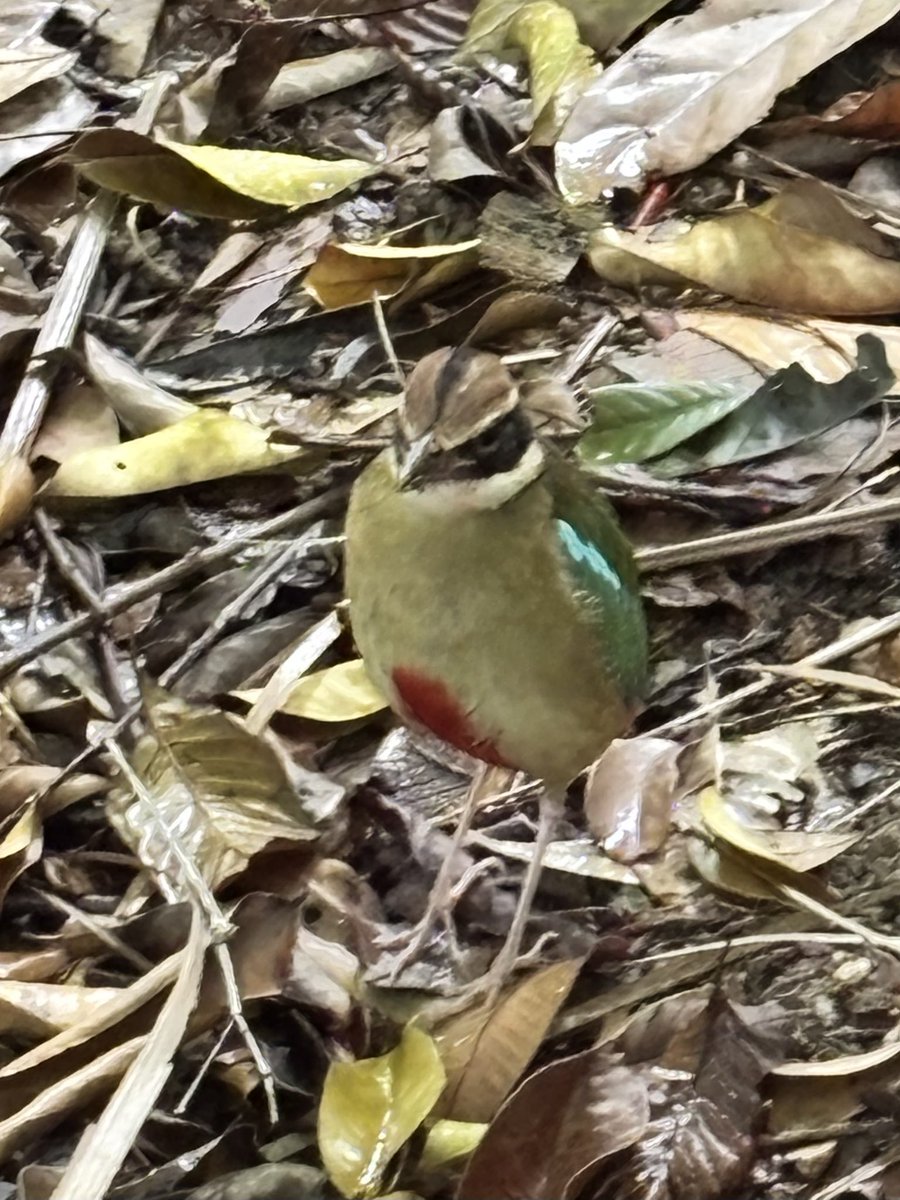
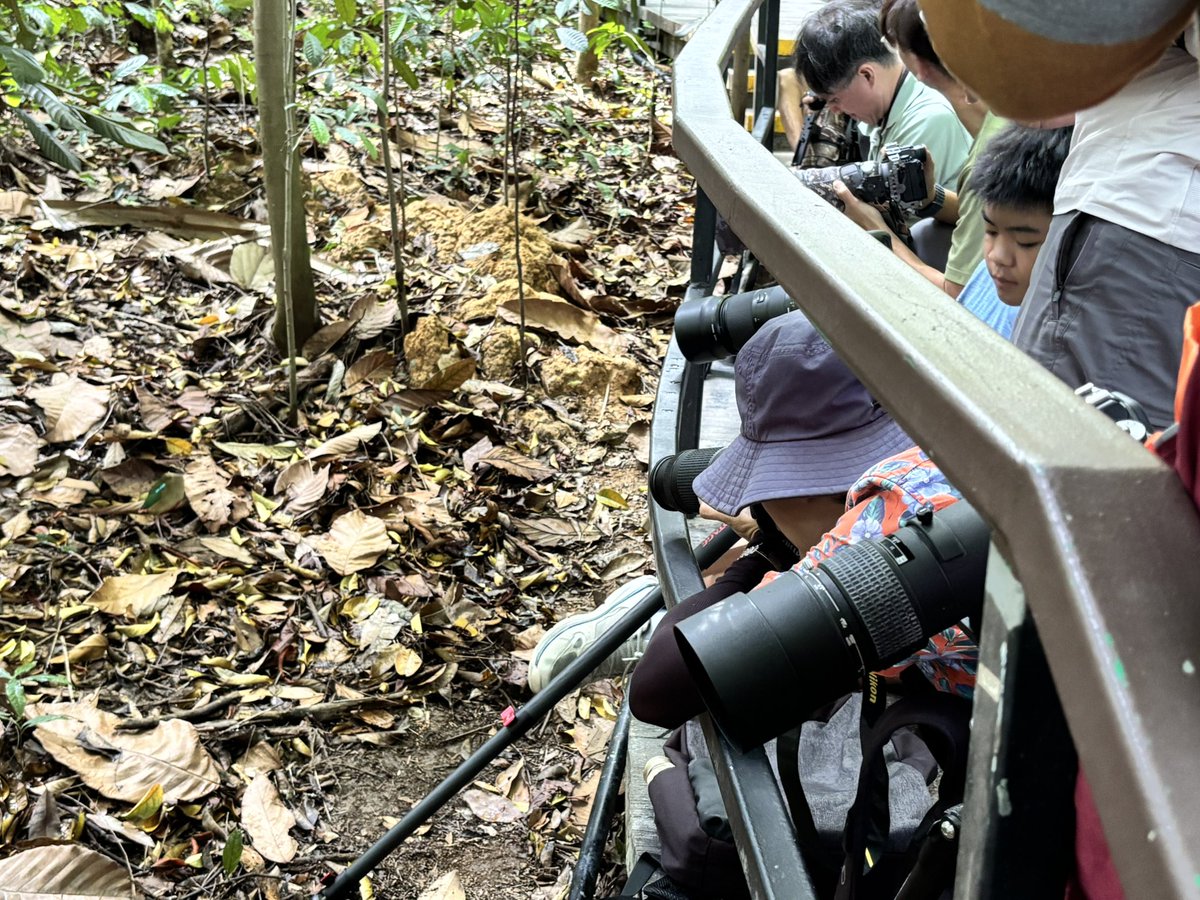
Fairy Pitta putting on a show this morning in the Singapore Botanic Gardens Rain Forest [iPhone shots from behind the #birding paparazzi! - it really does not do justice to those iridescent blues and turquoises] @nparksbuzz #Pitta
Dr Timothy Utteridge tweet mediaDr Timothy Utteridge tweet mediaDr Timothy Utteridge tweet mediaDr Timothy Utteridge tweet media
English
3
4
16
464
YeeWen Low (刘 逸 汶) retweetet
National Parks Board
National Parks Board@nparksbuzz·
Discover the beauty of nature through Asuka Hishiki’s watercolour and pencil works at the new “In Green” exhibition at the Botanical Art Gallery! Open now till 15 Nov 2026 from 9am to 6pm daily (closed on the last Thu of the month). 🍃 go.gov.sg/in-green-asuka…
National Parks Board tweet media
English
0
5
5
1.2K
Dr Timothy Utteridge
Dr Timothy Utteridge@timutteridge·
After six days of strategising (post-it notes everywhere), time to relax with a couple of highballs and one of the best ‘ham and cheese’ (ok pork cutlet) I’ve had …rather cosmic combo as meals go…Ma Maison #Singapore
Dr Timothy Utteridge tweet mediaDr Timothy Utteridge tweet mediaDr Timothy Utteridge tweet mediaDr Timothy Utteridge tweet media
English
1
0
8
228
YeeWen Low (刘 逸 汶) retweetet
Carsten Rahbek
Carsten Rahbek@Carsten_Rahbek·
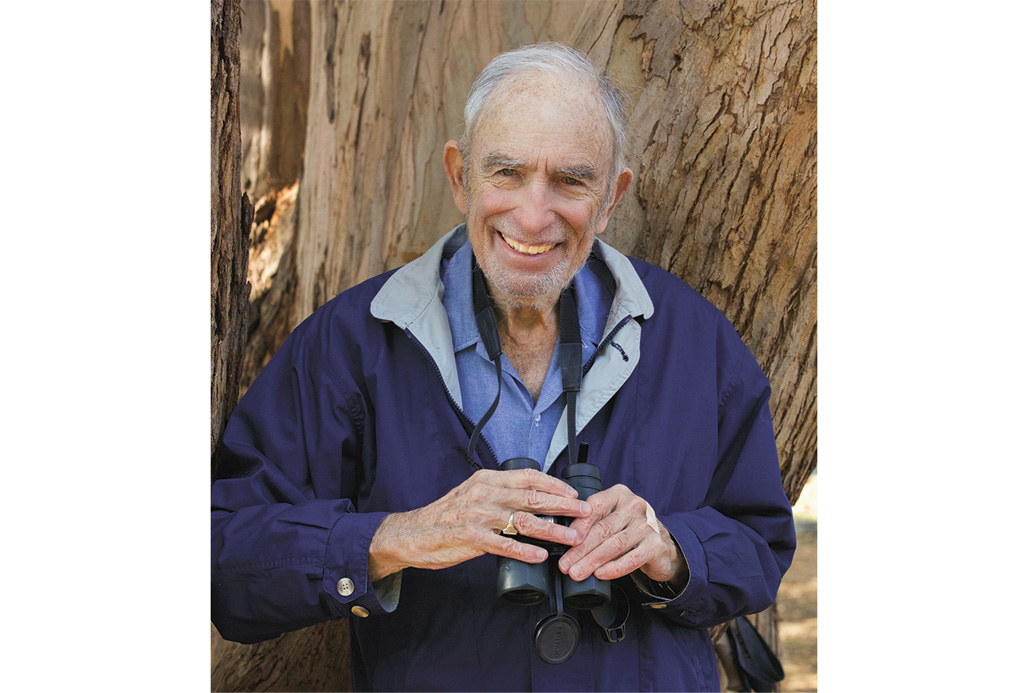
Paul R. Ehrlich, author of The Population Bomb, has died, a great scientist, biologist, and naturalist who helped shape the world’s thinking Many will remember him first for The Population Bomb, hugely influential, fiercely debated, and impossible to ignore. But that was only one part of a much larger scientific life. Paul was a leading figure in population biology and conservation, and he helped shape the field of coevolution. Yet Paul was also, in the deepest sense, a naturalist. Originally trained as an entomologist, he began as a butterfly researcher, and that grounding in close observation of living systems remained with him throughout his career. Even when he addressed the largest planetary questions, his thinking was rooted in biology and in the natural world itself. What I will remember most is not only the scale of his influence, but also his intellectual courage. He was willing to say what he believed the science demanded, even when it was uncomfortable, controversial, or unwelcome. Many debated his conclusions, and that too is part of his legacy. But no one can deny the force of his contribution. He helped ensure that biodiversity loss, ecological limits, and humanity’s pressure on the living world could not simply be pushed aside. Scientists of Paul’s kind are rare. He did not merely add to knowledge; he altered the terms of debate. The news of his passing was not unexpected. At 93, Paul had lived a rich and full life. Still, I write this with sadness. I had the privilege of knowing him as a fellow scientist working in much the same intellectual terrain, and I experienced his work not as a distant reputation, but as part of the living fabric of our field. Hearing of his death brought back fond memories of a birding trip together in the Oaxaca region of southern Mexico many years ago, and our shared joy when we saw the endemic and beautiful Red Warbler, an iconic and much sought-after species of those mountains. The legacy of Paul Ehrlich endures not only in science, but in the way the world thinks and talks about human population growth, biodiversity, and humanity’s place within nature.
Carsten Rahbek tweet media
English
1
18
62
2.2K