Post

JeffersRoad
JeffersRoad@JeffersRoad·
The problem is that we try to defend you, @MerriamWebster, by correcting incorrect usage, but you eventually undermine our support by saying: "If people are wrong long enough, then we give in and make them right." (See, for example, how "literally" now also means "figuratively.")
English

43
8
255
49.6K
Merriam-Webster
Merriam-Webster@MerriamWebster·
@JeffersRoad It’s not “giving in,” it’s documenting how people actually use the language. Dictionaries define the breadth of the language, and not simply the elegant parts at the top.
English
69
198
4.2K
71.3K
JeffersRoad
JeffersRoad@JeffersRoad·
@MerriamWebster I understand your reasoning, but where does it end? If enough people say down means up and alive means dead, will @MerriamWebster say, "Well, that's how people actually use the language"? Or, as with "could care less," folks actually mean the opposite but don't recognize it?
English
24
1
36
6.5K
Doob Lontonder
Doob Lontonder@DoobLontonder·
@JeffersRoad @MerriamWebster Yes, they should document that, because that is the most useful information for someone who hears a word and wants to know what the speaker meant by it. You are free to start a Dictionary of Proper English as It Should Be According to JeffersRoad, if you wish.
English
1
1
64
819
JeffersRoad
JeffersRoad@JeffersRoad·
@DoobLontonder @MerriamWebster Again, I understand the reasoning, but think about what you're saying: If enough people say down means up and alive means dead, then when I consult the dictionary, it tells me that foolish actually means wise. If that's helpful to you or others, so be it.
English
15
1
6
5.3K
Doob Lontonder
Doob Lontonder@DoobLontonder·
@JeffersRoad @MerriamWebster Yes, it is well known that the meanings of words often change significantly over time. Dictionaries helpfully document those changes so that people who don’t know can look up the current meanings.
English
0
1
32
308
Árnilsen Arthur
Árnilsen Arthur@arnilsenarthur·
@JeffersRoad @DoobLontonder @MerriamWebster yes exactly, if enough people starts using down with other meaning than the current one, in the future it'll be on the dictionary. that's exactly how languages and dictionary works and i'm very proud of you for understanding it
English
1
0
5
138
Charlotte
Charlotte@monomentary·
@JeffersRoad @DoobLontonder @MerriamWebster If people are using words in a certain way and you don't get it, you check the dictionary. That's what it's for. It's not a rulebook and I think you know that, so expecting w dictionary to "hold the line" is antithetical to its purpose
English
1
0
4
52
Erik
Erik@Renmauzuo·
@JeffersRoad @DoobLontonder @MerriamWebster Well yeah, it IS helpful. Because if you're confused because you keep hearing people use words in ways that don't make sense, then you consult the dictionary and it says "This word means X, but people also use it to mean Y," wouldn't that clear it up?
English
1
0
3
127
Elizabeth
Elizabeth@elisabet_bakari·
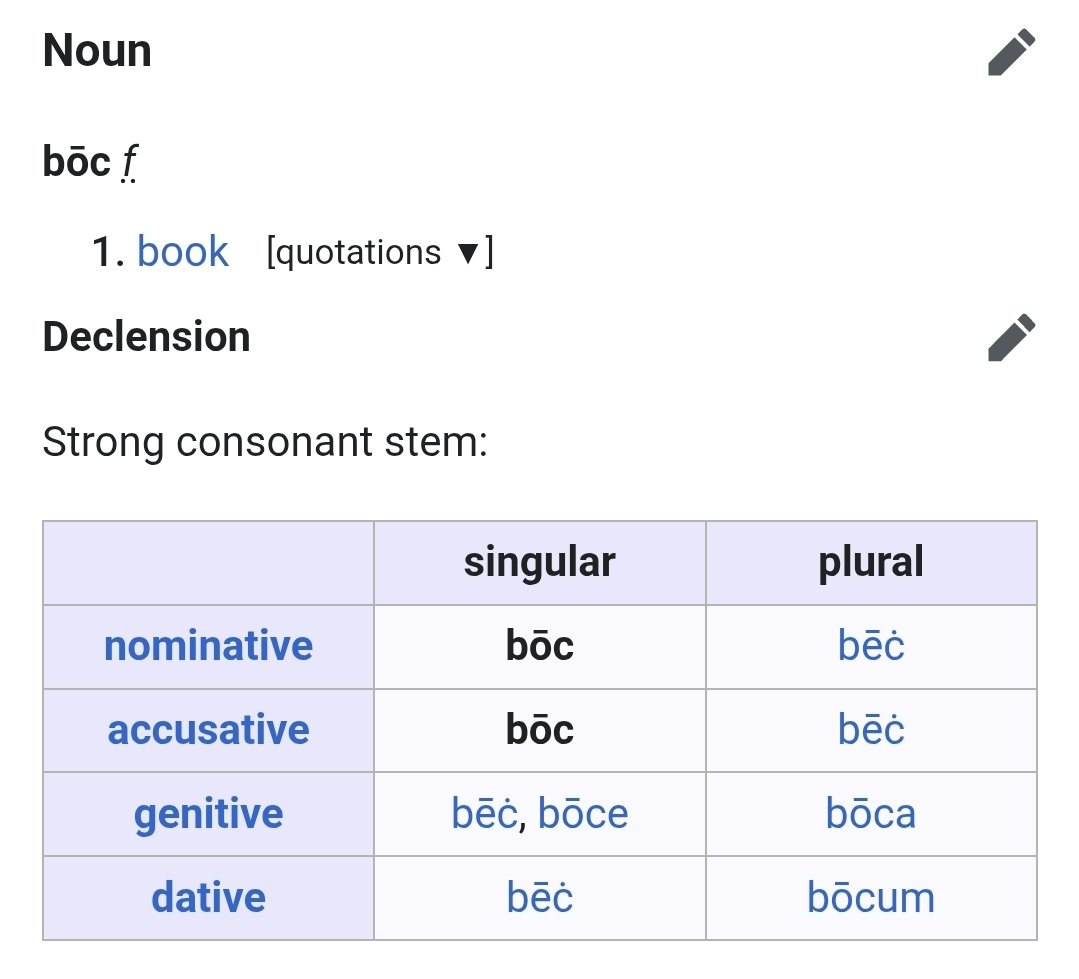
@JeffersRoad @DoobLontonder @MerriamWebster I don't understand what you're not getting about this. If enough people say down means up, then yes it should be documented. There would be a reason for the change. Language is always changing. Why aren't you decrying the fact that we don't call books bec, for example?
Elizabeth tweet media
English
0
0
2
56
Pepeniyo
Pepeniyo@Pepeniyo1·
@JeffersRoad @DoobLontonder @MerriamWebster Don't you think that if enough people are saying down is up and dead is alive, to the point that the dictionary has included it, the problem is that you have to CATCH ON or you'll be left behind? Words weren't set in stone the moment you were born, things evolve and so should you
English
0
0
2
31
mara
mara@lagussigang·
@JeffersRoad @DoobLontonder @MerriamWebster you do realize that there are many words that have opposite meanings, right? and dictionaries should document both meanings, as they currently do. if a word is used for two different things, both meanings should be in the dictionary. I don’t think that’s controversial
English
0
0
0
12
Compartir