Merriam-Webster retweetledi
Merriam-Webster
37.7K posts

Merriam-Webster
@MerriamWebster
noun | a reference source containing words alphabetically arranged along with information about their forms, pronunciations, functions, and etymologies

Springfield, MA Katılım Aralık 2009
1.3K Takip Edilen1.1M Takipçiler


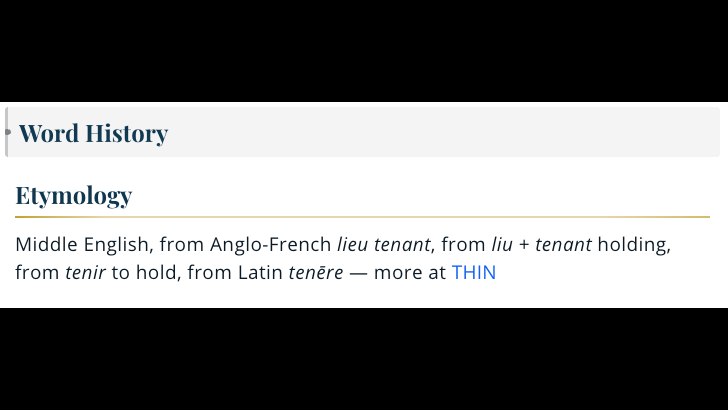
‘Segue’ comes from Italian ‘segue’ meaning "there follows.”
It was originally used as a direction in music, indicating a transition without interruption.
Joanne@Msjoanneeee
i learnt the word "segue" and have been looking for ways to use it in conversations
English

@MerriamWebster What was the word of the year for 2025 & who gets to choose it?
English

Interesting that Twitter goes down RIGHT after we post this 👀
Merriam-Webster@MerriamWebster
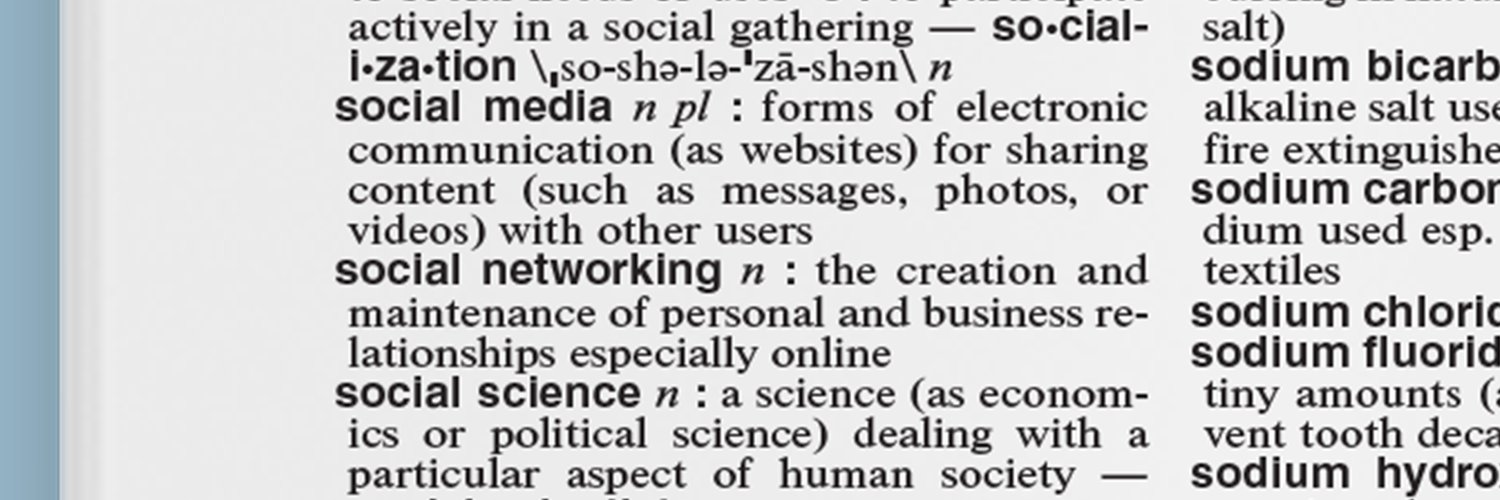
vaguepost | verb | to post cryptically on social media for engagement or attention
English
Merriam-Webster retweetledi

@NotoriousJOZ Our job is to reflect how people use the language.
So what most people call stuff is incredibly important.
English

@MerriamWebster Isn’t the dictionaries job to be factual, descriptive information? What does it matter what “most people” call it?
English

@MerriamWebster You are the dictionary and call this app the wrong name?
English


@MerriamWebster This feels so specific…We all want to know who you’re subtweeting?👀
English

@MerriamWebster @SandyforCouncil Merriam-Webster is our primary dictionary and we follow their lead on many definitions and styles, but on some entries, we go our own way.
We don't actually have an entry on St. Patrick's Day but we did tweet this guidance back in 2011.

English

'Shamrock' comes from the Irish 'seamróg,' which is a diminutive of 'seamar,' meaning "clover."
Encyclopaedia Britannica@Britannica
All clovers could be called shamrocks, but not all shamrocks are clovers. “Shamrock” is a common umbrella name people have given to plants with three leaflets. Clover is one example; wood sorrel and black medic are two others that are often potted and sold on St. Patrick's Day.
English