Tim retuiteado
Tim
20.6K posts

Tim
@BattleSideTim
I like pointing out hypocrisy when i see it.Older,wiser but open to new ideas.Politics,Clean energy,Harm Reduction,Vape,4.20. No DM.Parody account.
the future Se unió Eylül 2022
1.9K Siguiendo1.3K Seguidores
Tim retuiteado
Tim retuiteado

"For What It’s Worth"(1966)
Often linked to Vietnam, this song was actually inspired by the 1966 Sunset Strip clashes in Los Angeles, when police and young people faced off over curfews and club restrictions.
Do you remember the band's name?x.com/calmalgodown/s…
English
Tim retuiteado
Tim retuiteado
Tim retuiteado
Tim retuiteado
Tim retuiteado
Tim retuiteado
Tim retuiteado

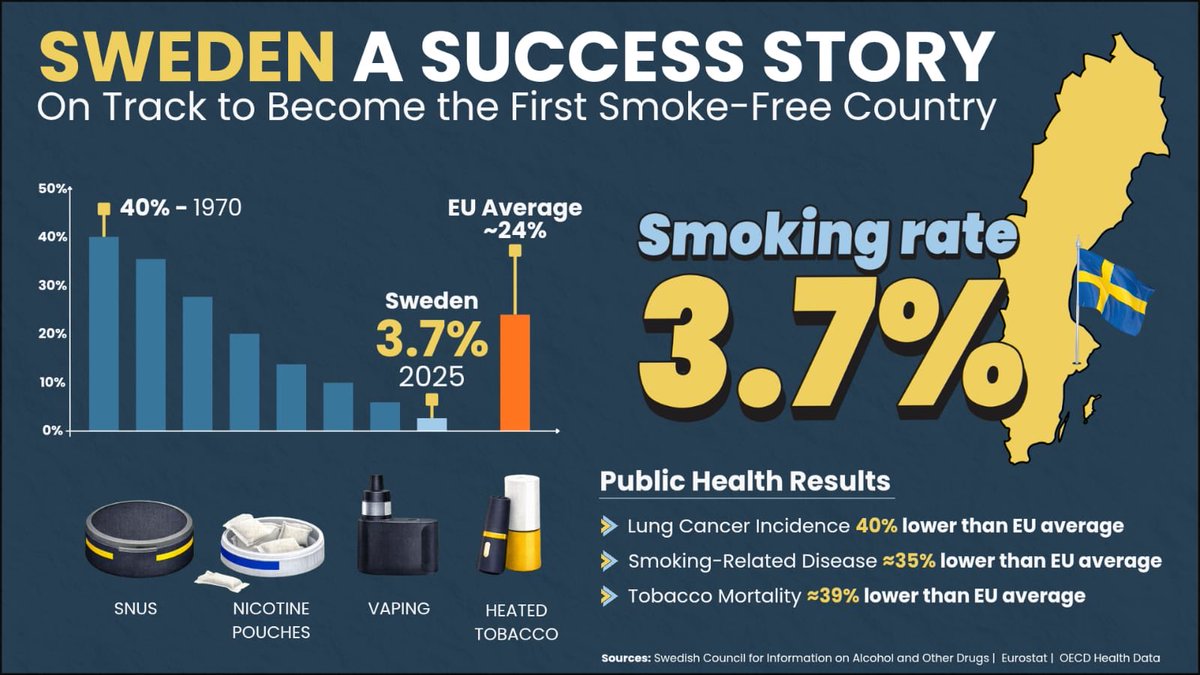
Sweden Just Did It – It is Now Officially The First Country Worldwide to Have Acheived the Smoke-Free Goal
vapingpost.com/2026/04/05/swe… via @vaping_post
English

@BattleSideTim @QuentinDempster 6 of the 8 oil refineries that shut down in Australia happened while the coalition was in government federally.
English

“We need to rebuild refining capacity here in Australia…”
Being hypocritical is what Anthony and co do best.
IMARoostàr🐓@IMAROOSTAR
This is gold….. a must watch 2020 @Albo criticising the government for not having 90 days fuel 🤣😆😆🤡 Jesus he has aged 20 years in the last 6.
English

@pixeltoofar @QuentinDempster What happens if we don’t meet the 82% target ?.
What happens if we run out of fuel & oil.?
Priorities perhaps.
English

@BattleSideTim @QuentinDempster No, taxpayers are not “underwriting every single renewable project” in Australia, but the federal government is significantly expanding taxpayer-backed underwriting for a large portion of new, large-scale projects to meet its 82% renewable energy target by 2030.
English
Tim retuiteado
Tim retuiteado

"Sweden reduced smoking by 54% in the same period by ensuring that safer alternatives to nicotine—such as snus, nicotine sachets, and e-cigarettes—are acceptable, accessible, and affordable."
mohre.it/open-letter-fr…
English
Tim retuiteado

𝗗𝗶𝗷𝗼 𝘂𝗻𝗮 𝘃𝗲𝘇 𝗧𝗼𝗺 𝗛𝗼𝗹𝗹𝗮𝗻𝗱: “Decidí probar un enero sin alcohol, solo como reto personal. Pero me asusté. No esperaba que fuera tan difícil. Me sorprendió lo mucho que dependía de una copa para relajarme, para celebrar, incluso para consolarme. Así que seguí en febrero, como un castigo, como una advertencia para mí mismo. Pero no fue más fácil, al contrario. Fue entonces cuando empecé a pensar: ‘Quizás tengo un problema’. A los seis meses, algo cambió. Dormía mejor, estaba más centrado, mi ansiedad bajó, mis relaciones se volvieron más auténticas. Para mi cumpleaños, decidí continuar un año entero, y ese año me enseñó quién soy sin la máscara del alcohol. Ahora lo tengo claro: no quiero volver a beber, porque me gusta este yo. Me gusta tener el control, sentirme libre, no tener que huir de mí mismo.”

Español
Tim retuiteado

🚨In 1990s, Stanford researcher Dr. Robert Sapolsky discovered something that should have broken the internet by now.
He was studying dopamine pathways in primates and found that the brain doesn't just adapt to repeated stimulation. It actively fights back.
When you flood dopamine receptors consistently, the brain deploys what neuroscientists call "opponent processes." For every artificial high you create, your nervous system generates an equal and opposite neurochemical low. Not eventually. Immediately. The system is designed to maintain balance, so it starts producing compounds that directly counteract dopamine while you're still experiencing the dopamine hit.
This means every notification, every scroll, every digital reward doesn't just give you a high followed by a return to baseline. It gives you a high followed by a crash below baseline. You end up in neurochemical debt.
Tech companies never publicized this research. They probably never read it. They were too busy discovering that variable ratio reinforcement schedules could keep users engaged for hours. They built addictive systems by accident, then refined them into addiction machines once they realized what they'd stumbled onto.
Your phone delivers an average of 80 dopamine hits per day. Your ancestors got maybe 5. Each hit triggers opponent processes that create a corresponding low. By the end of a typical day of normal phone usage, your baseline dopamine is running in negative territory. You feel flat, restless, vaguely unsatisfied, and hungry for stimulation because your brain chemistry is literally below zero.
You think you're bored. You're chemically depressed by artificial highs.
The opponent process theory explains why nothing feels interesting anymore. Your brain isn't broken. It's precisely calibrated to maintain neurochemical balance, and you keep throwing that balance off with artificial intensity. Every Instagram hit requires an equal Instagram crash. Every TikTok high gets paid for with a TikTok low. Every notification rush gets balanced with notification emptiness.
Your reward system is running a neurochemical deficit that grows larger every day.
Sapolsky's research revealed something even more disturbing: opponent processes don't just create temporary lows. They become permanent changes to your baseline dopamine production. Chronic overstimulation doesn't just make you tolerant to digital rewards. It makes you insensitive to natural rewards.
The sunset that would have captivated your great-grandfather becomes invisible to you not because sunsets got worse, but because your dopamine system needs intensity levels that sunsets can't provide. A good conversation becomes boring not because conversations got less interesting, but because your brain requires the rapid-fire stimulation of social media to register engagement.
You've accidentally trained your reward system to ignore everything that isn't artificially amplified.
This connects to research from Dr. Anna Lembke at Stanford, who found that people who undergo complete digital fasting for just 30 days show measurable increases in dopamine receptor density. Their brains literally regrow sensitivity to natural rewards. Food tastes better. Music sounds more complex. Social interactions become genuinely engaging again.
But there's a catch that nobody talks about: the first two weeks of dopamine detox feel like clinical depression. Your brain has been chemically dependent on artificial stimulation for years. Removing that stimulation creates actual withdrawal symptoms. Restlessness, anxiety, inability to focus, emotional flatness, and desperate cravings for digital input.
Most people interpret these symptoms as evidence that they need their phones. Actually, they're evidence that they've been neurochemically dependent on their phones without realizing it.
The withdrawal period isn't a bug. It's proof the reset is working.
What happens after week three is remarkable. Colors become more vivid. Conversations become genuinely absorbing. Simple pleasures like hot coffee or cool air become satisfying in ways you forgot were possible. Your brain rediscovers that reality contains enough complexity and beauty to hold your attention without artificial amplification.
You don't need more interesting content. You need more sensitive reward systems.
The solution isn't better apps or more engaging entertainment. The solution is restoring your brain's factory settings for what constitutes a worthwhile experience.
Sapolsky's opponent process research suggests this can happen faster than anyone expected. Every day you don't artificially spike your dopamine, your baseline moves a little higher. Every natural reward you pay attention to rebuilds receptor density. Every moment of boredom you endure without reaching for stimulation strengthens your capacity for sustained focus.
Ancient humans lived in a world that provided exactly the right amount of stimulation to keep their reward systems healthy. Enough challenge to stay engaged, enough calm to stay balanced, enough novelty to stay curious, enough routine to stay stable.
We built a world that provides 10 times too much stimulation and wonder why nothing feels rewarding anymore.
Your brain is not the problem. Your environment is the problem.
Change the environment, and the brain heals itself automatically.

Darshak Rana ⚡️@thedarshakrana
English

“Renewables are the only truly sovereign energy solution to oil instability. The transition, in other words, must go on even as the government seeks to stabilise oil supply.”
theage.com.au/politics/feder…
English