

The Bio Hacking Journal
2.8K posts
The Bio Hacking Journal
@BioHacknJournal
Matt | Exploring Earth's Medicine Cabinet 🌿 | Biohacking Enthusiast | Unearthing Nature's Secrets | Join My Journey to Hack Health & Happiness! #HerbalRemedies
Se unió Eylül 2023
479 Siguiendo2.9K Seguidores

I eat sourdough because nothing goes better with runny yolk

𝗥𝗢𝗖𝗞𝗬@TheWarKitchen
I eat sourdough because it's a gift from God
English

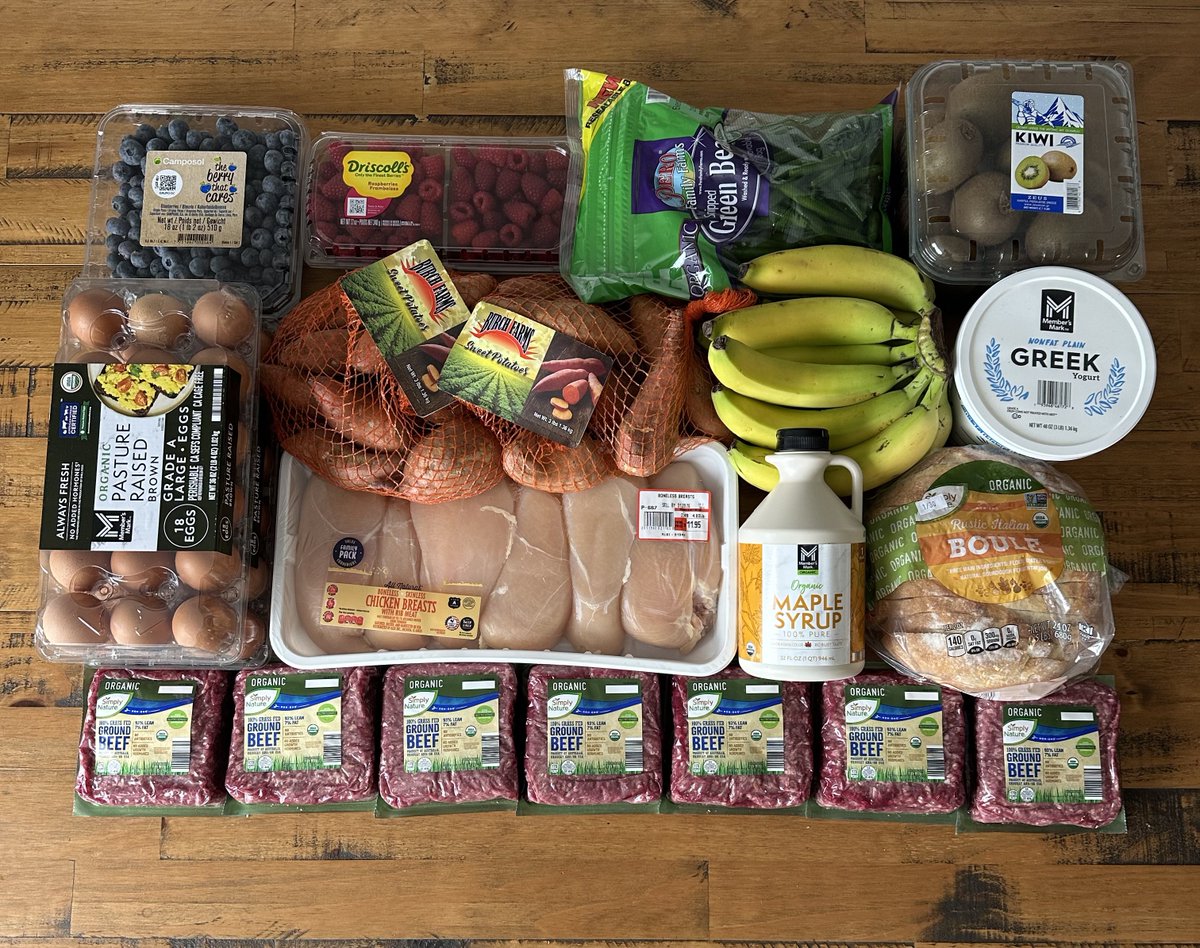
You don’t need to eat the same foods every week
Will it give you a better chance of staying consistent and reaching your goals? More than likely
You don’t have to be constantly looking for variety and changing things up either
Focus on what gives you results
English

Marble Arch cave in Northern Ireland
featuring an active underground river
English
@PaulAustin3w Healthcare wouldn’t be profitable if their products actually worked.
English

If psilocybin is dangerous, why is it less addictive than caffeine, less toxic than alcohol, and more effective than SSRIs?
What do you think?
English

@Lovandfear I pick you up some kombucha on my way home.
English



@TaraBull Any Proctor and Gamble product. Poisoning every single home they enter.
English

@CaryKelly11 And yet it is still demonized. One of the highest ROI foods.
English
If you haven't started taking creatine, what's holding you back?
English
@courtneyknill @SeedOilDsrspctr Haven’t used sunscreen in over 4 years. Still haven’t burned.
English

for years when I heard people talk about avoiding seed oils to prevent sunburn, it really did sound like BS, and it wasn’t until I avoided them longer that I noticed a difference
it’s actually pretty wild
English
@BellaBaddie__ Mushroom elixirs. Total mood uplift
English


Since starting my CoQ10, Methylene blue, and creatine stack I have barely felt the need for caffeine.
I’m usually a couple coffees in a day and I have had one cup of coffee the past 4 days.
English


The Bio Hacking Journal retuiteado
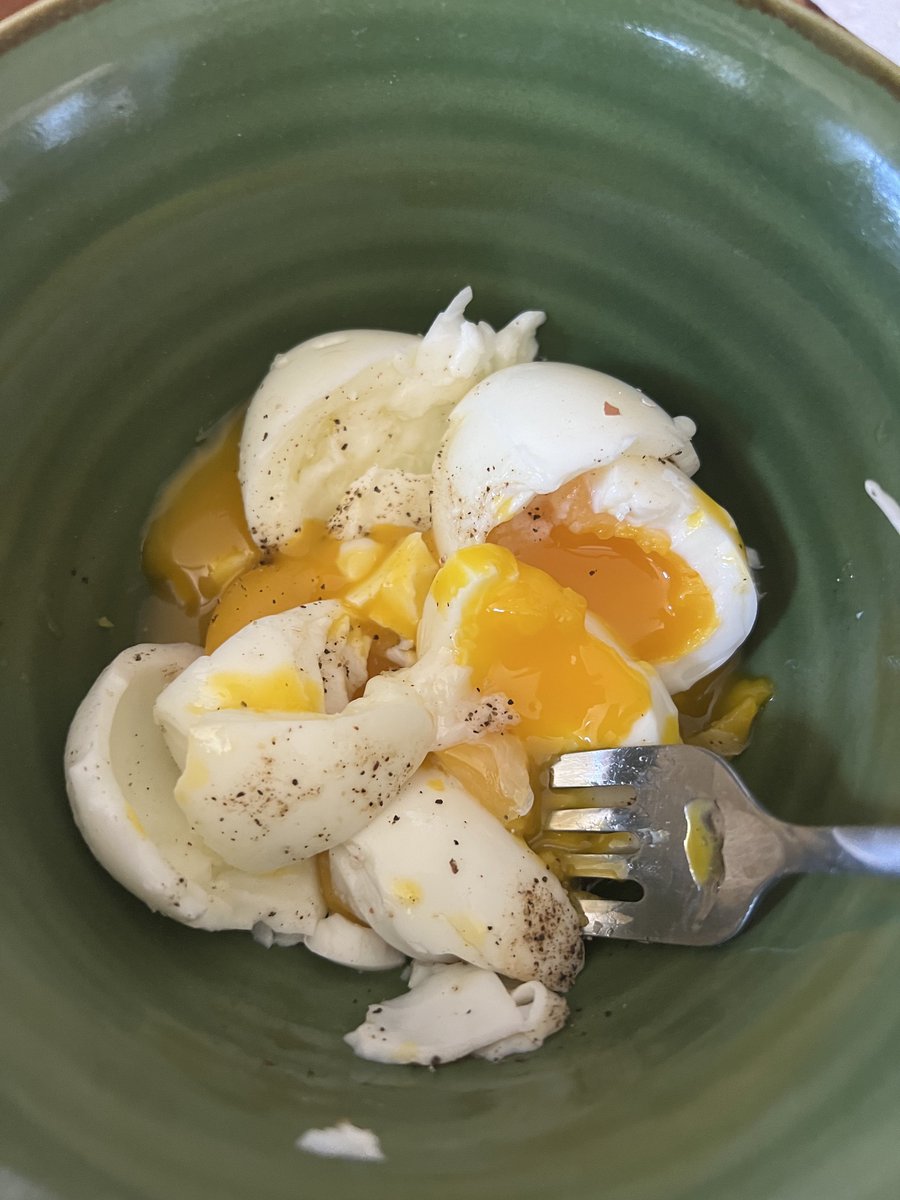
Why is choline eggcellent?
Eggs are packed full of so many beneficial nutrients, but I wanted to specifically learn about Choline.
In my current obsession with brain optimization, I learned choline is an amazing micronutrient for your brain function. I’m not even yolking.
🧵
English

@Gentle_masc @MasculineA7 This is powerful infirmation. Here’s my mitochondrial stack x.com/biohacknjourna…
The Bio Hacking Journal@BioHacknJournal
Most people think “energy” comes from calories. That’s wrong. Energy comes from electron flow. If your mitochondria can’t move electrons efficiently, you can eat perfectly and still feel like garbage. Here’s my clean model using 3 tools: creatine, CoQ10, methylene blue. ↓ First, the engine: mitochondria. Food isn’t “energy”. Food is electrons. Those electrons have to move through the electron transport chain to become ATP. No flow = no energy. - CoQ10 sits at the center of this system. It literally shuttles electrons between complexes in the mitochondrial membrane. If CoQ10 is low, electrons back up, leak, and form free radicals. That’s fatigue + oxidative stress from the same bottleneck. - Creatine doesn’t make energy. It buffers it. It stores high-energy phosphate and rapidly regenerates ATP when demand spikes. Think: battery / capacitor, not generator. Great system. But still fragile. Here’s the part most people miss: The electron transport chain is not perfectly reliable. Complex I and III are the main sites of electron leakage and ROS production. This is where methylene blue is interesting. Methylene blue is a redox cycler. At low doses, it can accept electrons from NADH and donate them downstream (via cytochrome c). Translation: it can bypass congested or inefficient parts of the chain and keep electrons moving. Not a stimulant. A flow regulator. So the stack actually looks like this: • CoQ10 = expands normal electron transport capacity • Methylene blue = provides a bypass + reduces backup & leakage • Creatine = buffers ATP so output stays stable under load Production. Flow. Buffering. This is why fatigue is not just “low motivation” or “low calories”. It’s often electron traffic jams + poor buffering. Important reality check: Creatine and CoQ10 are well-studied and boring (in a good way). Methylene blue is hormetic. That means: • At low dose → it improves mitochondrial efficiency and electron flow • At high dose → it impairs respiration and becomes toxic Same molecule. Opposite effects. Dose is the whole game. If you want a better mental model: Creatine = battery CoQ10 = main power line Methylene blue = intelligent detour system that prevents blackouts Biohacking isn’t about “more stuff”. It’s about supporting the actual physics of how cells move electrons and store energy. Most people have never been taught this model. Once you see it, a lot of “mystery fatigue” stops being mysterious.
English
The Bio Hacking Journal retuiteado

Your mitochondria decide how long you live.
When they fail, diabetes, cancer, Alzheimer’s and 350+ diseases follow.
Here’s how they work & how I boosted mine 🧵
English