Tweet fijado
LEET
676 posts


LEET
@LeetgameDev
Esports Game on Solana. Own your cards & compete. Passion brought to gamers & collectors Join the community : https://t.co/oGPnpg0ctv
de_dust2 Se unió Eylül 2025
114 Siguiendo66 Seguidores
@amanbehumble we are building this. nfts cards back with real value, listing on our marketplace only, but you can send them over from wallet to wallet. fairness, freedom, ownership, get value over time, let's see how it goes
English

Tokenized collectibles.
Pokémon showed where attention is going.Solana is where that attention gets monetized.
TCG is a >10B+ market.
Now imagine it:
>liquid
>tradable 24/7
>global
That’s what’s starting.
And most people still think it’s “just NFTs.”
AJC@AvgJoesCrypto
The latest breakout application on @solana is, undoubtedly, tokenized TCGs. In Q1, the sector hit new highs, with @Collector_Crypt and @phygitals combining for a record $13.3M in weekly gacha volume, surpassing Q4'25's previous record of $10.3M by 29%. With demand for Pokémon and other TCGs surging both in and outside of crypto, Collector Crypt and Phygitals will continue to grow by delivering a better experience for both collectors and investors through tokenization that offchain competitors simply cannot match.
English

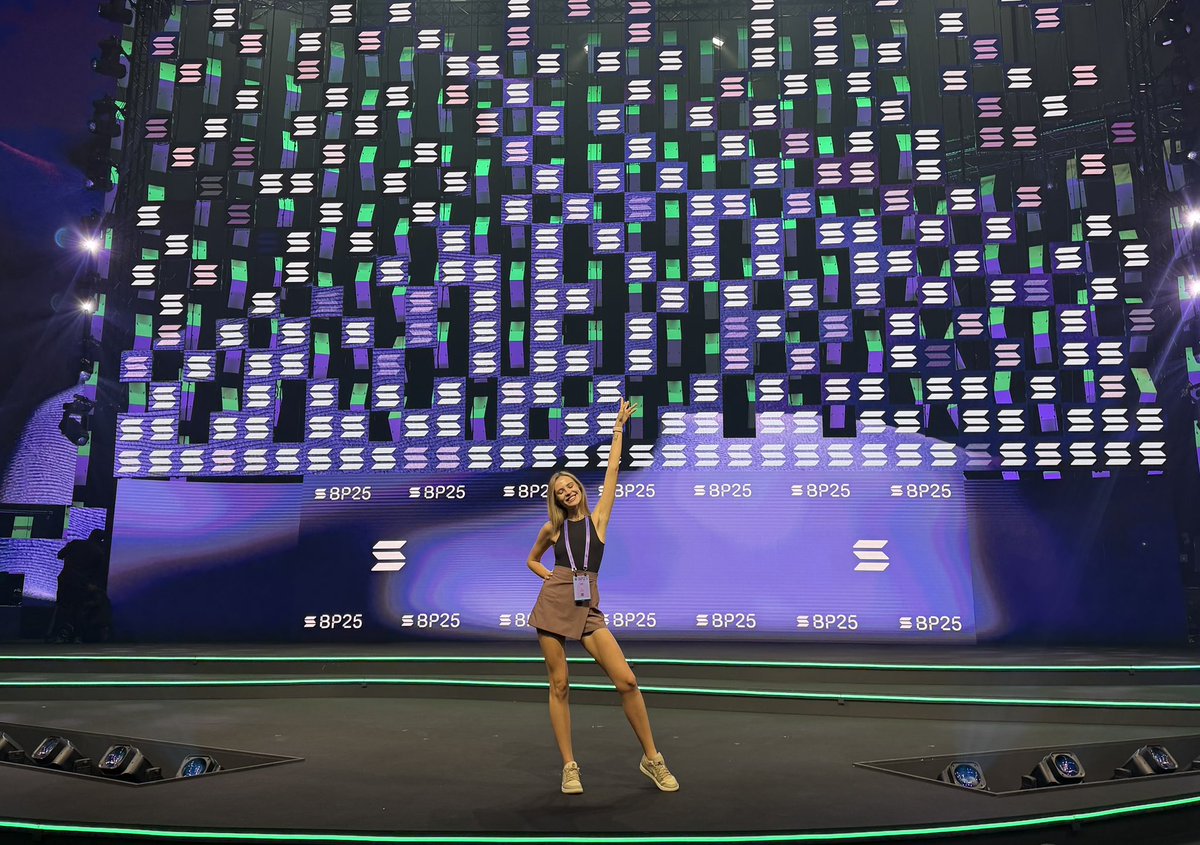
officially scouting for talent in Solana now 🥰
happy to join @SuperteamTalent and help more good people find the right opportunities across the ecosystem
if you’re building, creating, growing, or looking for your next role
you know where to find!
Superteam Talent@SuperteamTalent
III. @cryptokitty_3x Superteam UAE builder, Nomadz at heart, connecting people, places and communities across the ecosystem Community: @SuperteamAE
English

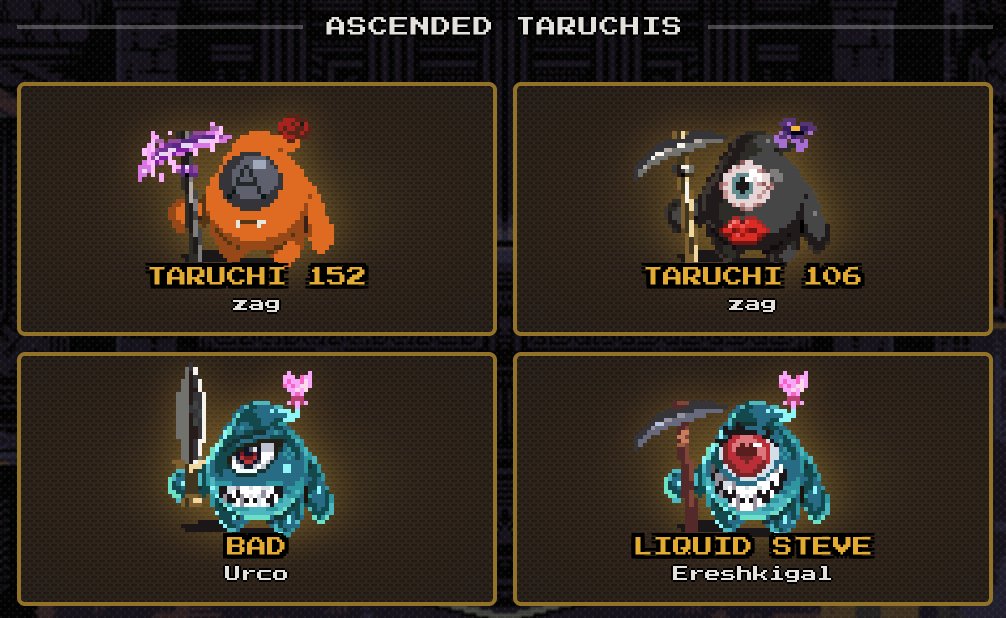
We're launching a new onchain game on @ethereum mainnet soon.
It's called Asphodel. We'll be dropping a playtest next week and the game will go to mainnet in May.
If you want to hear about it, instead of about other games shutting down, put me or @asph0d37 on notifications.
Raiden@raidenkrn
crypto games never get as much organic coverage as when they shut down and i get it, it's an easy way to farm engagement - game shutting down: 40k views - game progress, game event: 1k views people seem to only care about the death of crypto gaming those days
English
@yo_itsmatt @colosseum we lack of visibility, like a lot, would love a little help sir👋🏽
English

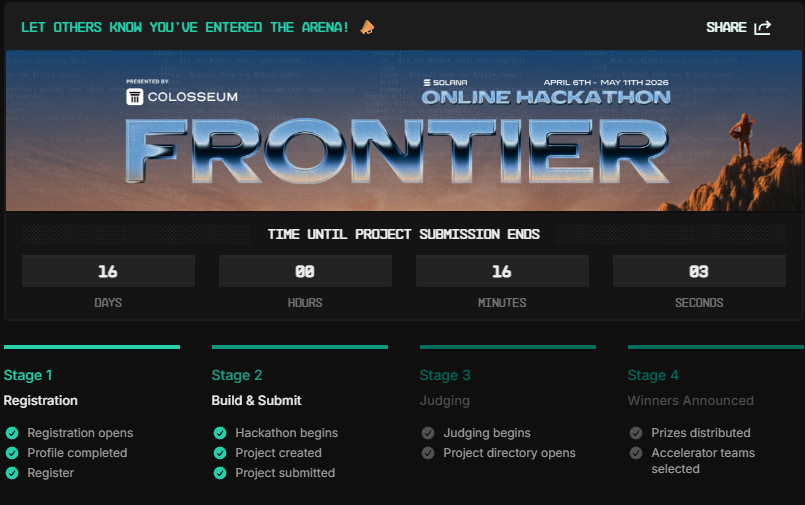
My TL is filled with high caliber projects participating in the Solana Frontier hackathon by @colosseum
If visibility is something you’re lacking, let me know what you’re building, and I’ll do my best to help you out
The bar for startups on Solana is clearly rising
English
@Aathena_eth we are building a game, that every users dreamed, how can we be so confident ? because i've been a user too.
we know exactly what users wants, no coin linked to the project, fairness on all levels, no pay to win.
follow the journey you might like it
English

let's do heart to heart!
In Web3 gaming, hype brings players in.
But hype alone never keeps them there.
We have seen it before.
- Token launches trend
- New studios appear overnight
- Narratives shift from play to earn, to AAA, to AI, to metaverse
- Communities move wherever attention goes next
That cycle is normal.
What matters is what remains after the excitement fades.
The games that last are built on fundamentals:
• Gameplay people actually enjoy
• Economies designed for purpose, not extraction
• Asset ownership with real value
• Distribution beyond crypto natives
• Incentives that reward long term engagement
Because Web3 gaming is not about launching a token.
It is about building an experience players return to, even when rewards disappear.
If your game only survives through high emissions, it was never sustainable.
Players may arrive for rewards.
But they stay for the game.

English

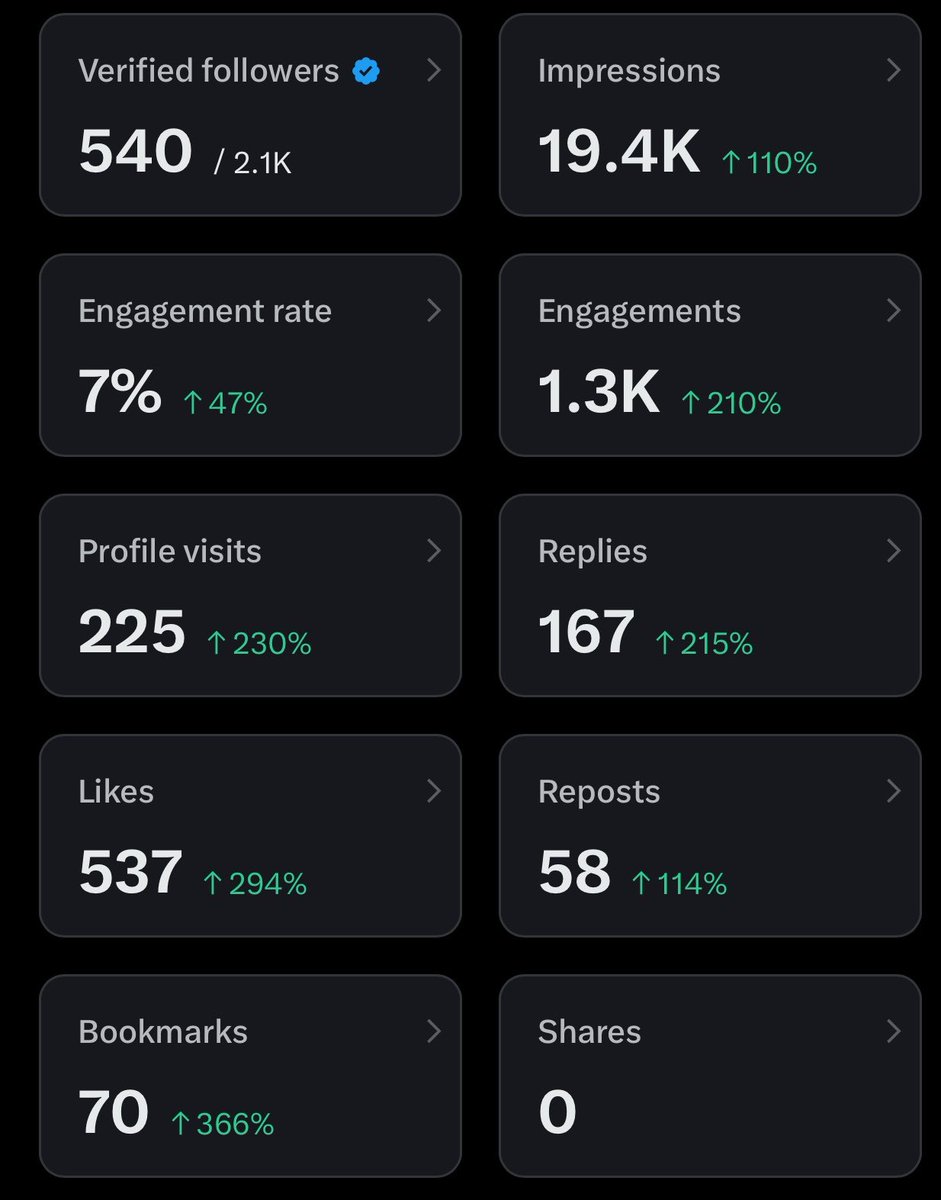
This is what I call @colosseum Frontier Hackathon effect!🤌🏽
Lets connect and grow together, $SOL builders!
You can also shill me your Colosseum projects below👇
English
Since we submitted our project to colosseum, we saw a lot of improvements, that we could make to make this game happen.
we are working on a leet-esports v2.
auction on cards, anti snipe, and a lot more features to make the game safe and playable for everyone.
hold on we are cooking
English


@HedgeEconomist that's why we choose to not do a token linked to our project, solana is enough
English

"Token-first web3 gaming looks cooked."
Strong takeaway, but I'd say it was always cooked. In the way they were usually funded, they only existed on borrowed time from the start.
Web3 games in the past mostly raised off of their in-game token, with investors expecting to realize gains at multiples. The investors never cared about equity in the company or revenue.
This created a large debt overhang that needed to be realized through selling tokens after the game or token launched. The design was structured to crush the game economy, regardless of a lack of fundamentals. The problem: not only did every game have to be fun and have sound economic design, but it had to have essentially parabolic user growth to overcome this from the beginning.
This is why our in-game token is not a part of our investment contracts. Investors primarily invested in our companies equity because they were interested in us long-term. This wasn't easy by any means, and maybe someday we'll talk about how many hundreds of meetings we had to do to find the right partners who respected our vision. We could have closed our round within a few weeks if we just were willing to give up 30% of the token supply. From this experience we quickly realized why so many games had terrible token design.
An sure we could have launched tokens or assets early before our game was ready any time over almost 5 years like many others, raising funds off of the community. There were any number of hype waves that we could have taken advantage of. But we knew it wouldn't be the best way to launch the game we wanted or the sustainable economy we've carefully planned to create over the years.
"The first era of web3 gaming tried to financialize fun before proving the fun existed."
Would agree, but what people don't seem to discuss in this space is how difficult it is to get people to post about or try your game if there are no live assets, no tokens, no points program, and no promises of massive airdrops.
Yeah its just a game, I think its fun but yeah I'm also biased as fuck. If you don't think its fun, come tell us why and we'll make it better.
We've always wanted to do this the right way, the way that's the best for our players.
Sam Steffanina@SamSteffanina
Gaming went from 62.5% of all web3 venture investment in 2022 to single digits by 2025. But Web3 gaming didn’t fail because crypto crashed. It didn't help, but that’s the lazy explanation. Multiple capital structures broke at the same time: 1. VC-funded studios. 2. Retail NFT mints plummeted 3. P2E guilds got crushed 4. Metaverse everything was valueless 5. Telegram tap-to-earn funnels. All of them relied on the same assumption: Rapid growth (demand) would arrive before durable gameplay demand. It didn’t. The numbers are brutal: of $12B-$15B that flowed into blockchain gaming between 2020 and early 2026, the report estimates ~$11B of that is gone. 93% of GameFi projects are classified as effectively dead. The average GameFi token is down ~95% from all-time highs. Quarterly VC funding to web3 game studios fell from $1.6B in Q1 2022 to ~$18M in Q2 2025. 300+ gaming dApps went inactive in Q2 2025 alone. And the case studies tell the same story: @Pixelmon raised $70M from an NFT mint before shipping a public game (they were later bought out by good leadership and have made some interesting things). @hamster_kombat reportedly went climbed to 300M users (a massive amount of bots, surely, but still insane) to 12M in six months. @AxieInfinity went from 2.8M daily active users at peak to around 100K. Off the Grid is probably the most interesting test case. It had $100M+ raised, Call of Duty talent, Neill Blomkamp involved, major streamers, and 14M self-reported lifetime users... But the report says it still struggled to break ~15K concurrent players on Steam, and now they are being accused of not paying contractors, Node investors have gotten washed (me included) and the token hasn't been a success either. That matters because OTG is not a random Discord server with a JPEG project. It is one of the closest things web3 gaming has had to a serious mainstream swing. So the issue is not one bad game... it's an entire funding model that encouraged projects to (aggressively) monetize ownership before they earned attention. That said, I don’t think the takeaway is “blockchain can never work in games.” The better takeaway: Token-first web3 gaming looks cooked. Blockchain-as-invisible-infrastructure still has a shot, but it is much smaller and way less sexy than the 2021 pitch deck promised. Quality web3 titles are reportedly seeing 35%-45% monthly retention, close to web2 benchmarks of 40%-50%. @PlayCambria has processed $150M+ in PvP wagers with 4,500 concurrent players. @pixels_online has shown steadier engagement with a lower-overhead model. Web2.5 studios are moving toward stablecoins, invisible wallets, and blockchain as backend infrastructure instead of making the token the main character. That is probably the healthier path. Players do not want to be “onboarded into an ecosystem.” They want a good game. If ownership, trading, or payments make the game better, great. If those things are the game... you should probably just trade perps or prediction markets instead. The first era of web3 gaming tried to financialize fun before proving the fun existed. The next era, if it exists, has to reverse the order: Build games people want to play. Use blockchain only where it improves the experience. Stop treating token liquidity like product-market fit. Let me leave you with one more important piece of context. - Only ~20% of all published video games ever make any profit. - 70% of indie games never break even. - The top 10% of games generate around 90% of total industry revenue. Games are hard with or without blockchain.
English

@GamingBigBrain we try to explain this everyday, one day it will work !
users are just not use to control everything they own, but it will come
English

There's a massive wall between crypto and gaming, and games are the only way to break it.
Web2 brought online play, esports, streaming.
Web3 can make players owners of the games they play.
Make games worth playing, then don't give tokens to players, give them power.
English

2 more days to register your team.
40 USDC prize pool
app.leet-esports.xyz/shop
shop your -60% discounted card right now
#cs2 #cards #collectibles #nfts #solana #esports

English