Rakin

12.9K posts

Rakin banner
Rakin

Rakin

@RakinKh

Join me on Substack for long-form writing and deeper intellectual discussions (link below).

Se unió Mart 2022
974 Siguiendo1.1K Seguidores
Tweet fijado
Rakin
Rakin@RakinKh·
7 sentences that will save you 7 years of stress: 1-Don't take advice from people you wouldn't trade lives with. 2-You suffer more in your imagination than in reality. 3-If you can't say "No," your "Yes" means nothing. 4-Comparison is the thief of joy. 5-Your network is your net worth. 6-Hard choices now = easy life later. Easy choices now = hard life later. 7-The best time to start was yesterday. The second best time is now.
English

5
2
20
1.3K
Rakin retuiteado
Matthew Yglesias
Matthew Yglesias@mattyglesias·
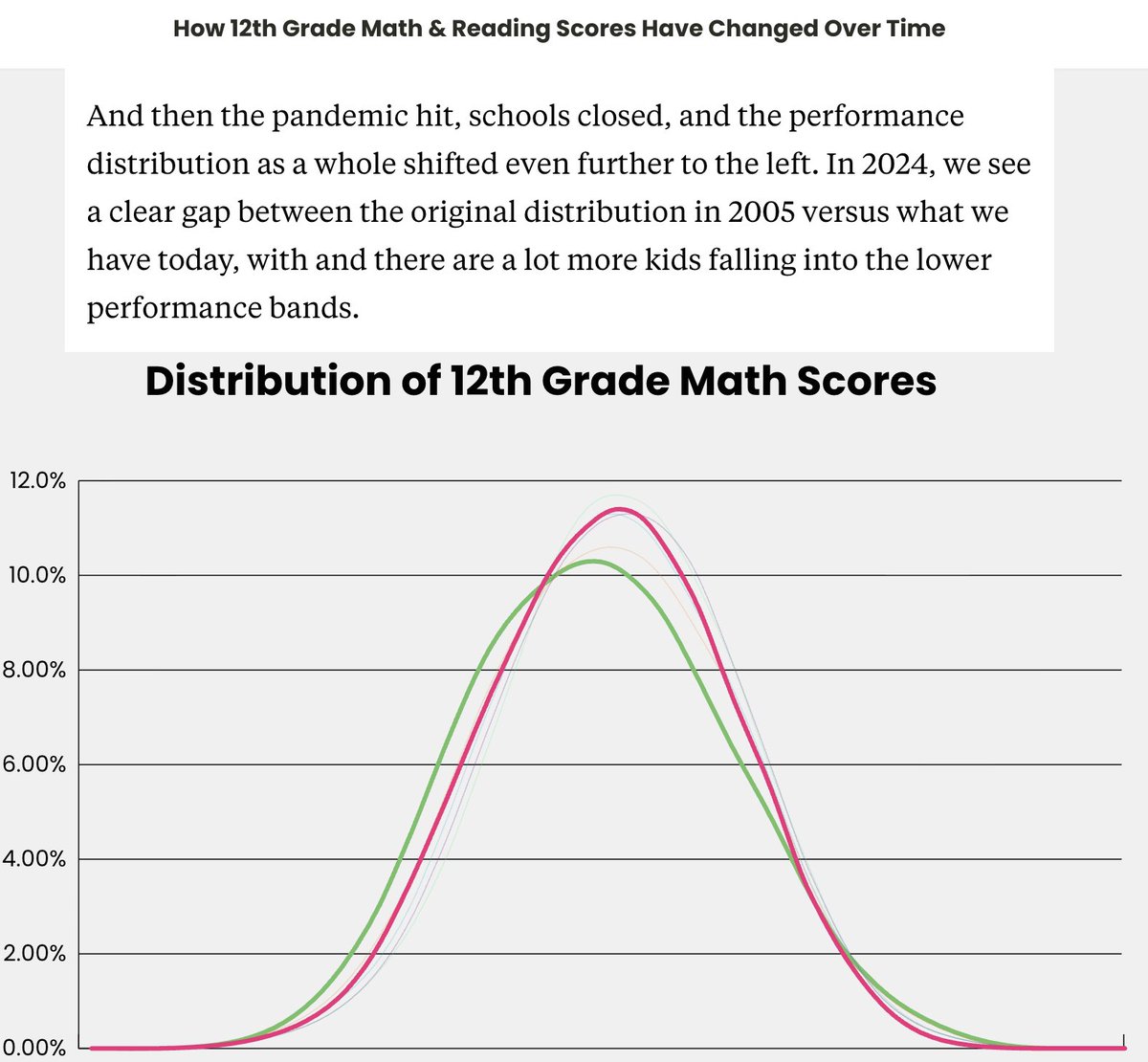
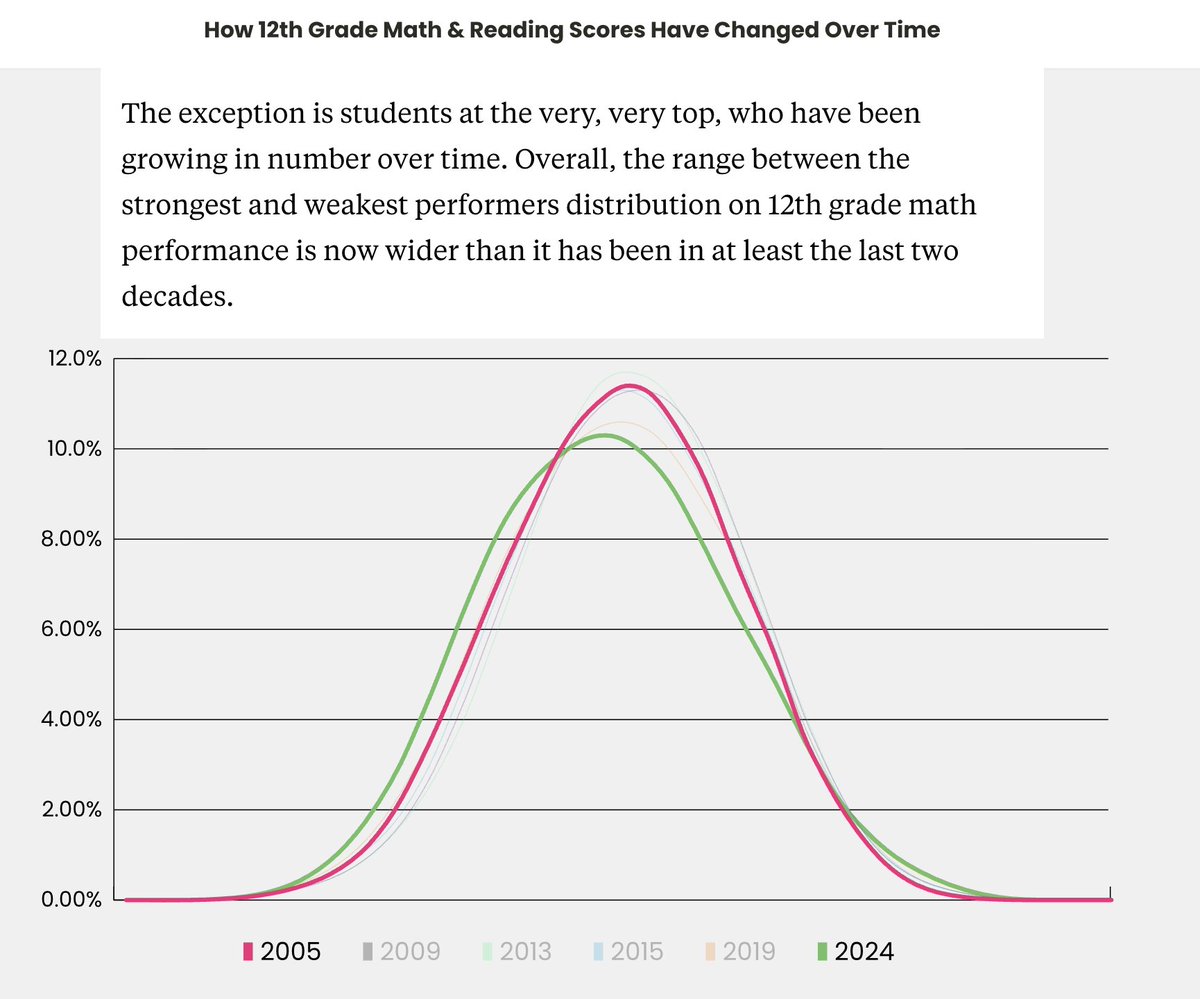
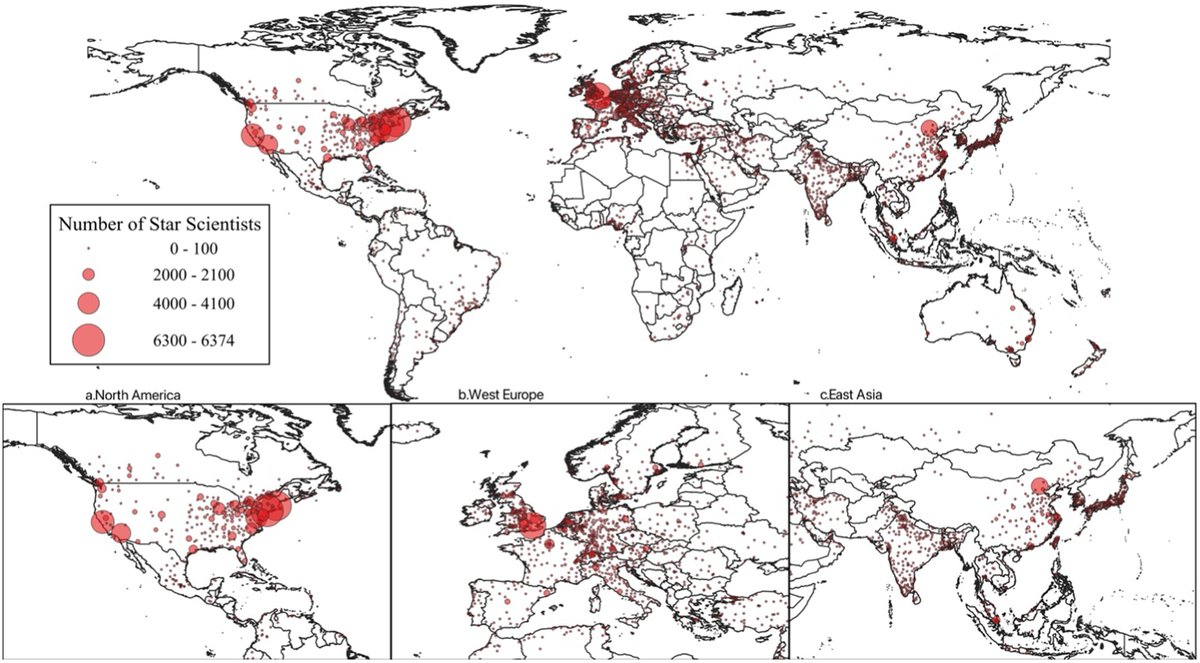
I feel like nobody knows this but American math performance at the very top end has actually gotten better even while everyone else has gotten worse. the74million.org/article/how-12…
Matthew Yglesias tweet mediaMatthew Yglesias tweet media
English
22
34
357
27.9K
Rakin retuiteado
Simon Mahan
Simon Mahan@SimonMahan·
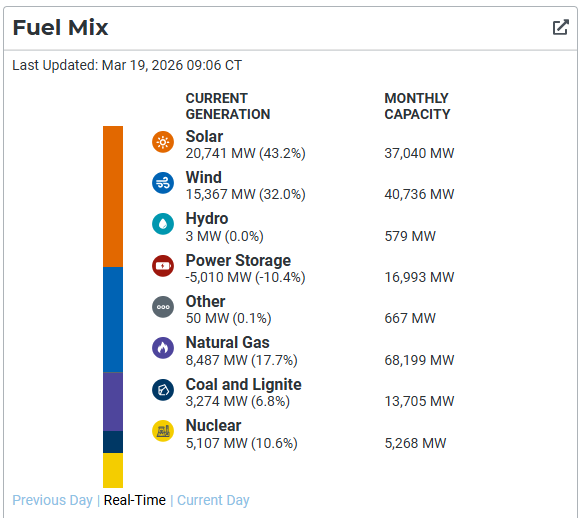
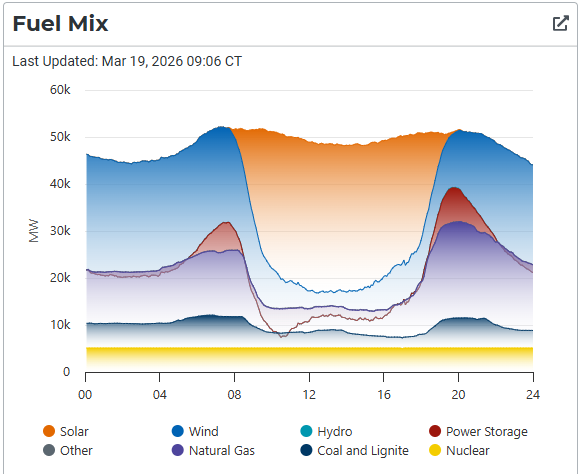
The world is changing right in front of us and no one knows it. Texas is running its world-class economy on 70% renewables, right now. Gas is there if we need it, but for today, we can save the fuel for another day.
Simon Mahan tweet mediaSimon Mahan tweet media
English
73
303
2.2K
83.4K
Satyaki Roy
Satyaki Roy@Satyaki_R·
Have you noticed something? Iran is the only country where the top people die first in war. In every other country the leaders and generals sit in luxury and send jawans to slaughter.
Al Jazeera English@AJEnglish

Iran’s FM Abbas Araghchi is pushing back after the killings of top officials Ali Larijani and Basij commander Gholamreza Soleimani, saying the Islamic Republic is built to withstand shocks and no single figure can destabilise the system. Full interview ➡️ aje.news/iranfm

English
867
8.4K
31.4K
795.4K
Rakin retuiteado
NBC News
NBC News@NBCNews·
A generation ago, Poland rationed sugar and flour while its citizens were paid one-tenth what West Germans earned. Today its economy has edged past Switzerland to become the world’s 20th largest with over $1 trillion in annual output. nbcnews.com/business/econo…
English
461
1.6K
10.5K
2.6M
Rakin retuiteado
Brandon Luu, MD
Brandon Luu, MD@BrandonLuuMD·
Students who took notes by hand scored ~28% higher on conceptual questions than laptop note-takers. Writing forces your brain to process and compress ideas instead of copying them.
Brandon Luu, MD tweet media
English
446
5.2K
24.5K
1.5M
Rakin retuiteado
Simon Kuestenmacher
Simon Kuestenmacher@simongerman600·
This website visualizes the 100,000 most popular Wikipedia articles as skyscrapers. I struggle to explain why but it is great fun. Have a guess what the most read article was in the last year! Source: wikicity.app
Simon Kuestenmacher tweet media
English
10
147
2.2K
181.7K
Rakin retuiteado
Soutik Biswas
Soutik Biswas@soutikBBC·
‘India is like three countries stacked in an economic ladder: 25m live in ‘Australia’-like affluence, ~200m in a ‘Philippines’-style service economy, while the rest struggle in conditions closer to sub-Saharan ‘Africa’. bloomberg.com/opinion/articl…
English
92
895
4.8K
258.4K
Rakin retuiteado
Rohit Shinde
Rohit Shinde@rohitshinde121·
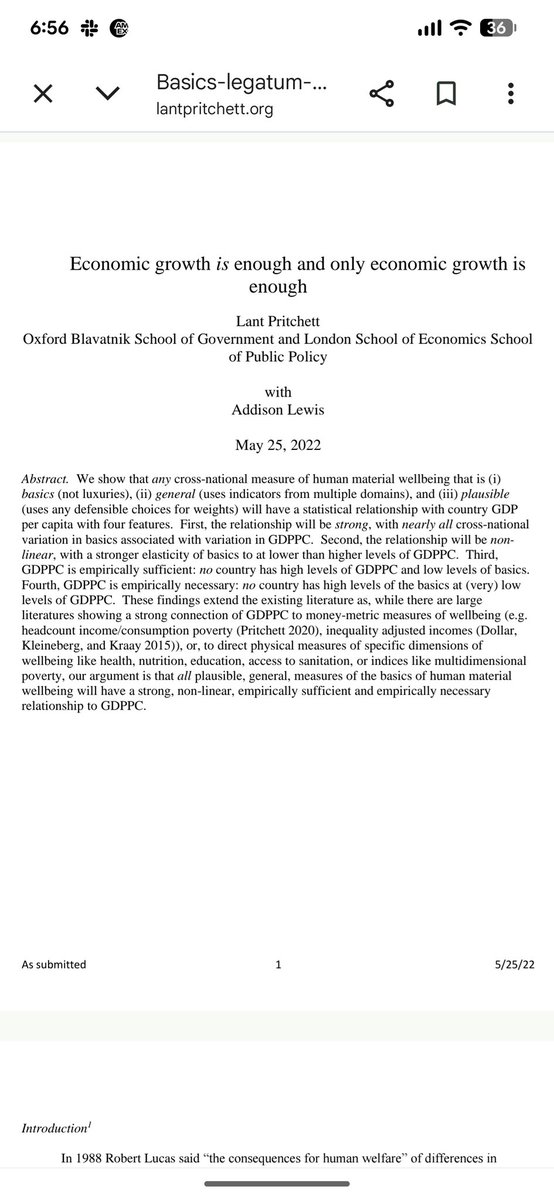
At this point, I am just going to repeat Lant Pritchett like a broken record. Economic growth is enough and only economic growth is enough. Banerjee is a Nobel winning economist and I don't disagree lightly.
Rohit Shinde tweet media
Pramod P@Pramodph2019

With all due respect, if there is one metric that matters, it would be economic growth. India's example on growth and poverty reduction is a case in point. Barely 10% reduction in poverty from 50s till early 90s and near elimination of extreme poverty in the subsequent 30years.

English
12
99
576
67.4K
Rakin retuiteado
Jesús Fernández-Villaverde
Jesús Fernández-Villaverde@JesusFerna7026·
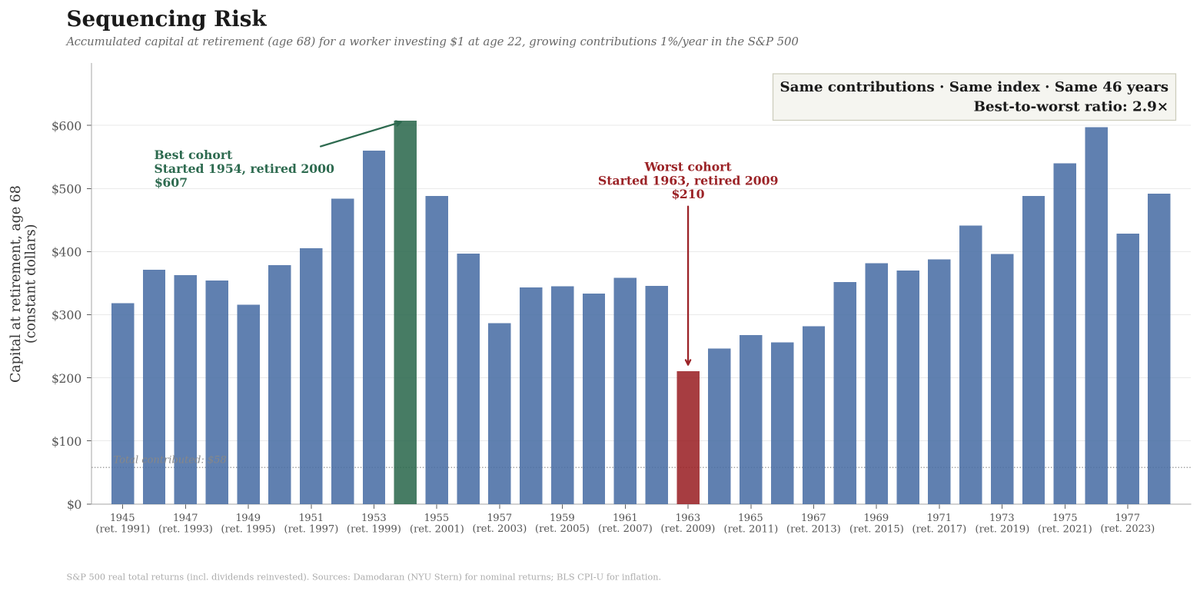
I am always amazed that most people saving for retirement (or designing optimal Social Security systems) rarely take sequencing risk seriously. Simply put, sequencing risk is the risk associated with the order in which returns arrive over one’s lifetime. Sequencing risk hits you twice: while you are working and accumulating wealth, and again while you are retired and drawing it down. Today, I will focus on the first part. The retirement phase warrants its own discussion, and I will address it in a subsequent post. Let me walk you through an exercise I ran yesterday using actual historical U.S. stock market data from the past 80 years to illustrate how important sequencing risk is. I took the annual total returns of the S&P 500 (including reinvested dividends) from 1945 to 2024. The source is the dataset maintained by Aswath Damodaran at NYU Stern, a standard reference for long-run U.S. equity returns. I then deflated each year’s nominal return by the CPI-U inflation rate published by the Bureau of Labor Statistics to obtain real total returns, i.e., returns in constant purchasing power. Over this 80-year period, the S&P 500 delivered a geometric mean real total return of about 7.5% per year. That is an impressive number. But this average return masks a lot. Imagine a worker who starts investing at age 22 and retires at age 68. That gives them 46 years of contributions. In their first year, they contribute $1. Each subsequent year, they increase their contribution by 1% (roughly keeping pace with real wage growth). Every dollar is invested in the S&P 500. They never touch the money until retirement. No panic selling, no market timing, no strategy switching (and no management fees!). Textbook investing and waiting. I ran this exercise for every possible cohort for which the data allow. The first cohort starts investing in 1945 and retires in 1991. The second starts in 1946 and retires in 1992. And so on, all the way to the last cohort, which starts in 1978 and retires in 2024. This yields 34 cohorts, each investing for 46 years, making the same contributions and investing in the same index. The only difference among them is which 46-year slice of historical returns they happen to live through. The most fortunate cohort, the one that started investing in 1954 and retired in 2000, had $607 on the day of retirement (remember, all in real terms), with a real annual return of 8.82%. The unluckiest cohort, the one that started in 1963 and retired in 2009, accumulated $210, with a real annual return of 4.83%. Same contributions. Same index. Same strategy. Same investment horizon. Yet the luckiest retiree ended up with 2.9 times more wealth than the unluckiest. Why? The 1954 cohort had a spectacular final decade. The late 1990s delivered some of the best equity returns in American history, and those returns compounded on a large portfolio built over decades. They retired at the peak, at the end of 1999, before the dot-com crash. The 1963 cohort was not so fortunate. They spent their last working years running straight into the 2008 financial crisis. The S&P 500 lost over 36% in real terms in 2008 alone. That loss hit their portfolio when it was at its largest, right before retirement, with no time left to recover. Clearly, sequencing risk is not about the average return. Both the 1954 and 1963 cohorts experienced roughly similar average returns over their 46-year periods. The difference is when the good and bad years occurred. For the 1954 cohort, the bad years came early (when the portfolio was small) and the good years came late (when the portfolio was large). For the 1963 cohort, the opposite was true. In fact, sequencing risk is even worse because poor returns in the stock market are correlated with weak labor markets: you have a much higher probability of losing your job (or seeing your wage income fall) precisely when the market is doing poorly, preventing you from saving when prices are low and equities are most attractive. However, let me set that point aside today to simplify the exposition. The standard response of the financial planning industry to sequencing risk is the so-called glide path. The idea is simple: when you are young, you hold mostly equities. As you age, you gradually shift toward bonds. By the time you are near retirement, most of your portfolio is in bonds. A common implementation is a linear rule: start with 90% in stocks at age 22 and reduce the equity share steadily until you reach 20% in stocks at age 68. This is roughly what target-date retirement funds do. The logic is sound in principle. You reduce your exposure to equities precisely when a crash would hurt you most. If 2008 happens when you are 65 and 80% of your portfolio is in bonds, the equity crash barely affects you. I applied this glide path strategy to the same 34 cohorts, using historical real returns on the S&P 500 for the equity portion and real returns on 10-year U.S. Treasury bonds (from Damodaran) for the bond portion. Each year, the portfolio is rebalanced to the glide path weights. The glide path does what it is intended to do: it reduces dispersion. The gap between the best and worst cohorts narrows from 2.9x under pure equities ($607 vs. $210) to 1.6x under the glide path ($292 vs. $178), but so does the upside. The best equity cohort (1954–2000) earned a geometric mean real return of 8.82% per year. The best glide path cohort (1975–2021) earned 6.59%. That is a 2.2 percentage point gap. Over 46 years of compounding, a 2.2 percentage-point annual yield yields an enormous difference in terminal wealth: the best glide-path outcome ($292) is less than half the best equity outcome ($607). In other words, the cost of this insurance is substantial. In fact, the median cohort ends up meaningfully poorer under the glide path than under 100% equities. You are not trimming a bit of upside. You are forgoing a substantial share of your expected wealth at retirement. This should not be surprising. Over the long run, equities have outperformed bonds by a wide margin. The equity risk premium is one of the most robust facts in finance. Every year you shift a dollar from stocks to bonds, you accept a lower expected return. Do this for 25 years of your career (roughly the back half, when the glide path has you increasingly in bonds), and the cumulative cost from foregone compounding is very large. But the part that makes me most uncomfortable with the standard glide path advice is that bonds are not safe. People hear “bonds” and think “safe.” They are not. Bonds carry two risks that are easy to forget when inflation is low and interest rates are stable. The first is inflation risk. A conventional bond pays you a fixed nominal coupon (yes, there are TIPS and similar instruments, but they have their own problems, so let me skip them for today). If inflation rises above the market’s expectations when the bond was issued, the real value of those payments declines. The cohorts that retired through the 1970s learned this the hard way. In the data, the real return on 10-year Treasuries was negative in multiple years during the 1970s. The second is interest rate risk. When interest rates rise, the market value of existing bonds declines. The longer the maturity of your bond, the larger the hit. In 2022, the Bloomberg U.S. Aggregate Bond Index declined by approximately 19% in real terms. If you were 65 and had just shifted most of your portfolio into bonds following the standard glide path advice, you would have lost nearly a fifth of your “safe” allocation in a single year. And here is the real sting of 2022: equities fell, too. The S&P 500 lost about 24.5% in real terms that year. The glide path assumes bonds will be there to cushion you when stocks fall. In 2022, both fell together. The cushion was not there. This is not some once-in-a-century event. Stocks and bonds have moved in the same direction before: the 1940s, the 1970s, and in 2022. The negative correlation between stocks and bonds that many investors take for granted is a feature of the disinflationary period from roughly 1982 to 2020. It is not a law of nature. Let me be clear: I am not saying the glide path is wrong. For many people, it is the right choice. If a 30% equity crash near retirement would force you to sell assets at the worst possible time to cover living expenses, the insurance is worth paying for. However, you should know what you are paying. The glide path (or variations of it that I am skipping in the interest of space) is not free. It entails substantial costs in expected returns. Worse, the insurance itself can fail. Bonds can lose money in real terms for extended periods. Bonds can fall at the same time as equities. The glide path reduces sequencing risk. It does not eliminate it. It also introduces risks of its own. The deeper lesson from this exercise is that a substantial part of your retirement outcome depends on when you are born. You can do everything right (save diligently from your first paycheck, invest consistently, stay the course through every crash, never panic sell) and still end up with vastly different results than someone who did the same thing a decade earlier or later. The 1963 cohort did nothing wrong. They just had the misfortune of turning 68 in 2009. No allocation strategy eliminates this. Even under the glide path, the best cohort ends up with substantially more than the worst. Sequencing risk is, to a significant extent, a matter of luck. Next time: what happens when sequencing risk hits you in retirement, when you are drawing down instead of building up. The math there is, if anything, even more unforgiving.
Jesús Fernández-Villaverde tweet media
English
96
182
1.1K
198.5K
Rakin retuiteado
David Bergman
David Bergman@TheDavidBergman·
Tarique Rahman will be the first MALE prime minister, in Bangladesh in 35 years. Not many countries can say that!
English

54
632
5.7K
254.2K
Rakin retuiteado
Rutger Bregman
Rutger Bregman@rcbregman·
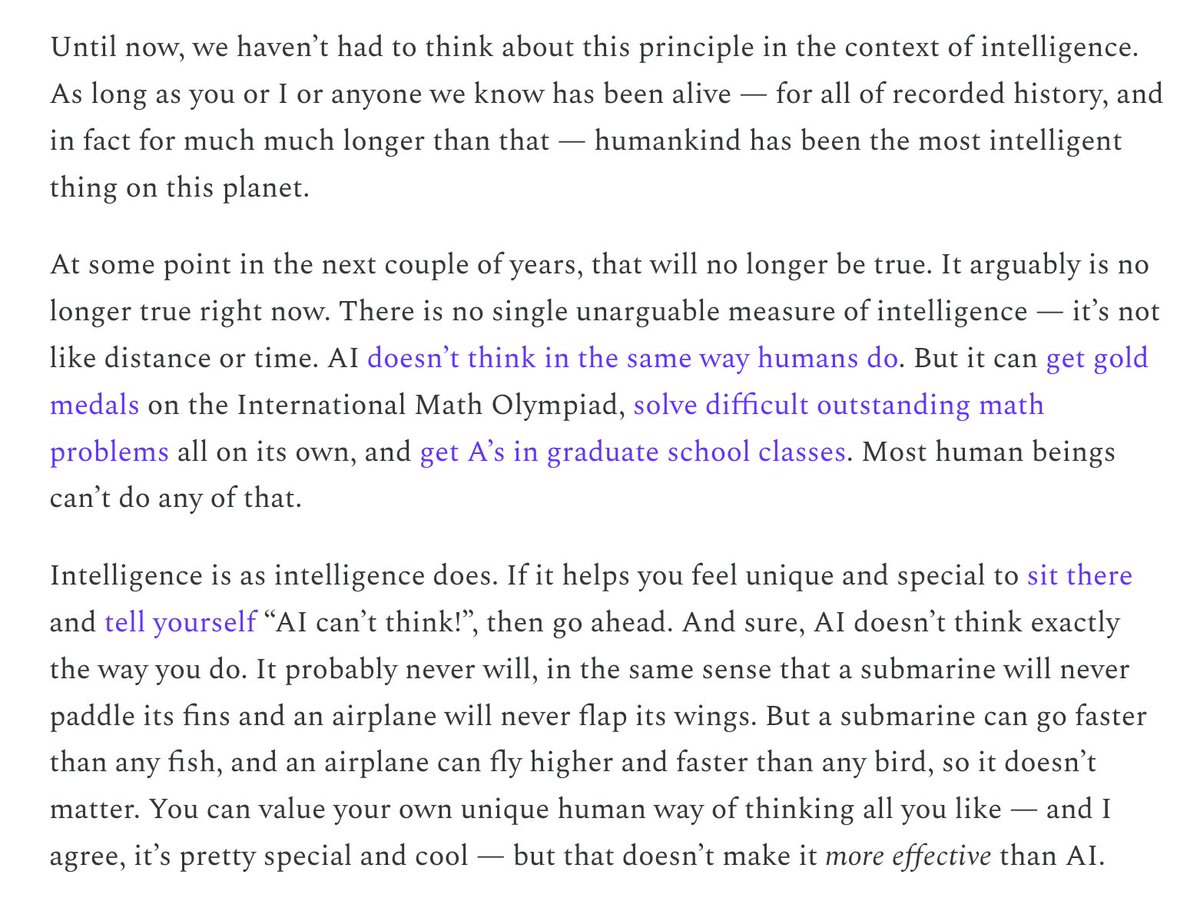
Noah Smith 3 years ago on AI: 'It's just a chatbot, dude.' Noah Smith now: 'You are no longer the smartest type of thing on Earth.' (Not sharing this to dunk on @Noahpinion - he's one of my favorite bloggers and I shared his skepticism - but to highlight how fast everything is changing.)
Rutger Bregman tweet mediaRutger Bregman tweet media
English

50
40
465
90.1K
Wide Awake Media
Wide Awake Media@wideawake_media·
Ben Shapiro claims the Epstein files rank "pretty close to zero" on America's list of priorities.
English
810
139
1.1K
3.8M
Rakin retuiteado
Jaynit
Jaynit@jaynitx·
>be Masayoshi Son >born 1957 in Tosu, Japan >ethnically Korean >family lives in a shack on an illegal pig farm >no running water >collect scraps to feed the pigs >use a fake Japanese name because Koreans are discriminated against >called "dirty" by classmates >grandmother tells you: "you're special, you'll do great things" >you believe her 1970s: >read a book about Den Fujita >the guy who brought McDonald's to Japan >cold call him until he agrees to meet you >you're 16 >ask him: "what should I study?" >Fujita: "computers, they're the future" >you listen 1974: >convince your parents to let you go to America >move to California alone at 16 >barely speak English >enroll in high school >graduate in 3 weeks >not a typo UC Berkeley: >study economics and computer science >invent a pocket translator >sell the patent to Sharp for $1.7 million >you're 19 >first million: unlocked 1981: >go back to Japan >start SoftBank >software distribution >two part-time employees >first day, stand on an apple crate >give a speech declaring you'll be a $1 billion company in 5 years >they think you're insane >they both quit 1982: >get hepatitis >doctors say you might die >spend 3 years in and out of hospitals >run the company from your hospital bed >nearly go bankrupt >survive both 1990s: >SoftBank becomes Japan's largest software distributor >take it public in 1994 >valuation: $3 billion >start making bigger bets 1995: >meet Jerry Yang >he started a website called Yahoo >invest $100 million for 33% >everyone says you're crazy >the internet is a fad >Yahoo IPOs >your stake: worth billions >first legendary bet 1999: >meet a weird Chinese guy in Beijing >English teacher, couldn't get a job anywhere >started something called Alibaba >18 employees in an apartment >you talk for 5 minutes >invest $20 million >he didn't even ask for money >his name is Jack Ma 2000: >dot-com bubble pops >your portfolio explodes >not in the good way >lose $70 billion in 12 months >the largest personal financial loss in human history >stock down 99% from peak >media writes your obituary >"Masayoshi Son is finished" but: >you still own Yahoo Japan >you still own Alibaba >everyone tells you to sell >you hold tighter 2006: >buy Vodafone Japan for $15 billion >everyone says you overpaid >bring the iPhone to Japan exclusively >it explodes >back from the dead 2014: >Alibaba goes public >biggest IPO in history >your $20 million investment? >worth $50 billion >5,000x return >the greatest venture investment ever made >you held for 15 years >everyone told you to sell >you didn't 2016: >meet Saudi Crown Prince MBS >pitch him your vision: AI will change everything >45-minute meeting >he commits $45 billion >you launch the Vision Fund >$100 billion total >the largest investment fund in history the portfolio: >Uber: $7.7 billion >WeWork: $10.6 billion >DoorDash, ByteDance, ARM >hundreds more >spray and pray at scale 2019: >WeWork implodes >IPO collapses >your $10 billion nearly worthless >you go on stage mocking yourself as "foolish" >Vision Fund reports $17 billion loss in one quarter the thesis: >AI is coming >it will touch every industry >whoever owns the AI platforms wins >so buy everything >every category, every leader, every continent >own the future 2024-2025: >AI explodes >your thesis looks prescient >ARM IPOs at $65 billion >you own 90% >announce $100 billion for AI chips >you're 67 >not slowing down what's undeniable: >Yahoo: 1,000x+ return >Alibaba: 5,000x return >ARM: probably 3-5x and growing >three of the best investments in history >all one guy the pattern: >make huge bets >look like a genius when they work >look like a fool when they don't >never stop betting >never hedge >never diversify emotionally from a shack on a pig farm >to the richest man on earth (briefly) >to losing $70 billion >to comeback after comeback 300-year plan. infinite resilience. one insane bet at a time.
Jaynit tweet media
English
91
754
6.3K
470K
Rakin retuiteado
Rob Freund
Rob Freund@RobertFreundLaw·
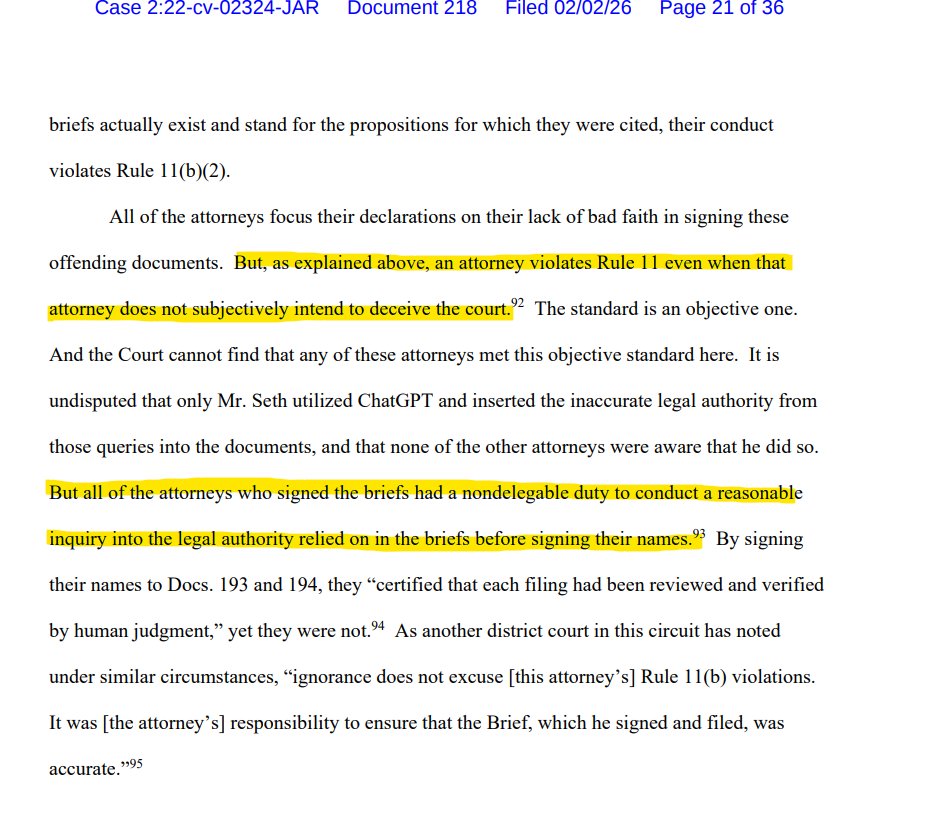
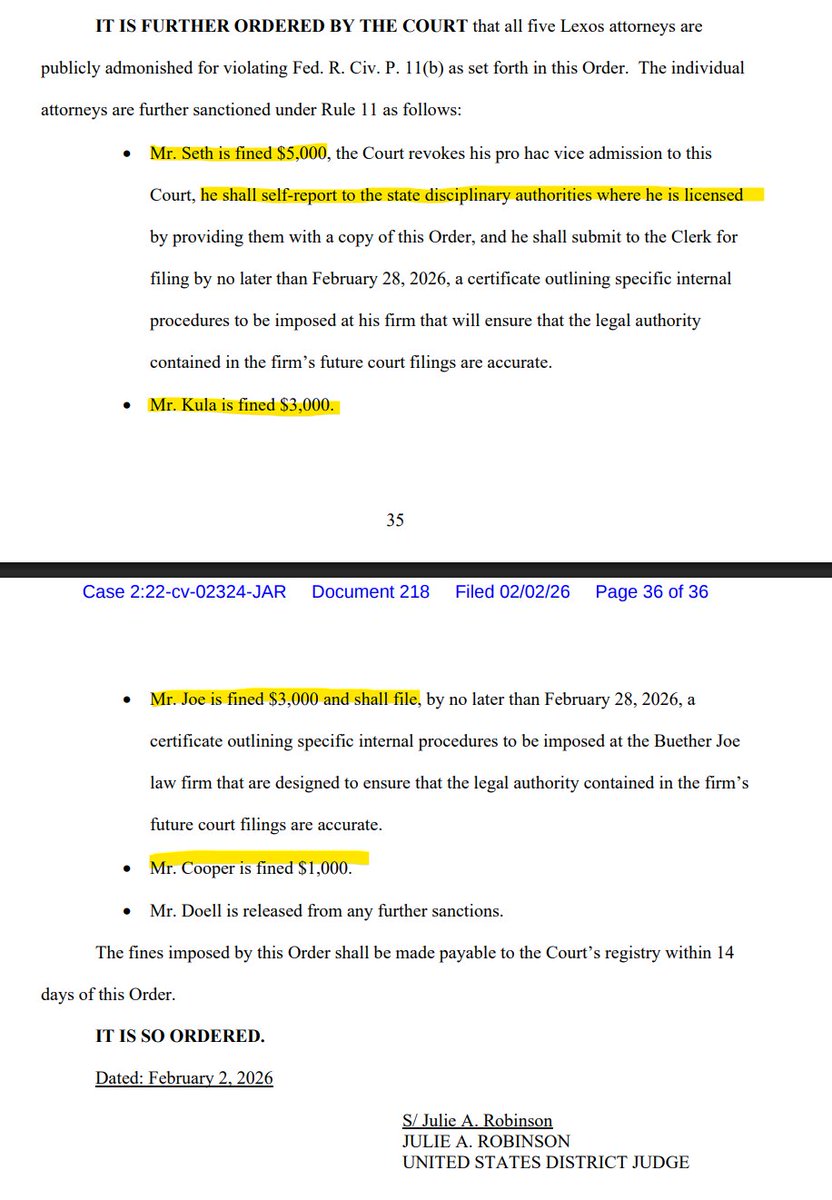
Lawyer uses ChatGPT to help write a brief, ChatGPT hallucinates cases and quotations. Court sanctions lawyer and 4 co-counsel (for not catching the errors). The lawyer who used ChatGPT "has practiced for over thirty years." He prompted ChatGPT: "write an order that denies the motion to strike with caselaw support ...." He told the court that he normally doesn't use ChatGPT and used it this time because he was caring for his dying family members. He said none of his co-counsel were aware of this use of generative AI. Court says that because "all five ... attorneys signed both documents that included these errors, and they admit that not one of them verified that the case law in those briefs actually exist ..., their conduct violates Rule 11(b)(2).
Rob Freund tweet mediaRob Freund tweet media
English
280
1.3K
11.5K
1.7M