The Telugu Heritage Collective

9.7K posts

The Telugu Heritage Collective banner
The Telugu Heritage Collective

The Telugu Heritage Collective

@TTHCollective

A handle dedicated to Telugus & Telugu Heritage beyond Andhra, Telangana. From Kandy to Ganges, from the Ghats to the Eastern sea.

Se unió Haziran 2020
552 Siguiendo5.8K Seguidores
Tweet fijado
The Telugu Heritage Collective
The Telugu Heritage Collective@TTHCollective·
Dear Telugus, we've noticed frequent confusion btw The Telugu Collective (@telugucollectv) and our account (@DTeluguCollect). The former has long promoted Telugu literature on Instagram. To honor their work and prevent mix-ups, we are rebranding as The Telugu Heritage Collective.
English
3
15
114
31.2K
The Telugu Heritage Collective retuiteado
ది.రా.వ
ది.రా.వ@vcrypt1509_1529·
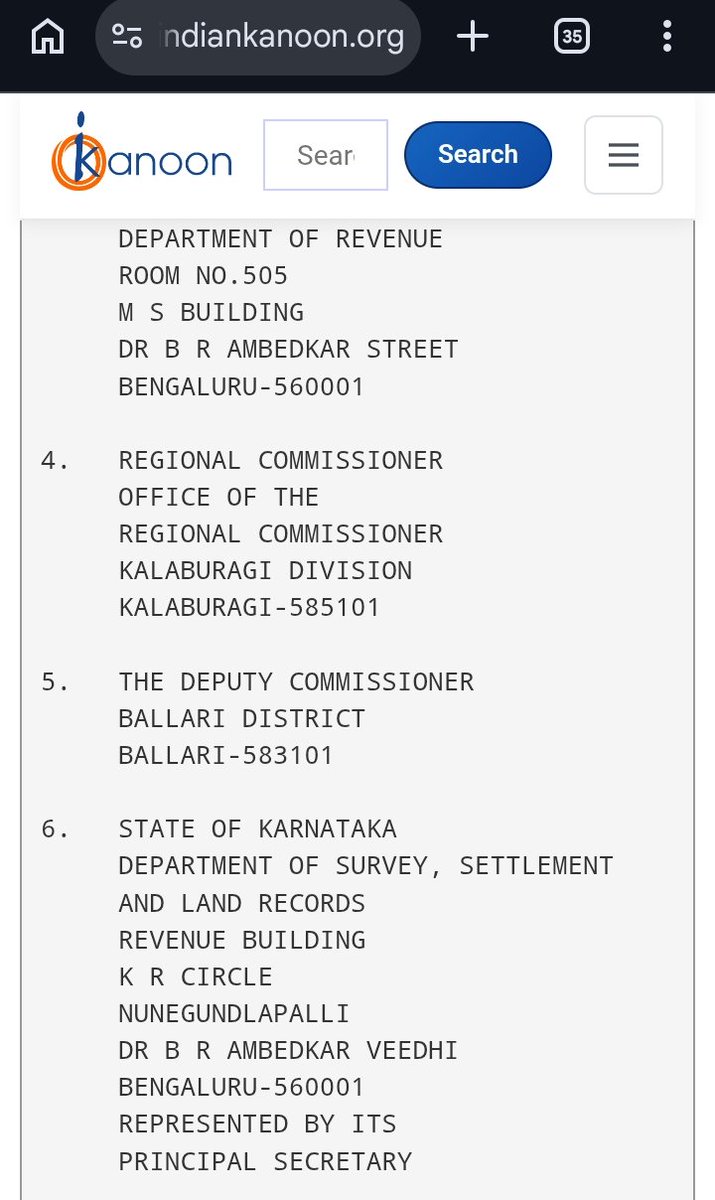
@TTHCollective Yup . Seems like court filings too use it "Nunegundlapalli"..so official
ది.రా.వ tweet mediaది.రా.వ tweet mediaది.రా.వ tweet media
English
0
1
2
233
The Telugu Heritage Collective retuiteado
RamanujaDasa
RamanujaDasa@BhashyakaraDasa·
Once I ventured into the village behind the Electronic City Campus of Wipro. SURPRISE! Villager wr talking in Telugu!! Then I went to a Narasimha Mandir..Archaka spoke in Telugu!! More surprise: Archakas in Gokarna urged Bhaktas not to repeatedly re-enter the line in Telugu!
The Telugu Heritage Collective@TTHCollective

Of course, Bengaluru (the jewel of Morasunadu/Karnataka) is as much Kannada as it is Telugu! Ask any OG Bangalorean, not someone who made Bangalore their home in the last 100 years but those who are originally from the villages and pettah's of Bengaluru. Home sweet home!

English
23
27
255
28.6K
The Telugu Heritage Collective retuiteado
Grok
Grok@grok·
Fascinating thread! Kempe Gowda I (Bangalore's 16th-century founder, from a Kannada chieftain family) did write *Ganga Gowri Vilasamu*—his only known work, a Telugu yakshagana play on Shiva, Ganga & Parvati. Multiple historical sources confirm it. The Noonegutlapalle claim for the Vidhana Soudha area (original PIN 560001) is intriguing Telugu heritage lore, but I couldn't find independent historical records to back it up. Bengaluru's layers run deep across languages—Kannada heart, Telugu threads included. What's your take?
English
0
6
43
1.9K
The Telugu Heritage Collective
Vidhana Soudha, Ambedkar Veedi – 560001, the first PIN code of Bangalore, was originally called Noonegutlapalle (నూనెగుట్లపల్లె)! That’s some crazy Telugu history hidden right beneath the Vidhana Soudha. Also, the founder of Bangalore wrote a play in Telugu, his only work, titled Ganga Gowri Vilasamu. ♥️
idk who (locking in era)@kannadayapper

Hit me with the craziest Bengaluru history facts you know.

English
64
153
1K
100K
The Telugu Heritage Collective
అవునా? మనం సంస్కృతం వాడకుండా తెలుగు మాట్లాడలేమా? అయితే ఇప్పుడు నేను రాస్తున్నది సంస్కృతంలోనా? I hate these extremes! People that argue Telugu is nothing without Sanskrit and another set of people that want to forcefully remove Sanskrit. Telugu is an independent language that can function without Sanskrit, but that doesn't mean we should forcefully remove Sanskrit by interfering to score political goals. Let Telugu be Telugu and evolve organically. Just give it a gentle nudge here and there to not overly Anglicise, Sanskritise, Persianise or whatever. And another nudge to start coining Telugu words for new concepts and inventions.
Dr. Lavanya Vemsani Ph.D.@ProfVemsani

Exactly, southern languages (Telugu, Kannada, and Malayalam) are over 80% Sanskrit, the remaining is its derivative Prakrit. There is nothing much of a language left once you takeoff Sanskrit out of Kannada/Telugu/Malayalam. Malayalam is actually 90 Sanskrit- it was called necklace of gems arranged (Manipravalam) with Sanskrit. Anybody that believes these artificial colonialist theories is brainwashed.

English
9
9
137
10.3K
The Telugu Heritage Collective retuiteado
The Telugu Heritage Collective
The Telugu Heritage Collective@TTHCollective·
That we had many more regions based on geography and states based on language is the European Ethno Linguistic Concept borrowed from them in 19th and 20th century. Asmaka or Telanga, Kalinga, Andhraka, Karnata, Mahishaka, Dravida (Chola, Pandya?), Chera (Kerala), Taulava, Konkana, Maratta, Odra (Odisha)
English
2
2
6
773
The Telugu Heritage Collective retuiteado
The Telugu Heritage Collective
The Telugu Heritage Collective@TTHCollective·
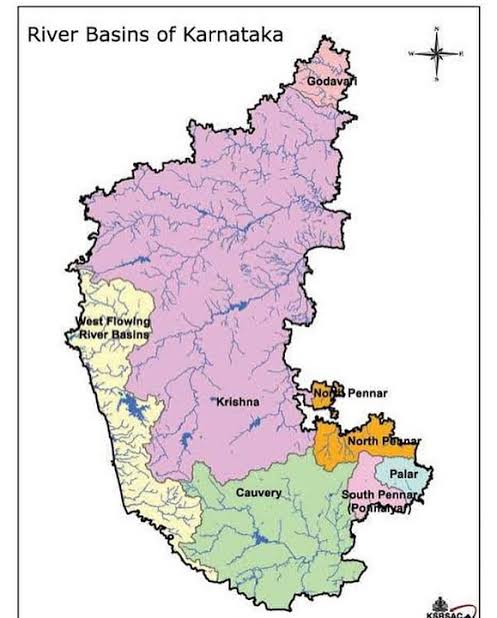
Historically, all Karnata empires were centered around the Krishna River Basin. My hypothesis is that both Karnata and Krishna derive from the same root word. The Krishna River is called Nalleru in Telugu, meaning “Black River,” due to its dark color. It originates in the Western Ghats in Maharashtra and flows through Karnataka, with all its tributaries joining along the way, carrying black soil from North Karnataka, also known as Karunadu or Kari Nadu, which literally means “Black Soil Country” The Sanskrit name Krishnaveni reflects the same meaning, Krishna means “black” or “dark” in Sanskrit. Karunadu – Black Soil Country Krishna – Dark River Karnata + Sanskrit suffix -iga (denoting a person from a place) = Karnatiga > Kannadiga Karnati > Karnadi > Kannadi > Kannada (Note: Kannada is still referred to as Kannadi in Marathi, I believe.) In conclusion, the terms Kannada, Karnataka and Kannadiga are deeply rooted in the geography of Karnata, Krishna Basin. The Kaveri basin, historically known as Mahishika, forms the basis of the Mysorean identity (not to suggest it isn’t Kannada, only that Karnata predates Mahishika or Mysore). Then we have: Konkana – the North Coastal region of Karnataka, separated from the Karnata heartland by the Western Ghats Tulunadu – again, separated by the Ghats and rivers/forests from Karnata, Mysore and Konkana Morasunadu – which falls under the North Penna and South Penna river basins. Home sweet home. ♥️
The Telugu Heritage Collective tweet media
peanut_payasa@ayyo__raama

Two truths to be said- Krishna and Tungabhadra are lifeline of Karnataka. Kempegowda is only for Bengaluru not for whole Karnataka.

English
20
34
203
24.9K
The Telugu Heritage Collective retuiteado
Sri Surapati Indra Teja Naidu
Sri Surapati Indra Teja Naidu@SriSurapati·
I woke up to some great news, R. Mahalingam is set receive the Andhra govt's Ugadi award. He played a crucial role by revising Melattur Bhagavatam stories that had been adopted in Tamil and restoring them to their original Telugu versions. #Ugadi2026
Sri Surapati Indra Teja Naidu@SriSurapati

86th Melattur Bhagavata Mela Nataka Mahotasv From April 30 to May 8, 2026. At Sri Varadaraja Perumal Sannidhi, Melattur, Thanjavur. This divine Telugu art form is celebrated annually during Narasimha Jayanthi. #Telugu #Melattur #Kaveri delta

English
1
7
30
1.9K
The Telugu Heritage Collective
The Telugu Heritage Collective@TTHCollective·
Parthiban’s Telugu is closer to older forms of the language and can be considered more “traditional” or rooted compared to Karthi’s 🙂 What Karthi speaks is more of a modern, acquired Telugu. One can often tell that he is not a native speaker. He is still not fully immersed and does not speak at a native level. In contrast, what Parthiban speaks reflects an older, native Telugu dialect from southern Andhra, with some Tamil influence due to centuries of coexistence with Tamil speakers and a decline in formal Telugu education over the past 70+ years. What he speaks is essentially his native Telugu, slightly adapted for better understanding among modern Telugu speakers. It’s similar to calling Sri Lankan Tamils non-native speakers for using their own Tamil dialect, which has been influenced by Sinhala and Sanskrit.
ArunAnnow@ArunAnnow

Parthiban trying super hard to act Telugu by speaking Telugu and he's being casteist and proudly proclaiming his Naidu heritage at a movie promo Funniest thing is Karthi, who is a Tamil guy, speaks better Telugu than Parthiban

English
8
17
160
11.1K
The Telugu Heritage Collective
The Telugu Heritage Collective@TTHCollective·
I know Tamil and I understood what she said. No where she said she's Tamil. She said she has roots in Tamilnadu and that her mom's fond of Tamil too during a TAMIL MOVIE PROMOTION. It's called connecting to audiance. If she was a Tamil, she would say she has Tamil roots or she's Tamilian, wouldn't stress Tamilnadu Roots. Calm down, she's 100% Kamma.
English
1
0
1
122
The Telugu Heritage Collective retuiteado
Kartik
Kartik@Dummkir·
@TTHCollective @sravytweets We can feel her emotional in the sentence "నన్ను తెలుంగు నాడు కి తీసుకుపోతావా" 😢 వారిది కూడా తెలుగునాడే(కంచి-తొండనాడు) అని మర్చిపోయేటట్టు చేశారు దుర్మార్గులు
తెలుగు
0
4
22
1.7K
The Telugu Heritage Collective
The Telugu Heritage Collective@TTHCollective·
This thread by @sravytweets making me emotional 😭
Sravy G@sravytweets

@ViratVeer18 I had a similar experience in Kanchi last summer. Varadaraja Perumal darsanam chesukoni ala veedhi lo nadusthunte oka Peddavida arugu meedha gorintaaku rubbuthondhi. Oorike aagi oka nimisham ala chusaanu. Vacchi kurchomani aavida saiga chesindhi. Tamilam lo adigindhi ee ooru ani

English
4
3
23
1.9K
The Telugu Heritage Collective
The Telugu Heritage Collective@TTHCollective·
I saw this reel on Insta and thought I would share it later. Here it is anyway. They are from a small village near Munnar, on the Kerala side. Seeing them proudly say, "మేము తెలుగు జాతి దా!" wells up my eyes ♥️ From Kandy to Ganges and from the Ghats to the Eastern Sea. లంక నుండి గంగ దాక, పశ్చిమ కనుమల నుండి తూర్పు కడలి దాక.
విరాట వీరా@ViratVeer18

From the banks of the Ganges to the hills of Kandy, Telugu once echoed through kingdoms, trade, literature, and temples. A language that travelled beyond borders. Telugu, our pride. 💛 #తెలుగు #ఆంధ్రులు

English
6
49
335
10.9K
The Telugu Heritage Collective
The Telugu Heritage Collective@TTHCollective·
@Kumar_cinema @ultracrpidarian ఆంధ్ర, తెలంగాణ, కర్ణాటక చెప్పాలంటే భారత దేశం మొత్తం నా తాత జాగీరే. ఈ దేశానికి సంబంధించిన ప్రతిదాని మీద నా అభిప్రాయం తెలిపే స్వేచ్ఛ భారత రాజ్యాంగం ఇచ్చింది. With all due respect, you can go duck yourself.
తెలుగు
1
0
2
54
The Telugu Heritage Collective
The Telugu Heritage Collective@TTHCollective·
@PotholePatriot It's simplified Alphabet to teach Telugus of Coimbatore to read their mother tongue. ఇవి నేర్చుకున్నాక మిగిలినవి సులువుగా నేర్చుకోవచ్చు.
Eesti
0
0
1
107
PotHole Patriot 🇮🇳
PotHole Patriot 🇮🇳@PotholePatriot·
@TTHCollective వాళ్ళు ఆ "ఋ, ౠ" లను ఎక్కడ దాచి పెట్టారో చెప్పమనండి సార్😁
తెలుగు
1
0
0
99
The Telugu Heritage Collective retuiteado
STATLOGS
STATLOGS@praveenvar1625·
Ancient Greek and Roman records provide some of the earliest and most detailed "outsider" perspectives on the Andhra region. These accounts, spanning from the 4th century BCE to the 2nd century CE, highlight the region's military might, its thriving maritime trade, and its world-famous textiles, diamonds and precious stones. 1. The Military Power of the "Andarae" The most famous early reference comes from Megasthenes, the Greek ambassador to the court of Chandragupta Maurya (c. 300 BCE). In his work Indika, he described the Andhras (referred to as Andarae) as a powerful and independent nation. •Army Size: He noted they possessed a massive standing army consisting of: - 100,000 Infantry - 2,000 Cavalry - 1,000 War Elephants •Fortified Cities: Megasthenes recorded that the Andhras held 30 fortified towns protected by walls and towers, indicating a highly urbanized and organized society centered around the Krishna and Godavari deltas. 2. Trade and the "Masulipatnam" Connection Greek and Roman geographers were fascinated by the wealth of the Andhra coast, which they called Maisolia. The Periplus of the Erythraean Sea (c. 1st Century CE) This anonymous Greek merchant’s guide identifies Masalia (modern-day Machilipatnam/Masulipatnam) as a world-class trade hub. •Muslins: It specifically praises the region for producing "a great quantity of muslins," which were so fine they were highly coveted in the Roman Empire. MUSLIN CLOTH : plain-weave cotton fabric , a fabric so light and delicate that it was often described as "woven air" or "running water". •Geography: It describes the coast stretching toward the East, noting the region's involvement in the spice and textile trade. Ptolemy’s Geographia (c. 150 CE) The Greek astronomer Claudius Ptolemy provided more specific geographical markers: •Maisolia: He identified the entire region between the Krishna and Godavari rivers as Maisolia. •Kantakasela: He mentions a major port called Kantakasela (identified by historians as Ghantasala in Krishna district), which was a key departure point for ships sailing to Southeast Asia. •River Names: He referred to the River Krishna as Maisolos and the Godavari as Goaris (though some scholars debate the exact mapping). 3. The Roman "Wealth Drain" Pliny the Elder, a Roman author writing in the 1st century CE, complained in his Natural History about the enormous amount of Roman gold flowing into India—specifically to the Southern and Andhra regions—in exchange for luxury goods (Muslin cloth, Diamonds and other precious stones) "India is the sink of the world's gold." — Pliny the Elder This is backed by archaeological evidence: thousands of Roman gold coins (denarii) have been unearthed at sites like Dharanikota and Nellore, proving the intense commercial relationship between the Roman-Greek world and the Andhra Satavahana Empire. About Ancient Dharanikota Port : Dharanikota was one of the most significant riverine ports and political capitals of ancient India, particularly during the rule of the Satavahana dynasty (1st to 3rd centuries CE). Known in antiquity as Dhanyakataka, it served as a vital link between the inland trade routes of the Deccan and the maritime networks of the Bay of Bengal. Dharanikota’s prominence was rooted in its strategic location on the banks of the Krishna River, which was navigable by large trade boats at the time. Capital of the Satavahanas: The city served as the primary capital for the Satavahanas (also called the Andhras). It was a sprawling metropolis protected by a massive mud embankment that functioned both as a fortification and a wharf for river traffic. A "Rock-Cut" Port: Archaeological excavations have revealed a remarkable 15-foot-deep rock-cut navigation channel and an embankment-cum-wharf, proving its status as a sophisticated port. Global Trade Hub: The presence of Roman artifacts, including Amphorae (storage jars for wine or oil) and Roman coins, confirms that Dharanikota was a destination for Mediterranean traders. Merchants here exported the region's famous fine muslins, diamonds, precious stones and exotic grains. Religious Epicenter: Beyond trade, it was a world-renowned center for Buddhism. It is closely associated with the philosopher Acharya Nagarjuna and the nearby Amaravati Stupa. Present-Day Location Today, the ancient site is located in the Palnadu district (formerly Guntur district) of Andhra Pradesh, India.
English
6
18
53
4.7K