
Tinkered AI
25 posts


Tinkered AI
@TinkeredAI
From idea to working hardware. In one place.
United States Se unió Mart 2026
16 Siguiendo12 Seguidores
@Joeltrevino15 @Joeltrevino15 thanks for flagging. We pushed a fix. Should be working now.
English


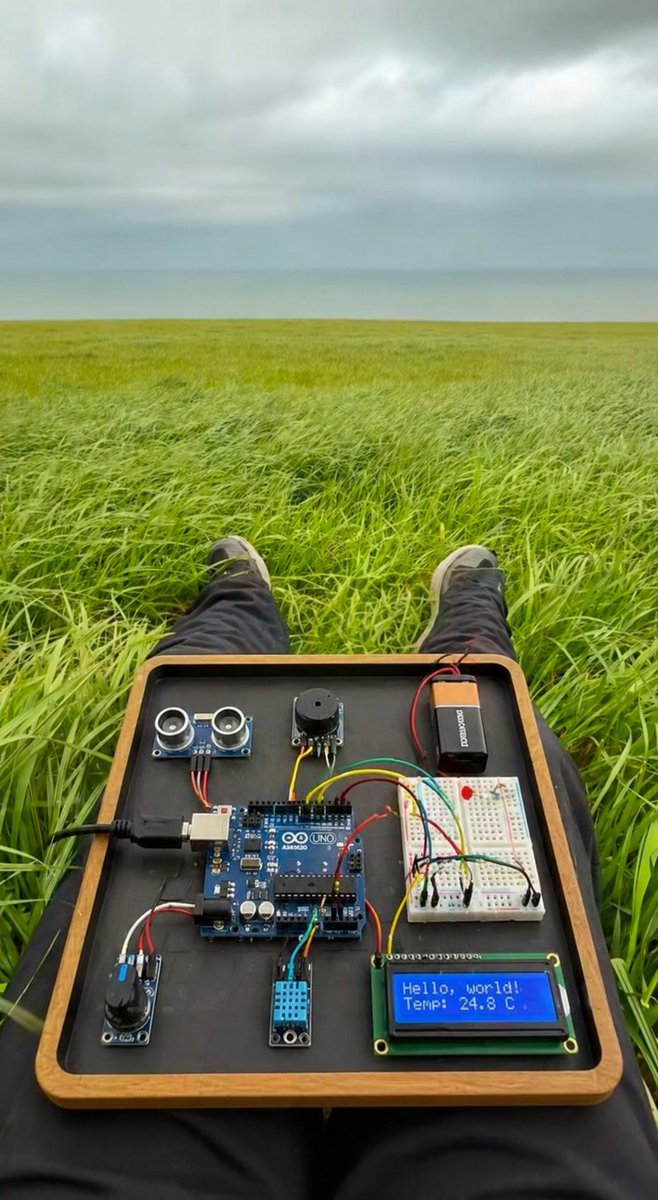
@Afghan_Engineer That’s awesome getting a BLDC spinning on a breadboard is no joke, especially with forced commutation. Respect.
English

@hdiv6xeWxcLUS51 That’s really cool 🔥 love the upgrade with more buttons and the new design!
English

@RoundtableSpace Building Tinkered today. Working on making it way easier to go from an idea to a working hardware project without all the setup pain.
Big shoutout to all the builders out there, we got this!
English

@sozoraemon This is honestly the best kind of project, just building for the fun of it.
The adjustable range and distance from home is actually pretty cool too, even if it’s just for you, great job!
English

Raspberry Piで作ったGPSレーダー。横のボタンでレーダーのレンジを変更できるようにしました。自宅との距離を常時表示できます。特に意味はないけど、自己満足ガジェットです。
日本語
@Zinny_Edmund Software is still evolving, but the physical world is where a lot of the next building is happening.
Hardware - sensors, devices, infrastructure...there’s still so much to create....
English


3 concepts. 1 build. 0 AI assistance.
→ LED blink with millis (no delay)
→ PWM dimming controlled by a potentiometer
→ Blink speed controlled by a potentiometer
Coded everything from scratch. Small win, but it's mine 🫡
Onto the next
English
@0xfishylosopher @rishi____1 This is insanely cool, baremetal + secure elements is a different level🔥!!
Also says a lot that the hardest part wasn’t crypto but just getting the chip to wake up 😅 this is exactly the kind of friction we’re trying to remove with Tinkered.
English

How can you build a baremetal Trusted Execution Environment (TEE) with $5 hardware and a Raspberry Pi?
For Stanford's CS 140E: Embedded Operating Systems final project, @rishi____1 and I built a simple implementation of a TEE-like environment on a Raspberry Pi using a trusted hardware chip, similar to hardware wallets like Ledger or Trezor.
We used the ATECC608A secure element, a widely available trusted hardware chip to do keygen, sign, and verify transactions for a baremetal Raspberry Pi (BCM2835). The ATECC608A chip cost about $5 each, whereas a typical hardware wallet can cost $100 or more.
Over the course of a week we:
- Implemented baremetal I2C protocol for the Pi
- Wrote ATECC608A drivers for ECDSA keygen, sign, verify based on just a datasheet
- Basic hardware key encumbrance, with private key stored on the trust hardware chip, public key available on request
- Implemented a supplemental Arduino ATECC608A I2C slave simulator for testing I2C communication that uses micro-ecc library with secp256k1 curve (aka Bitcoin curve)
Some challenges faced:
- Secure chips are badly documented, even gathering datasheets and making sure they're consistent with observed behaviour took a long time
- Surprisingly, getting the chip to wake up on baremetal code turned out to be the most time-consuming task (you have to send a specific signal on SDA line for a specific time duration, then read immediately)
- Unfortunately, the ATECC608A secure chip only has documentation for the NIST P256 elliptic curve, rather than the secp256k1 curve, so we only implemented support for P256 on the ATECC. For secp256k1 support, we wrote a proof-of-concept on an Arduino I2C slave simulator using the micro-ecc library.
But overall, it was insanely cool to combine cryptography with embedded systems and build a hardware TEE-like environment on baremetal!
[GITHUB LINK BELOW]

English

@willreil Let’s gooo, that’s a real smart home stack now.
This is exactly the kind of project we’re building Tinkered for: go from microcontroller idea to wiring, code, and simulation before touching the hardware.
English

My office lights are now controlled with an ESP32. The antenna on this thing sucks so it has connectivity issues but the concept is working!
Will@willreil
Let’s gooooo! All the lights in my house are now controlled via API. I think I understand everything I need to know. Next up is controlling it with a microcontroller and designing a good system.
English
@playwithcircuit Simple setups like this are the best way to learn.
Now imagine going from idea to working setup like this in seconds, that’s what we’re building with Tinkered.
English

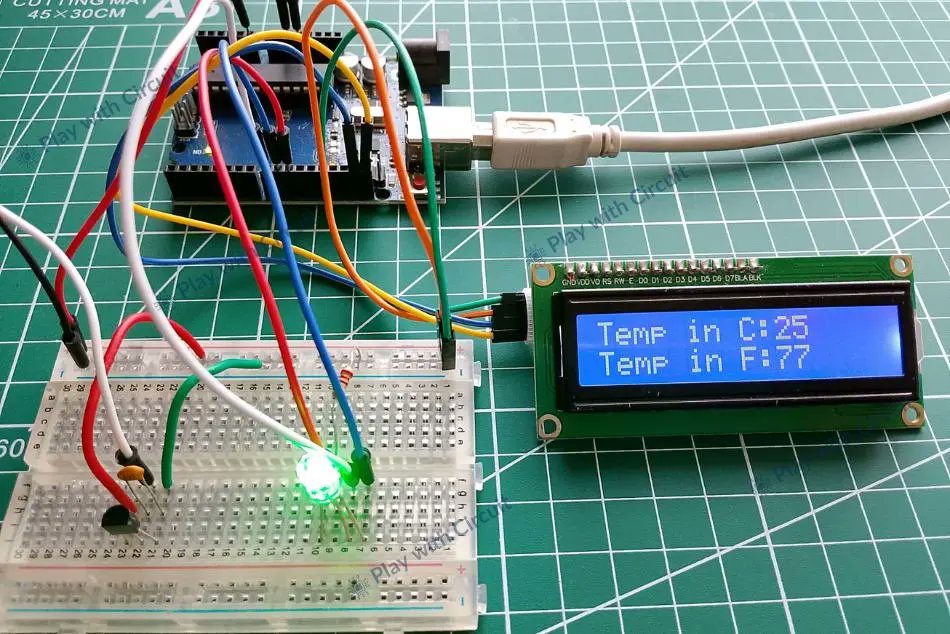
Measure temperature with Arduino—no complex protocols needed.
Use LM35:
• Analog output (°C)
• Easy interfacing
• Real-time LCD display
Perfect for monitoring systems.
Read 👇
playwithcircuit.com/lm35-temperatu…
English

You don’t need expensive hardware to build something that feels like real robotics.
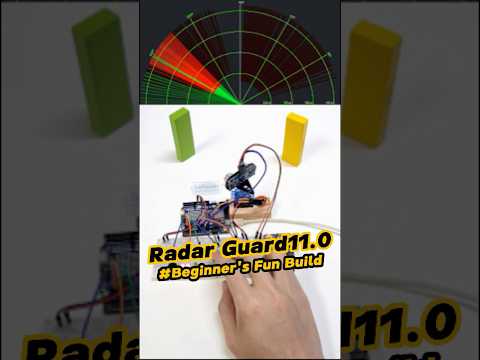
An Arduino, a servo, and an ultrasonic sensor can scan space and turn echoes into a simple radar view. It sweeps, measures distance, and visualizes it in real time.
Cheap, simple, and a solid way to understand how machines sense the world. Limits show up fast, which is where better sensing and smarter software come in.
Original build by SunFounder
youtube.com/shorts/3v23xd9…
——
Weekly robotics and AI insights.
Subscribe free: 22astronauts.com
YouTube
English
English

@oliviscusAI bet it just hallucinates a circuit that burns your board before you even plug in the usb
also free tools rarely include a refund for the smoke damage
English

Someone just built a Claude Code for electronics.
It's called Blueprint. Type what you want to build and it generates wiring diagrams, bills of materials, and step-by-step assembly guides for your Arduino or Raspberry Pi project.
100% Free.
English
If you like this, you can sign up for free and start testing it yourself 👉 tinkered.ai
English
This is awesome 🤯 love seeing projects like this still inspiring years later.
If you’re into building things like this, we’re working on something you might enjoy at Tinkered - you can describe a project in plain English and instantly get the wiring, code, and a working simulation before touching any hardware.
Makes turning ideas into real builds way faster (and way more fun): tinkered.ai
Would love to see this recreated or improved with it 👀
English

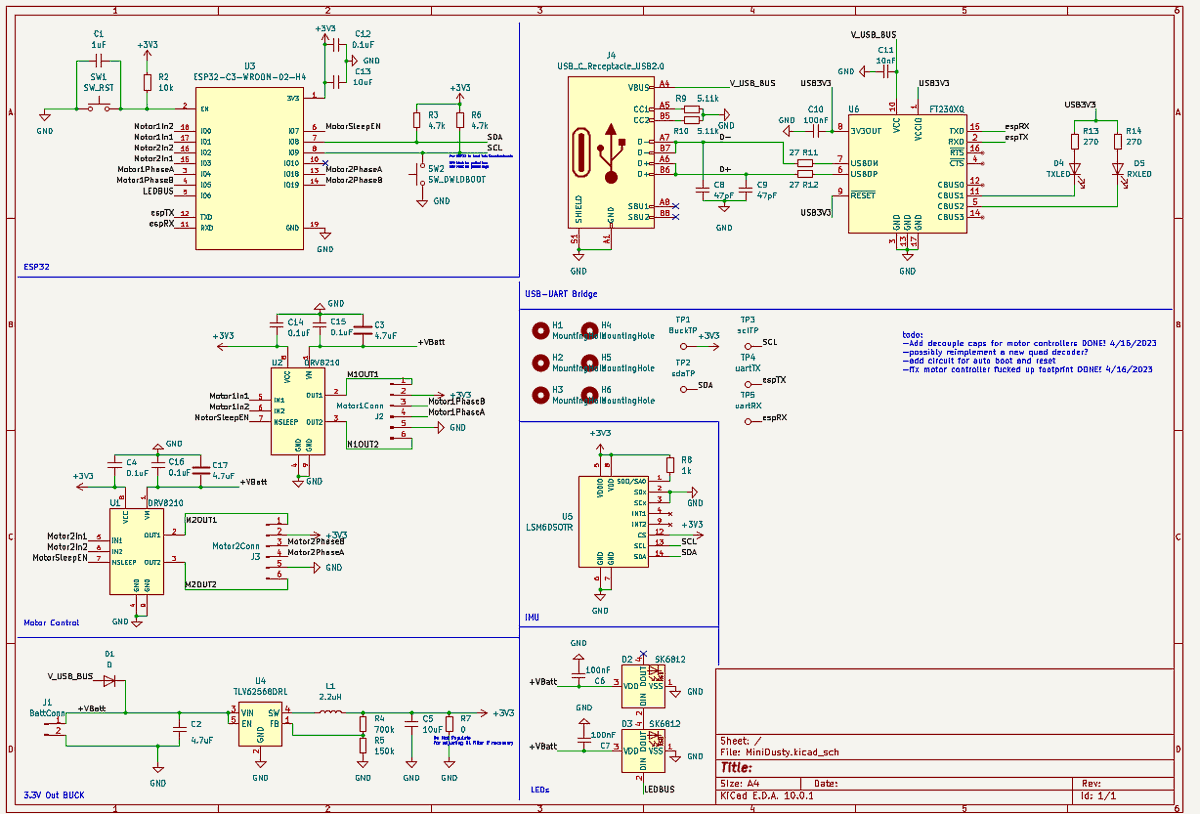

Who wants to build cool hardware? ⚡️
With Tinkered, you just describe what you want and get the wiring, code, and 3D simulation instantly.
No complexity. Just build.
Start here → tinkered.ai
English
This is exactly the problem we’re solving.
Hardware shouldn’t take weeks of datasheets and debugging.
With Tinkered, you just describe what you want → get wiring, code, and a working simulation instantly.
We just launched our beta: auth.tinkered.ai/sign-up
Curious to hear what you’d build 👀
English

llmfit. Useful tool that probes hardware and tells you exactly which LLMs will actually run.
- handles MoE expert offloading, picks the best quantization for your RAM, estimates tokens/sec before you even pull the weights.
Essential for local dev.
github.com/AlexsJones/llm…
English