

Jay
937 posts

The largest internal organ in the human body is what?
Liver
Skin
Brain
Lungs
Dont cheat, just answer
English
@susylicious2023 Thank God say you no be my elder sister ni o 😂😂 all these ones no be talk.
English

If I were your big sister, here’s one important thing I’d teach you about visiting a guy’s place…
English
Jay retuiteado
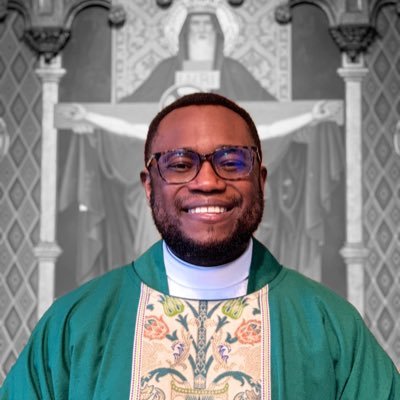
Friends, today I turn 40, and my heart is filled with gratitude.
Please join me in thanking God for the gift of life, grace, mercy, and every blessing along the journey. Truly, it has all been by the grace of God.
I am deeply grateful to my family, friends, and everyone who has walked with me, prayed for me, supported me, and shared in this journey to this moment.
At 40, I pray for even more strength and grace to do more, love more, serve more, and become more of what God has called me to be.
Thank you for being part of my story. May God bless you all abundantly. 🤩🙏🏽

English

This week, i have a $1,000 budget for giveaway to just 10 people, $100 each which will be used for trading competition amongst the winners & the highest equity at the end of a 1 month period wins $1,000 cash.
All you have to do is simple
1. Like, share and tag 3 trader friends
2. Tell me why you should be given a slot.
Simple
#forex #xauusd
English
@Craigpros To have an opportunity to show myself approved of the studies I’ve done 🙂 @samkidoofficial @ibrahim24202378 @IgonohX
English

@General_Somto The dude doesn’t even realize he has been caught. He’s not even paying attention to the man telling him he’s live on BBC all that’s on his mind is the money. No intelligence, just fully relying on juju.
English

Nigerian Scammer Caught Pretending To Be Hollywood Actress Jennifer Aniston 🤦🏾♂️👀
English

If God is faithful to you, take a little time and write Amen.
English

Jay retuiteado
31-Day Journey with Mary
Day 1:

Ugochukwu Ugwoke, ISch@FrUgochukwu
In the Catholic Church, the month of May is traditionally dedicated to the Blessed Virgin Mary. During this month, the faithful are especially encouraged to honor our Blessed Mother through expressions of love, devotion, and prayer. To fully participate in this year’s May Devotion, we invite you to join us on a spiritual exercise themed: 31-Day Journey with Mary. This spiritual exercise will consist primarily of prayers and other acts of faith. Each day’s activity will be shared here daily throughout the month. Do join us! Let’s walk with Our Lady every day of May and draw closer to Jesus. #31DayJourneyWithMary
English
Jay retuiteado

“And I say to thee: That thou art Peter; and upon this rock I will build my church, and the gates of hell shall not prevail against it.” - St Matthew 16:18

English

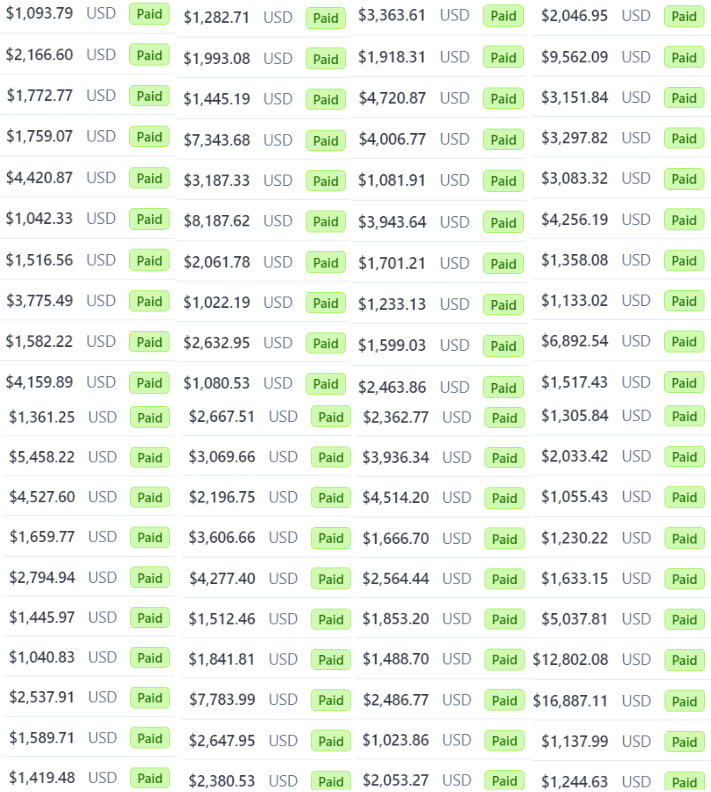
You can earn $9000/month if you have ChatGPT, a laptop, an internet connection, and 60 mins a day.
Normally, I charge $83 for this guide, but today I'm giving it away for free.
Like + reply 'Money' and I'll send you my full guide for FREE.
Must follow me to get guide in DM.
Free for 48 hours only.
English
"This was within the probability range. This does not mean my edge is gone."
"This was within the probability range. This does not mean I am a genius."
So APT !!!
Ashish Bajpai@AshishB60558222
Priya returns with a Bang !!!! You remember Priya. IIT. 26 LPA job. Quit for trading. Lost everything quietly. Went back to a job. Still opened charts at night — not to trade, but to understand. This is what happened next. 18 months after rejoining work, Priya met Arjun. Not on a trading forum. Not in a webinar selling "10x your portfolio" courses. At a small, unglamorous reading group in Pune. Eight people. Folding chairs. One agenda — "Trading in the Zone" by Mark Douglas. Arjun was 51. Mostly grey hair. Calm eyes. The kind of calm that isn't personality — it's something earned. He had blown up three accounts in his 30s. Lost his marriage partially to the stress. Built himself back slowly, quietly, over a decade. He wasn't rich-famous. He wasn't on Twitter. He was just — consistently profitable. For 11 years straight. Priya sat next to him and asked, "Which indicator do you use?" He smiled. "I stopped looking for the right indicator 15 years ago. I started looking for the right mind instead." She thought it was a cliché. It wasn't. Arjun gave her one task for the first month. No trading. No charts. No P&L. Just one exercise — "Take any setup you would have traded. Write down — not what you think will happen — but what are ALL the things that could happen. Every possibility. No bias. No hope." Priya found it uncomfortable. Because she realized — every time she had traded before, she wasn't analyzing the market. She was writing a story. And casting herself as the hero. Bullish divergence? "This is going up. "Support level holding? "Perfect entry, this is it." She wasn't trading probability. She was trading narrative. And the market — which owes nobody a good ending — kept ripping her story apart. Month 2, Arjun introduced her to the core idea that changed everything. "Priya, any single trade — you don't know the outcome. I don't know. Nobody knows. A setup with 65% historical accuracy means 35 out of 100 trades will lose. That's not failure. That's the deal." She had read this before. In books. In articles. But she hadn't felt it yet. "Your problem," Arjun said quietly, "is that every loss feels like proof that you're wrong. But losing trades aren't mistakes. They're the cost of doing business — like rent for a shopkeeper." "You were treating every loss like a verdict on your intelligence. That's why IIT hurt you more than it helped you." That sentence broke something open in her. She had been carrying her identity into every trade. Win = I am smart. Lose = I am not. The market had never been judging her ability. It had just been — the market. Random. Probabilistic. Indifferent. The judgment had always been entirely self-inflicted. Month 3, she started paper trading. Not to practice entries. To practice reactions. Every losing trade — she would pause. Breathe. Write one line: "This was within the probability range. This does not mean my edge is gone." Every winning trade — same pause. Same breath. One line: "This was within the probability range. This does not mean I am a genius." Slowly, almost invisibly — She stopped needing trades to validate her. Month 5, she took her first real trade after two years. Small size. Nifty weekly options. Simple breakout setup she had seen a hundred times. It stopped out. She lost ₹3,200. She closed the terminal. Made chai. Came back. Opened her journal. Wrote — "Loss. Valid setup. No revenge. Next." Four words that would have been impossible two years ago. Month 7 — she hit a 6-trade winning streak. Old Priya would have doubled position size. Posted screenshots. Started feeling invincible. New Priya wrote in her journal — "Variance running in my favor. Stay the same size. Stay the same process. The streak doesn't change the probabilities." By month 12 she was profitable. Not spectacularly. Not screenshot-worthy. But consistently, quietly, sustainably profitable. She hadn't found a new strategy. She had found something rarer — A mind that was no longer the enemy of her own trading. Here's what Priya learned — the things no course teaches: 1. You are not your trades. A loss is data. It is not a mirror. Stop looking at it like one. 2. Probability doesn't care about your story. Every trade exists in a universe of possible outcomes. Your job is not to predict — it's to position correctly and respond without emotion when any outcome arrives. 3. The edge is real. But only if you execute it 100 times. One trade proves nothing. One hundred trades show everything. Stop judging your system on three losing trades in a row. 4. Discipline is not white-knuckling yourself.Real discipline feels effortless — because you've genuinely accepted uncertainty. If controlling yourself feels like a war, you haven't accepted probability yet. You're still hoping. 5. The market is not your examiner. It doesn't know you were an IITian. It doesn't know you've been struggling for two years. It has no opinion about you whatsoever. The moment you stop needing it to validate you — you become dangerous to it. Priya still works her job. Trading is her second income now — moving towards becoming her first. She doesn't post P&L screenshots. She has 300 followers, not 4,000. But she has something she didn't have before — A process she trusts. A mind she has trained. And the quiet, unshakeable understanding that markets reward not the smartest person in the room — But the most consistent one. Arjun still runs that small reading group in Pune. Folding chairs. Eight people. No marketing. Last month, Priya brought someone new. A young man. Sharp eyes. Recently quit his job for trading. Confident enough for the whole room. She sat next to him and he asked — "Which indicator do you use?" She smiled. The wheel turns. The lesson waits patiently for whoever is ready to receive it. Are you ready? x.com/AshishB6055822…
English
@AshishB60558222 "This was within the probability range. This does not mean my edge is gone."
"This was within the probability range. This does not mean I am a genius."
So APT !!!
English

Priya returns with a Bang !!!!
You remember Priya.
IIT. 26 LPA job. Quit for trading. Lost everything quietly. Went back to a job. Still opened charts at night — not to trade, but to understand.
This is what happened next.
18 months after rejoining work, Priya met Arjun.
Not on a trading forum. Not in a webinar selling "10x your portfolio" courses.
At a small, unglamorous reading group in Pune. Eight people. Folding chairs. One agenda — "Trading in the Zone" by Mark Douglas.
Arjun was 51. Mostly grey hair. Calm eyes. The kind of calm that isn't personality — it's something earned.
He had blown up three accounts in his 30s. Lost his marriage partially to the stress. Built himself back slowly, quietly, over a decade.
He wasn't rich-famous. He wasn't on Twitter.
He was just — consistently profitable. For 11 years straight.
Priya sat next to him and asked, "Which indicator do you use?"
He smiled.
"I stopped looking for the right indicator 15 years ago. I started looking for the right mind instead."
She thought it was a cliché.
It wasn't.
Arjun gave her one task for the first month.
No trading. No charts. No P&L.
Just one exercise —
"Take any setup you would have traded. Write down — not what you think will happen — but what are ALL the things that could happen. Every possibility. No bias. No hope."
Priya found it uncomfortable.
Because she realized — every time she had traded before, she wasn't analyzing the market.
She was writing a story. And casting herself as the hero.
Bullish divergence? "This is going up. "Support level holding? "Perfect entry, this is it."
She wasn't trading probability.
She was trading narrative.
And the market — which owes nobody a good ending — kept ripping her story apart.
Month 2, Arjun introduced her to the core idea that changed everything.
"Priya, any single trade — you don't know the outcome. I don't know. Nobody knows. A setup with 65% historical accuracy means 35 out of 100 trades will lose. That's not failure. That's the deal."
She had read this before. In books. In articles.
But she hadn't felt it yet.
"Your problem," Arjun said quietly, "is that every loss feels like proof that you're wrong. But losing trades aren't mistakes. They're the cost of doing business — like rent for a shopkeeper."
"You were treating every loss like a verdict on your intelligence. That's why IIT hurt you more than it helped you."
That sentence broke something open in her.
She had been carrying her identity into every trade.
Win = I am smart. Lose = I am not.
The market had never been judging her ability.
It had just been — the market. Random. Probabilistic. Indifferent.
The judgment had always been entirely self-inflicted.
Month 3, she started paper trading. Not to practice entries.
To practice reactions.
Every losing trade — she would pause. Breathe. Write one line:
"This was within the probability range. This does not mean my edge is gone."
Every winning trade — same pause. Same breath. One line:
"This was within the probability range. This does not mean I am a genius."
Slowly, almost invisibly —
She stopped needing trades to validate her.
Month 5, she took her first real trade after two years.
Small size. Nifty weekly options. Simple breakout setup she had seen a hundred times.
It stopped out.
She lost ₹3,200.
She closed the terminal.
Made chai.
Came back. Opened her journal. Wrote —
"Loss. Valid setup. No revenge. Next."
Four words that would have been impossible two years ago.
Month 7 — she hit a 6-trade winning streak.
Old Priya would have doubled position size. Posted screenshots. Started feeling invincible.
New Priya wrote in her journal —
"Variance running in my favor. Stay the same size. Stay the same process. The streak doesn't change the probabilities."
By month 12 she was profitable.
Not spectacularly. Not screenshot-worthy.
But consistently, quietly, sustainably profitable.
She hadn't found a new strategy.
She had found something rarer —
A mind that was no longer the enemy of her own trading.
Here's what Priya learned — the things no course teaches:
1. You are not your trades. A loss is data. It is not a mirror. Stop looking at it like one.
2. Probability doesn't care about your story. Every trade exists in a universe of possible outcomes. Your job is not to predict — it's to position correctly and respond without emotion when any outcome arrives.
3. The edge is real. But only if you execute it 100 times. One trade proves nothing. One hundred trades show everything. Stop judging your system on three losing trades in a row.
4. Discipline is not white-knuckling yourself.Real discipline feels effortless — because you've genuinely accepted uncertainty. If controlling yourself feels like a war, you haven't accepted probability yet. You're still hoping.
5. The market is not your examiner. It doesn't know you were an IITian. It doesn't know you've been struggling for two years. It has no opinion about you whatsoever. The moment you stop needing it to validate you — you become dangerous to it.
Priya still works her job.
Trading is her second income now — moving towards becoming her first.
She doesn't post P&L screenshots.
She has 300 followers, not 4,000.
But she has something she didn't have before —
A process she trusts. A mind she has trained. And the quiet, unshakeable understanding that markets reward not the smartest person in the room —
But the most consistent one.
Arjun still runs that small reading group in Pune.
Folding chairs. Eight people. No marketing.
Last month, Priya brought someone new.
A young man. Sharp eyes. Recently quit his job for trading. Confident enough for the whole room.
She sat next to him and he asked —
"Which indicator do you use?"
She smiled.
The wheel turns.
The lesson waits patiently for whoever is ready to receive it.
Are you ready? x.com/AshishB6055822…
Ashish Bajpai@AshishB60558222
She was the "smart one" in her family. Priya. IIT Bombay. Campus placement at ₹26 LPA. The girl her relatives pointed to at weddings — "Woh dekho, kitni aage gayi hai." She discovered options trading in 2021. Within 6 months, she had doubled her savings. ₹8 lakhs became ₹16 lakhs. She posted her P&L screenshots. Twitter loved her. 4,000 followers. DMs asking for tips. She felt, for the first time, that her real calling wasn't engineering — it was markets. She quit in January 2023. The first year was uncomfortable but survivable. She lost ₹6 lakhs. "Tuition fees," she called it. Every successful trader she followed online said the same thing. She believed them. She studied harder. Backtested more. Journaled every trade. The second year broke something quieter. The losses weren't even dramatic anymore. No big blow-up. Just… consistent wrongness. Right thesis, wrong timing. Right setup, wrong expiry. The market would move — just after she exited. Every. Single. Time. She stopped posting screenshots. She stopped replying to DMs. She started avoiding calls from home because every call ended with "Beta, kab tak?" The moment that finished her wasn't a losing trade. It was a Tuesday afternoon. Her college friend sent a wedding invitation on WhatsApp. Five-star hotel. Destination wedding in Udaipur. Priya opened her bank account. Then closed it. Then cried for two hours — not because she couldn't afford the wedding. But because she remembered who she was before she needed to check her bank balance before RSVPing to a friend's wedding. Here's what Priya's story teaches us — the part nobody posts: Markets will humble anyone. IIT degree. MBA. CFA. CA. Doesn't matter. Intelligence is not the edge people think it is. In fact, smart people often lose more — because they can always construct a brilliant reason to hold a losing trade. Overconfidence wears many disguises. The most dangerous one looks exactly like competence. Priya didn't fail because she was weak. She failed because: → She confused a bull market with her own skill → She carried the weight of being "the smart one" into a profession that humbles everyone equally → She had no mentor. Only followers. A trading account doesn't care about your percentile rank. The market is the only exam where toppers and backbenchers sit in the same room, pay the same fees, and often get the same result — until one of them learns that ego management is a bigger skill than risk management. Priya is back at a job now. She doesn't talk about trading at family gatherings. But late at night, she still opens her charts. Not to trade. Just to understand. Maybe that quiet persistence — stripped of ego, stripped of performance — is where real traders are actually born. The market doesn't need your certificates. It needs your honesty.
English
Jay retuiteado

Update your iOS right now..!⚠️
if your iOS version is between 18.4 to 18.7, got your settings and update it.
if not, you're prone to loose your funds through a threat that could wipe your wallet clean without traces.
treat as important
Binance@binance
⚠️ iOS Security Alert | Immediate System Update Required for iOS Users Apple is urging iPhone/iPad users to update iOS immediately. Google Threat Intelligence Group (GTIG) recently disclosed a critical iOS exploit chain known as “DarkSword,” affecting iOS 18.4 to 18.7. This issue is not related to any exchange or wallet application, but is a system-level vulnerability in iOS. Attackers may exploit this vulnerability when users visit compromised (but seemingly legitimate) websites. The exploit may be triggered automatically without any user interaction, allowing attackers to extract sensitive data, including crypto wallet information. The malware may also erase its traces after execution, making detection extremely difficult. If your device is running iOS 18.4–18.7, you may be at risk. Immediate Actions Recommended: 1️⃣ Update your iPhone/iPad to the latest iOS version immediately 2️⃣ Avoid clicking on unknown links or visiting untrusted websites 3️⃣ Review app permissions and disable any unnecessary access 4️⃣ Enable Two-Factor Authentication (2FA) on all crypto-related accounts and ensure withdrawal whitelist is activated We believe it’s important to share this security alert with all users and not just Binance users. Security is the foundation of the entire ecosystem, and protecting user assets must come first.
English
Jay retuiteado

Okay so I wasn't going to say anything but... I can't keep this to myself 😭.
Anthropic (yes, the company behind Claude AI) quietly dropped a bunch of completely free AI mastery courses, and they are handing out official certificates at the end.
For $0.00. Zero naira. Nothing. Free.
I stumbled across it on Sunday Abegunde's page yesterday and honestly I almost scrolled past it because it sounded too good to be true. But I went and checked it myself and it is real.
The courses are actually solid, not those shallow "intro to AI" types that just tell you ChatGPT exists.
These ones go deep.
The link is anthropic.skilljar.com, go check it out, grab a course, grab the cert.
We are literally in the era where the people building the AI are giving away education on how to use it for free. Please don't sleep on this. Your future self will thank you. 🙏

English
English

@crownsmove23 @1OftenWonderWhy And you still missed the point 🤦🏾♂️🤦🏾♂️🤦🏾♂️
English

If you hire 700 men on N600,000 per month in Nigeria today, there's a good chance you may be invited to 500 weddings in 2 years
If you hire 700 women for the same amount, 90% will wait for men earning N1,000,000 per month to propose
Hire men, to promote marriage in Nigeria
English