@shuibs How much knowledge do you have sir? I hope it’s not a dangerous amount.
English
Lee Kuan Yappin
553 posts
@asianvalues
If I wanted to remain anonymous this isn’t how I’d do it
"I believe that with proper democracy in the Maldives, we can play a very important role as a counter to the reformation—or rather, the Jesuits—have to come up quickly." —Father Alexius Ahmed


India did not roll over the USD 400 million currency swap. The Maldives paid it back yesterday. This is the sentence the Finance Ministry did not want to write. For months the framing from Treasury Building was that the rollover was pending Delhi’s approval, that the relationship was strong, that the cash would be there when needed. Last night the Indian High Commission confirmed the maturity. Yesterday it was reported the Finance Minister’s own words. The swap had to be paid because there was no way to roll it over. India offered the second window of the same 2024-2027 framework instead. INR 30 billion, roughly USD 320 million at current rates, drawable in rupees not dollars. That window was part of the original October 2024 agreement. Not a new concession. Three things matter about what just happened. One. The Maldives went into April with USD 1.32 billion in gross reserves. In three weeks the country has cleared the USD 500 million sukuk, the USD 24.68 million final coupon, the USD 100 million Abu Dhabi Fund loan, and now the USD 400 million India swap. Over USD 1 billion moved out of reserves in a single month. The reserves number that comes out in the next MMA update is the most important economic indicator of the year. Two. The rupee window is useful but it is not a dollar. A country that imports 100 percent of its fuel, 90 percent of its food, and essentially all its building materials pays its import bill in dollars, not rupees. The rupee facility helps with the India trade relationship and with rupee-denominated obligations. It does not plug the dollar gap that BML is visibly rationing at the TT counter. Three. The government position for eighteen months has been that the Maldives was not in distress, that the sukuk would be paid without drama, that the swap would be rolled over, that the dollar crisis was a tourism story not a fiscal story. Each of those positions has now been revised in succession. The Finance Ministry deserves credit for clearing April without default. The Finance Ministry has not earned a pass on the conversation that comes next.


Well done JPM. It is just math.

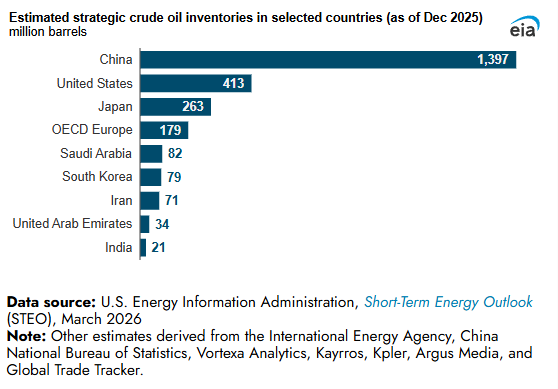

Maldives settles USD 400 million bilateral swap facility and welcomes India’s INR 30 billion currency swap 📃 Press Release | t.ly/yrHrp
This guy literally hacked Polymarket with a hair dryer 💀 Happened in Paris. On Polymarket, temperature bets were settled using a single sensor near Charles de Gaulle Airport. He figured out the exact location, showed up in person, and placed a bet on an “impossible” outcome 22°C when the market expected 18°C. Then he pulled out a hair dryer and heated the sensor. The artificial spike got recorded as the daily high → market settled → he cashed out. Did it twice. Walked away with ~$34K. While everyone’s arguing over indicators and alpha, this guy is out here doing IRL market manipulation.



ވިސާ ފީ ނުދައްކާ ބިދޭސީއަކު ފެނުނަސް އަންނަ މަހުން ފެށިގެން ޑީޕޯޓްކުރާނަން: އިހުސާން ift.tt/7e5hJZx


🚨HOW CHINA🇨🇳 SURPASSED THE UNITED STATES🇺🇸 'China has made absolutely extraordinary gains in renewable energy production and EV production and high speed rail production, absolutely leapfrogging what the USe and Western Europe have been able to achieve. Now this is remarkable. This is causing people in Washington and London to scratch their heads like how did China manage to do this? The reason is because China has public control over the financial system and so it can align finance and investments with the national development plans. It also has credit guidance policies. And so China can direct its incredible financial power towards what is most important for society and for the planet rather than just what is most important for capital. And that's what's enabled them to make these incredible developments in industries that are not necessarily the most profitable. And so I think that we can learn from basic industrial policy that China is implementing. I think that everyone's paying attention to this, certainly across the Global South, states are realising the need for industrial policy alor these lines.' -@jasonhickel on Going Underground