William Sharp 🇺🇦

12.1K posts

William Sharp 🇺🇦 banner
William Sharp 🇺🇦

William Sharp 🇺🇦

@drwilliamsharp

Psychoanalyst, Professor/@Northeastern University Consultant on Social/Emotional Learning & Counselor Education

Boston MA Se unió Ağustos 2013
4.6K Siguiendo4.1K Seguidores
William Sharp 🇺🇦
William Sharp 🇺🇦@drwilliamsharp·
"...our childhoods leave in us stories... stories we never found a way to voice...When we cannot find a way of telling our story, our story tells us-we dream these stories, we develop symptoms, or we find outselves acting in ways we don't undersand" p10 Grosz (2013)
William Sharp 🇺🇦 tweet media
English
0
1
13
467
William Sharp 🇺🇦 retuiteado
Jonathan Shedler
Jonathan Shedler@JonathanShedler·
For the record: the idea that trauma can cause mental, emotional, and physical symptoms originated with Freud in 1895. Before Freud, people who had what we now call conversion symptoms or (more recently) “functional neurological disorders” were believed to have nervous system diseases that required medical treatment. These diseases were treated by neurologists. Psychoanalysis, and ultimately the profession of psychotherapy, was born with the recognition that the physical symptoms had psychological meanings—and could be understood and resolved through talking and listening. Freud’s insight changed everything. Before Freud, the prevailing view was that physical symptoms could be caused only by medical disease. After Freud, it became universally recognized that physical symptoms can be caused by *psychology.* This was the birth of the psychotherapy professions: treatment grounded in psychological meaning rather than biological mechanism. Talking and listening… imagine that. Which is why all the trendy “therapy speak” of today—“nervous system” this and “nervous system” that—is so bizarrely anachronistic. It is turning away from psychological meaning and a return to the medical model of the of the 1800s.
English
34
98
612
41.9K
William Sharp 🇺🇦
William Sharp 🇺🇦@drwilliamsharp·
The slow, nonlinear process of psychoanalysis has been overtaken by symptom-based treatments, like cognitive behavioral therapy, that teach specific skills and can be completed in a matter of months, and by a whole new class of drugs that promise quick, almost miraculous relief.
English
0
0
0
29
William Sharp 🇺🇦
William Sharp 🇺🇦@drwilliamsharp·
Psychoanalysis, … lost its sheen and became an object of mockery as the culture moved toward a more externalized, Oprah-ized approach to the self, in which mortifying secrets were uttered aloud instead of in the confines of a therapist’s office.
English
1
0
0
27
William Sharp 🇺🇦
William Sharp 🇺🇦@drwilliamsharp·
All you need to know about AI’s impact on character by style of life.
Jonathan Shedler@JonathanShedler

Some people want to believe that AI can provide psychotherapy or somehow “complement” psychotherapy. The overwhelming likelihood is that it will make things worse. All people have personality styles. Here’s how AI amplifies dysfunctional traits for every major personality style: Narcissistic personality: Magnifies narcissistic defenses. Amplifies grandiosity, superiority, inflated self-image. Reinforces egocentrism, self-absorption, lack of empathy. Fuels expectations of on-demand gratification and “relationship” without taking another person into account. Colludes with defenses against underlying vulnerability. AI pretend-therapy is *training in narcissism.* Paranoid personality: Amplifies paranoid fantasies, validates conspiratorial thinking, aligns with user against imagined enemies and conspirators (who are perceived as hostile because of the person’s own projections). Avoidant personality: AI is literally the worst thing for someone with avoidant personality dynamics. AI becomes a new vehicle for avoidance—a substitute for facing real-life challenges and engaging in life. Obsessive-compulsive personality: Amplifies intellectualization as a defense against emotional life. Reinforces tendencies to get lost in minutia or lost in abstraction (both are defenses against being emotionally alive and present). Reinforces rumination, and draws person away from emotional connection with self and others. Use of AI can become a compulsion in its own right. Schizoid personality: Exacerbates emotional disconnect from others, increases social isolation, encourages further retreat from the world into fantasy life. Schizotypal personality: Normalizes and amplifies distorted thinking, reasoning, perception, and communication. Validates disorganized thinking, odd and disorganized behavior, perceptual aberrations (same for all psychotic spectrum disorders). Borderline personality: Reinforces core borderline defenses of splitting and projection. AI becomes the “good object” (the all-knowing, all-caring other) and encourages projection of intolerable parts of self onto others (who become the “bad objects”). Erodes capacity for mentalization (the ability to accurately recognize internal states, motives, and intentions in self and others). Hysteric/histrionic personality: Fosters the illusion of being the center of attention—captivating, alluring, desired, endlessly fascinating. Colludes with defenses against genuine emotional intimacy and healthy sexuality. (Caveat: people with this personality style crave human attention and may be less susceptible to digital imitation). Psychopathic/antisocial personality: Colludes in Machiavellian schemes to dominate, exploit, or gain power over others. Normalizes and validates cruelty, lack of remorse, lack of empathy for harm done to others. (Caveat: may not provide enough stimulation to really “hook” someone motivated by power and domination). Dependent personality: AI provides the illusion of a relationship with endless acceptance, emotional caretaking, and availability—with no expectation of agency, responsibility, or development of emotional resources of one’s own. AI “support” is crack cocaine for dependent personality dynamics. Have you seen these personality patterns exacerbated by AI chatbots?

English
1
3
4
2.1K
William Sharp 🇺🇦 retuiteado
Susan
Susan@SeschipperSusan·
#HaikuSaturday 5/7/5 Aren’t I the best Valentine you’ve ever seen sending lots of love Short Form best Valentine lots of Love Monoku the best Valentine—sending hugs
Susan tweet media
English
4
4
17
151
William Sharp 🇺🇦 retuiteado
Only In Boston
Only In Boston@OnlyInBOS·
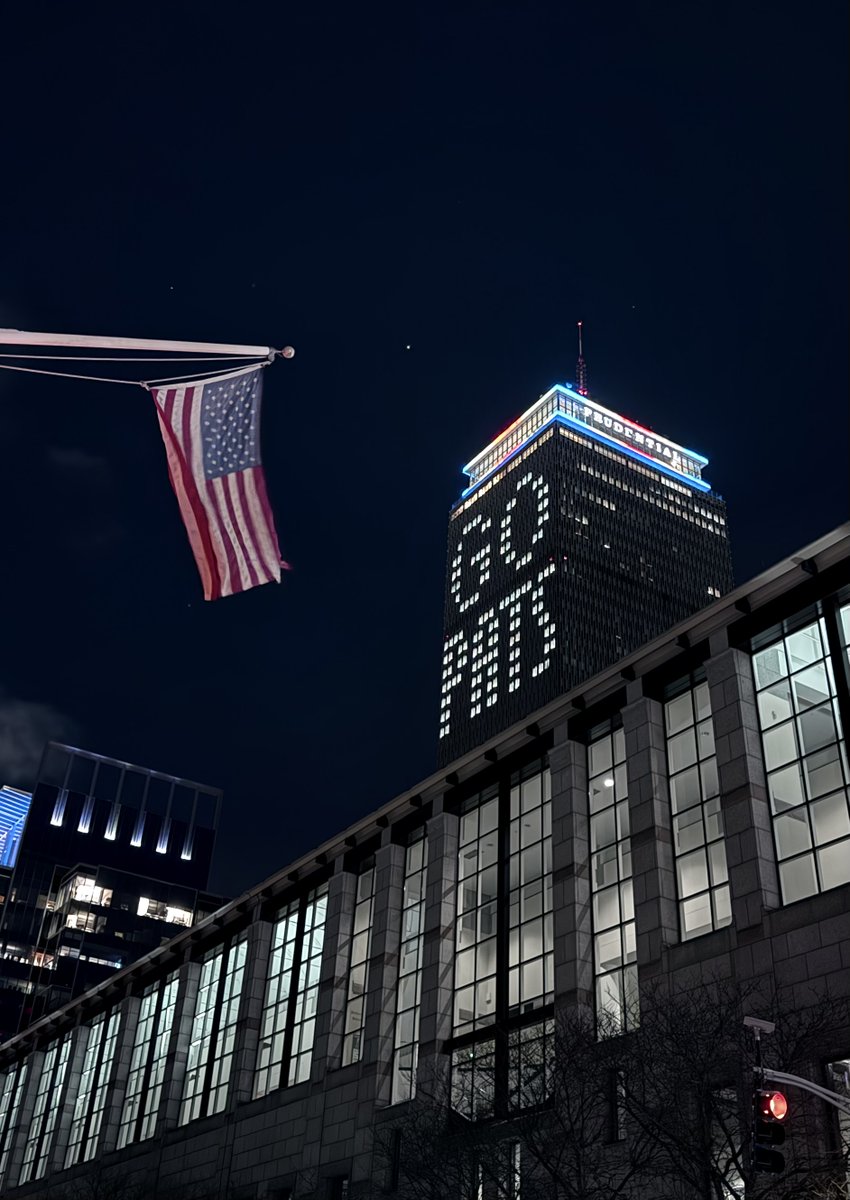
Boston is lit up for the Patriots tonight. ❤️
Only In Boston tweet media
English
28
672
6.2K
86.9K
William Sharp 🇺🇦 retuiteado
The Psychologist
The Psychologist@psychmag·
The best (and worst) books about Freud… Neuropsychologist and Psychoanalyst @Mark_Solms, author of new book ‘The Only Cure: Freud and the Neuroscience of Mental Healing’, appraises other offerings. bps.org.uk/psychologist/b…
English
1
21
65
6.1K
William Sharp 🇺🇦 retuiteado
Only In Boston
Only In Boston@OnlyInBOS·
Tuesday night in Brighton.
Only In Boston tweet media
English
10
11
145
31.8K
Psychiatry Excellence
Psychiatry Excellence@psycheureka·
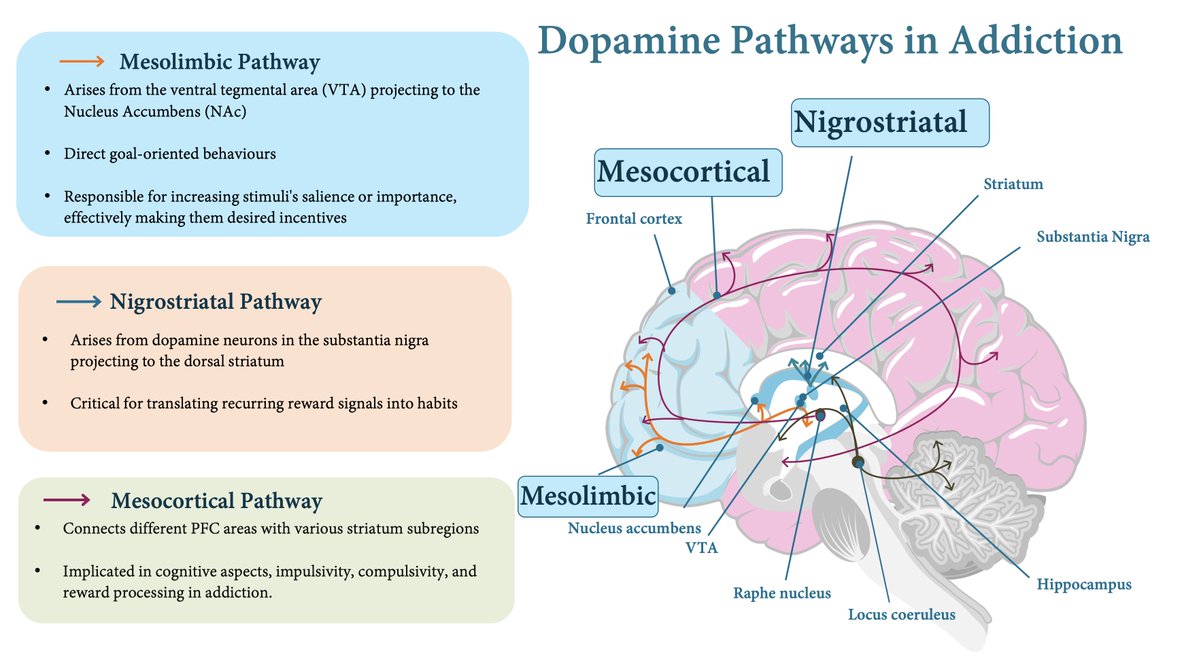
Why Is Psychotherapy Often Limited During Active Addiction? Psychotherapy is essential in addiction care, but during active substance use or acute withdrawal, the brain may be in a state where higher-order cognitive engagement is biologically constrained. Addiction is not simply a disorder of 'insight'. It is a disorder of neurocircuitry. Here’s the neuroscience behind why treatment sequencing matters: 🧵👇
Psychiatry Excellence tweet media
English
6
22
110
5.8K
William Sharp 🇺🇦 retuiteado
Susan
Susan@SeschipperSusan·
#HaikuSaturday 5/7/5 a playful penguin scurrying across the snow catch me if you can Short Form playful penguin scurrying catch me Monoku playful penguin --catch me if you can
Susan tweet media
English
4
1
11
133
William Sharp 🇺🇦 retuiteado
Only In Boston
Only In Boston@OnlyInBOS·
It's so cold here that Boston Harbor is starting to freeze over today.
Only In Boston tweet media
English
29
151
2.2K
91.1K