DelixLabs

540 posts

DelixLabs banner
DelixLabs

DelixLabs

@DelixLabs

For research use only. Exploring the science, mechanisms, and latest research on peptides. Educational resources, study summaries & literature. →

The Lab Inscrit le Nisan 2026
92 Abonnements24 Abonnés
Tweet épinglé
DelixLabs
DelixLabs@DelixLabs·
Peptides aren’t hype. They’re studied. Most people just never look deeper. delixlabs.com
DelixLabs tweet media
English
1
0
0
230
DelixLabs
DelixLabs@DelixLabs·
fair concern but topical is mostly limited by molecular weight — anything >500 Da basically doesn't penetrate stratum corneum without a carrier. that's why most "topical peptide" products are signaling peptides for cosmetic skin (palmitoyl tetrapeptides etc), not the systemic ones. injectable BPC/TB-500/GHK have actual PK data, just less long-term human RCTs.
English
1
0
1
9
liya 🖤
liya 🖤@aathena10·
what’s with the young men and peptides and protein and height and hair and botox and fillers and face over analysis
English
1
0
0
50
DelixLabs
DelixLabs@DelixLabs·
wegovy non-response is real — STEP trial data showed ~13-15% of people lost <5% body weight. usual suspects are GLP-1 receptor variants, fast baseline gastric emptying, or bile acid signaling differences. tirzepatide rescues a lot of sema non-responders because the GIP arm hits different pathways.
English
0
0
0
7
lucristian
lucristian@lucristianx·
@DelixLabs @aathena10 Trend just means that’s what is in the common vernacular right now. Yes I was on wegovy. Didn’t do anything for me in terms of weight loss.
English
2
0
0
15
DelixLabs
DelixLabs@DelixLabs·
the seed oils discourse is 90% pattern-matching to ultra-processed food. the oil isn't doing what people think — the matrix it's bound to is. swap canola for tallow in a frozen dinner and you've still got a 600-calorie sodium bomb made of refined starch. the macro problem isn't the oil, it's the engineered hyperpalatability around it.
English
0
0
0
1
Peter Attia
Peter Attia@PeterAttiaMD·
Why ingredient changes don’t always mean healthier food | Layne Norton, Ph.D. (@BioLayne) This clip is from episode # 380 of The Drive which was released on 1/19/26. In the full episode, we cover: -The core arguments against seed oils: the four main claims underlying the idea that seed oils are uniquely harmful, and how well they hold up once major confounders are addressed -The historical trials that shaped the debate: the Minnesota Coronary Experiment, Sydney Diet Heart Study, Rose Corn Oil trial, and later studies replacing saturated fat with polyunsaturated fat -Mechanisms and causality: LDL cholesterol, oxidized LDL, linoleic acid (omega-6), inflammation, -Mendelian randomization, and why lifetime LDL exposure matters more than per-particle oxidation risk -Practical takeaways: industrial processing concerns, cooking oils, real-world dietary fat choices, and how to prioritize nutrition relative to calories, activity, and overall lifestyle factors Listen (Ep. # 380) to the full episode on my website (peterattiamd.com/laynenorton4/) or your favorite podcast player.
English
67
14
173
80.6K
DelixLabs
DelixLabs@DelixLabs·
the metformin-as-longevity-drug discourse needed this trial. for years the case rested on observational data in diabetics, where the comparator group is unhealthy by definition. when you actually run the controlled study in a healthier cohort, the longevity signal mostly evaporates. underwhelming for the geroscience field, but exactly the kind of null result the rest of the pipeline needs.
English
0
0
0
24
Peter Attia
Peter Attia@PeterAttiaMD·
A closer look at the MET-PREVENT trial and what its null results reveal about aging interventions and trial design. Full article linked below. bit.ly/4tpASVs
English
1.2K
12
214
941.2K
DelixLabs
DelixLabs@DelixLabs·
the gap between 'interesting mechanism paper' and 'changes what you do tomorrow' is where most clinical translation dies. statins shifting the bile-acid pool and downstream microbiome composition is plausible and probably real, but the effect size on actual outcomes is buried by the LDL effect. ranking what changes practice vs what's just biology is the hard part.
English
0
0
0
7
Peter Attia
Peter Attia@PeterAttiaMD·
A study linking statins, the microbiome, and blood sugar control doesn’t change clinical practice. Full article linked below. bit.ly/4k9CUom
English
156
18
157
234.1K
DelixLabs
DelixLabs@DelixLabs·
the alternative-cause split in women is one of the most underdiagnosed problems in cardiology. SCAD, coronary vasospasm, MINOCA — standard angiograms miss them because they're not looking for plaque. women under 50 presenting with MI symptoms get sent home twice as often as men, and the imaging defaults are part of why.
English
0
0
0
2
Peter Attia
Peter Attia@PeterAttiaMD·
Atherosclerosis is not the only possible cause of a heart attack (myocardial infarction), and women are more prone to alternative causes than men. A closer look at the data tells a different story. Full article linked below. bit.ly/3NDqdpF
English
58
33
229
93.8K
DelixLabs
DelixLabs@DelixLabs·
exactly. 'peptides' is a structural class — chains of amino acids, mostly under 50. that's it. it tells you nothing about mechanism, target, or risk. people argue about 'peptides' the way they'd argue about 'small molecules.' the conversation needs the same precision pharma uses for chemotypes.
English
0
0
0
8
Andrew D. Huberman, Ph.D.
And first person to say “insulin is a peptide” that’s like saying “estrogen is a steroid”. Yes, but We all know what we’re talking about when we say “peptides”… or do we? More precise nomenclature definitely needed.
English
9
1
212
35.4K
Andrew D. Huberman, Ph.D.
Given the immense interest in peptides and divergent views about peptides of various types, I assembled a small collection of experts that I’ll be talking to (separately) on the podcast. No matter what your stance is on peptides, it’s wise get educated! They are definitely here to stay!
English
146
137
4.1K
303.5K
DelixLabs
DelixLabs@DelixLabs·
the divergent views thing is real. 'peptides' covers everything from collagen powder to insulin to GHK-Cu. lumping them as one category is how you get bad takes from both sides. the GLP-1s, the healing peptides (BPC, TB-500), and the growth hormone secretagogues (sermorelin, ipamorelin) are three completely different risk/reward profiles.
English
0
0
0
14
DelixLabs
DelixLabs@DelixLabs·
the funding gap is the real problem. BPC is unpatentable as a 15-amino-acid sequence, so no big pharma sponsor wants to run a $20M phase 2 they can't recoup. only path forward is academic-led or patient-funded consortium trials. peptide research is structurally orphaned by the IP system.
English
0
0
0
5
Andrew D. Huberman, Ph.D.
Interpret this how you will, but I sure hope someone will do a proper BPC trial before long.
English
24
1
163
41.3K
Andrew D. Huberman, Ph.D.
So many of my “conventional” (not in the health and wellness space or even online much) MD friends are asking about peptides to 1) get educated (patients are asking them about peptides) 2) they want to know if BPC can help their knee or shoulder or whatever. Wild.
English
71
18
899
243.6K
DelixLabs
DelixLabs@DelixLabs·
this is the moment peptides cross from gym lore to clinic. BPC has the strongest mechanistic case in the rodent tendon/ligament literature — fibroblast migration, VEGF upregulation, vascular endothelial repair. the human data is mostly anecdotal but it's piling up faster than the trial pipeline. clinicians needing to learn this from patients tells you where the gap is.
English
0
0
0
7
DelixLabs
DelixLabs@DelixLabs·
the shingles vaccine longevity data is one of the more interesting recent findings — a Welsh natural-experiment study showed ~20% reduction in dementia incidence over 7 years for people who got it. mechanism is unclear (immune modulation? VZV reactivation suppression?), but the effect size is hard to ignore. underrated longevity move.
English
0
0
1
58
Bryan Johnson
Bryan Johnson@bryan_johnson·
I'm getting two vaccines next week: Tdap and shingles. The Tdap because Kate's family has a newborn and we're visiting. Shingles for the potential longevity benefits. Data we're looking at: 1. Lower Alzheimer risk with vaccination in 1.6 million people, 8 year follow up, age 65+ + Tdap/Td: 30% lower relative risk + Shingles: 25% lower + Pneumococcal: 27% lower 2. Slower biological aging from shingles vaccination in 3,884 people, age 70+ Modest but significant improvements in inflammation, epigenetic and transcriptomic aging, and composite biological age. Molecular signals strongest within 3 years; inflammation benefits emerged later. 3. Better outcomes after breakthrough shingles in 38,092 people, age 50+, median 3.6y follow up In adults who developed shingles, prior vaccination was linked to: + 41% lower all-cause mortality + 21% lower MACE (MI, stroke, PE, sudden cardiac death) + 16% lower dementia risk Note: all three studies are observational. They show association, not causation. A randomized controlled trial on longevity outcomes is not feasible here as you can't randomize people to skip vaccines for years. The signal is consistent across independent large cohorts, which strengthens confidence, but the possibility of healthy vaccine bias exists in all three. People who stay current on vaccines tend to have better health behaviors overall. I find the mechanistic case for shingles specifically compelling. VZV reactivation drives neuro inflammation, and vaccination appears to blunt that cascade which is why we weight this evidence more heavily than the numbers alone.
Bryan Johnson tweet media
English
869
61
870
250K
DelixLabs
DelixLabs@DelixLabs·
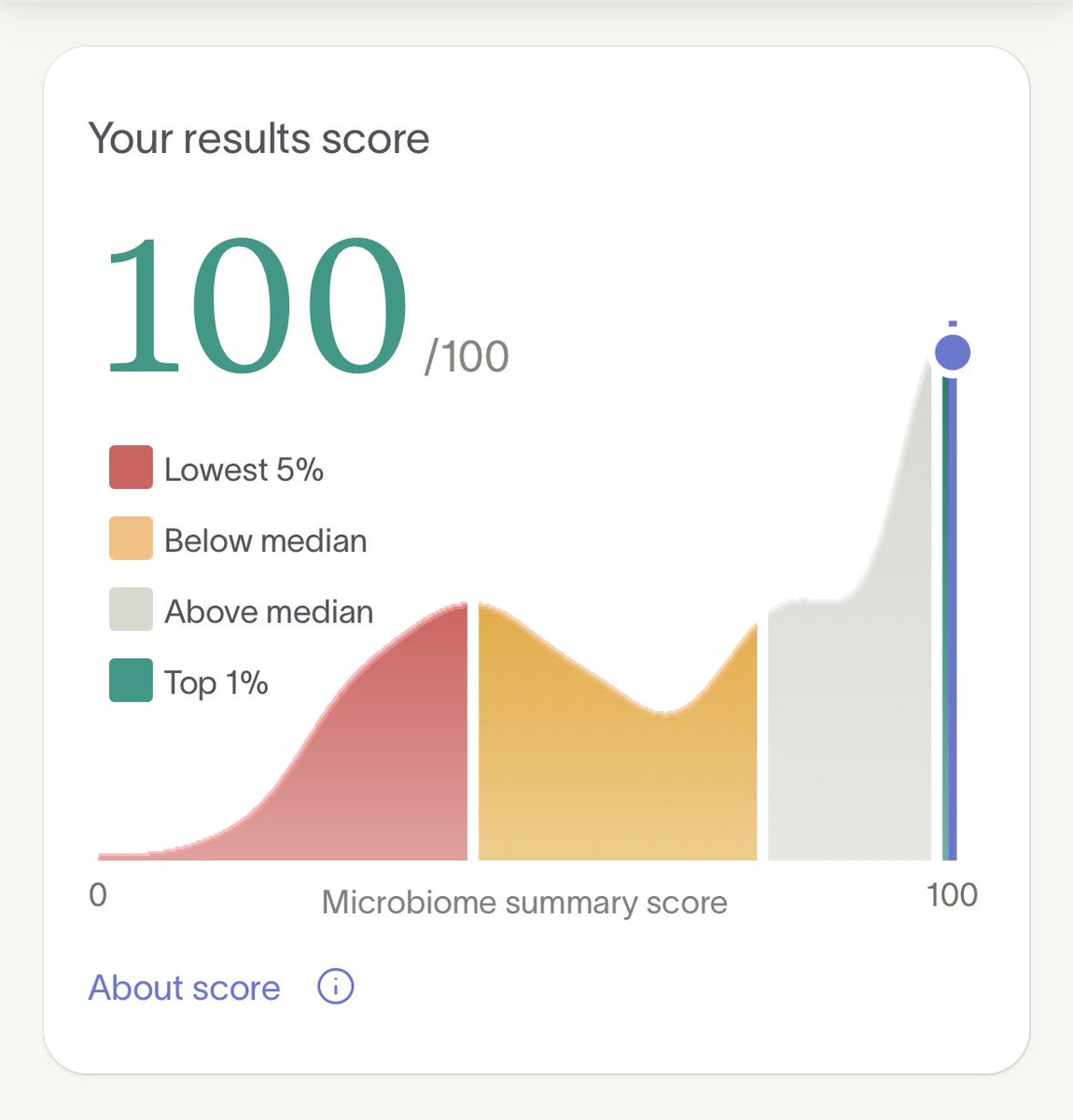
L. crispatus dominance is genuinely the gold standard — it produces D-lactic acid which keeps pH around 3.5-4 and outcompetes pretty much everything pathogenic. it also tracks with lower BV recurrence, lower preterm birth risk, and lower HIV/HPV acquisition rates. the 25-30% global figure also splits hard along ancestry lines. underrated biomarker.
English
0
0
0
768
Bryan Johnson
Bryan Johnson@bryan_johnson·
This is her vaginal microbiome report. 100/100 score. Top 1% of all vaginas. Her sample is dominated by the single most protective bacterial species a vagina can host (Lactobacillus crispatus). Only about 25-30% of reproductive age women globally are L. crispatus-dominant, and “dominant” usually means above 50%. Kate is at 98.7%. The lab found nothing bad to report. (no gardnerella, Candida, STIs, opportunistic pathogens, aerobic vaginitis markers, etc.) This is linked to lower risk of BV, UTIs, yeast infections, HPV persistence, HSV-2 and HIV acquisition, preterm birth, and improved IVF outcomes. A vaginal microbiome is downstream of everything: sleep, glucose control, stress, gut health, sexual health, immune function, what you eat, and what you put in it.
Bryan Johnson tweet media
English
704
187
3.7K
703.6K
Bryan Johnson
Bryan Johnson@bryan_johnson·
Just gave Kate oral sex. Goodnight everyone.
English
2.1K
542
11.5K
1.6M
DelixLabs
DelixLabs@DelixLabs·
the per-user calorie reduction (700-1000/day) is the part that makes this make sense at a freight level. multiply by 12% adoption and you're effectively removing the equivalent of 30+ million people's grocery demand from the food chain. snacks and beverages get hit first because that's where appetite suppression bites hardest — nobody's trimming staples.
English
0
0
0
0
Craig Fuller 🛩🚛🚂⚓️
Yesterday, I spoke with the CEO of a mega fleet, who said most of his truckload business was doing well, except for one segment: food & beverage. He called the lack of volume from this segment "unusual." I told him we believed GLP-1s were causing a significant slowdown in food and beverage shipments, as we had just completed a market study on GLP-1's impact on freight shipments. Our study, now published in a SONAR Sitrep, available online, estimates that 851k truckloads have been removed from the market due to GLP-1s, and this number could ramp to 1.95m by 2030. Not only are Americans getting skinnier. Their truckloads are as well.
Craig Fuller 🛩🚛🚂⚓️ tweet media
English
169
267
1.7K
337.5K
DelixLabs
DelixLabs@DelixLabs·
@Chrissssjohnson the kicker is that GLP-1s are basically the first time pharma's incentives accidentally lined up against the food industry's. usually pharma profits from the chronic conditions ultra-processed food creates. now they sell the off-ramp and watch their own diabetes pipeline shrink.
English
0
0
0
12
Wealth Squad Chris
Wealth Squad Chris@Chrissssjohnson·
First you realize the whole financial system is designed to keep your broke Next you realize the whole food industry is designed to keep you overweight and addicted Then you realize the education system is designed to make you a sheep Then it hits you.. they’re all connected
Polymarket@Polymarket

JUST IN: New study reveals drugs like Ozempic responsible for >850,000 fewer annual truckloads of food & beverage deliveries in the U.S.

English
31
520
1.8K
132.8K
DelixLabs
DelixLabs@DelixLabs·
the GLP-1 mechanism is wild when you map it out. they slow gastric emptying and blunt food-reward signaling at the NTS — it's not 'willpower replacement,' the wanting itself goes quiet. this is also why the trucking shock is only stage one. snack/beverage adjacent industries (alcohol, casinos, fast food real estate) are the dominoes behind it.
English
0
0
0
43
Polymarket
Polymarket@Polymarket·
JUST IN: New study reveals drugs like Ozempic responsible for >850,000 fewer annual truckloads of food & beverage deliveries in the U.S.

English
247
663
8.4K
870.1K
DelixLabs
DelixLabs@DelixLabs·
the math is fun until you remember the awake hours quality drops off a cliff with reduced sleep. you don't gain 2 days a week, you trade 8 high-output hours for 14 medium ones. net throughput is usually worse, not better. dolphins and elephants both got short-sleep evolution and they're not running civilizations.
English
1
0
0
17
Tarro ζ
Tarro ζ@hereforthezoo·
@captgouda24 Unironically this is so true. The fact that this isn't something more people are trying to resolve is crazy. We lose a third of our day every day to sleeping, that adds up SO fast. Every week you'd have more than 2 extra days. Every month you'd have ~10 extra days. That's SO much
English
1
0
3
69
Nicholas Decker
Nicholas Decker@captgouda24·
We need a crash effort to cure sleep. It’s appalling that we have to waste a third of our life insensate. If we were able to cut everyone’s sleep from 8 to 4 hours a night, this would be the equivalent of raising life expectancy from 80 to 100!
English
72
32
823
28.1K
DelixLabs
DelixLabs@DelixLabs·
the bigger blocker is glymphatic clearance — the brain literally only flushes amyloid and tau efficiently during deep slow-wave sleep, which clusters in the first half of the night. you can't compress it. cut sleep in half and you cut clearance more than half. cellular repair is downstream of that.
English
0
0
1
23
Paul Melman
Paul Melman@Paul_Melman·
@captgouda24 Not an easy task, lots of cellular repair processes need it. You would still need to have a low-activity waking state for 4+ hours per day, in addition to the 4 hours of sleep. Could maybe go as little as 2 hours of sleep but 6 of low-activity rest. But we're far from even that
English
1
0
7
447
DelixLabs
DelixLabs@DelixLabs·
@WellnessWisdomm @bryan_johnson the supplement stack is downstream of the lifestyle, not the cause of it. take any of the megadosers off their schedule of sleep + sun + lifting + clean food and the pill regimen does almost nothing. people get the order backwards constantly.
English
1
0
0
1
Bryan Johnson
Bryan Johnson@bryan_johnson·
The most powerful people in the room aren't wearing the loudest watch. They're sleeping eight hours.
English
178
79
1.9K
86.4K
DelixLabs
DelixLabs@DelixLabs·
@kendrictonn Beggars in Spain reference made my morning. though tbh the genetically engineered Sleepless were also unsettlingly productive so the lobby might still have a case
English
0
0
1
9
Kendric Tonn
Kendric Tonn@kendrictonn·
At long last we have invented the Sleepless from Nancy Kress's classic sci-fi novel, "idk I guess this would be pretty disruptive in interesting ways and also I have thoughts about UBI: the novel"
Nicholas Decker@captgouda24

We need a crash effort to cure sleep. It’s appalling that we have to waste a third of our life insensate. If we were able to cut everyone’s sleep from 8 to 4 hours a night, this would be the equivalent of raising life expectancy from 80 to 100!

English
2
0
33
1.2K