Tweet épinglé

Extremum Adventura
35K posts

@ExtremumAdv
RU War Cost alone $2.3 Trillion. The Truth is Out There | Cognitive Dissonance With Mass & Energy | Epitaph https://t.co/KmrdnknVQe

“Russia is an enemy,” former Finnish PM Sanna Marin tells #EuropeToday, warning Portugal, Spain and France are not safe from attack even though they are further from the Russian border. Thoughts? Write them in the comments, then watch the full interview: l.euronews.com/Ir1B


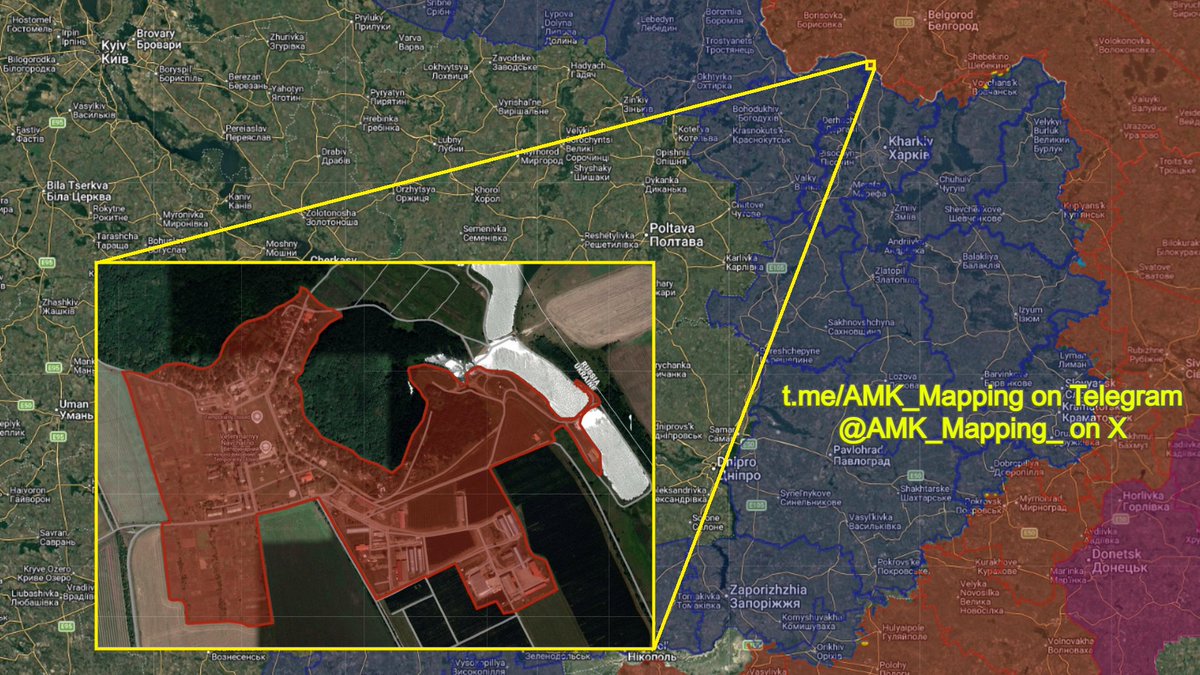
Tuapse Acid Rain, Mordor Feat. Waste #CrimeaisUkraine

On the 10th anniversary of the Paris Agreement, at a time when climate action and the energy transition seem to have faded into the background, I argue in my latest piece that both sides of the debate — climate activists and climate sceptics — were wrong all along. Climate activists, for their part, were (are) wrong to maintain that civilisation-ending consequences are locked in unless emissions reach net zero by some unmovable date in the near future — a claim that’s both scientifically false and politically counterproductive. But the sceptics were (are) wrong to dismiss the energy transition altogether. For countries that lack abundant domestic fossil fuel reserves, reducing dependence on imported hydrocarbons is not an act of idealism — it’s a matter of hard-nosed national interest. However the reason the climate agenda failed — on its own terms, as well as in terms of spurring more sovereignty-based approaches — lies in how the entire debate was framed from the outset. Since its origins at the 1992 Rio Earth Summit, the UN Conference of the Parties (COP) process has been defined by two inseparable characteristics: catastrophism and globalism. Not only did apocalyptic narratives generate fatalism instead of action, but more importantly, by framing climate change as a planetary problem necessarily requiring global governance and coordination, COP foreclosed more practical, interest-based approaches to decarbonisation rooted in energy sovereignty. Any action taken by a single country was implicitly framed as futile; only coordinated global action counted. Moreover, the kind of state-directed industrial policies needed to actually build the infrastructure of decarbonisation ran counter to the market-oriented neoliberal zeitgeist. This logic delegitimised countries such as China, which were actually investing in decarbonisation through five-year plans, massive subsidies and deliberate manufacturing scale-up rather than multilateral consensus. This framing, however, was not simply a strategic error; it was, in part, deliberate. COP took shape precisely as globalisation was being institutionally embedded: the first Rio conference in 1992 coincided with the signing of the Maastricht Treaty, which marked the birth of the European Union. Arguing that democratic decision-making had to give way to technocratic governance in the name of planetary salvation served to reinforce this broader supranational project. This globalist orientation was compounded by the ideological makeup of the climate movement itself. Stemming predominantly from liberal internationalist and pseudo-Marxist traditions, most environmental activists and writers share those traditions’ hostility to the nation-state. In their view, national sovereignty is an obstacle to be overcome by international governance. The result was predictable: more conservative and nationally oriented people and politicians came to associate any energy transition policy with globalism and its discontents, ensuring that the issue became entangled in the Western culture wars and depriving it of any positive, sovereignty-affirming interpretation. But it’s not too late. As I argue in the article, for any country that is serious about sovereignty, security and long-term economic resilience, the case for reducing fossil fuel import dependence remains a strong and entirely self-interested one. Read more here: unherd.com/2026/04/the-pa…


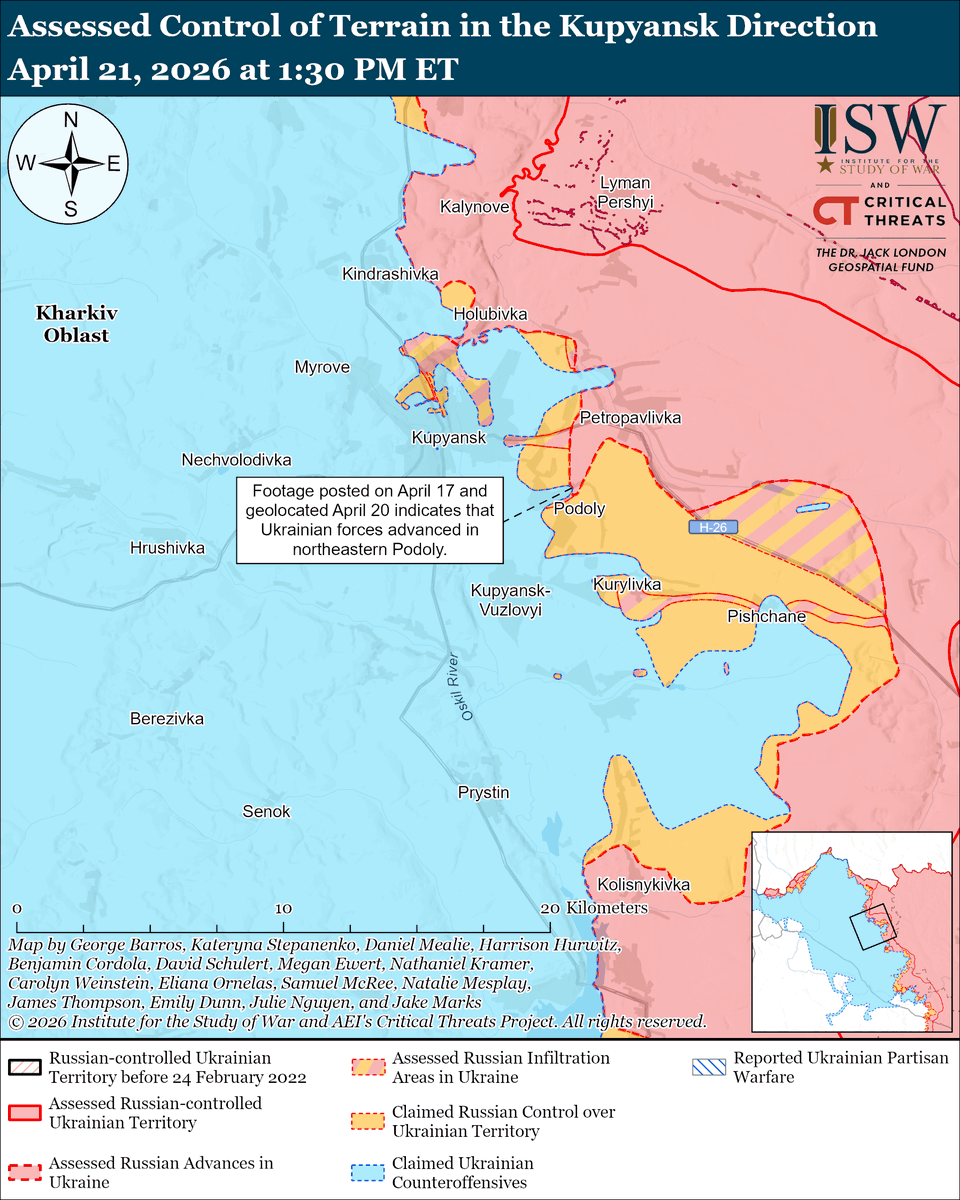
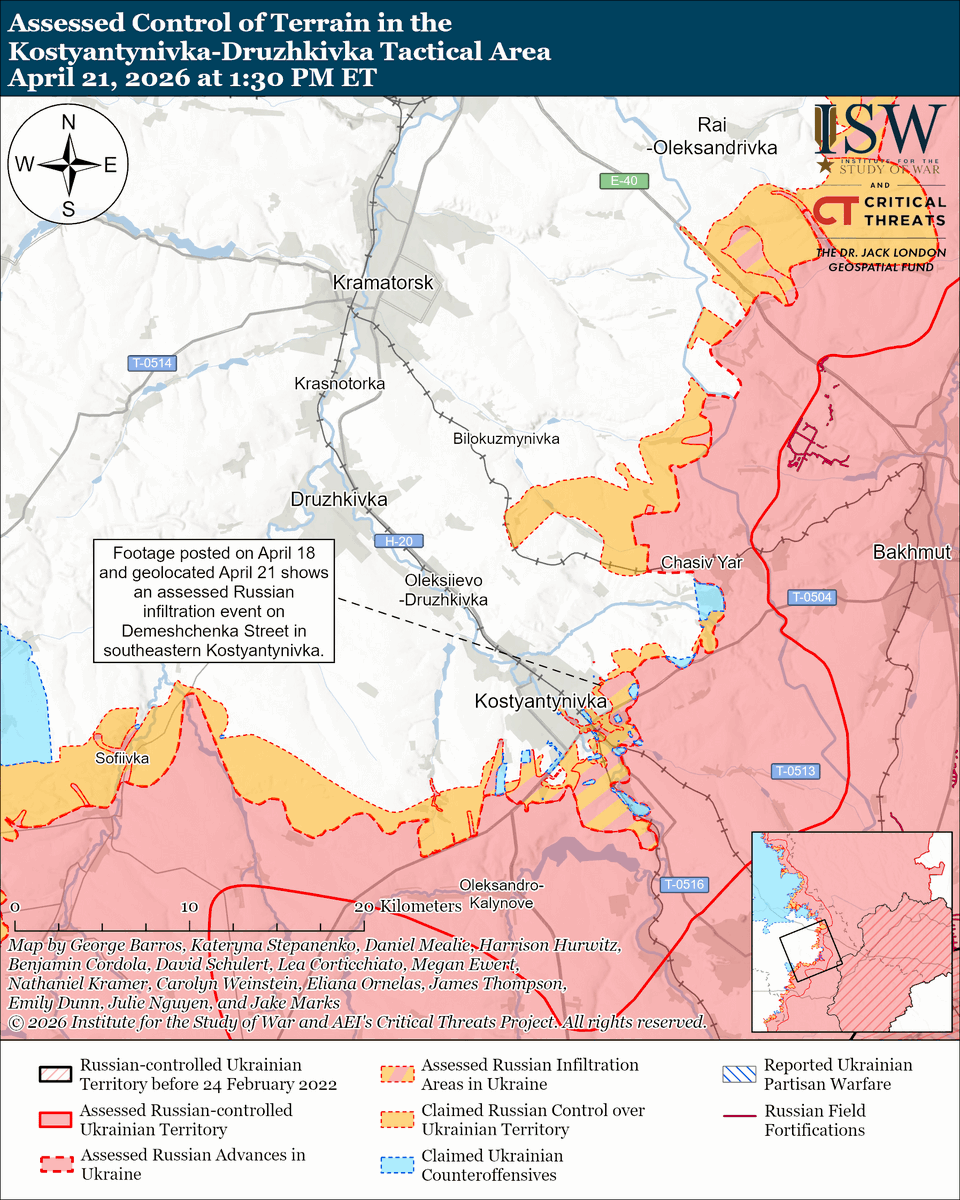
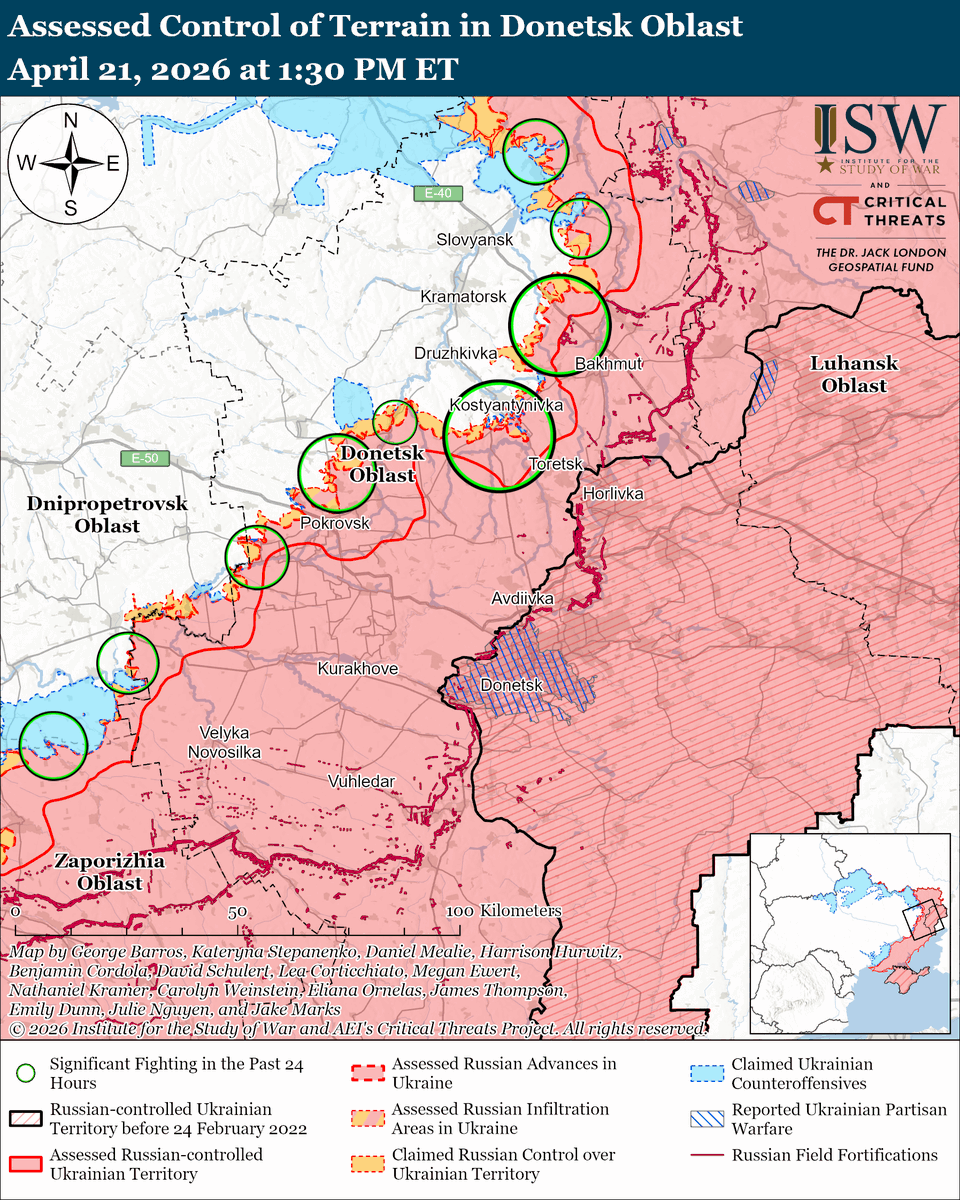
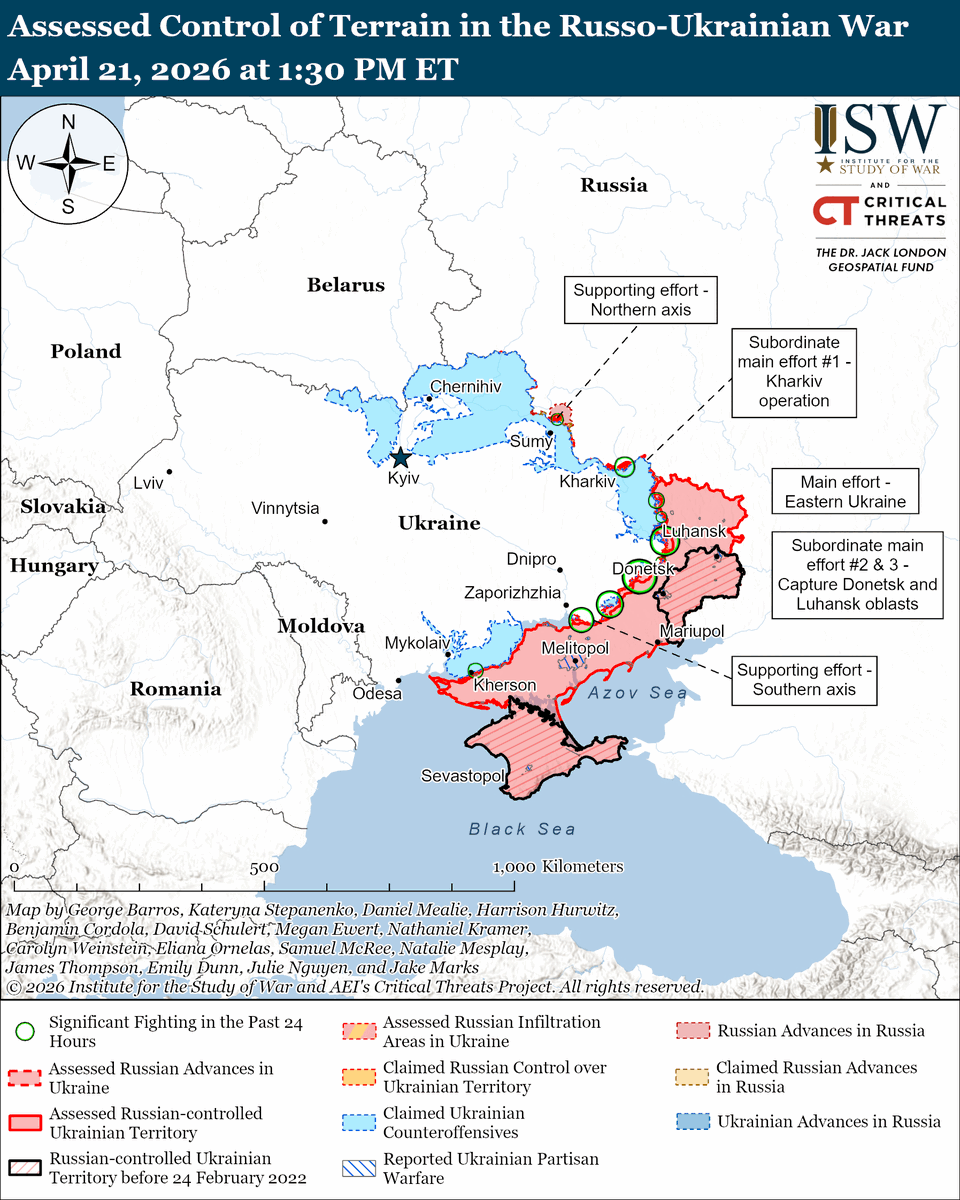



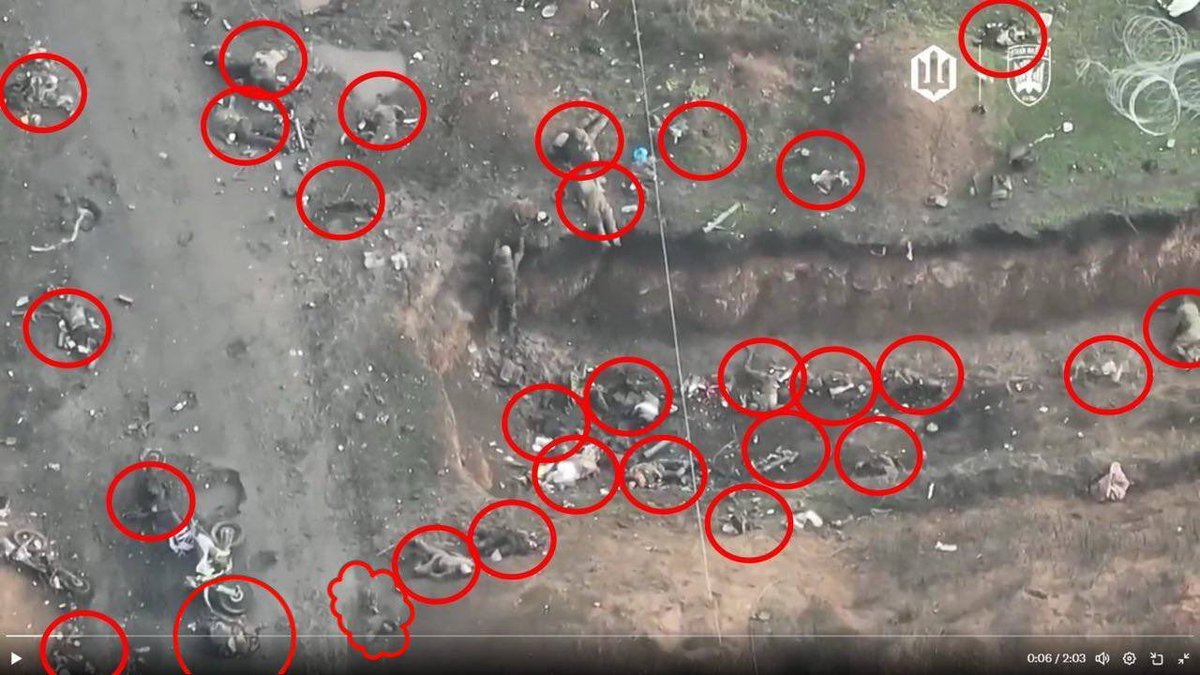




🟥Rus topçu birlikleri Kostyantnivka şehir merkezini ve T0504 otoyolunu ağır şekilde vuruyor. Kostyantnivka'ya son 1-2 aydır bu çaplı bombardıman yapılmamıştı. Sanırsam bu sabah veya yarın Wagner Şirketi Ivanıske'yi almaya çalışacak.
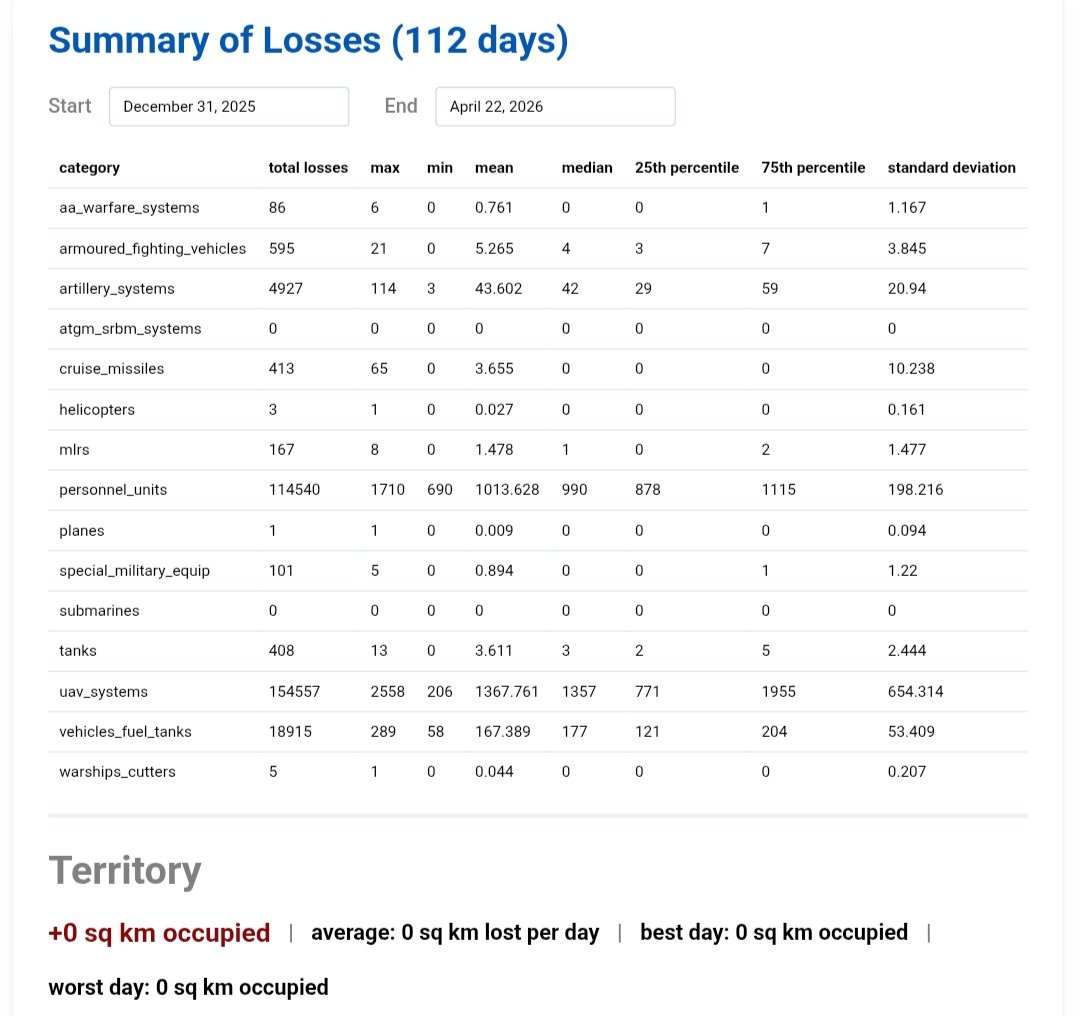
⚡️ RUSSIA'S WAR AGAINST UKRAINE — APR 22, 2026 ■ Highest engagements this month and casualties above average; no confirmed territorial change ■ Drone and land-based equipment losses well below the 7-day average ■ 🇷🇺 overnight attacks below average (all drones), with an improved interception rate ■ 8 🇺🇦 strikes reported; only 🇷🇺 air strikes above average 📈 See dashboard for full data: datastudio.google.com/s/jaiv9GqQBPQ