

Gbite
144 posts
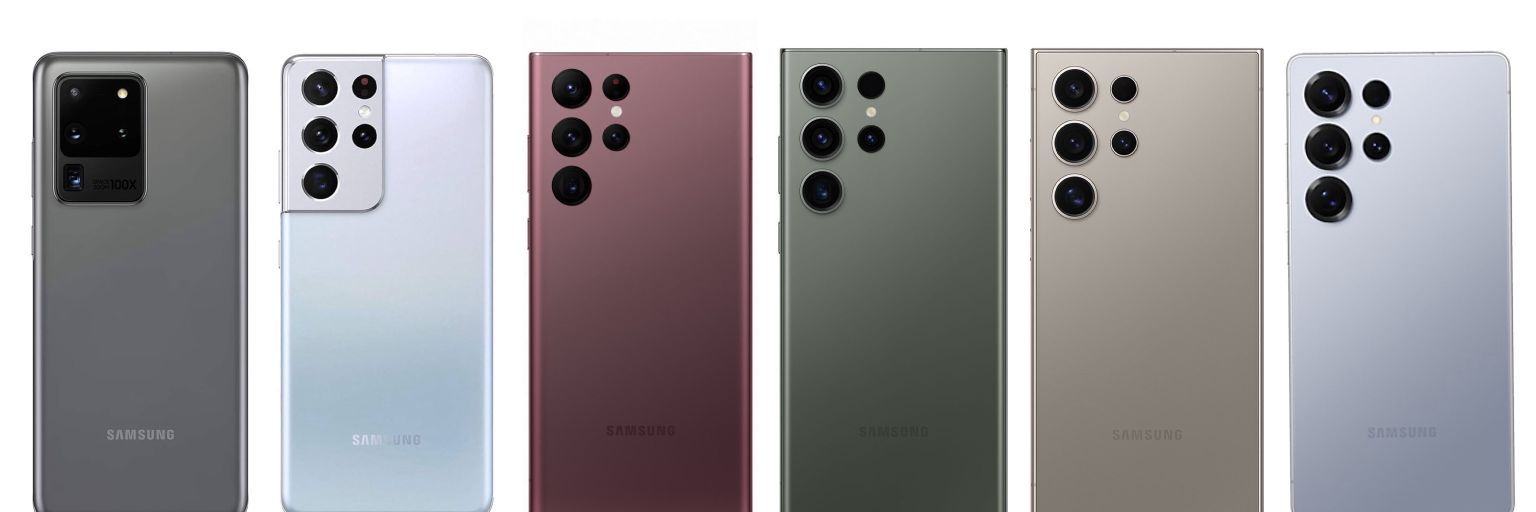

Day 1 of switching to the Samsung Galaxy S24 Ultra (as an iPhone user)
the first thing i noticed was the build. this thing’s shaped like a LITERAL BRICK. it definitely takes some getting used to- especially since i’m coming from the very compact iPhone 17 Pro- but i actually kinda like it ngl
the screen on the S24 Ultra is perfectly flat and rectangular, which is rly nice for watching content. i don’t quite know how to describe it, it just feels sort of… natural. cuz like. rectangular screen, rectangular content. you get what i mean.

English
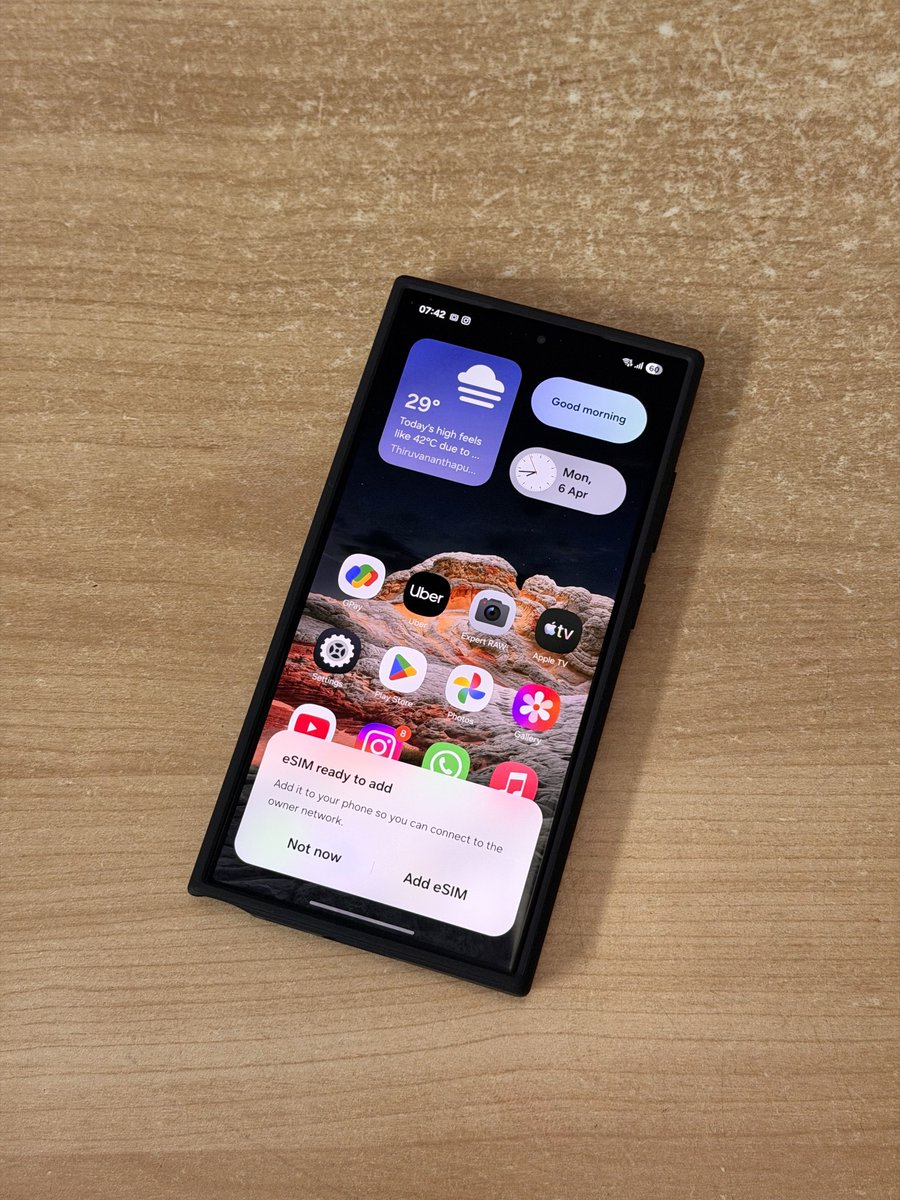
@ParasmeSaurabh insanely smooth in my opinion and build quality is really good and cameras is average in daylight and battery life getting 7-8 hours sot with 5G and max brightness.
English

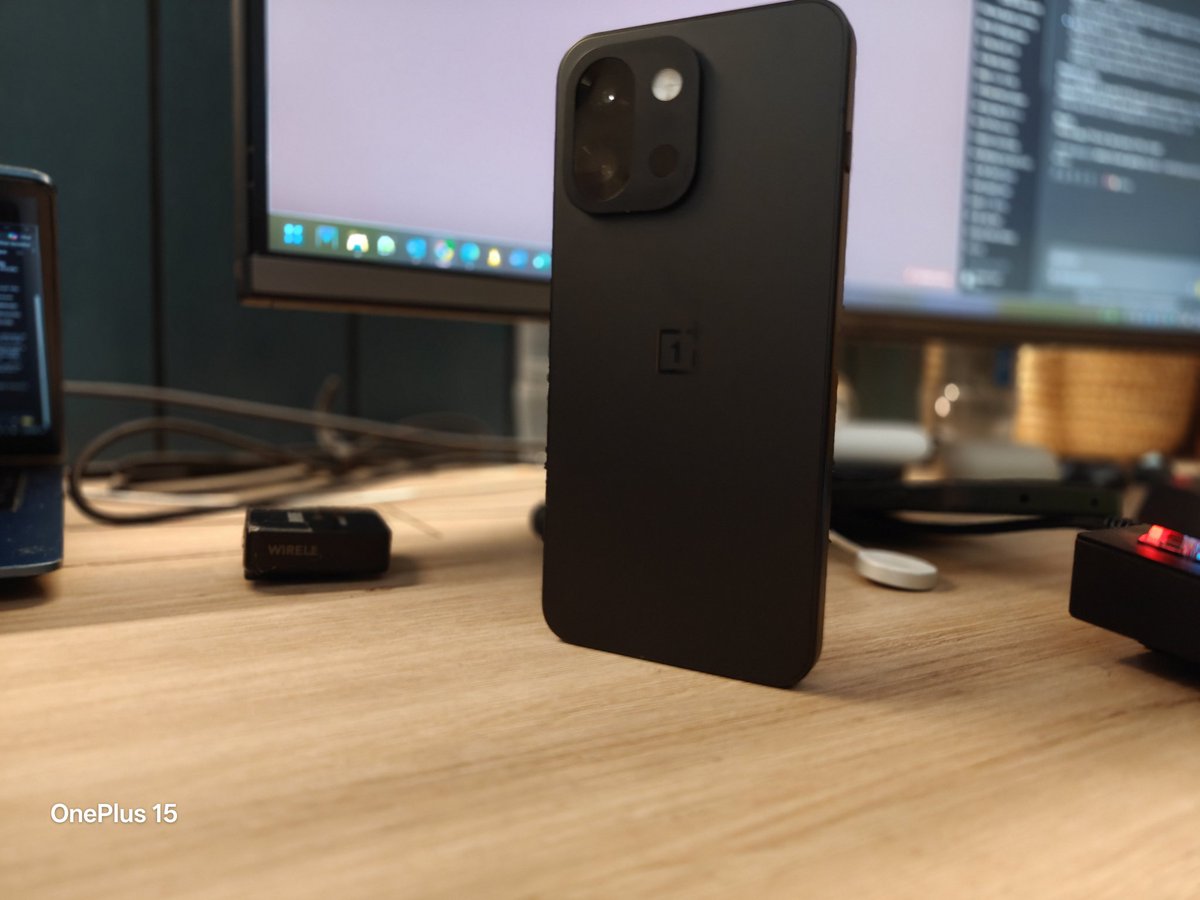
Anyone using OnePlus 13s ? What's your feedback.. Well I have used it for a month again... interested to know about it ?
Launched at 55k, now it can be purchased around under 45k..
Let me know...
English




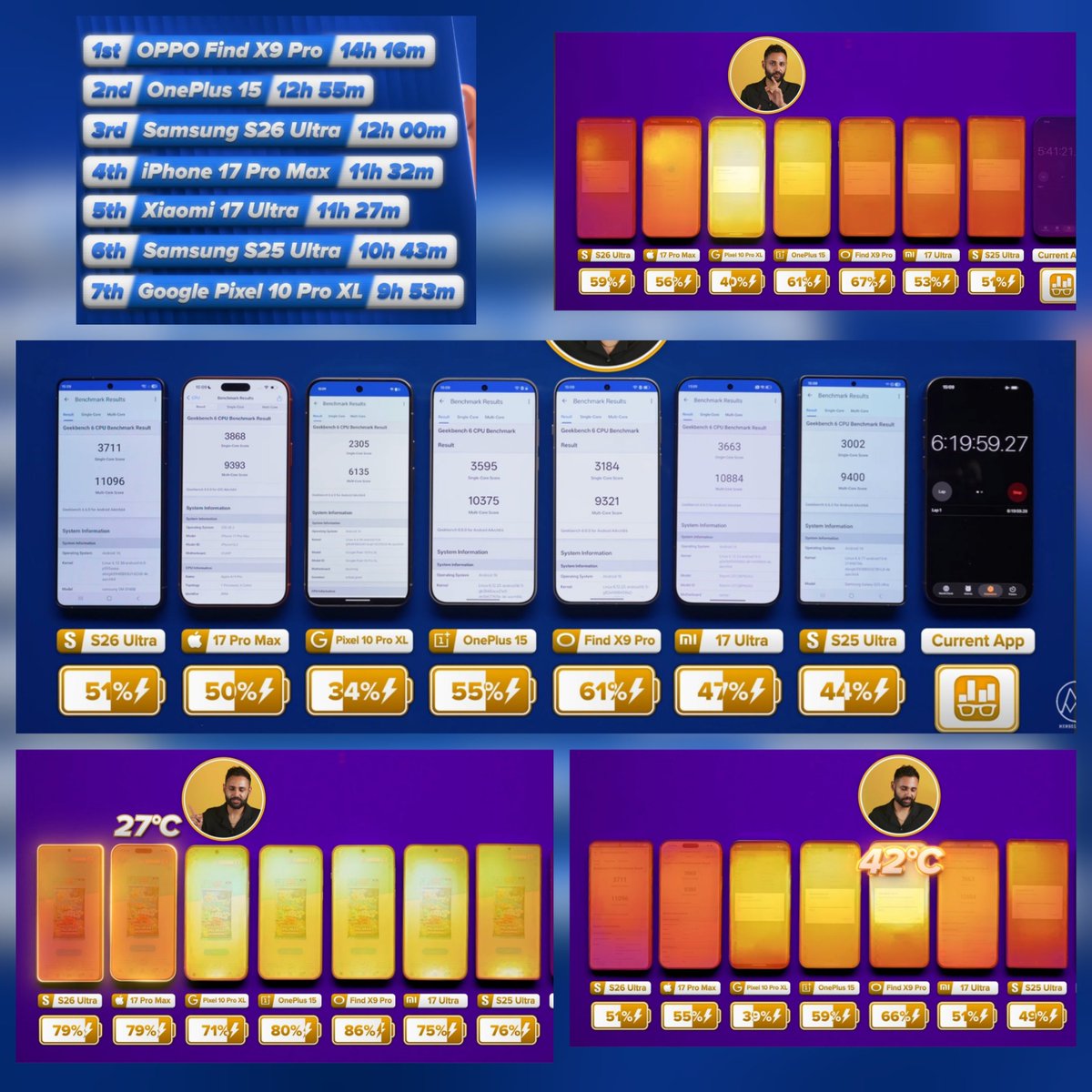
@Mrwhosetheboss Battery test ⚡
S26 Ultra 12h00m Beats iPhone 17 Pro Max – 11h32m. Both finished 3rd & 4th…
but here's the twist 👀
They were the coolest devices during the whole test and kept the highest performance stability.
🥇 Oppo Find X9 Pro – 14h16m
Longest battery… but the hottest phone in the test and performance dropped to last-gen S25 Ultra level just running warmer.
🥈 OnePlus – 12h55m
Xiaomi 17 Ultra – 11h27m
S25 Ultra – 10h43m
Pixel 10 XL – 9h53m (lowest performance)
Battery isn't just hours.
It’s hours + heat + sustained performance.
Choose your winner wisely. 🔋🔥
English

🟢 GEFORCE DAY IS BACK 🟢
To celebrate, we're giving away TWO GeForce RTX 5080 Founders Edition GPUs, signed by NVIDIA CEO Jensen Huang.
Want one? Comment "GeForce Day" for a chance to WIN & stay tuned for more!

English


Attention A14 5G users❗
After a major OS update, new security update released for Galaxy A14 5G (Africa) today.
📱A146P
Build info:
A146PXXSCEYG1/A146POJMCEYG1/A146PXXSCEYG1
#OneUI7 #GalaxyA14 #Samsung

English


Samsung resumed OneUI7 rollouts in India❗
📱 Galaxy A05 (Model: A055F)
📱 Galaxy M05 (Model: M055F)
📱 Galaxy F05 (Model: E055F)
#Samsung #OneUI7 #GalaxyA05 #GalaxyM05 #GalaxyF05 #Android15


Eesti

Soooo, what Samsung phone are you using right now? 👀
English

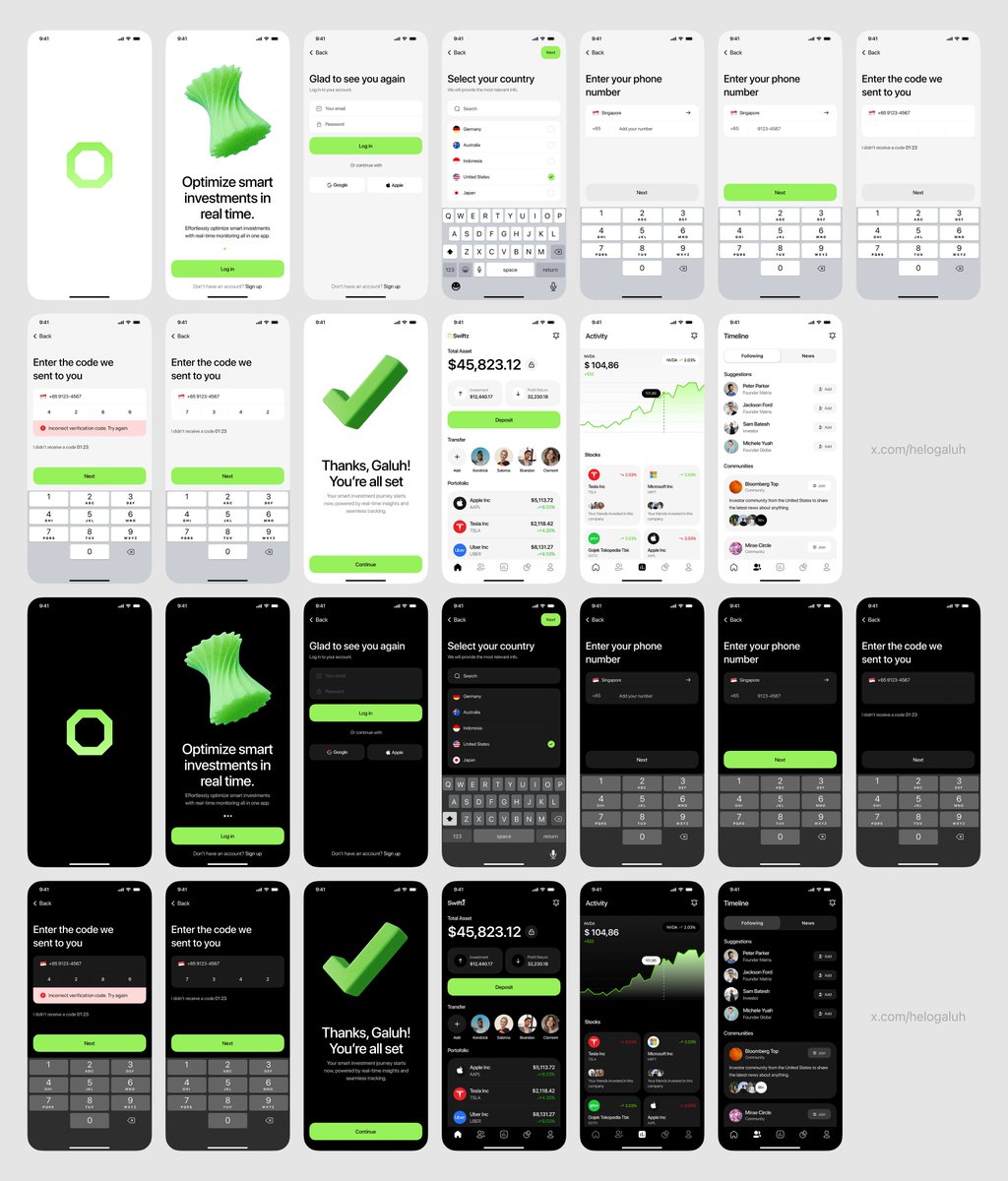
🎁 FREE Swiftz UI Kit – Light & Dark Mode
Just finished designing a clean, mobile-first UI kit for investment apps — and I’m giving it away for FREE! 💸
What’s inside:
🌙 Light & Dark Mode
📱 20+ Mobile-Optimized Screens
🎯 High-quality, clean visual system
🔍 Perfect for learning and remixing
How to get it:
❤️ Like this post
💬 Comment “App”
👤 Follow so I can DM you the link
⚠️ Free for 48 hours only — don’t miss out!
English
@grok @the_sidhdharth @nothingindia @nothing Nothing 3 16 +512 Gb storage and in black colour too thanks
@grok @nothingindia
English

Too many DMs asking for free phones. Let’s settle this. Follow us and reply with the Nothing phone you want. @grok pick one reply after 48 hours.
Happy weekend! 🧞
English

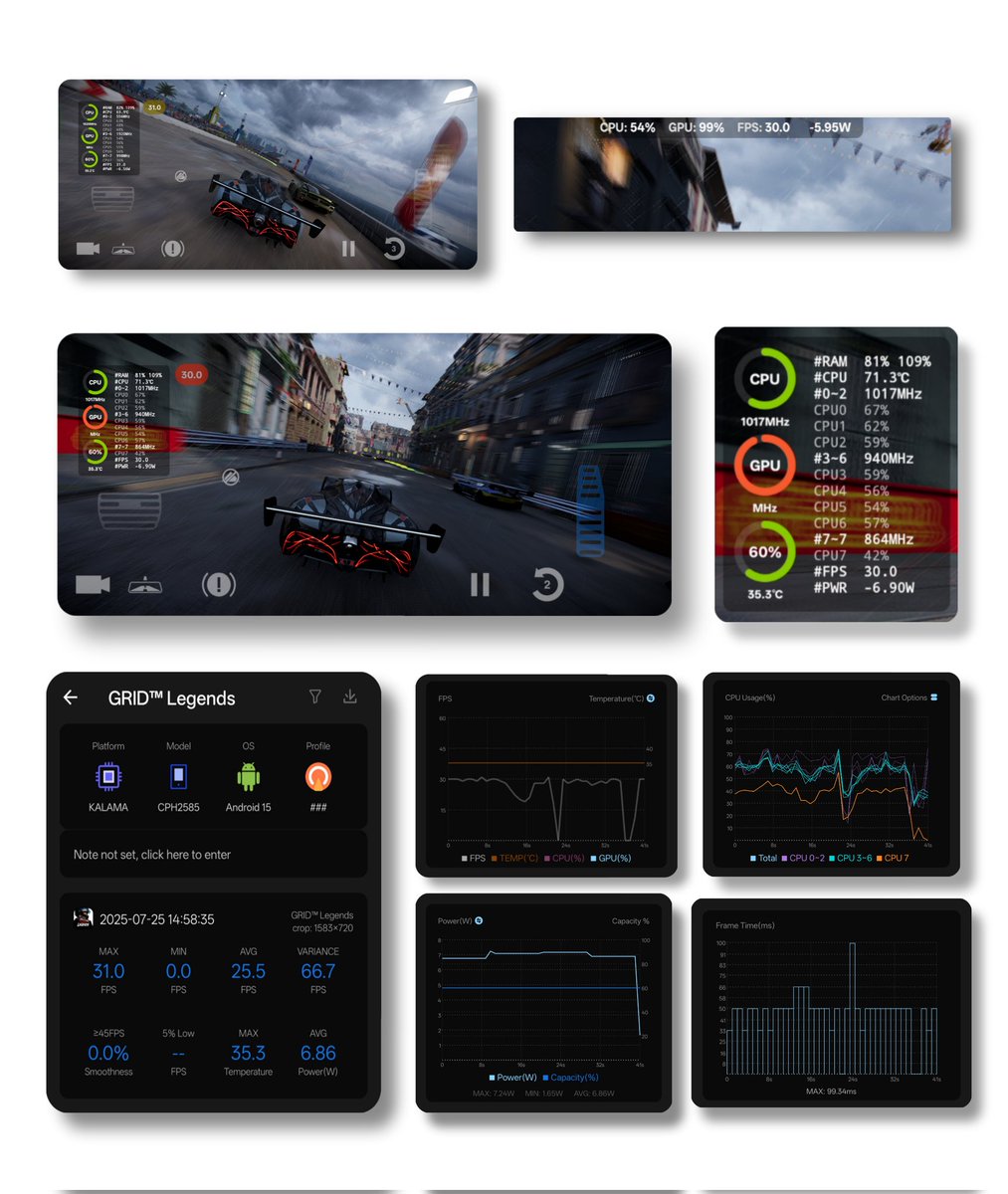
How to get this powerful performance monitoring overlay on your phone – Full Tutorial Thread 🧵
English
@durreadan01 My friend's dad has same phone and 2 rings went missing and dust got in lens 💀
English




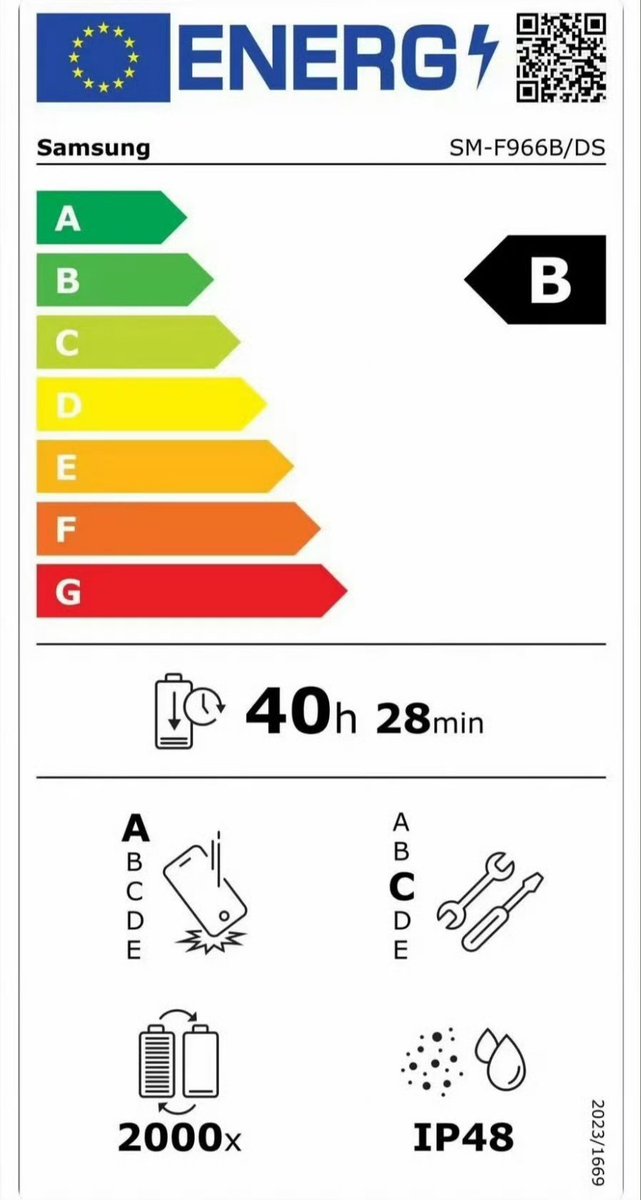
You only see the Galaxy Z Fold7's 4400mAh battery, but you overlook its EU-certified insane 2000 charge cycles (retaining 80% capacity)—a feat none of those high-capacity silicon-carbon anode batteries you idolize can achieve. Their so-called "high capacity" comes at the cost of sacrificing battery lifespan.
Samsung Faces Multiple Regulatory Constraints in the EU
How EU Regulations Shape Samsung's Conservative Battery Strategy
Samsung's decision to keep battery capacities below 5000mAh is heavily influenced by EU regulations in several key areas:
1. Safety & Certification Costs
Strict EU CE certification and EPREL data verification require high-capacity batteries to undergo more complex safety tests (e.g., overcharge, short-circuit), increasing compliance costs.
Regulations also mandate battery management systems (BMS) to track health data, raising technical barriers.
Post-Galaxy Note 7, Samsung prioritizes safety, favoring proven 5000mAh solutions over riskier high-capacity (e.g., 7000mAh) alternatives.
2. Repairability & Design Complexity
The EU’s removable battery mandate (effective 2027) forces Samsung to redesign battery housings, potentially compromising slim, premium aesthetics.
Foldable phones face greater challenges due to hinge mechanisms, further limiting capacity breakthroughs.
Higher repairability scores require easier disassembly, pushing Samsung to balance complex hardware (e.g., flexible displays) with compliance—often favoring simpler, existing capacities.
3. Sustainability & Cost Pressures
Carbon footprint disclosure and recycling rate rules inflate production costs for high-capacity batteries (e.g., silicon-carbon).
Samsung likely prioritizes eco-friendly, mature battery tech over capacity expansion.
Mandates like 7-year spare parts availability and 5-year software support strain resources, incentivizing optimization of current capacities (e.g., 5000mAh) over risky upgrades.
4. Cycle Life Requirements
EU standards demand 800 cycles (2025) and 1000 cycles (2028), exceeding current silicon-carbon battery performance (600-800 cycles).
To comply, Samsung must invest in materials or BMS improvements, potentially delaying high-capacity (5500mAh+) adoption.
Foldables, with their space constraints, face even tougher trade-offs, likely sticking to 4400-4800mAh in the near term.
5. Global Supply Chain Harmonization
Though EU rules apply only to the EU/EEA, Samsung tends to standardize designs globally to streamline production.
Developing EU-specific high-capacity batteries would raise costs, making universal 5000mAh solutions more practical.
Conclusion
Samsung’s conservative battery strategy reflects a calculated response to EU regulations—prioritizing compliance, safety, and cost efficiency over raw capacity gains. While competitors tout bigger numbers, Samsung bets on longevity and reliability, even if it means smaller batteries on paper.
English

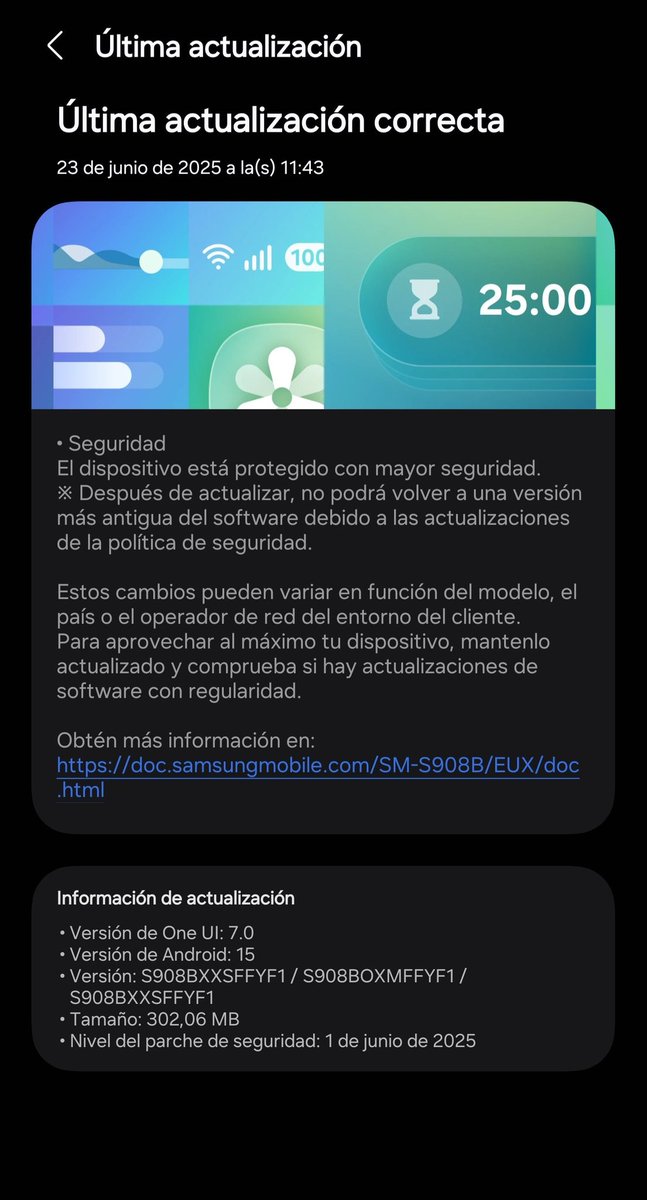
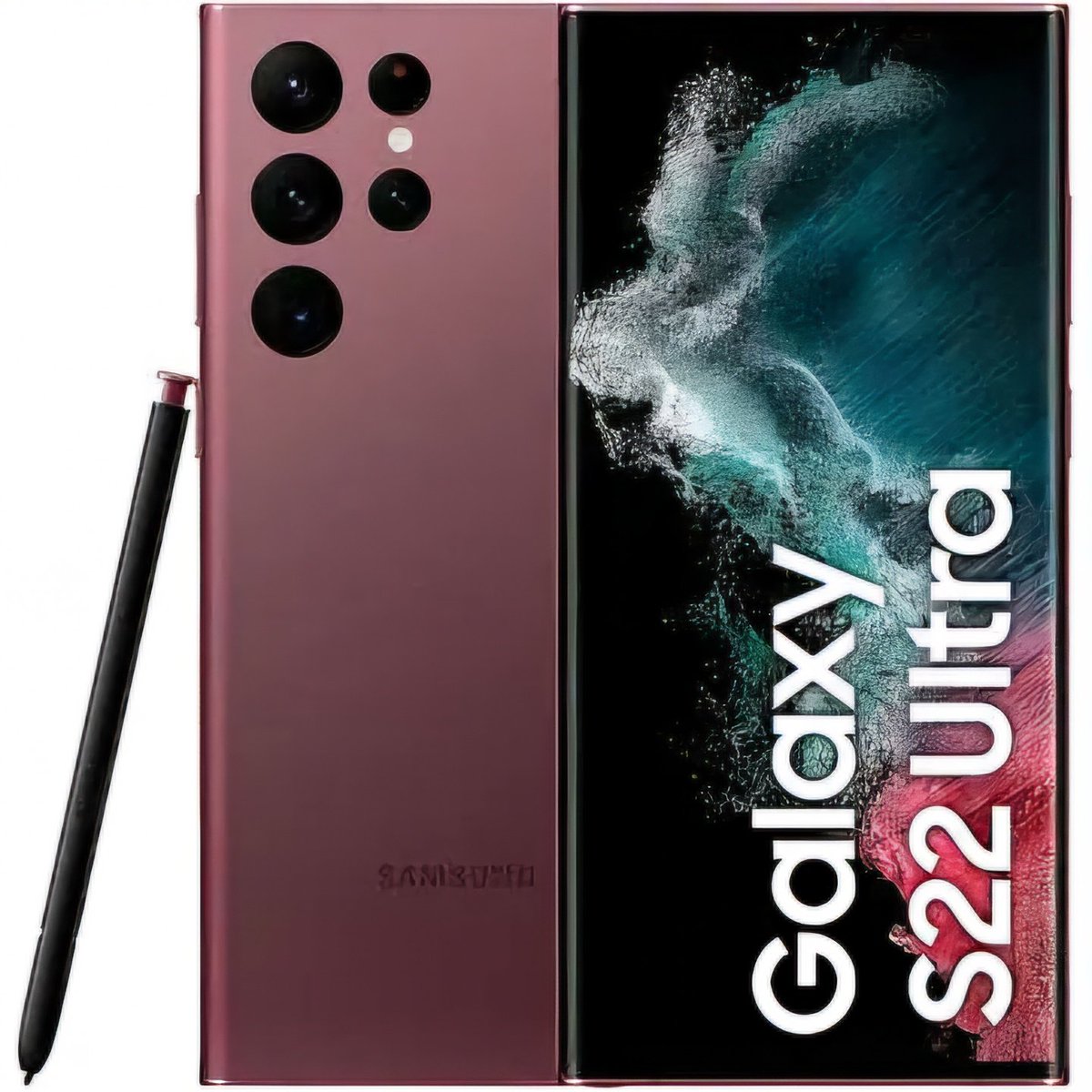
The Galaxy S22 June update is live in Europe
Build: S908BXXSFFYF1/ S908BOXMFFYF1 S908BXXSFFYF1
English
@Gokukrs @mahmoud_zadah @tarunvats33 Just search the app name in google chrome and add apk in the search then you will find it easily bro 😂
English

