SecBriefs | Making Cybersecurity Simple

112.3K posts

SecBriefs | Making Cybersecurity Simple banner
SecBriefs | Making Cybersecurity Simple

SecBriefs | Making Cybersecurity Simple

@SecBriefs

Demystifying cybersecurity for everyone. Get your daily dose of insights, news & tips from us and join the conversation. Cybersecurity = National Security! 🛡

X Inscrit le Haziran 2015
1K Abonnements14.3K Abonnés
Tweet épinglé
SecBriefs | Making Cybersecurity Simple
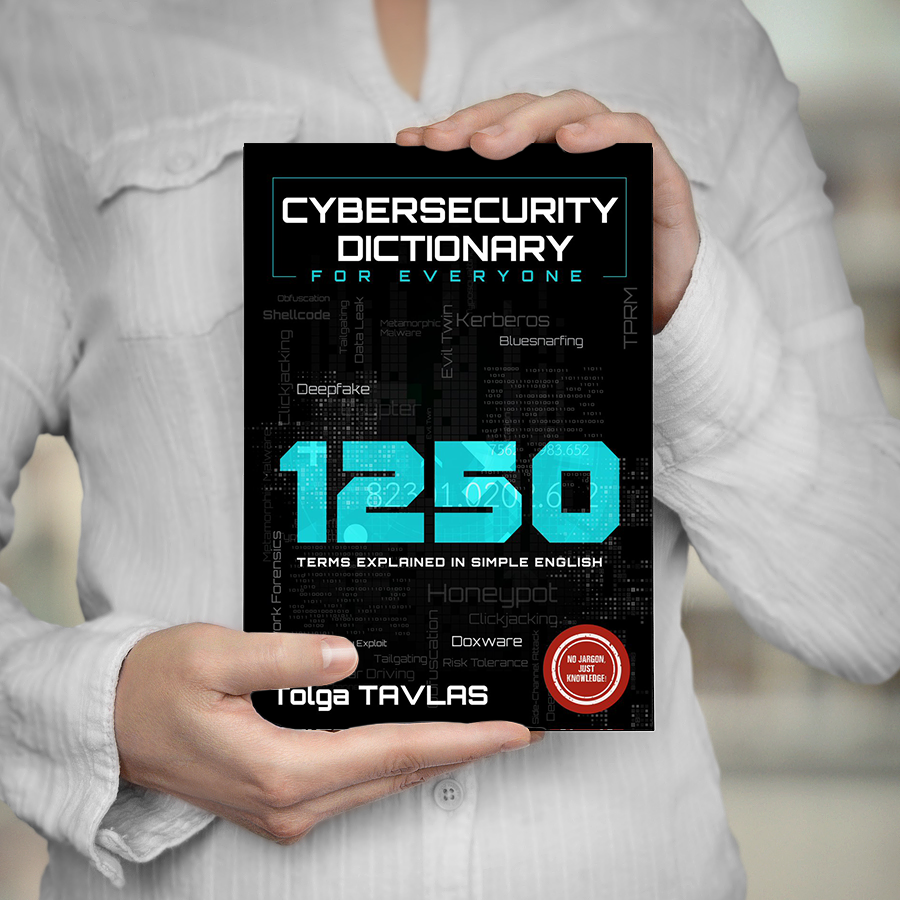
1 click = 1 breach. Stop being the weakest link. 👾 You can’t fight what you can’t name. From malware to MFA, learn every term that matters. Learn what terms like “spoofing” or “botnet” really mean - fast. Cybersecurity Dictionary for Everyone — Available on Amazon.
SecBriefs | Making Cybersecurity Simple tweet media
English
0
0
23
5.2K
SecBriefs | Making Cybersecurity Simple
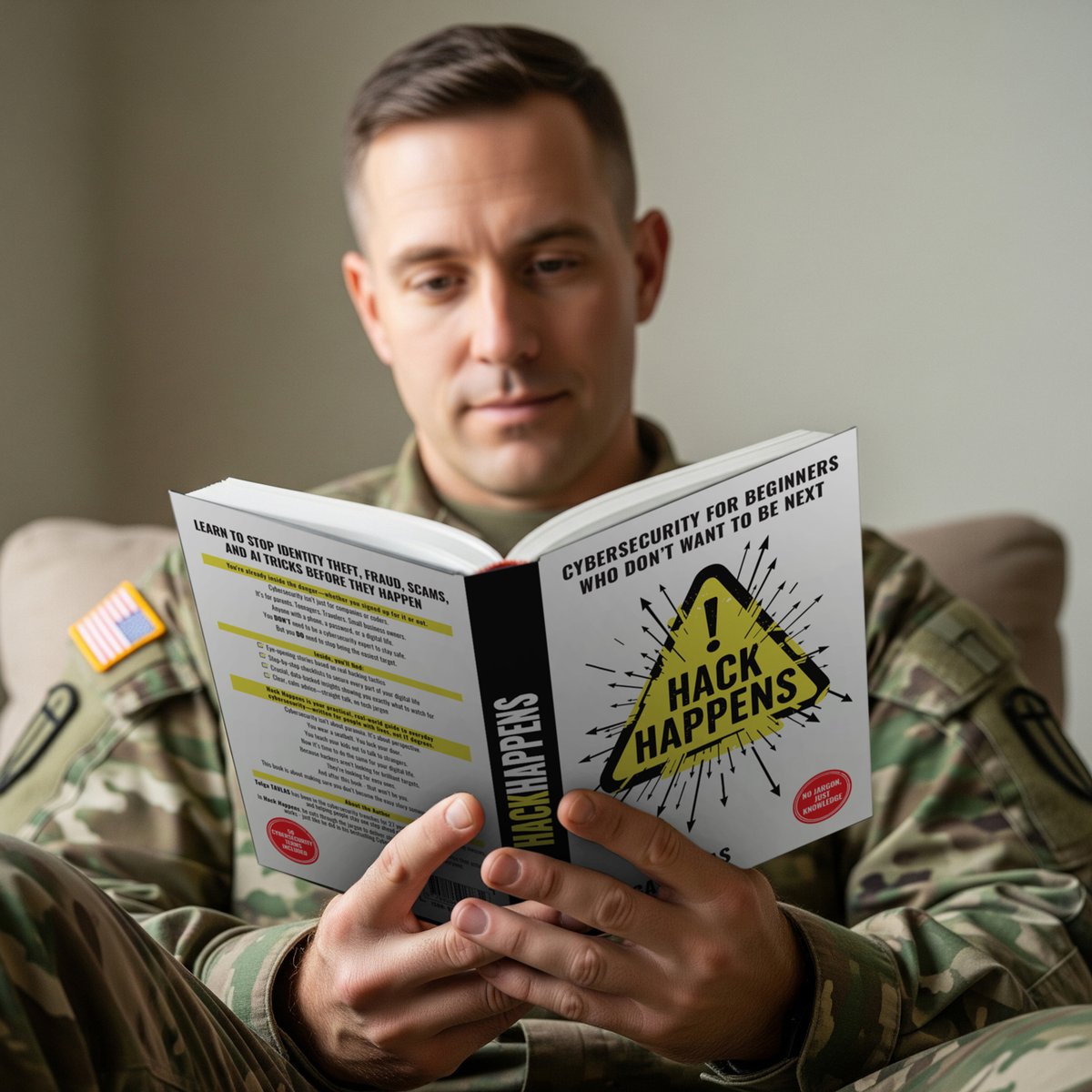
⚠️ Hackers don’t just target systems. They target you—your family, your home, your country. Hack Happens shows how cyberattacks happen in real-life scenarios, not theory. Understand the tactics, spot the traps, and fight back before it’s too late. amazon.com/dp/B0FBS7NHLW The Fitness Tracker That Gave Away a Soldier’s Location Hector was a dedicated military officer stationed at a secure overseas base. Between intense operations and long shifts, he made time to stay physically fit. He wore a popular fitness tracker that logged his daily runs, helping him monitor his endurance, pace, and progress over time. The device automatically uploaded his workouts to a companion app, where he could review his routes and compare stats with other users. It seemed harmless. Even motivating. Then came the breach. Military security analysts uncovered something alarming: a global heat map generated by fitness tracking data revealed running patterns of thousands of users around the world—including service members like Hector. The map, accessible to anyone online, showed glowing trails of activity in remote desert areas and isolated compounds—locations that were otherwise invisible on commercial maps. Hector's daily runs had drawn a digital path around the perimeter of his base. Suddenly, enemy forces had access to data that mapped out secure installations. With enough time and analysis, they could identify entrances, guard patrol patterns, and even estimate the number of personnel stationed there. It was an intelligence goldmine—created unintentionally by soldiers trying to stay in shape. Hector was horrified. He had never imagined that his private workouts could become a national security threat. The app never warned him that the data was being shared publicly, and he hadn’t thought to check the privacy settings. After all, he wasn’t posting photos or tagging locations—just tracking runs. But fitness trackers do more than count steps. They log exact GPS coordinates, timestamps, and movement history—often uploading it in real time. In response to the incident, the military moved quickly, banning certain wearables and disabling GPS functions on others. The breach became a case study in how innocent data can be weaponized. Hector had thought he was improving his fitness. Instead, his device had silently drawn a map for the enemy.
SecBriefs | Making Cybersecurity Simple tweet media
English
8
2
6
2.1K
SecBriefs | Making Cybersecurity Simple
@skourk0s Fair point.. but whether the vulnerability shows up at age 5 or 55, if you don’t know it’s there, the risk is the same. 😉 That’s why the book is here. Not for the tech, but for the awareness. 📘👀
English
0
0
4
53
SecBriefs | Making Cybersecurity Simple retweeté
Raul Muñoz
Raul Muñoz@RaulMuo16535398·
Learn smarter with 50 tips and a cybersecurity dictionary for everyone! 🔑 Available on Amazon: amazon.com/dp/B0D6RXXRKK?…
Raul Muñoz tweet media
English
1
3
11
1.8K
SecBriefs | Making Cybersecurity Simple retweeté
Marci McCarthy
Marci McCarthy@MarciMcCarthyUS·
It is the honor of a lifetime to be appointed by President @realDonaldTrump as Director of Public Affairs at @CISAgov@DHSgov’s lead agency protecting our nation’s cybersecurity and critical infrastructure. 🇺🇸🛡️ I am deeply grateful for the trust placed in me. From building the @DeKalbGOP to over two decades in cybersecurity, every step of this journey has prepared me for this mission. ➡️ Read More: mailchi.mp/gagop/mccarthy… @GaRepublicans #CISA #Cybersecurity #AmericaFirst #Leadership #DHS #gapol
GAGOP@GaRepublicans

mailchi.mp/gagop/mccarthy…

English
46
47
141
20.9K
SecBriefs | Making Cybersecurity Simple retweeté
Tolga TAVLAS
Tolga TAVLAS@hackhappens·
I’m delighted to share that my new book, “HACK HAPPENS,” has just been launched! 🙂 You probably know this is my third book, after Digital Banking Tips (2015) and Cybersecurity Dictionary for Everyone (2024). Of course, each has a different story behind it. Digital Banking Tips started with a blog post I wrote for Finextra at 3:30 a.m. when I couldn’t sleep. Then came more posts, three of which made it into the Top 5 Finextra blogs 2015. Even though I’ve loved it since day one, I always thought banking was a boring topic for most people. So I was surprised when those tips reached hundreds of thousands of readers. That content is still part of some university curricula and is frequently referenced. (Except by one guy 🥴 who apparently knows everything about digital banking and found it “totally useless.” The rest seemed to love it.) It even made me a small celebrity in the fintech world at the time. I once appeared on an influencer list alongside Bill Gates, just slightly above The Financial Times. It’s a pity that the influence wasn’t about financial well-being — just influence with no commercial value. Still, it meant something. Then came Cybersecurity Dictionary for Everyone (2024). That one started as a book on Identity and Access Management (IAM), but the content turned out to be either too complicated, boring, or just plain dull. Two editors I hired walked away mid-project — not once, but twice. That was enough to convince me that something wasn’t working. Maybe the world needed a cybersecurity dictionary more than it needed another IAM book. In some ways, it was an easier task — I’d been collecting cybersecurity terms for years. But translating them into everyday language was tough. I kept wondering: Is this even useful in the age of AI? Aren’t all these terms already on Google? But the last year proved otherwise, not because of sales (yes, the most frequently asked and “respected” KPI 🙄). And no, it’s obviously not selling enough — otherwise I wouldn’t be writing this from the small desk in my bedroom, but from a yacht in the Mediterranean, right? What was amazing was the interaction with people worldwide while promoting the dictionary. For a modest cybersecurity guy, working independently with no PR budget, reaching 400 million impressions, 3.5 million engagements, and thousands of conversations was unexpected — numbers you'd usually associate with major corporations or government campaigns. That gives you insight. Big insight. HACK HAPPENS is the result of that insight. I have no idea how much it will sell, what kind of reach it will have, or whether people will love it. But I did my best to repay what I owe to society and the good people who share this world with us. I hope I managed to do that. 🥸 Let’s see what unique experiences it brings… 😎 amazon.com/dp/B0FBWC4B7V
Tolga TAVLAS tweet media
English
0
2
4
1.5K
SecBriefs | Making Cybersecurity Simple
🙁 Yes, you have a point here. Patients deserve real control over their health data. It’s alarming how little say we have. Recently, we read a study showing how insurance companies exploit this kind of data - even tracking clothing size changes to predict health risks and hike premiums. That’s not privacy. That’s surveillance disguised as care.
English
1
0
2
248
SecBriefs | Making Cybersecurity Simple
You’re a very smart gentleman and clearly know what you’re talking about. Estonia is a great example, a successful system that has been running smoothly for a long time.
English
0
0
0
29
G.R.R.
G.R.R.@windbourne_grr·
@SecBriefs The way to stop the majority of these cyberattacks is for DHS to hand out a packet of X.509 Digital Certs with our REAL ID. WHY ARE YOU NOT PUSHING THIS?
English
2
0
0
127
Memesta
Memesta@subtleepiphany·
@SecBriefs Ignoring cyber threats never leads to financial ruin. That’s the problem. There are no consequences.
English
1
0
0
315
DutchRohls
DutchRohls@DutchRohls·
@SecBriefs I want to get ahead of the curve - where do I signup to get one of the first quantum computers so I can raid YOUR bank accounts before you can raid MINE?
English
1
0
3
432