
nugg|notes retweeté
nugg|notes
29.4K posts

nugg|notes
@nuggnotes
like sparknotes, but for cannabis.
Inscrit le Aralık 2012
595 Abonnements2.6K Abonnés



nugg|notes retweeté

nugg|notes retweeté

@nuggnotes @CaliPlug Nah people are just tired of similar rosin profiles - BHO had more variety.
As far as the rosin market dying - it’s dying for people who chase bottom of the barrel - as far as producers on the top end - I’d say most ppl I work with are doing pretty okay.
English
@CaliPlug also, seen some make BHO great again rhetoric the last six months.
Some argue that it’s because we are in a recession?
English

I seen the Hash Rosin game die over the last 6 months, you still got fools like super true to puff co, every 30 mins and paying top dollar for product. But I barley see the demand anymore, and it seems like 3 brands only have the real deal and their own formula to wash, and genetics 🧬
English
nugg|notes retweeté

- Chuck Norris doesnt wear a watch. He decides what time it is.
- Chuck Norris counted to infinity, twice.
- Chuck Norris can kill two stones, with one bird.
- Chuck Norris can divide by zero.
- Chuck Norris got bite by a cobra. The cobra died.
- When Chuck Norris does push-ups, he isn’t lifting himself up… he’s pushing the Earth down.
English
nugg|notes retweeté

read through the qrts and replies if you want to experience what the internet was like 15 years ago
TMZ@TMZ
🚨 EXCLUSIVE: Chuck Norris has been hospitalized after a medical emergency in Hawaii. What we know: tmz.me/7e8iqBd
English
nugg|notes retweeté

When the first Spaniards arrived in Mexico they asked the natives what the place was called. They responded “Yucatan,” which meant “I do not understand you” — and that’s how the Yucatan peninsula got its name.
English
nugg|notes retweeté
nugg|notes retweeté
nugg|notes retweeté

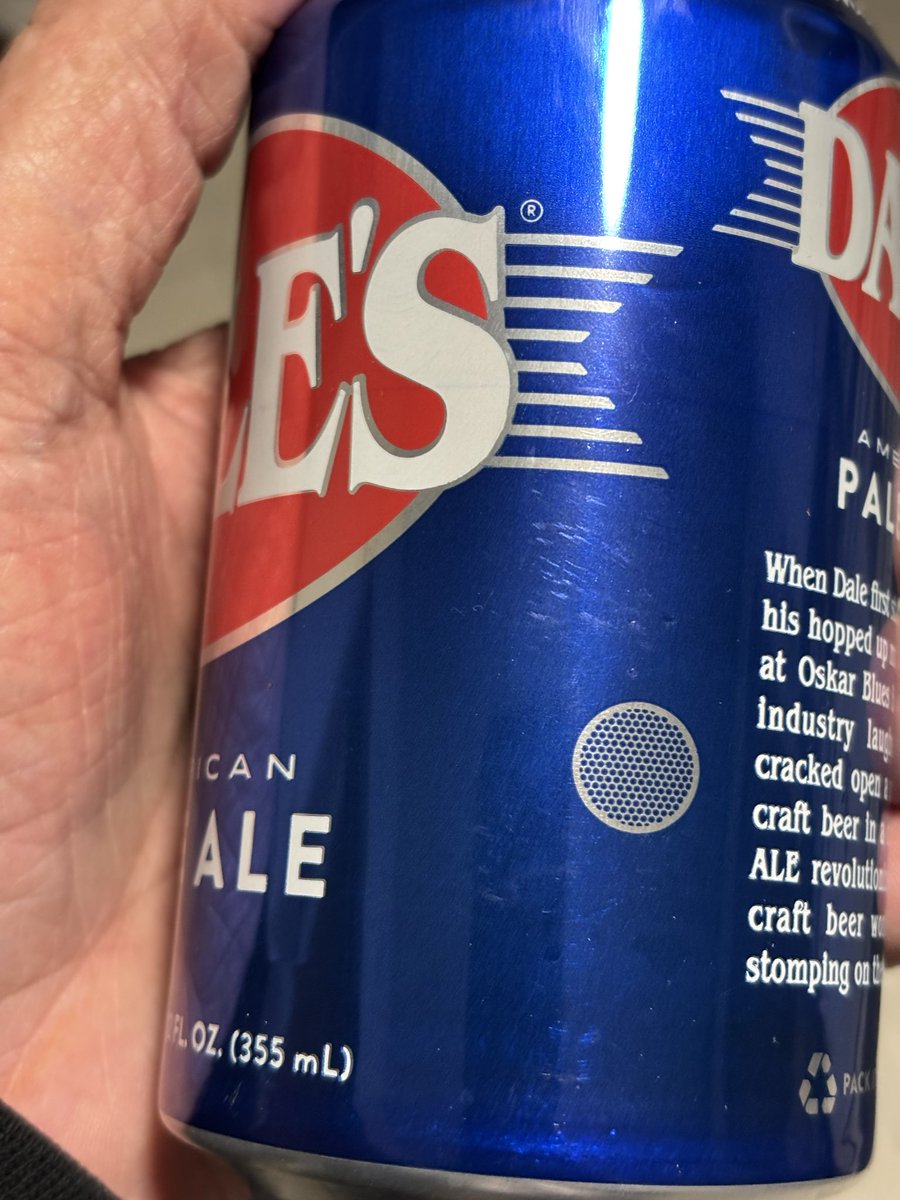
We had to smoke out of soda cans with screens from a sink faucet and blow into a toilet paper roll filled with dryer sheets so Gen Z could hit a weed pen at Target
English
nugg|notes retweeté

Millennials are the elite generation because they cranked out 12-page essays the night before they were due. No ChatGPT. No Claude. Just lo-fi beats playing in the background, Black coffee at midnight, footnotes that were somehow correct, and pure delusion. Grade was an A minus. Period.
English
nugg|notes retweeté
rolls with lo: nail drip, tip drip 💅🍁
🍃 calm before combustion: @rollswithlo emerged as a niche cannabis content creator turning joint rolling into a meditative craft. thick doinks, hash holes, slow hands, steady breath. the focus was never smoke clouds, it was the build.
🖐️ nails as signature: long before brand tags mattered, lo’s rotating nail styles became part of the frame. each set different, always deliberate. the nails weren’t decoration, they were pacing, rhythm, & visual identity.
🧬 engineering the roll: @rollswithlo treats joints like specs, not vibes. cone size, tip diameter, taper, pack density. thick doinks & donut style hash holes built with intent, not flex. rolling as precision work of art.
🧪 glass only filters: @rollswithlo favors glass tips, most notably from @MothershipGlass & @properdoinks. airflow, stability, & finish matter. the tip isn’t an accessory, it’s structural, functional & an art piece.
🎧 asmr not hype: content leans serene. close mics, subtle sounds, slow movements. captions center gratitude, calm, & stress relief. the energy is inviting, never loud but smoking loud. rolling as therapy & art.
🇨🇦 micro influencer real reach: based in canada, @rollswithlo sits in the global rolling conversation. organic engagement, reposts, & mentions from accounts like @OfficialFSOTD that has placed her inside the culture without chasing clout or showing face.
🚫 nothing for sale: @rollswithlo avoids overt commercialization. no product pushing, no storefront energy. just shoutouts, tags & genuine use. trust is the currency.
🪶 craft over smoke: @rollswithlo thrives by staying small, specific, & intentional. a personal brand built on hands, glass, paper, & patience. in a crowded cannabis feed, lo slowed everything down and made people watch.
⚙️ behind the scenes: lo has been working on a small side project launching in early 2026. Tip Drip (tipdrip.ca ) an accessories brand for glass tips collectors focusing on a the go cleaning pouch made for an on the go smoker - like herself. Focusing on single use disposable, TSA friendly pouches that allow you to soak glass tips anywhere at anytime after a sesh.
- @nuggnotes🪴


nugg|notes@nuggnotes
rs11 & zoap: the original cut 🌱 emerald cup spark: the story starts at emerald cup. deo farms stood in line at one of the most active booths and bought third-gen o.z. kush, roughly twelve packs at about $500 each. around 120 seeds went straight into a long-hunt mindset. 🍈 the #40 moment: popping o.z. kush revealed an instant standout. pheno #40 hit loud, compared to kern’s pink guava juice. keeper energy from day one and the flavor compass for everything that followed. 🧬 male selection with intent: males were flowered and judged on structure. male #55 rose to the top, with two other males kept in play. not guessing, not gambling. better odds through selection. 🌸 pink guava f2s: o.z. kush was pushed into f2s, which deo farms labeled pink guava. about 100 were run, then select males were chosen to move the line forward with intention. 🌅 rs is born: pink guava males hit the original sunset sherbert, creating the rs f1 generation. this is where foundation phenos surfaced: rs11, rs54 (studio 54), plus siblings like #16, #40, and #19 jelly roll. 🧙 wizard trees selection: @wizard_trees had the same original rainbow sherbert seed stock referenced by deo farms and ran a parallel hunt that locked in keepers. #54 and #11 emerged as standouts, with #11 widely understood as the rs11 keeper. 📦 doja makes it public: doja pak (@let_ryan_live) became the exposure catalyst, taking rs11 from quiet tester circulation into wider visibility through curated drops. this release wave is the inflection point most people cite when rs11 took off across california. 🧼 the zoap pivot: rs #16, a candy sherbert-leaning female, was the receiver to create rs f2s. from that run came zoap, final #21. zoap later became the receiver for rs f3 work, with each era archived for future releases. 📦 viral then diluted: @let_ryan_live rs11 hit the streets fast. reports at the time put zips around $600. as larger facilities scaled it, quality thinned. the original cut remains straight candy sherb pressure. real ones know the difference. 🏆 zoap co-sign: zoap, credited to deo farms × wizard trees, took best overall, 1st place at the 2022 california zalympix. real cut. real candy fruit sherb pressure. real history. everything else is just volume. - @nuggnotes 🪴
English
nugg|notes retweeté
bongs & bombs: the strange link between hitman glass & the boston bombing 💣
💉 born in borosilicate: in 2009, douglas dracup “dougie fresh” founded @hitmanglass in los angeles, bringing graffiti style & borosilicate glass to heady rigs. 1 of his earliest distro partners? erik weissman, a massachusetts native & key player in boston’s college glass scene.
📦 coast-to-coast pipeline: weissman moved hitman pieces across the east coast, plugged into both the heady & cannabis lanes. more than a rep he held equity in @hitmanglass & was building out a regional distro hub in massachusetts.
💸 a prior bust left him $50k in debt to his sour d plug in ca, a pressure some say shaped what followed.
💀 the waltham triple (9/11/11): on the 10th anniversary of 9/11, erik (31), brendan mess (25) & raphael teken (37) were found murdered in mess’s waltham apartment. their throats were slit with such force they were nearly decapitated. 7 lbs of weed & $5,000 in cash were left behind, scattered over their bodies. nothing was taken.
🔗 bomber connection: in 2013, after the @bostonmarathon bombing, investigators tied suspect tamerlan tsarnaev to all 3 victims. he had trained with mess, was in frequent contact with weissman, & was placed at the scene via phone metadata.
📝 confession & cover-up?: tsarnaev’s chechen associate ibrahim todashev later confessed—stating that he & tamerlan carried out the murders. before the interview ended, todashev was shot & killed by fbi agents. no full transcript was ever released.
🚔 still unsolved: despite phone data, a confession & federal investigations, the case remains open. no charges. no trials. no closure. just unanswered questions.
📡 why it matters: erik wasn’t just part of the @hitmanglass family, he was helping take the brand national. his death didn’t just stun the east coast scene, it collapsed an entire expansion plan. every year, dougie still posts tributes to erik.
🧠 strange legacy: a glass brand caught in the orbit of a terror plot. a distributor murdered under mysterious ritual-like conditions. a confession buried. a case that shook 2 subcultures, heady glass & homeland security. truth still clouded.
- @nuggnotes 🪴

nugg|notes@nuggnotes
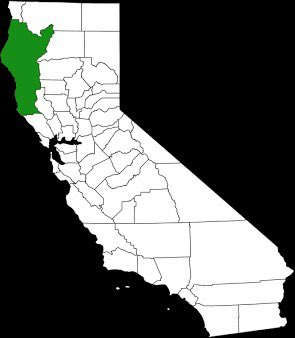
Humboldt County: How It Became America’s Underground Weed Empire🌲 🪓 From Logging Town to Grower’s Paradise: Tucked in Northern CA’s redwood coast, Humboldt County evolved from a fading timber hub into the underground heart of American cannabis. The shift wasn’t just economic — it redefined the region’s identity. ✌️Hippie Commune Roots: In the late ’60s & ’70s, back-to-the-land hippies fleeing SF & Berkeley carved out forest communes in Humboldt. Off-grid self-reliance ruled—cannabis was tended like any other crop, grown beside veggies & herbs for purpose, not profit. 💸 Cheap Land, Big Opportunity: With the timber industry collapsing, land sold for “a few hundred bucks an acre.” Remote valleys & overgrown hillsides made the perfect cover. What started as backyard grows quietly scaled into an unregulated economy. ☀️ Perfect Climate, Hidden Fields: Humboldt’s coastal fog, fertile soil, & cool nights gave outdoor cannabis a signature profile. The region’s terroir — like in wine — made its buds flavorful, potent, & unique. The rugged terrain kept helicopters guessing & cops at bay. 🌿 From Garden Plot to Pillar Industry: As demand rose in the ’70s & ’80s, hobby gardens turned into serious operations. What started as anti-capitalist became survival — & then economic dominance. By the 2000s, Humboldt’s weed scene pumped an estimated $500M–$1B annually into the local economy. 🚁 CAMP vs. The Triangle: In 1983, Reagan’s War on Drugs hit Humboldt hard. CAMP raids with helicopters & armed agents tried to crush growers — but instead pushed them underground. Farmers adapted with indoor grows, selective breeding, & extreme secrecy. The weed got better. The game got smarter. 💚 A Skilled Underground Workforce: “Trimmigrants” earned $20/hour during harvest, while cultivators developed elite genetics & advanced techniques like sinsemilla. Over time, Humboldt’s cannabis craft became its cultural capital — passed down like heirloom seeds. ✊ Culture of Camouflage: The region became a “secret society” where talking about weed in public was taboo. You didn’t ask. You just knew. That code built trust, solidarity, & a rebellious ethos that powered a decades-long underground economy. 🌎 Global Influence, Local Roots: Humboldt didn’t just grow weed — it cultivated legacy. The Emerald Triangle became shorthand for quality, community, & counterculture. From hippies to hybrids, Humboldt’s heritage shaped the modern cannabis movement. - nugg|notes🪴
English
@CaliPlug @hankaaron3771 🤯 - what about cali carts ? he was another team member at the time right?
English
@nuggnotes @hankaaron3771 Yah we did have delivery drivers run off too, and I did lose a lot of money, under his watch probably $300,000
English
@CaliPlug @hankaaron3771 crazy. I remember him being my point of contact when I was a delivery driver, for a few months back then #nuggnotesLore
English
@nuggnotes @hankaaron3771 Yes… he was handling my delivery logistics and other stuff.
English
@hankaaron3771 @CaliPlug was he the one also running the Caliplug worldwide delivery service back around 2018?
English

@CaliPlug @nuggnotes 🧢 I know mj personally & his story is way different
English
nugg|notes retweeté
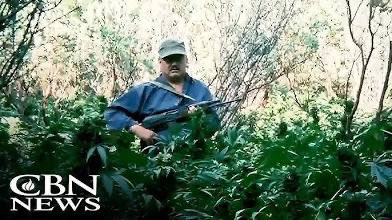
How Mexican Drug Cartels Hijacked California’s Emerald Triangle: Part 1 🧵
🇲🇽 1980s The Forests Become Profitable: After CA launched CAMP in 1983, eradication campaigns forced local growers into hiding & drove prices from $100 lb up to $4k lb. That spike attracted Mexican cartels, especially Sinaloa, already experienced in smuggling cannabis.
As border security tightened under Reagan’s War on Drugs, Sinaloa began planting directly in California, exploiting remote public lands in Mendocino and Shasta-Trinity. The Emerald Triangle’s rugged terrain, clean water, and isolation made it ideal for large-scale, hidden grows.
🌲 1990s The Invasion Quietly Begins: In 1992, deputies in Mendocino found a 7k -plant grow w Spanish-language materials & pro-grade irrigation—first clear signs of Mexican nationals cultivating on-site.
By 1997, up to 90% of outdoor grows were cartel-linked. Raids uncovered massive sites with 23k + plants, diesel generators, guard towers, & camps for 15+ workers. Cartels weren’t hiding—they were building full-blown farms inside national forests.
💣 Early 2000s La Familia Brings Guns to the Garden: La Familia Michoacana brought violence north, planting huge grows in the Central Valley and North Coast. In 2002, law enforcement found a record-breaking 100k-plant grow tied to the group.
That same year, a raid in Tulare County ended in a shootout with a La Familia enforcer. He died defending plants in a national park—marking a turning point where cartel growers treated CA as narco turf.
💧 Mid-2000s Ecocide & Fear Grip the Triangle: Environmental damage exploded. 1 grow could siphon 60k + gallons of water a day during peak drought. Cartels dammed rivers, dug illegal reservoirs, & ignored endangered species protections.
They also used banned pesticides like Carbofuran—so toxic it could kill a bear w a few drops. Wildlife deaths surged. Researchers later found over 80% of dead Pacific fishers tested had rodenticides in their systems, traced back to grow sites. Forests became hazardous zones filled w chemicals, trash, & human waste.
- nugg|notes🪴
nugg|notes@nuggnotes
The Story Behind Purple Weed & Its Influence on Cannabis Culture 🍇 ☸️Historical Roots (1960s–1980s): Hippies smuggle dense, resinous broad-leaf cannabis from Afghanistan & the Hindu Kush into the U.S. Meanwhile, @JimiHendrix’s 1967 “Purple Haze” gives purple weed its first cultural shine. By the ‘80s, NorCal’s Emerald Triangle breeds legends like Mendocino Purps & Purple Urkle, laying the groundwork for future purple genetics. 🍇Bay Area's “Purp” Revolution (2000s): The Bay Area led the “purp” revolution, w/ Ken Estes’ Granddaddy Purple (GDP) taking over dispensaries & the streets. Known for its grape candy flavor & heavy couch-lock high, GDP became the top choice for sedation without diesel notes. Meanwhile, Oakland’s Oaksterdam birthed Purple Kush, a potent Afghan/Hindu Kush hybrid, solidifying the Bay as the king of purples. ⚛️Hyphy Movement Influence: Purple weed became integral to mid-2000s Bay Area hip-hop culture, frequently mentioned by rappers like Mac Dre & @E40 as “purple” or “grapes.” GDP specifically turned into a cultural symbol of status, celebrated in lyrics as the ultimate Bay Area smoke—amplifying its fame & desirability among consumers. 🟣Art, Media & Underground Scene: “Purps” became central to Bay Area street art, pot magazines, & underground markets. Clone-only strains like Purple Urkle & Purple Kush sparked a clandestine network for trading genetics, intensifying the exclusivity of purple weed & creating widespread demand. 🪻Breeding and Marketing Revolution: GDP & Purple Kush reshaped consumer expectations, dispensary aesthetics, & marketing approaches. Purple buds commanded premium prices, influencing cultivators to selectively breed for richer hues & sweeter flavors. The popularity of GDP directly influenced hybrids like Cherry Pie & Purple Punch—both integral to modern cannabis breeding. 🟪The Purple Hustle & Market Shift: In the 2010s, Purple Punch sparks a nationwide cultivation boom. Growers flood the market, quality dips, oversupply hits. West Coast trappers move purple deps, greenhouse, & mass-produced Ice Cream Cake to the East, South, & Midwest—flipping them as top-shelf indoor at premium prices. Over time, this devalues the perception of purple weed. While shops push purples for their bag appeal, many lack potency & terps, fueling the “Make Weed Green Again” movement as connoisseurs demand OG Kush & true gas. 💜 Legacy & Cultural Impact: The Bay Area’s embrace of purple cannabis permanently altered industry aesthetics & consumer preferences. Purple weed remains a cultural cornerstone, continuing to influence trends in dispensaries, breeding programs, & cannabis marketing nationwide. - nugg|notes🪴
English
@CaliPlug i hear dude is in the rec market. shop owner but idk which chain
English
cash, cannabis & cruelty: the 2012 kidnapping that shook california’s weed scene 🥀🩸
🏪 pre-ico hustle: by 2012, an unnamed dispensary owner was running a profitable medical shop in newport beach, moving heavy product in california’s cash-only prop 215 era. his success drew envy—and dangerous rumors.
👁️ plotted for months: kyle handley, a former supplier, believed the owner buried $1m in the desert after a vegas trip. he recruited hossein nayeri, ryan kevorkian & naomi kevorkian to surveil the target & plan a brutal heist.
🚐 desert nightmare (oct 2, 2012): the crew broke into the owner’s home, zip-tied him & a female guest, beat them, and drove them 140 mi in a van. on the way they used a blowtorch on him, demanding the cash stash.
✂️ mutilation & escape: in the mojave desert, they severed the owner’s penis, doused both victims in bleach to destroy dna, and left them for dead. miraculously, the woman freed herself, flagged down a cop & saved them both.
🌎 international manhunt: handley was caught first. nayeri fled to iran, but was extradited from the czech republic. by 2014 all four were arrested.
⚖️ life sentences:
•kyle handley – life w/o parole (2018)
•hossein nayeri – life w/o parole (2019 conviction, 2020 sentence)
•ryan kevorkian – life w/o parole (2019 plea)
•naomi kevorkian (now rhodus) – 3 yrs probation as accessory (2022 plea).
🚨 high-risk era: the attack exposed how prop 215’s cash-heavy cannabis market made owners prime targets for extreme violence—long before banking reform or security norms.
🕯️ tragic legacy: a dispensary owner survived one of the most sadistic pot-related crimes in u.s. history, while his attackers now sit behind bars for life.
- @nuggnotes 🪴

nugg|notes@nuggnotes
green dragon network part 1: how chinese syndicates infiltrated u.s. Weed 🐉🌱 💰 from yuan to yards: by the early 2000s, after beijing cracked down on capital flight, wealthy nationals quietly moved millions into u.s. Foreclosures not to flip, but to grow. suburbs in ca, co & ny lit up with indoor farms hidden behind hoa fences. 🏠 ghost grows: by 2016, denver’s “asian pride” raids exposed 250+ homes stacked with grow lights, blackout curtains & siphoned electricity—each tied to chinese buyers using fake docs or all-cash deals. 💵 operation lights out: in 2017, feds raided 100+ homes in sacramento all traced to one chinese realtor. funds flowed through straw buyers, escrow accounts & hard-money lenders. these weren’t mom-&-pop grows just pieces of a billion-dollar machine. 👷♂️ labor in the shadows: most workers came from fujian. smuggled in or lured with restaurant gigs, many ended up trapped in grow houses phones seized, paid in rice or not at all, watched 24/7. 🌱 the bubba flood: from 2010–2018, markets were swamped with platinum bubba og—the triad’s house strain. cheap, dense & everywhere. it tanked the strain’s rep in or & wa. insiders still call it “chinese mafia bubba.” 📦 grow math: a 20-light house pulled 20 lbs every 60 days. at $1,100/lb, that’s $22k a cycle, no taxes, no paper trail. 🔫 riverside massacre (sept 7 2020): 7 laotian workers were executed at a ghost-grow in aguanga CA’s deadliest black-market weed hit. 1k lbs seized, only cash taken. in 2025, suspects tied to a laotian gang in san diego remain uncharged exposing how trafficked labor fuels violence with little accountability. 🌍 nationwide spread: 270 farms flagged in me (worth $4.3b/year), 3,000 of 6,400 sites under investigation in ok (75% tied to chinese groups), 100+ homes seized near sacramento. 📡 how it worked: underground banks (fei qian), straw license holders & decentralized micro-cells linked by clan ties & wechat. no kingpins just grow, ship, vanish. 🔗 from norcal to nyc: grows fed east coast buyers via i-70/i-80. supply stores, ballast importers & nutrient brands quietly tied together an invisible, vertical empire hiding in plain sight. 📉 the result? prices crashed. legal farms collapsed. the triads kept growing. – @nuggnotes 🪴
English
@TooL4EvErYNeeD @TheFrogVsToad thanks bro. you’ve been a real one since day ☝️
English

@TheFrogVsToad @nuggnotes I vouch for him. Definitely not AI and knows from personal experience . And too be dead honest, he's been to more events then me 😄
English
Same, Same, But Different?! Well I Got Receipts, And it's the Same!! 🫶 [Fresh_Squeeze_Rosin] 🐸🔥💨🫠

TooL4EveryNeeD@TooL4EvErYNeeD
@burnoutrosin @WaterBoyz710 Right 😆 LFG!! Need that FreshSqueezeRosin 🫶, had the original first jar with Pepe before the drama.
Toad Hop, IN 🇺🇸 English