
Tweet épinglé
Mustafa
11.6K posts

Mustafa
@oprydai
0x0.5x engineer • robotics • design • biology • systems • built https://t.co/LzdOE8ynjM • built https://t.co/jJY1NjYG1i • building https://t.co/uhLmP7H1Hg •
mars Inscrit le Ağustos 2019
641 Abonnements62.7K Abonnés

careers left in the singularity:
- niche podcaster
- sex machine operator
- farmer
- philosopher
- time machine operator
- human verification specialist
- blood boy
- trad wife
- claude operator
- cult leader
- shitpoaster
- peptide vendor
- lover/warrior/magician
- biohacker storyteller
- monk
- personality designer
- afterlife curator
- sec of state
what else?
English

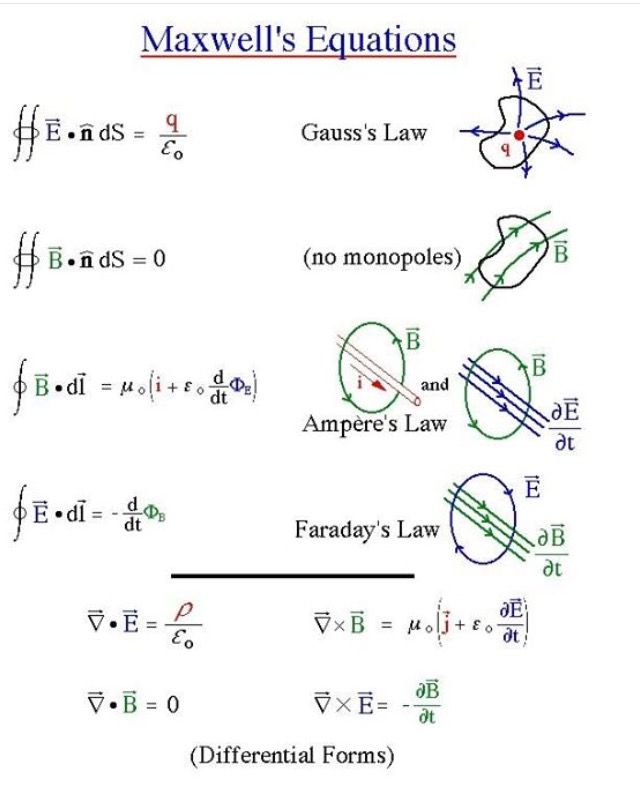
maxwell’s equations define how fields behave, not just forces
they replace “action at a distance”
with local interactions in space and time
four constraints:
→ gauss (electric)
∇·E = ρ/ε₀
charge density creates divergence in the electric field
→ gauss (magnetic)
∇·B = 0
no magnetic sources, only loops
→ faraday
∇×E = −∂B/∂t
changing magnetic field induces circulation in E
→ ampere – maxwell
∇×B = μ₀J + μ₀ε₀ ∂E/∂t
currents and changing E generate B
structure:
→ divergence ties fields to sources
→ curl ties fields to dynamics
key move:
→ maxwell added the displacement current term (∂E/∂t)
without it, symmetry breaks and waves don’t exist
result:
→ combine curls → wave equations
→ fields sustain each other and propagate
c = 1 / √(μ₀ε₀)
light = electromagnetic wave
implications:
→ no medium required
→ information carried by field oscillations
in engineering:
→ antennas radiate by accelerating charges
→ circuits leak energy as radiation at high frequency
in computation:
→ full-wave solvers approximate these PDEs
interpretation:
→ not four separate laws
→ a coupled system defining allowable field evolution
maxwell’s equations are a constraint system on reality
everything electromagnetic must satisfy them
English
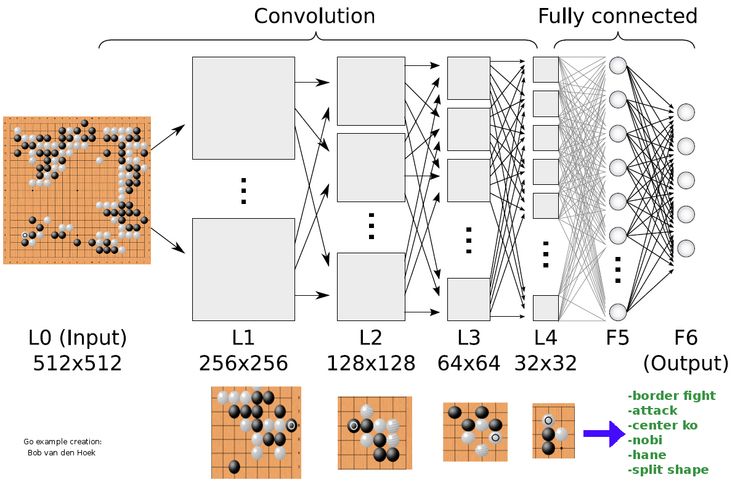
convolutional neural networks are built for spatial intelligence
regular networks ignore structure
CNNs exploit it
images aren’t flat vectors
they have locality, patterns, hierarchy
what a CNN does:
→ slides filters across input
→ detects local features
→ builds complexity layer by layer
core components:
→ convolution
small kernel scans the input
learns edges, textures, patterns
→ activation
non-linearity so it doesn’t stay linear
→ pooling
compresses information
keeps what matters, drops redundancy
→ stacking layers
edges → shapes → objects
why it works:
→ weight sharing reduces parameters
→ locality preserves spatial relationships
→ hierarchy builds abstraction
in practice:
→ image classification
→ object detection
→ medical imaging
→ video understanding
key idea: → same pattern, different location = same meaning
limitations:
→ struggles with long-range dependencies
→ fixed receptive fields unless extended
evolution:
→ CNNs dominated vision
→ now combined or replaced in parts by transformers
CNNs are not just models
they’re engineered bias toward how the visual world is structured
English
study materials science.
every physical system is limited by its materials.
• strength.
• weight.
• conductivity.
• temperature limits.
• fatigue.
• corrosion.
these are not secondary details.
they define what is possible.
materials science links structure to behavior:
atomic arrangement → microstructure → properties → performance.
change the structure, and everything changes.
learn the fundamentals:
• Crystal Structure
• Dislocation
• Phase Diagram
• Stress–Strain Curve
this is how engineers design:
• aerospace alloys
• semiconductor devices
• battery systems
• composites
• high-temperature materials
you are not just choosing materials.
you are engineering matter itself.

English
curiosity maxxing is the only way out of average thinking
most people consume
few actually investigate
they stop at surface-level answers
you go one layer deeper every time
what it looks like:
→ you don’t accept explanations, you break them apart
→ you chase “why” until it hits first principles
→ you connect domains that shouldn’t connect
pattern: → question → dig → model → rebuild
why it matters:
→ curiosity compounds into understanding
→ understanding compounds into leverage
in engineering:
→ you don’t just use tools, you understand how they’re built
in AI:
→ you don’t just train models, you question the assumptions
in life:
→ you stop reacting, you start seeing structure
constraints:
→ curiosity without direction = noise
→ curiosity with systems = power
most people wait to be taught
curiosity maxxing forces you to discover
that’s the difference between knowing
and actually understanding
English
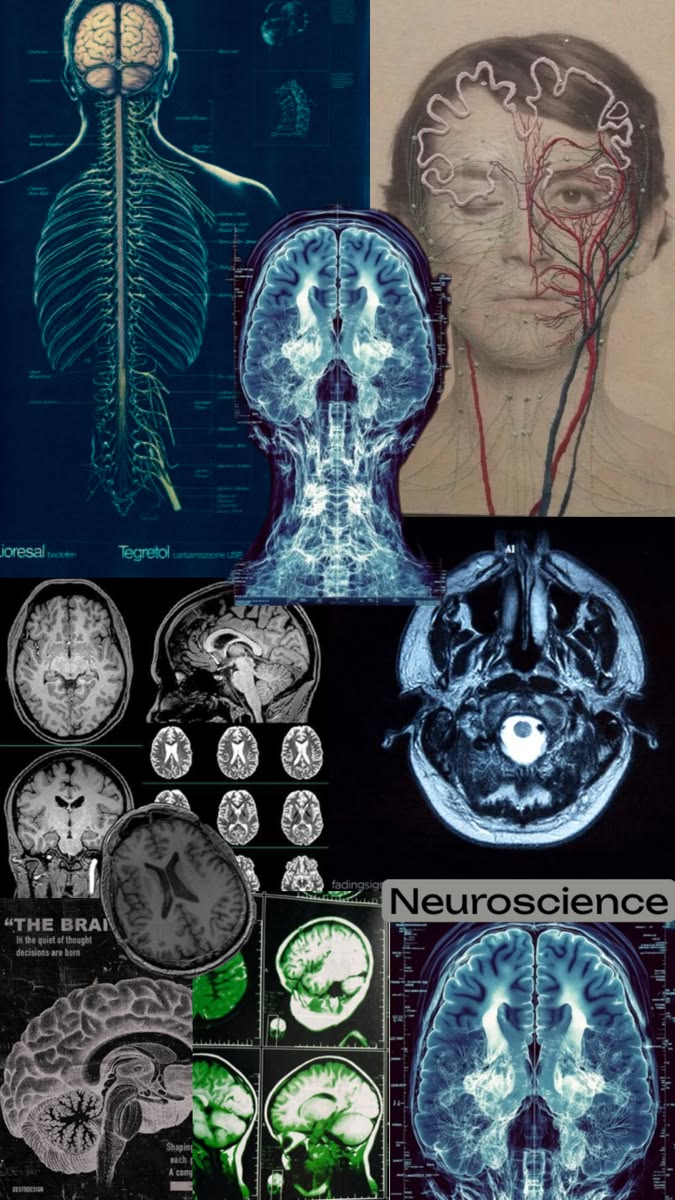
AI without neuroscience is blind pattern fitting
you’re copying outputs without understanding the system that inspired it
study neuroscience
what you unlock:
→ how real intelligence encodes information
→ how learning actually happens (plasticity, not just gradients)
→ how memory is structured (not just vectors, but dynamics)
key parallels:
→ neurons ≠ artificial neurons
real ones spike, adapt, rewire
→ learning ≠ backprop
brains use local rules, timing, chemistry
→ intelligence ≠ scale
it’s efficiency, structure, constraints
why it matters:
in deep learning: → architectures come from biology (CNNs, attention roots in perception)
in AGI:
→ you need models of cognition, not just bigger models
in robotics:
→ perception + action loops are biological problems
in optimization:
→ energy-based views come straight from brain dynamics
what to study:
→ spiking neural networks
→ synaptic plasticity (hebbian learning, STDP)
→ predictive coding
→ cortical hierarchies
direction:
→ current AI = approximation
→ neuroscience = source code
if you ignore the source
you plateau fast
English
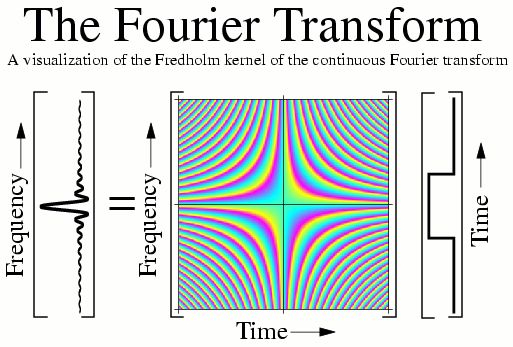
the fourier transform is how you see structure inside signals
time domain lies to you
frequency domain exposes it
any signal → sum of pure oscillations
sines and cosines are the basis
what it does:
→ decomposes a function into frequencies
→ tells you “what frequencies exist” and “how strong they are”
continuous form: F(ω) = ∫ f(t) e^(−iωt) dt
discrete world:
→ DFT / FFT
→ turns sampled data into usable spectra
why it matters:
in engineering:
→ filter noise
→ design communication systems
→ analyze vibrations, audio, RF
in physics:
→ waves, heat, quantum states
→ solutions become algebra in frequency space
in computing:
→ image compression (JPEG)
→ signal processing pipelines
→ fast convolution via frequency multiplication
key idea:
→ convolution in time = multiplication in frequency
→ complexity collapses
interpretation:
→ sharp spikes → dominant frequencies
→ spread spectrum → complex / noisy signal
the fourier transform is not about math
it’s about changing perspective to make systems tractable
English
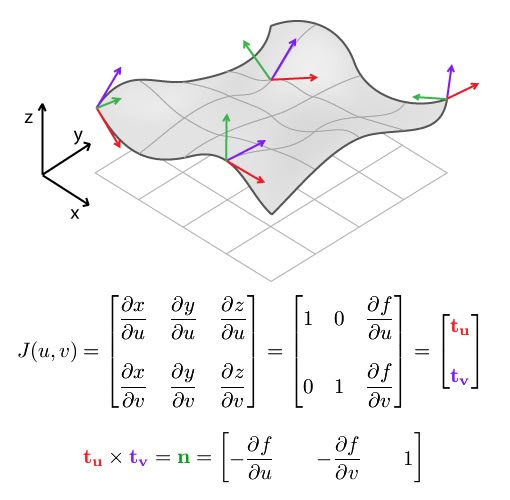
the jacobian matrix is how multivariable systems actually move
you don’t deal with one variable anymore
you deal with transformations
input vector → output vector
the jacobian captures how every input dimension affects every output dimension
what it is:
→ a matrix of partial derivatives
→ each row = one output function
→ each column = one input variable
J(i,j) = ∂f_i / ∂x_j
why it matters:
→ it’s the local linear approximation of a nonlinear system
→ it tells you how small changes propagate
→ it converts messy systems into something you can compute
in physics:
→ coordinate transformations
→ velocity mappings
→ change of variables in integrals
in robotics:
→ maps joint velocities → end-effector velocity
→ singularities show up when the jacobian collapses
in optimization / ML:
→ gradient flow through layers
→ backprop is chained jacobians
interpretation: → determinant ≠ 0 → transformation is locally invertible
→ determinant = 0 → information collapse
the jacobian is not theory
it’s the interface between geometry and computation
English

BREAKING:
Kim Jong-un has won North Korea's parliamentary elections with 99.93% of the vote.
English
the geodesic equation is how nature finds the “straightest” path.
not straight in the usual sense; straight within a curved space.
what it means:
• shortest/least-action path → objects move along paths that minimize distance or energy
• curved space → in flat space it’s a line, in curved space it bends
• gravity as geometry → mass curves spacetime, objects just follow that curvature
• no force needed → motion under gravity is just following a geodesic
examples:
• planets orbiting stars → not “pulled,” just following curved spacetime
• light bending near massive objects → even photons follow geodesics
• great circles on earth → shortest path between two points on a sphere
why it matters:
physics stops being about forces pushing things around
and becomes about geometry telling things where to go
the geodesic equation is the rule that turns curved space into motion.

English


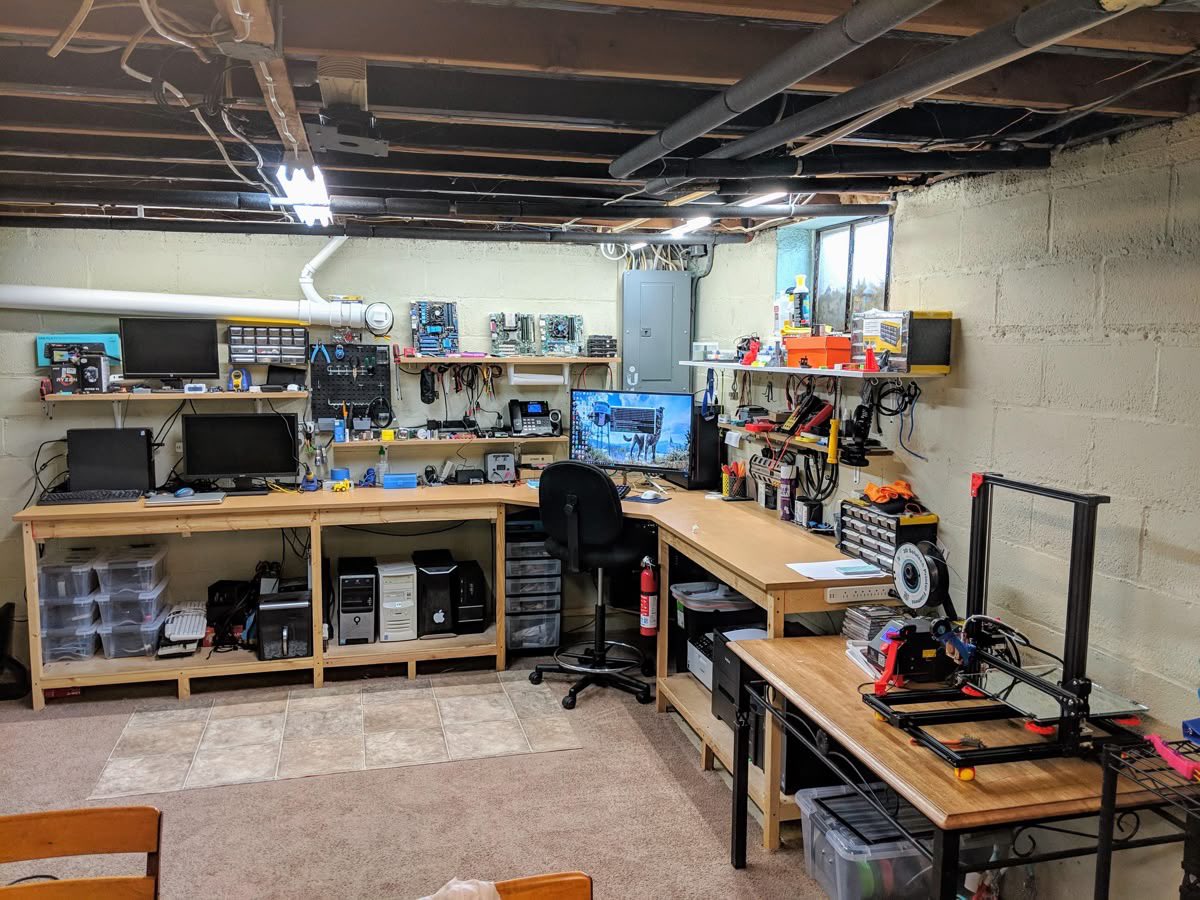
@oprydai The fact that my friends have labs like this so I can just go there 😊.
Have a small version myself
English

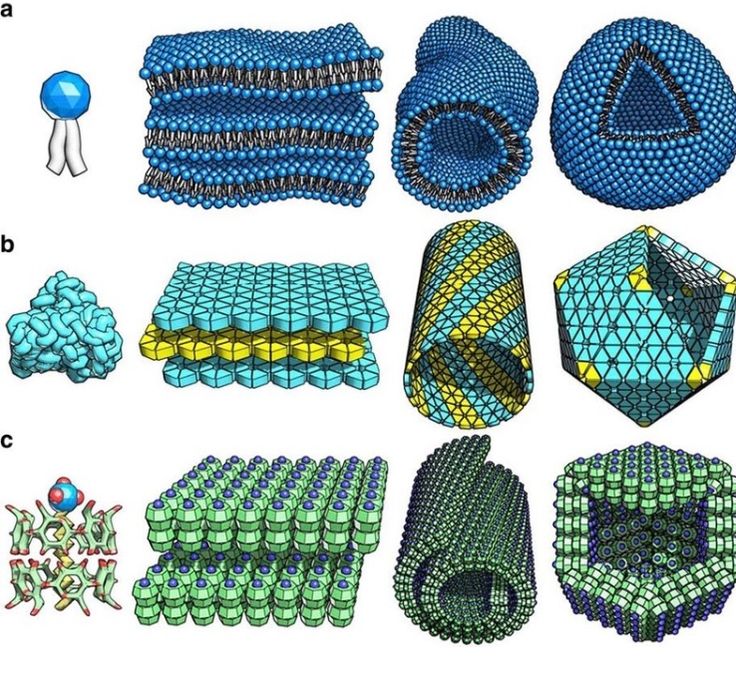
study Materials Science.
every physical system is limited by its materials.
strength.
weight.
conductivity.
temperature limits.
fatigue.
corrosion.
these are not secondary details.
they define what is possible.
materials science links structure to behavior:
atomic arrangement → microstructure → properties → performance.
change the structure, and everything changes.
learn the fundamentals:
• Crystal Structure
• Dislocation
• Phase Diagram
• Stress–Strain Curve
this is how engineers design:
• aerospace alloys
• semiconductor devices
• battery systems
• composites
• high-temperature materials
you are not just choosing materials.
you are engineering matter itself.
English
@TensorTonic because of the smooth approximation near zero, while ReLU cuts off hard, also the gradient flow in DNs.
English

Can you explain why ReLU kills gradients, why GELU is in every transformer, why Softmax turns logits into probabilities?
> Sigmoid
> ReLU
> Tanh
> Softmax
> LeakyReLU
> GELU
> Swish
> ELU
> SELU
Every activation function you'll ever need, explained by implemention.
Practice all of them on TensorTonic: tensortonic.com

English