

· The US just announced a $20B insurance backstop for oil tankers crossing the Strait of Hormuz. At first glance, it looks like a technical financial move. In reality, it reveals something deeper about how global trade and geopolitics actually work.
· The Strait of Hormuz is the most important energy chokepoint on Earth.Every day, roughly: 20% of global oil consumption and 20% of global LNG exports pass through this narrow corridor between Iran and the Gulf. If Hormuz stops, the global economy feels it immediately.
· Right now, tanker traffic has nearly collapsed. Normally around 100+ ships cross the strait daily. Last week: only about 19 vessels made the passage. That’s an 80%+ drop in maritime traffic. But here’s the key point: Iran didn’t formally close the Strait.
· The shutdown came from risk markets. When war risk surged after US and Israeli strikes on Iran, maritime insurers withdrew coverage. And in global shipping there is a simple rule: No insurance → no sailing.
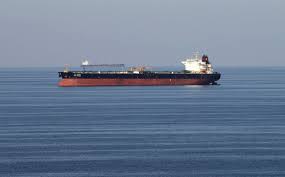
· A modern oil tanker can be worth $100M–$200M. No shipping company will send that vessel into a war zone without coverage. So when insurers and reinsurers pull out, trade stops even if the waterway remains physically open. In practice, insurance markets can close a strait without firing a shot.
· This is why the Trump administration launched a $20B reinsurance program through the U.S. International Development Finance Corporation. The goal is simple: Restore confidence so tankers return to Hormuz. The US is effectively becoming the insurer of last resort for global energy shipping.
· But analysts warn that insurance is not the only problem. As shipping expert Matt Wright told CNBC, shipowners are primarily worried about physical security. Several tankers have already been attacked since the escalation with Iran. Insurance can offset financial risk. It cannot stop missiles or drones.
· The geopolitical consequences are enormous. If Hormuz traffic remains disrupted, three players are immediately affected: Iran, China, and the Gulf oil producers. Each for different reasons.
· For Iran, the situation is paradoxical. Almost all Iranian oil exports pass through Hormuz. If shipping collapses, Iran’s own oil revenue disappears. The “oil weapon” risks hurting Tehran as much as its rivals.
· For China, the exposure is even larger. Beijing relies heavily on Gulf energy: ~40% of Chinese crude imports transit Hormuz and most Iranian oil exports ultimately go to China. A prolonged disruption would shake China’s energy security.
· Then there are the Gulf states: Saudi Arabia, UAE, Qatar, Kuwait and Iraq. Together they export millions of barrels per day through Hormuz. There are very few alternative routes. If the strait freezes, the global energy system tightens overnight.
· But the most interesting lesson here is structural. We tend to think geopolitics is controlled by: presidents, navies and missiles. Yet sometimes the real gatekeepers are financial systems.
· About 90% of global shipping is insured through a handful of maritime insurance clubs, backed by reinsurance markets largely concentrated in London. When those markets decide the risk is too high: Ships stop moving. No blockade required.
· That’s why the US had to intervene. Without insurance coverage, global energy trade simply halts, regardless of naval power. The Strait of Hormuz wasn’t closed by warships. It was closed by risk models.
· The deeper lesson of this crisis: Modern geopolitics is not controlled only by states. It is shaped by systems : Energy systems, Insurance systems and Financial systems. Missiles create headlines. But sometimes, actuaries decide what actually moves across the world’s oceans.
#IranWar
English