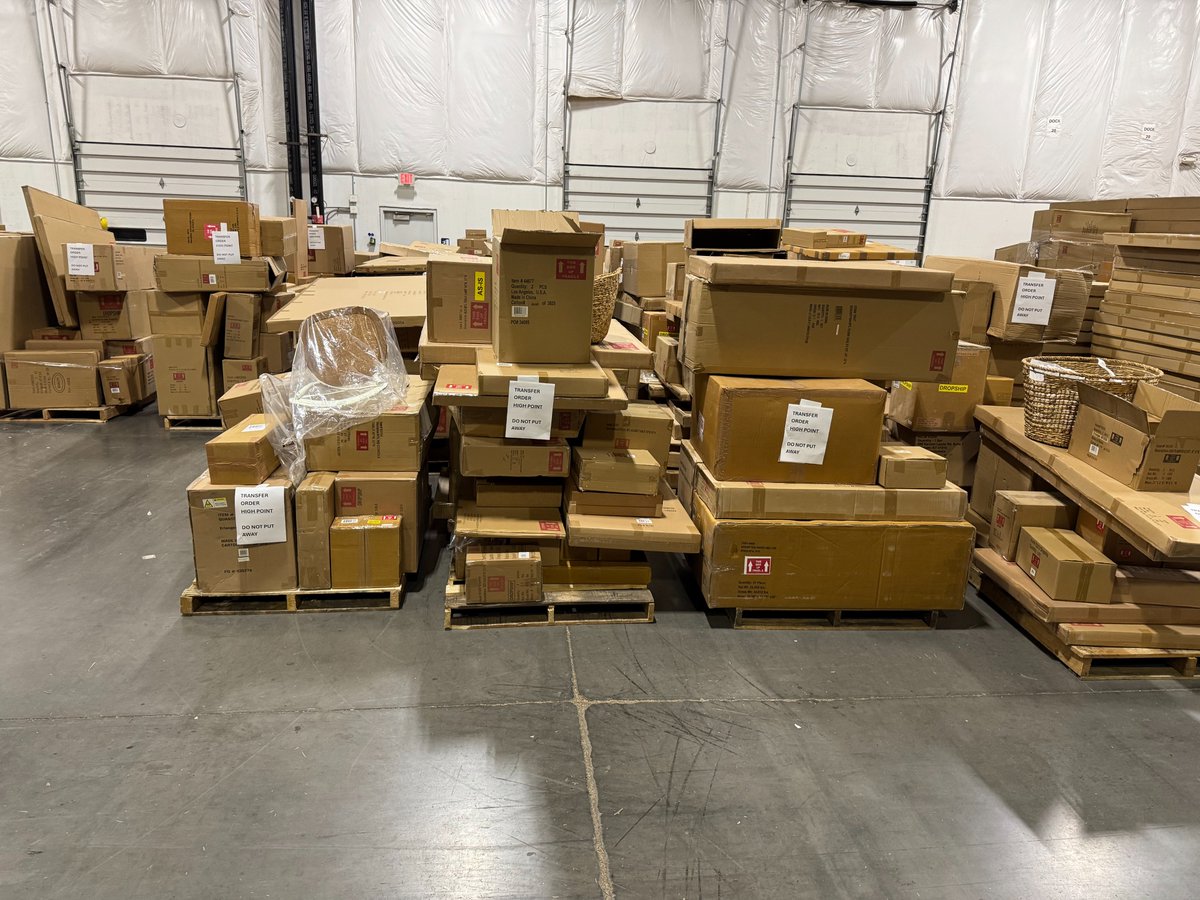

Physical AI, specifically in the form of humanoid robots, is poised to transform warehouse operations by introducing drop-in automation that requires zero retrofitting to existing infrastructure. Unlike traditional fixed automation or wheeled bots, humanoids are designed to navigate environments built for people packing boxes, reaching high shelves, and operating tools. They are ideal for facilities with complex layouts or diverse SKU mixes. These robots are evolving from experimental prototypes into functional assets capable of handling repetitive, physically demanding tasks like mixed-case palletizing and inventory audits with human-level dexterity. This shift not only addresses chronic labor shortages and rising operational costs but also enables a 24/7 work cycle where robots can seamlessly bridge the gap between digital warehouse management systems and the physical movement of goods, ultimately driving significant gains in throughput and safety.
NVIDIA Robotics@NVIDIARobotics
The next frontier of AI is physical. 🤖 From simulation to synthetic data, developers are training robots to understand the real world with NVIDIA Cosmos, Isaac simulation frameworks and open-source physics engine, Newton. Watch the video to see how partners like @HonHai_Foxconn, @HexagonAB, @TheHumanoidAI, @NobleMachines, and @SkildAI are building the future. 🎥 nvda.ws/3PQcf4L
English